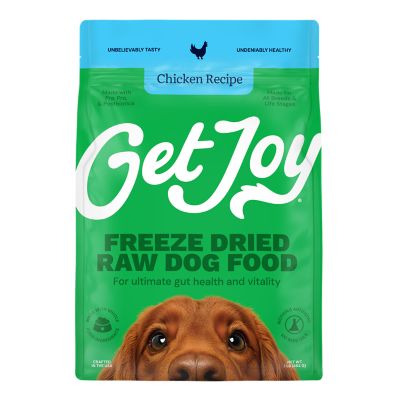
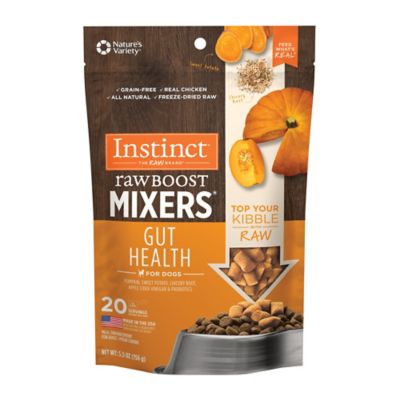
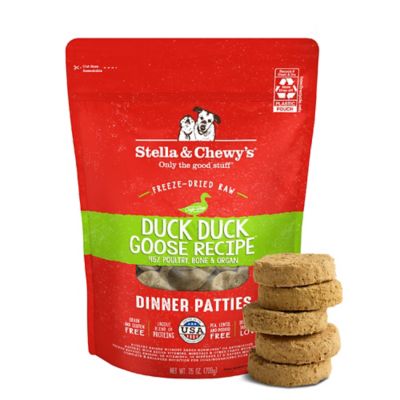
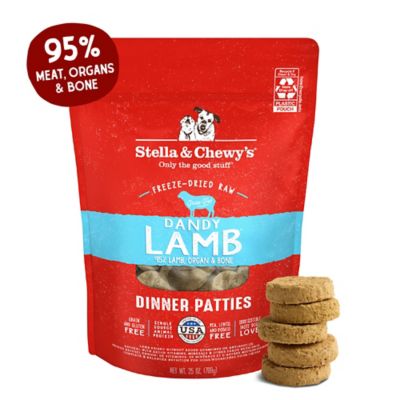
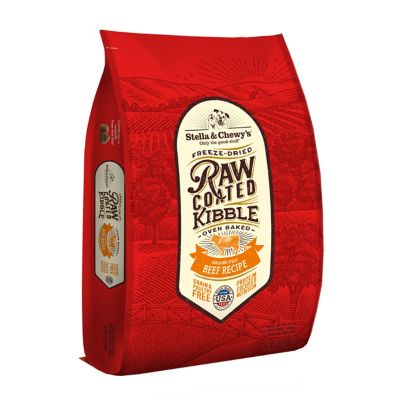
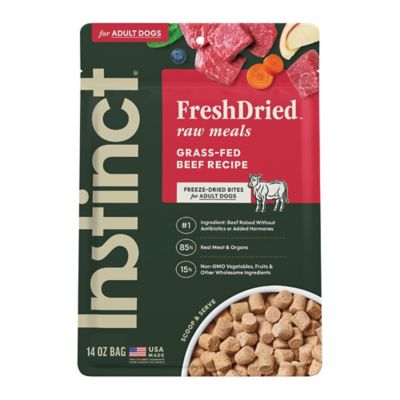
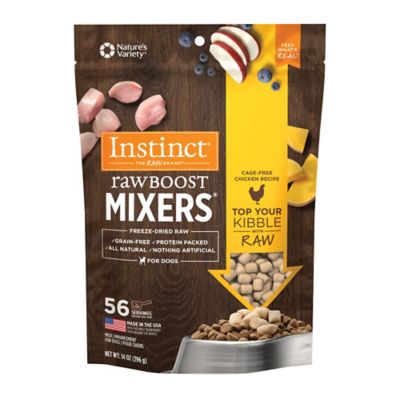
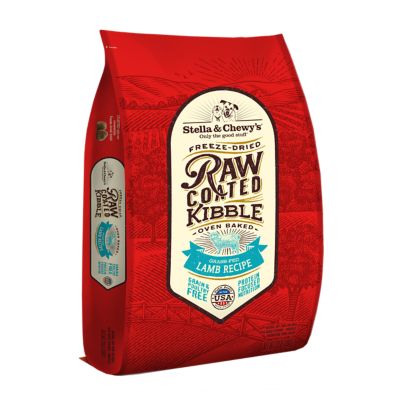
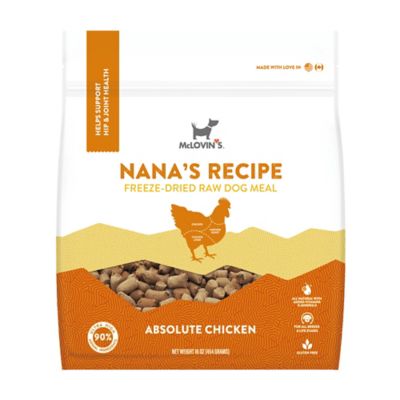
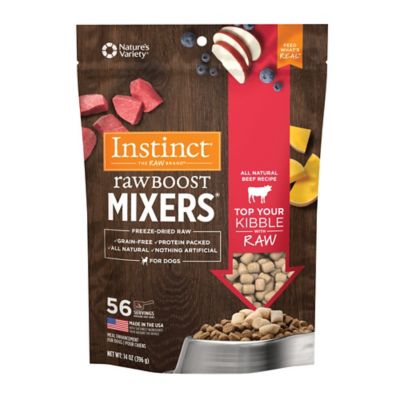
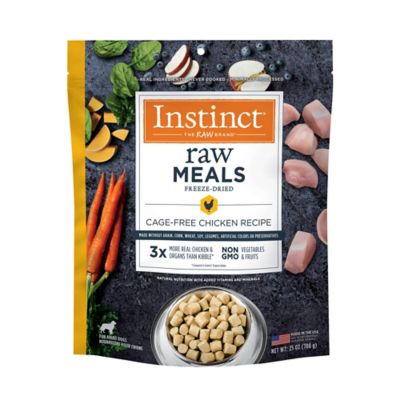
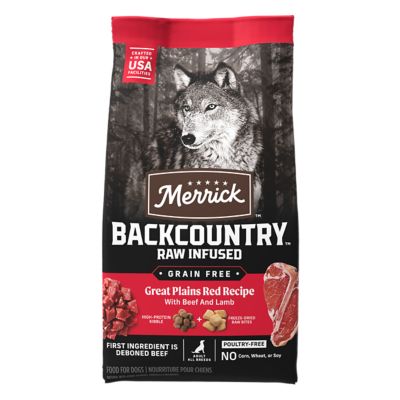
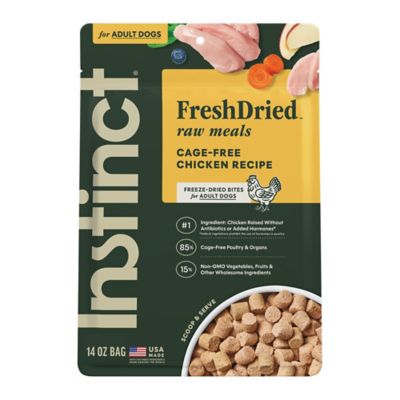
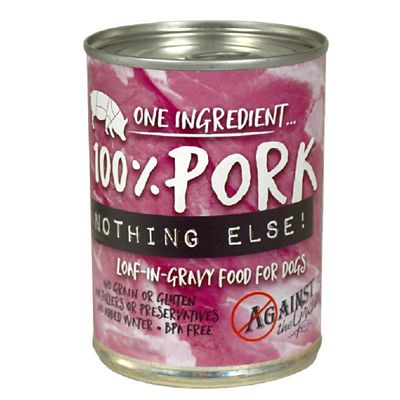
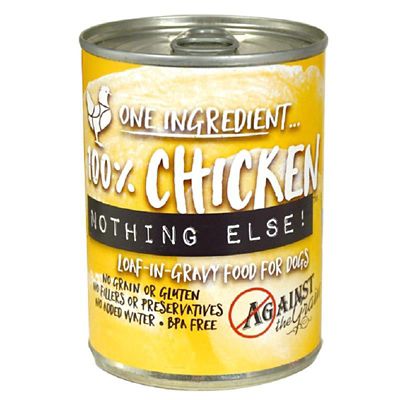
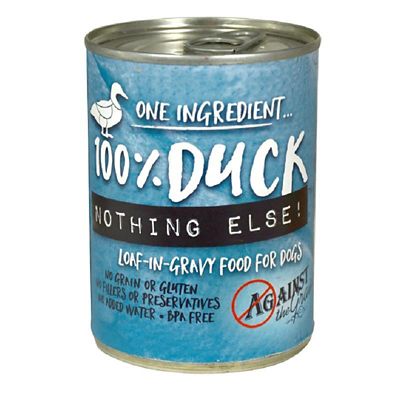
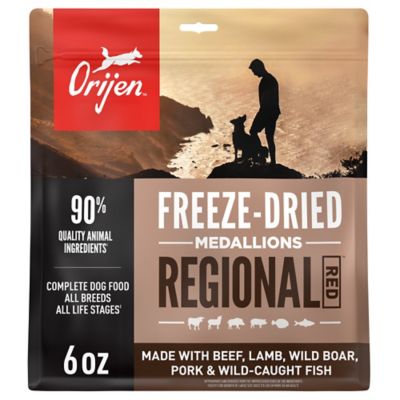
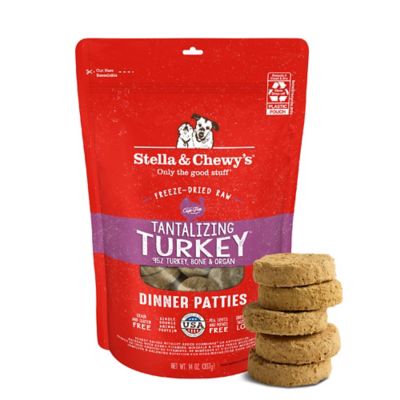
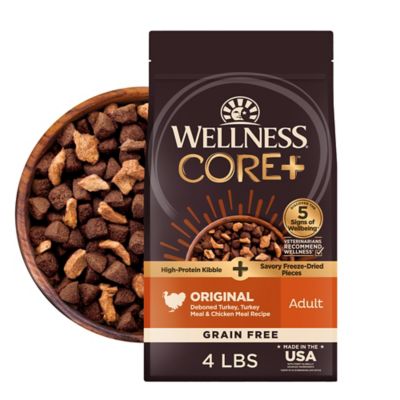
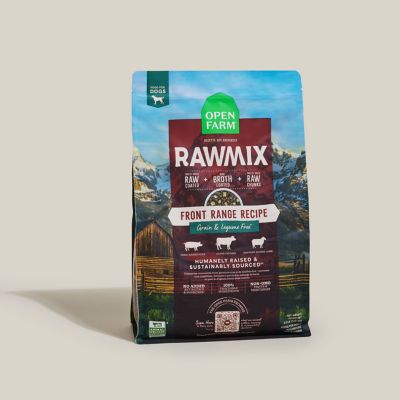
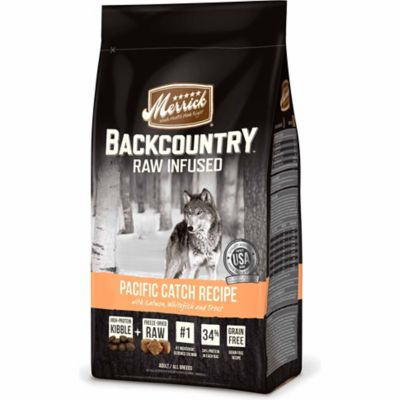
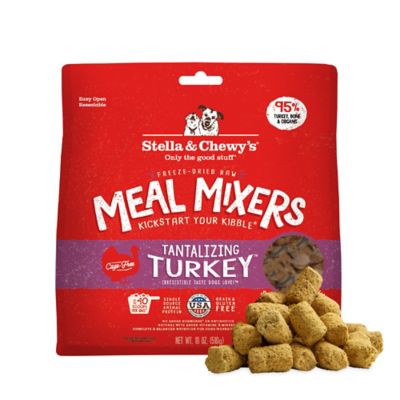
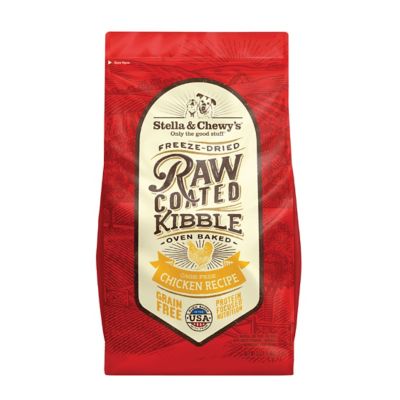
Raw dog food is uncooked or minimally processed food made with ingredients such as muscle meat, organ meat, raw meaty bones, and, in some formulas, vegetables or other whole-food ingredients. It is available in several convenient forms, including frozen patties, nuggets, or ground portions; freeze-dried pieces that can be served as-is or rehydrated; and complete meal formulas made for regular feeding. Some dog owners choose raw food because they prefer a high-protein diet with recognizable ingredients, while others use it as an occasional meal, a topper mixed with kibble, or part of a carefully planned feeding routine. You may also see the term prey model raw, or PMR, used for a home-prepared approach that commonly aims for about 80% muscle meat, 10% raw meaty bone, and 10% secreting organs. That ratio is only a general philosophy, not a guarantee that a homemade diet meets a dog’s nutritional needs. A growing puppy, senior dog, working dog, small breed, large breed, or dog with a health condition can have very different requirements, so speak with your veterinarian before changing meals. A vet can help you decide whether raw dog food makes sense for your dog, review the ingredient panel, and recommend a feeding amount based on age, weight, activity, body condition, and medical history. For many households, commercially prepared raw food labeled complete and balanced for the appropriate life stage is a safer starting point than building a recipe from grocery-store meat. Look for a nutritional adequacy statement showing that the food meets Association of American Feed Control Officials, or AAFCO, nutrient profiles or has passed appropriate feeding trials. Treat claims about a shinier coat, smaller stools, cleaner teeth, or higher energy as experiences reported by some owners rather than guaranteed results. A dog’s health depends on the whole picture, including genetics, exercise, dental care, parasite prevention, and regular veterinary visits. If you are stocking up for several dogs, a kennel, a farm with working dogs, or a busy household, compare package sizes and storage needs with the same care you would use when choosing
Bulk Dog Food. Frozen food takes dependable freezer space, while freeze-dried food is easier to store and carry during travel, training days, hunting trips, or visits to the family place.
Raw meat can carry Salmonella, E. coli, Listeria, and other germs that may make dogs or people sick, even when the food looks fresh and clean. For that reason, handle raw dog food much like raw meat prepared for people. Keep it frozen until you are ready to thaw it, and thaw it in the refrigerator rather than on the counter. Use a washable bowl and a separate cutting board or preparation area when possible. Wash your hands with soap and warm water after handling the food, clean measuring tools and bowls after every meal, and disinfect counters, floors, and other surfaces that come in contact with raw ingredients. Do not let a dog carry a raw patty through the house or leave leftovers sitting in a warm bowl. Pick up uneaten food promptly, especially during warmer weather, and follow the package directions for refrigeration and disposal. Extra care matters in homes with young children, older adults, pregnant people, or anyone with a weakened immune system, since these family members can be more vulnerable to foodborne illness. Keep thawing food, open packages, and feeding utensils out of reach of children and other pets. Raw bones also deserve special attention. Whole bones may splinter, crack teeth, cause choking, or create a blockage in the digestive tract, and grinding does not remove every feeding risk. Never assume a bone is safe simply because a dog has handled one before. Your veterinarian can help you weigh those concerns and identify safer ways to support dental health. A secure freezer, leakproof containers, a washable feeding mat, and a routine for cleaning up can make raw feeding easier to manage, whether your dog eats in a mudroom, kennel area, porch, or kitchen. Families giving raw dog food as a gift to a dog owner should first check that the recipient has freezer room, understands safe handling, and has approval from the dog’s veterinarian. Food preferences, allergies, health needs, and feeding instructions vary widely, so a gift card or a conversation about the dog’s routine may be more useful than choosing a diet by guesswork.
When changing from kibble, canned food, or another diet, make the switch gradually instead of filling the bowl with a full serving of raw food on the first day. Many dogs do better when the new food is introduced in small amounts over about seven to 10 days, with the transition slowed down if loose stool, vomiting, reduced appetite, or other digestive changes appear. Follow the feeding guide on the package, but use your dog’s body condition as an important check. You should be able to feel the ribs beneath a light covering, and your veterinarian can help you judge whether portions need to be adjusted. Active dogs may need more calories, while older or less active dogs may need less; treats and toppers count toward the daily total. Keep an eye on the guaranteed analysis and calorie information, since moisture levels can make the protein and fat percentages of frozen and freeze-dried foods look different at a glance. Freeze-dried raw food is lighter and shelf-stable until opened, but it can still require careful handling and may be best rehydrated according to the package directions. Frozen raw food should stay consistently cold, and a power outage or long trip home from the store may require an insulated cooler and ice packs. Avoid mixing random meats, organs, supplements, and bones without professional guidance, because homemade raw diets can be too high or too low in calcium, phosphorus, vitamin D, copper, iodine, or other essential nutrients. Nutritional gaps can be especially serious for growing puppies and can affect bones, muscles, and organs over time. With a veterinarian’s help, the right formula, measured portions, and a dependable sanitation routine, raw dog food can fit some households and feeding plans. Shop with your dog’s life stage, health, storage space, and your own daily schedule in mind so mealtime stays practical from the first scoop to the last cleaned bowl.