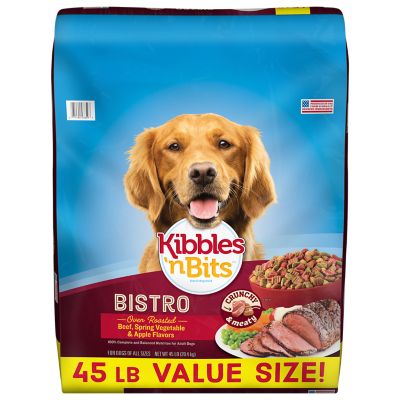
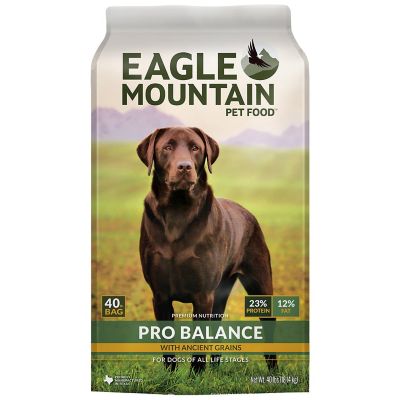
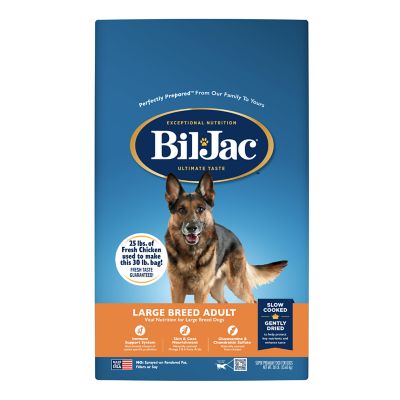
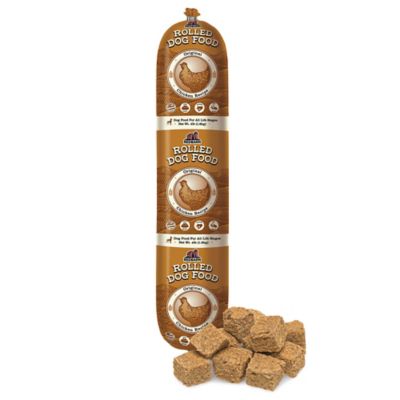
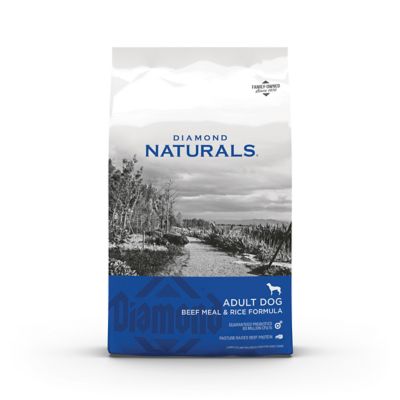
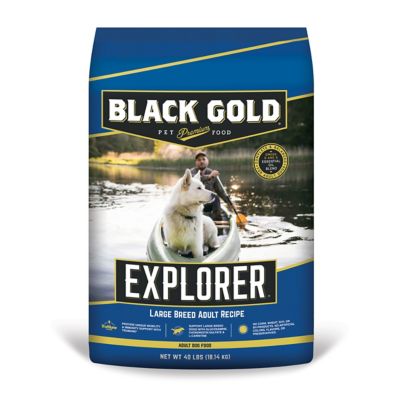
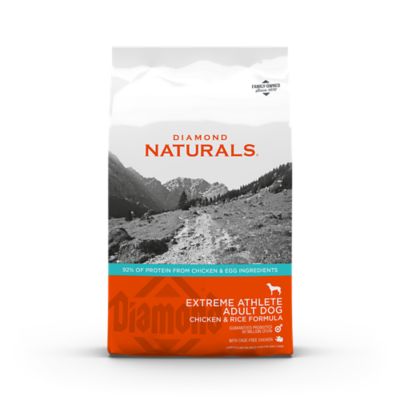
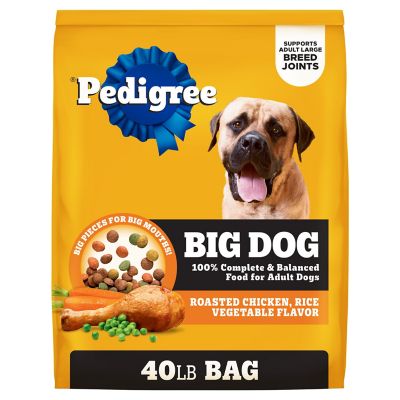
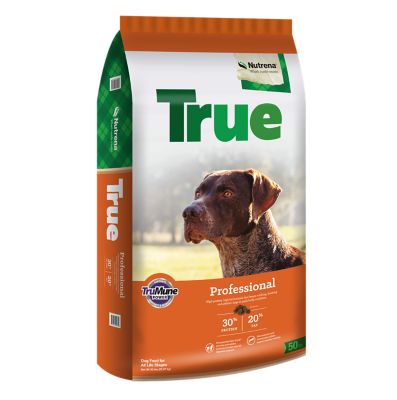
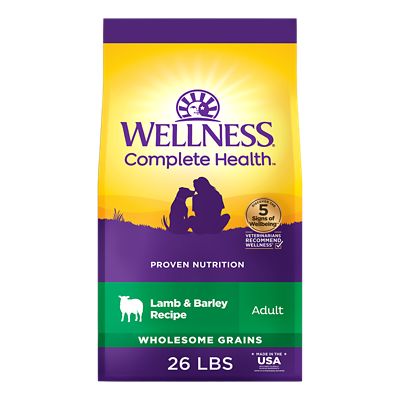
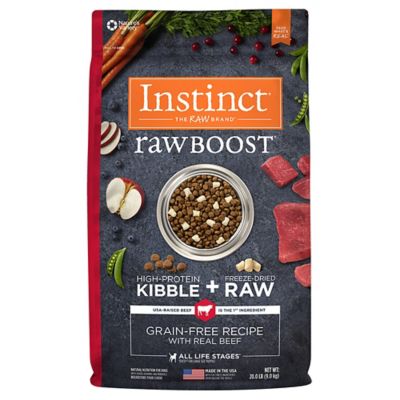
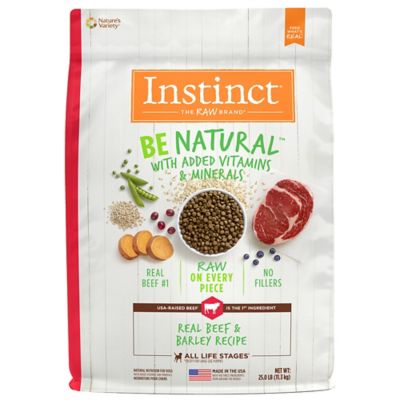
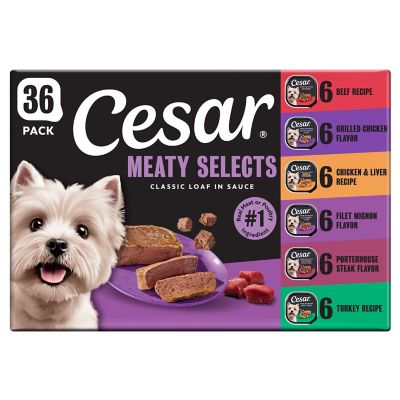
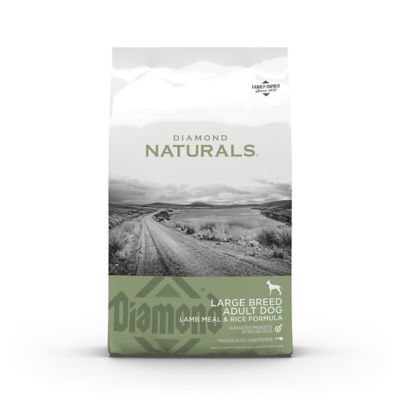
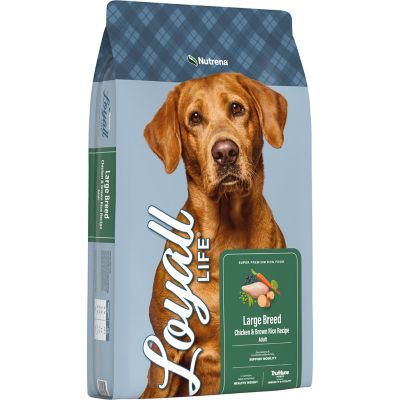
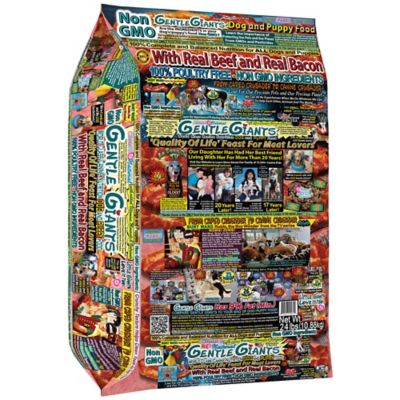
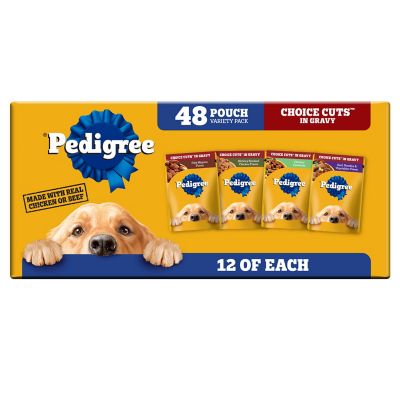
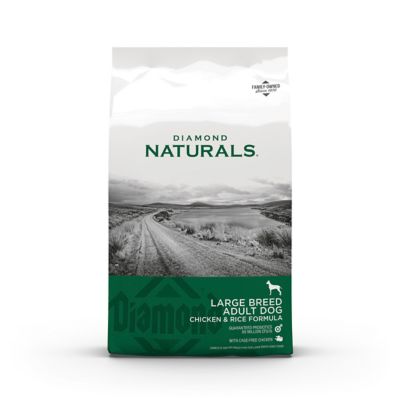
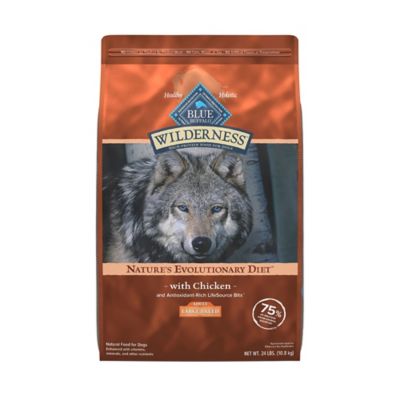
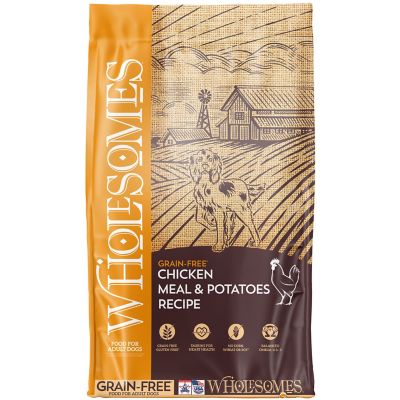
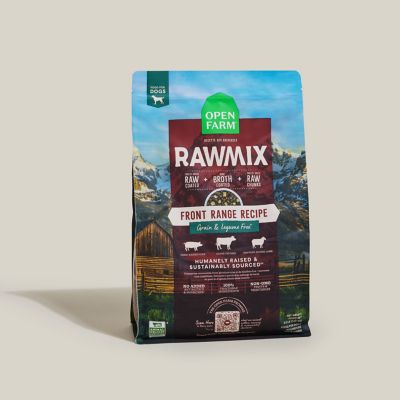
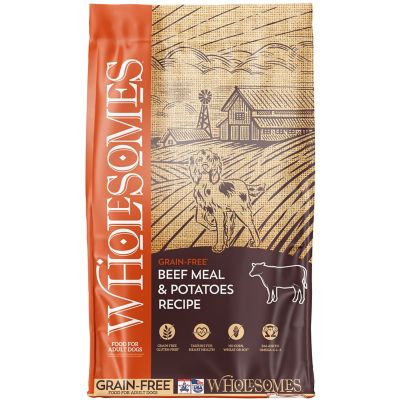
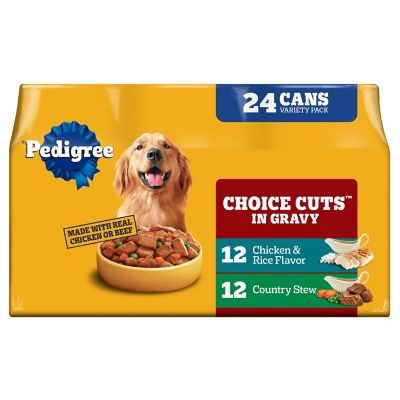
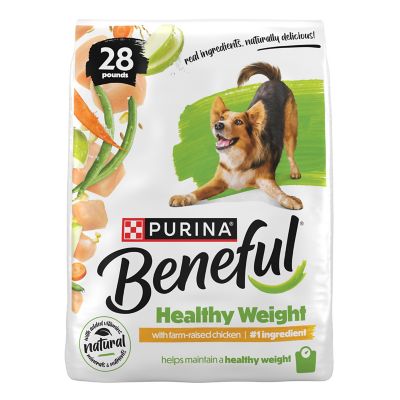
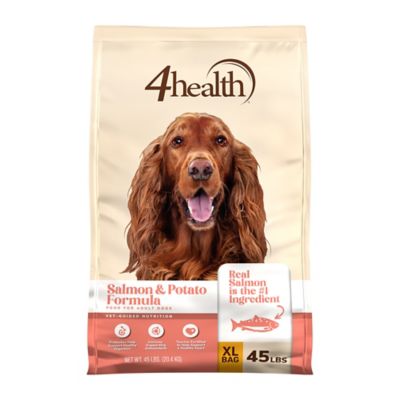
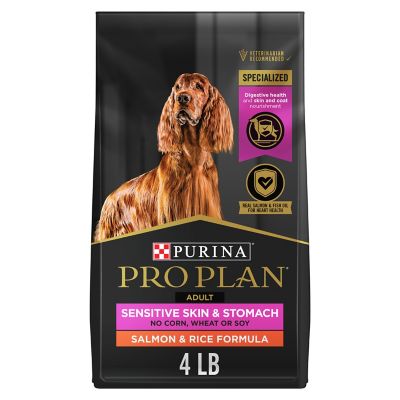
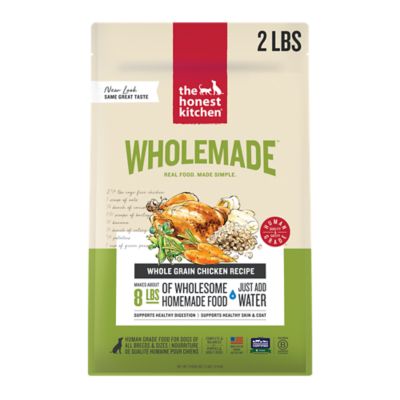
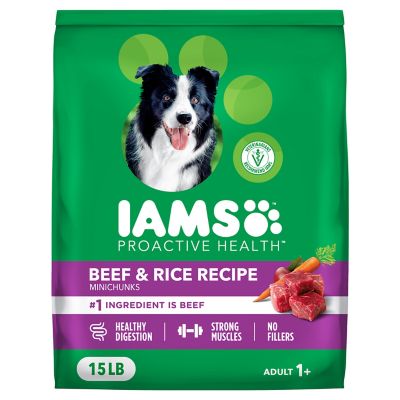
Large bags of dog food and multipacks are sold online and in person at farm supply stores, pet supply stores, and other major retailers. Dry kibble often comes in larger bags, while wet food can come in cases of individually sealed cans, trays, or pouches. A big bag makes sense when several dogs eat the same kibble or one large dog works through a smaller bag pretty fast. A case of wet food works a little differently: The portions stay sealed until mealtime, so there’s no need to open the whole supply at once. What matters is how much food the dogs actually go through and how often a package gets opened. If two dogs eat a combined pound of kibble a day, a 30-pound bag covers about 30 days. For a household that goes through half a pound a day, that same bag would last about twice as long. That’s where the storage directions on the bag can help narrow down the size that makes sense. The number on the front of the package tells how much the food weighs, but it doesn’t say how many bowls it’ll fill. Kibble varies in density, so a cup of one recipe may not weigh the same or provide the same calories as a cup of another. The feeding chart gives a starting point for portions, and the calories per cup or per can help put two recipes on the same footing. A level measuring cup or a scale can make portions more consistent, especially when different people take turns filling the bowls. It also helps to count wet food, toppers, and treats as part of the daily intake rather than treating them as extras that don’t add up.
The recipe matters more than the size of the bag. One dog might spend a good part of the day trotting fence lines, while another is happy to watch the goings-on from the porch. Even if those dogs weigh about the same, they may need different portions. Puppies, adult dogs, and dogs with special dietary needs don’t always belong on the same food, either. A nutritional adequacy statement on the package tells whether the food is complete and balanced for a particular life stage or intended only for supplemental or intermittent feeding. For a puppy expected to grow into a large dog, look for a statement that covers growth of large-size dogs. Some wet foods can serve as the whole meal, while other recipes are meant to go alongside a complete diet. The same distinction applies to freeze-dried foods, which can come as complete meals or toppers. Check the package for serving directions, including whether water should be added. If ingredients are a deciding factor,
Natural Dog Food is another place to compare recipes and read their feeding statements. Kibble size and texture are worth a look, too, especially for a small dog that has trouble picking up larger pieces or an older dog that does better with softer food. In a household where one dog needs a recipe that the others don’t, separate bowls and clearly marked bags make more sense than trying to find one large package for everybody. And if a dog is new to the household or still getting acquainted with a different recipe, a smaller package gives that dog time to settle into a feeding routine before a larger purchase. A gradual change can be easier on the stomach, and a veterinarian can help sort out feeding choices for a dog with ongoing digestive trouble or a prescribed diet.
Storage earns its keep when a bag is opened day after day. Dry food does best in its original bag, with the top closed between meals and the bag kept in a clean, dry place out of direct sunlight. A food-safe container with a snug lid can hold the whole bag, help keep pests out, and save the label, lot code, and best-by date for easy reference. Check the container opening as well as its capacity: A bag might fit once it’s inside but still be awkward to lower through a narrow opening. A wide opening leaves room to reach the last few scoops, and a sturdy container with a lid that’s easy to close makes sense when more than one person handles feeding chores. A shelf or bin near the bowls is handy, as long as it keeps the food away from cleaners and somewhere the dogs can’t nose it open. Finish one bag before opening another instead of pouring fresh kibble over crumbs left at the bottom. Wash and dry the container between bags, and keep the scoop clean and dry, too. With wet food, unopened portions can stay sealed until needed, but leftovers from an opened can, tray, or pouch should be covered, refrigerated, and handled according to the package directions. Smaller individual portions can be handy for a dog that only gets a spoonful with kibble, while larger portions may suit a household that serves wet food as the main meal. The best fit comes down to what works at feeding time: a recipe that suits the dog, a package that gets finished within the storage directions, and a setup that makes it easy to get the right food into the right bowl.