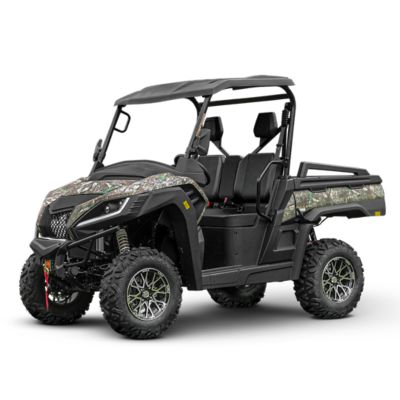
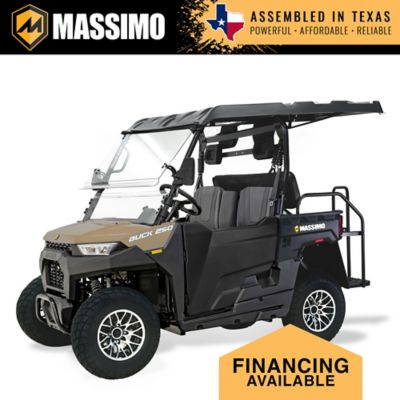
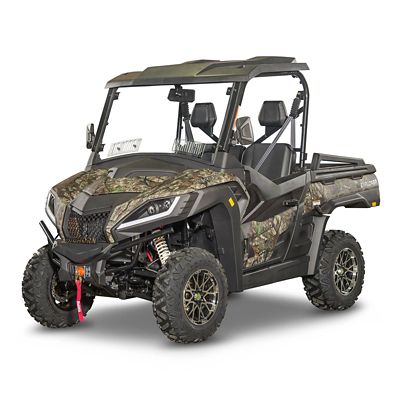
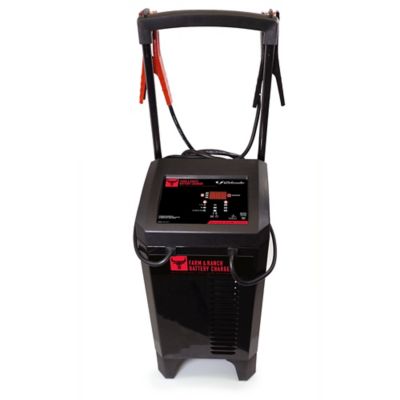
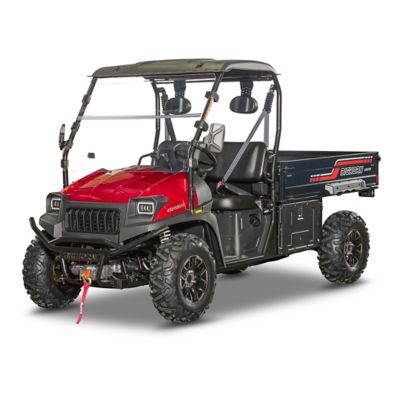
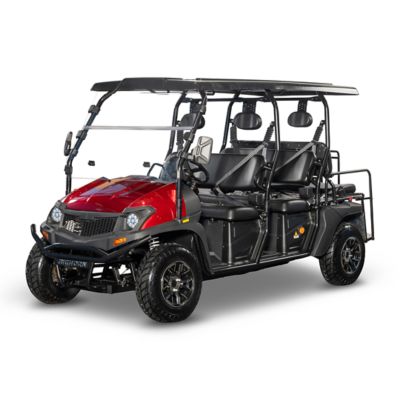
Ranch vehicles help turn a long day of work into a more manageable one, whether the job involves checking fence lines, carrying feed across open pasture, hauling tools to a back corner of the property or pulling a small trailer through uneven ground. ATVs and UTVs each bring a different approach to ranch work. An ATV is a compact choice for one rider who needs to move quickly along narrow trails, inspect acreage or reach places where a larger machine may not fit. A UTV offers more room for passengers, supplies and equipment, making it a practical fit for chores that call for a second set of hands. Many ranch owners keep a vehicle near the barn for daily rounds, while others bring one along when working wooded paths, creek crossings, muddy lanes or sloped ground. During the cooler months, a capable ranch vehicle can help with feed runs, firewood, livestock checks and fence repairs without requiring a long walk across wet grass or frozen soil. For more information about choosing a machine for farm and ranch tasks, visit
UTVs For Ranch Work.
Start by matching the vehicle to the land and the work ahead. Ground clearance matters when crossing ruts, rocks, roots and shallow washouts, while a strong suspension can help smooth out the ride over rough pasture. Four-wheel drive can offer added traction when a trail turns slick, and thoughtful tire selection can make a noticeable difference in mud, loose gravel and packed dirt. Pay close attention to the bed payload rating and towing limit rather than judging capacity by appearance alone. A machine may carry fencing supplies, mineral tubs, tools or bags of feed, but every load should stay within the stated limits, with weight placed low and spread evenly. Towing needs also vary from pulling a small utility trailer to moving a sprayer, drag or livestock panel setup. Check the hitch style, towing equipment and braking guidance before putting a trailer to work. If the main task is hauling, look for a roomy cargo bed, easy loading height and a tailgate that opens without getting in the way. If the vehicle will carry people, compare bench seating with individual seats, available legroom and the number of passengers the vehicle is built to carry. Single-row configurations can be nimble and easy to maneuver, while crew configurations make sense for ranch families or work teams traveling together.
Think about the daily routine as well as the biggest job on the calendar. A vehicle that fits through a gate, parks inside an existing shed and turns easily around feed bunks may be more useful than a larger machine that rarely reaches its full capacity. Measure narrow gates and storage spaces before shopping, and account for mirrors, racks, windshields or other equipment that may add width. A comfortable seat, clear controls and a layout that is easy to learn can make a real difference when someone spends several hours making rounds. Riders should also plan for helmets, seat belts where provided, eye protection, gloves and weather-ready layers. Keep children and passengers within the limits set by the vehicle maker, and take time to learn the controls before heading onto hills or unfamiliar trails. Routine care helps keep a ranch vehicle ready for the next chore: inspect tire pressure, check fluid levels, look over belts and hoses, clear grass from hot areas, and wash away mud before it dries around moving parts. After a hard pull or a trip through deep muck, walk around the machine and check for packed debris, loose hardware or damage underneath. Whether it is a shared tool for a working ranch, a practical addition to a small farm or a helpful purchase for someone managing acreage, the right ATV or UTV should fit the terrain, load, passenger needs and pace of everyday life.