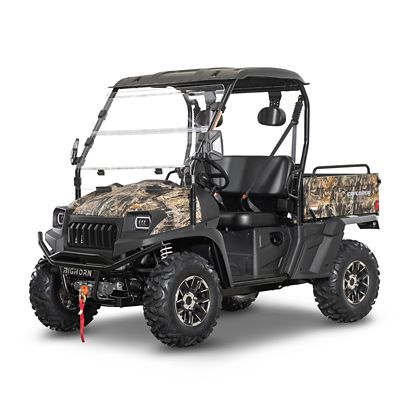
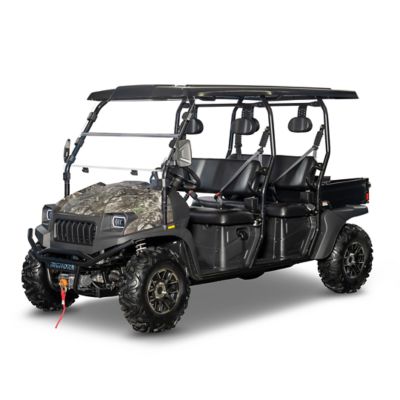
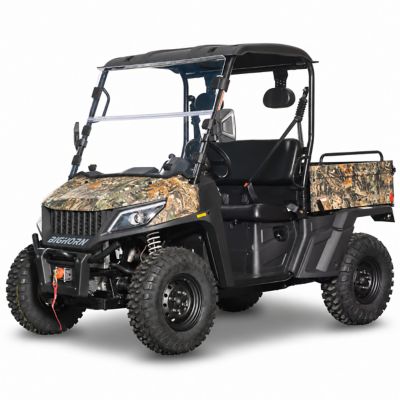
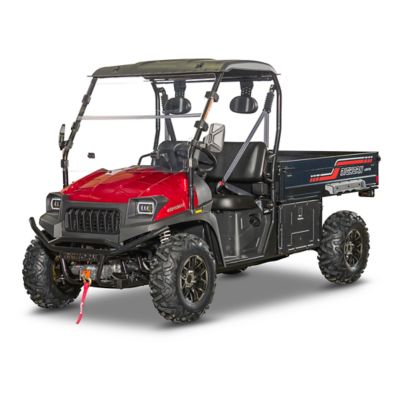
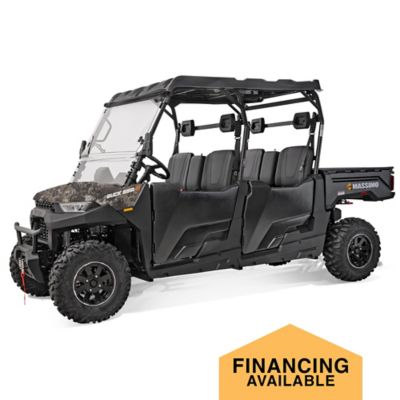
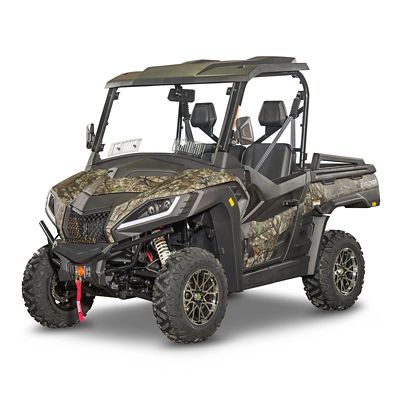
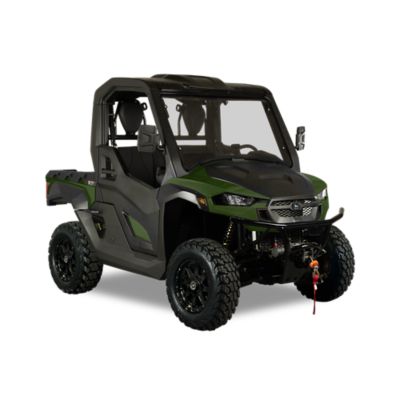
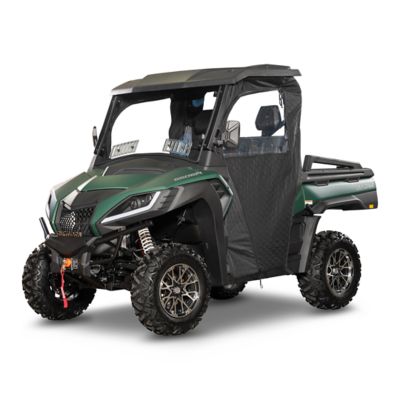
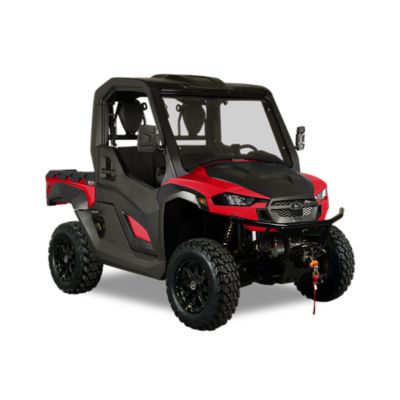
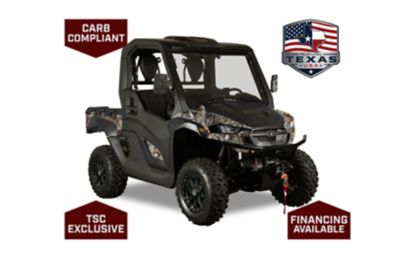
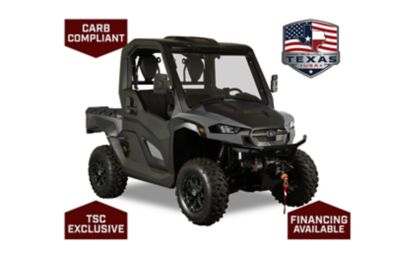
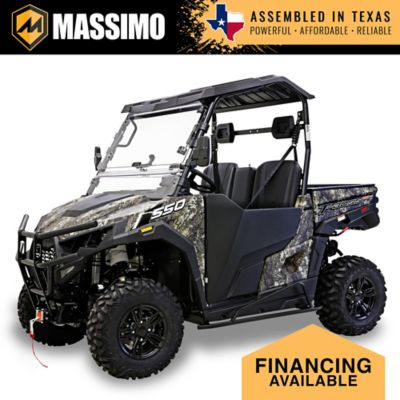
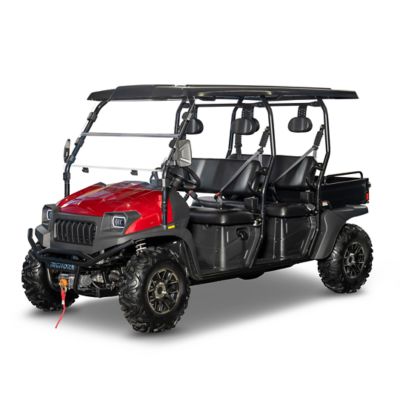
UTVs for ranch work are utility side-by-side vehicles built to move people, tools and supplies between jobs across working acreage. The right fit depends on cargo weight, towing needs, passenger capacity, terrain and how much ground a typical workday covers. On a working ranch, that can mean carrying fence tools to a far corner, taking feed to a holding pen or bringing supplies back from the barn without making several trips. Work-focused features such as a practical cargo bed, low-range gearing and accessible tie-down points can matter more than top speed. Payload and towing capacity deserve separate attention: payload accounts for weight carried by the vehicle, while towing capacity describes the trailer load it can pull under the manufacturer’s stated conditions. Occupants, cargo, installed accessories and trailer tongue weight all affect the load the machine carries, so an empty bed does not necessarily mean there is room for a heavy load. A dump bed can make unloading loose material easier, while bed height, tailgate access and the reach from the ground affect everyday loading. Bed dimensions matter, too, especially when long-handled tools or awkward supplies need to ride securely without interfering with the seats or controls. For trailer work, the hitch rating, trailer requirements and braking setup need to match the job rather than simply the size of the engine. Low-speed control is especially valuable when backing toward a hitch, easing through a narrow gate or stopping near livestock. Four-wheel drive and selectable traction features can help on loose ground, but neither replaces sound judgment about slopes, footing or load limits. Turning radius, overall width and ground clearance also shape how comfortably a UTV moves through cattle lanes, around water troughs and along established ranch paths. A machine that fits the route and carries the usual load can be a better working partner than one with extra power but awkward dimensions. Enough seating for the regular crew helps keep each person in a designated seat rather than competing with tools for space.
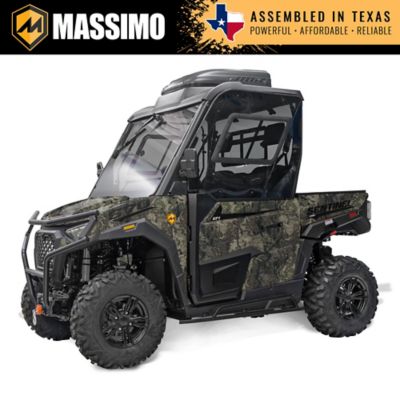
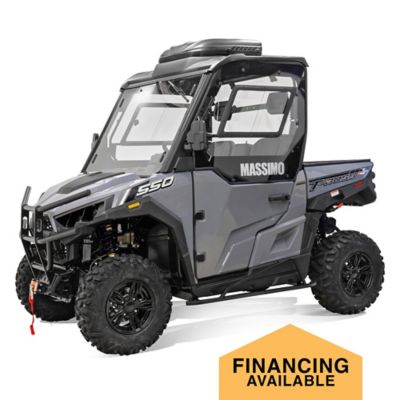
The construction and layout of a ranch UTV influence how it handles repeated chores and how pleasant it is to climb into throughout the day. Steel frames provide structural support, while cargo beds may feature steel, composite materials or other designs with different weight and care requirements. Coated metal surfaces still need attention where scratches expose bare metal, and composite panels benefit from cleaning methods suited to their finish. Floorboards with accessible drain points and easy-to-reach surfaces can make cleanup less of a chore after hauling dusty supplies or traveling across dirt lanes. Underbody protection can help shield components from contact with rocks and uneven ground, although clearance and a sensible route remain important. Tires should suit the surfaces traveled most often; tread intended for loose soil can behave differently on firm lanes, and tire pressure should follow the vehicle manufacturer’s recommendations for the load. Suspension design affects ride comfort and control, but extra suspension travel does not increase a published payload rating. For operators spending hours between gates and pens, seat support, legroom, pedal reach and steering position deserve a close look. Getting in and out should feel manageable in work boots, without having to squeeze past a steering wheel or climb over gear. Two-seat and multi-row layouts serve different crew needs, and additional seating can change vehicle length, turning space and cargo arrangements. Cab enclosures, windshields and doors also affect visibility, access and communication with someone working nearby. Clear sight lines to the front corners and a useful view behind the vehicle are especially helpful around gates, trailers and busy barnyards. Secure storage keeps small tools from sliding beneath pedals, while reachable latches and straightforward controls make frequent stops less cumbersome. Seat belts, the rollover protective structure and any required doors or nets belong together as part of the vehicle’s safety setup. Helmets and other protective gear should follow the manufacturer’s instructions, and passengers belong only in designated seats, never in the cargo bed.
Gas-powered and electric UTVs bring different practical considerations to ranch chores. Gas-powered machines require fuel storage and routine engine service, while electric models need a suitable charging location and a charging schedule that fits the workload. Distance alone does not tell the whole story for an electric machine; hauling, towing, terrain and repeated stops can affect operating range. For either power type, useful work time depends on the actual route and load, not just a headline specification. A ranch with several operators also benefits from controls that are easy to understand and a consistent place to keep the owner’s manual and service records. Routine checks help catch small problems before they interrupt chores: tire condition, fluid levels where applicable, brake operation, steering response, lights and cargo restraints all deserve attention at the intervals the manufacturer specifies. Drive belts, filters, grease points and battery connections may have their own service requirements, and towing or dusty operation can call for additional attention under the maintenance schedule. After hauling feed or bedding, clearing residue from the bed and footwells helps keep latches, drains and controls from collecting buildup. Washing should follow the care instructions, especially around electrical connections, bearings and seals. Accessories also need to match the vehicle’s mounting points and capacity limits; a rack, enclosure or other attachment adds weight even before tools go aboard. Secure cargo low in the bed where practical, distribute it as directed and keep it from shifting during turns or stops. Tools should never block the operator’s view or interfere with steering and pedals. For chores that extend from pasture gates to lanes and outbuildings, explore
UTV For Property Maintenance Tasks. Across those overlapping jobs, the strongest match is a utility vehicle sized for the people, loads and routes that make up an ordinary ranch day. Thoughtful fit, regular care and respect for operating limits help keep the machine ready for the next fence repair, supply run or trip across the property.