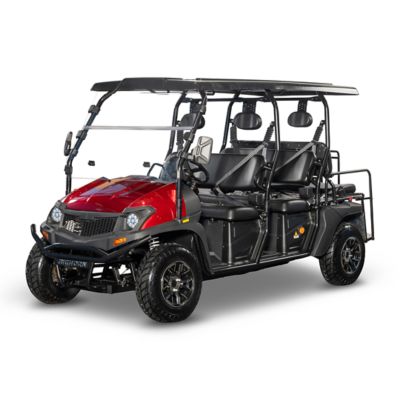
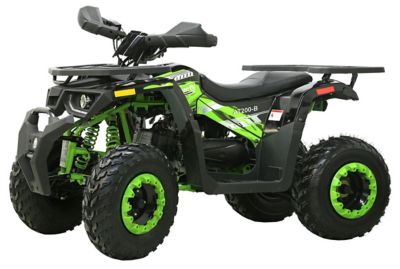
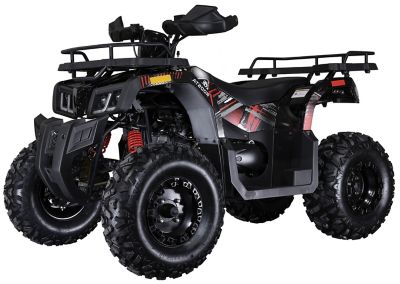
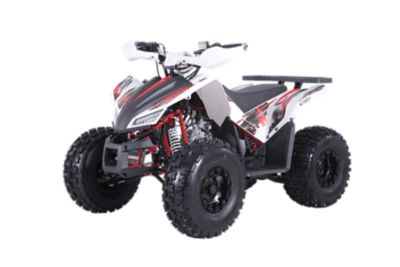
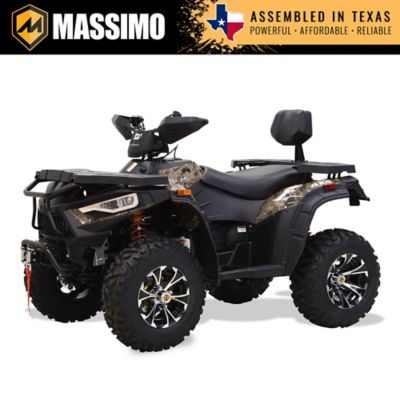
Off-road vehicles are motorized machines built for travel over unpaved ground, including dirt paths, gravel lanes, muddy trails, sand, and rocky terrain. The category includes all-terrain vehicles, or ATVs; utility terrain vehicles, or UTVs; dirt bikes; and four-wheel-drive trucks and SUVs. Their capabilities vary, but common features include extra ground clearance, sturdy frames, terrain-focused tires, and suspension that helps manage uneven surfaces. Not every off-road vehicle has four-wheel drive, and the right setup depends on the ground it will cover and the job it needs to handle. Around a farm or rural property, that might mean checking a distant fence line, carrying supplies to an outbuilding, or traveling between pastures without taking a full-size truck down a narrow lane. For recreation, the focus may shift toward designated trails, open riding areas, and time outdoors with other riders. ATVs generally have handlebars and a straddle-style seat, with many models intended for one rider only. Their relatively compact footprint can suit tighter routes, though width, turning radius, and rider experience all matter.
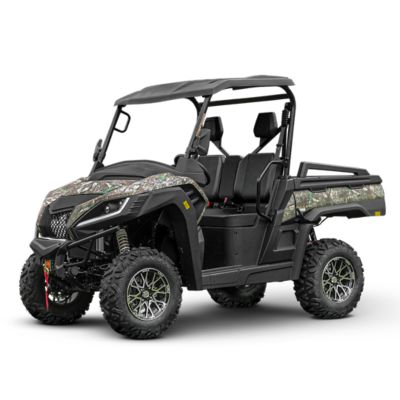
Four Wheel Drive ATVs are a category worth considering for tasks and riding conditions where power to all four wheels can help maintain traction on loose or uneven ground. UTVs, often called side-by-sides, generally have a steering wheel, seating for a driver and one or more passengers, and space for cargo. Many are well suited to property work where tools, fencing supplies, or feed need to travel along with the operator. Dirt bikes offer a two-wheel riding experience that calls for balance and motorcycle-specific skills, while full-size four-wheel-drive vehicles provide a different mix of passenger room, cargo capacity, and trail access. Across these categories, off-road capability is about more than engine size: vehicle dimensions, traction, load limits, and the operator’s ability all shape how a machine fits everyday life.
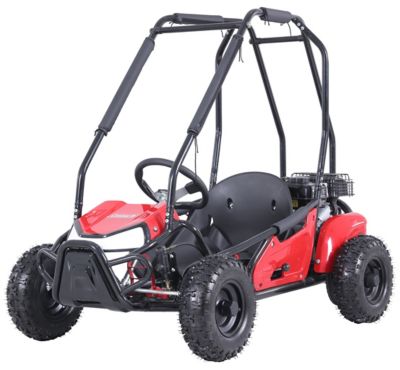
The difference between a pleasant ride and a tiring one often comes down to how the vehicle fits both the rider and the land. A seat that allows a comfortable posture, controls within easy reach, and enough foot room make a difference during repeated trips across a property. On an ATV, the rider needs room to shift body position as conditions change; in a side-by-side, seating position, restraint fit, and visibility deserve just as much attention. Youth vehicles have age recommendations and operating limits that should match the rider, and a smaller machine is not automatically suitable for every child. Adult supervision, training, and the manufacturer’s requirements remain essential. Vehicle size matters beyond the seat, too. A machine needs clearance through gates, space to turn near barns, and a suitable footprint for a storage shed or transport trailer. Ground clearance helps reduce contact with rocks and ruts, but taller is not always better, especially where uneven slopes affect stability. Suspension travel describes how far the wheels can move through their range; it works alongside tire construction and pressure to influence traction and ride comfort. Deep, widely spaced tread can help in soft mud, while other tread patterns may better suit mixed hardpack and gravel. Tire choice should stay within the vehicle manufacturer’s specifications rather than simply favoring the largest tire that fits. For working vehicles, payload and towing ratings are separate limits, and both deserve attention before loading a cargo bed or connecting a trailer. Passengers, cargo, and accessories can all count toward the permitted load, depending on how the manufacturer defines it. A few bags of feed, a toolbox, and another adult can add up quickly. Four-wheel drive can improve traction, but it does not remove braking limits or make steep slopes safe. A vehicle matched to the actual route, load, and operator is more useful than one selected for a single impressive specification.
Materials and construction help determine how an off-road vehicle stands up to dirt, vibration, moisture, and regular chores. Steel frames are common for structural strength, while molded plastic body panels keep weight down and do not develop rust like exposed steel can. Metal cargo beds, protective underbody components, and accessible service points each serve practical purposes, though designs differ across vehicle types. A cargo area carrying fencing tools sees different wear than a machine mainly traveling recreational trails, and rough pasture tracks place different demands on suspension than a smooth gravel driveway. Gas-powered vehicles bring considerations such as fuel storage, engine oil, air filtration, and drive-system maintenance. Electric off-road vehicles have their own needs, including a suitable charging location, battery care, and enough operating range for the intended route and load. Cold temperatures, hills, and heavier loads can affect battery range, making those details especially relevant during the cooler months. Routine care matters with either power source. Dust can collect around filters and moving parts, mud can hide damage, and moisture left on exposed metal can encourage corrosion. Cleaning methods and service intervals should follow the owner’s manual, with attention to brakes, tires, steering, fasteners, and any belt, chain, or shaft-drive components the vehicle has. Covered storage helps limit weather exposure, while appropriate off-season preparation supports a smoother return to service. Before a day of chores or trail riding, a walk-around can reveal a low tire, a loose connection, or a leak that deserves attention before heading away from the house. Protective equipment belongs in the picture as well: a properly fitted helmet, eye protection, gloves, long pants, and over-the-ankle footwear support safer riding. Side-by-side occupants should follow all helmet and restraint requirements and keep arms and legs inside the vehicle. Established routes, permission to cross private land, and respect for posted restrictions help protect access to riding areas. Whether the purpose is a steady round of property tasks or a trail outing, a well-matched off-road vehicle combines suitable capability with manageable size, sensible care needs, and a comfortable place for its intended operator.