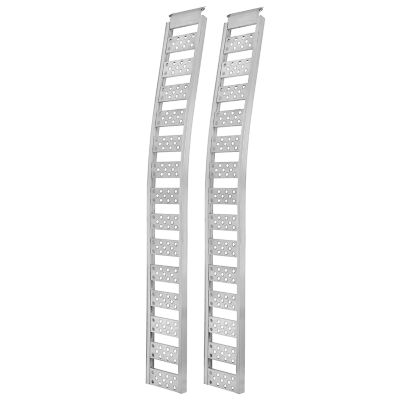
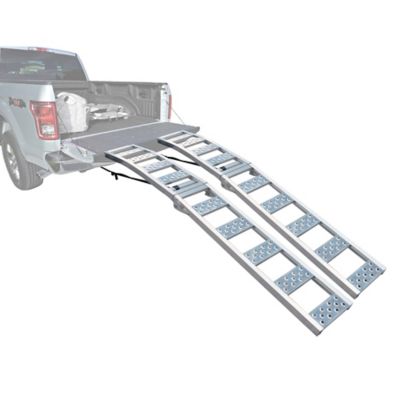
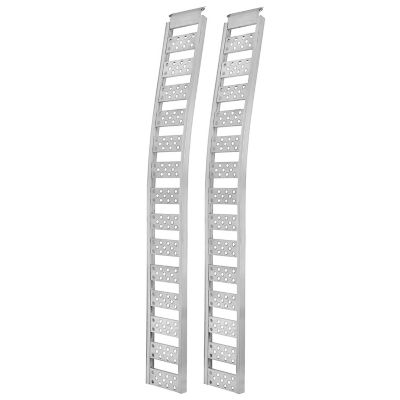
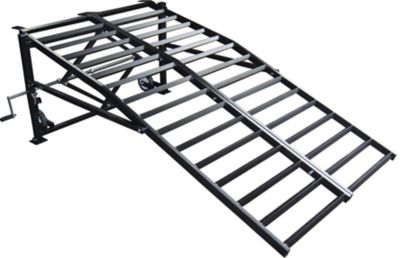
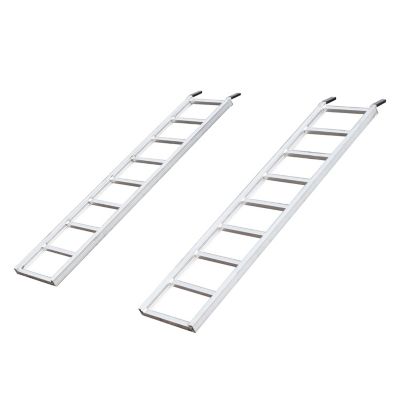
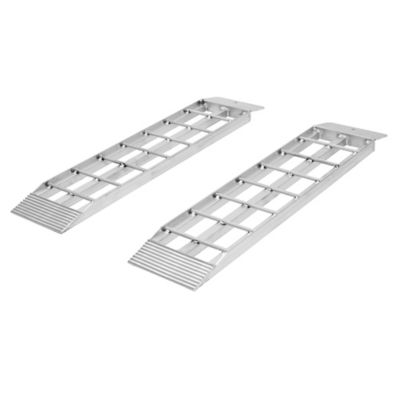
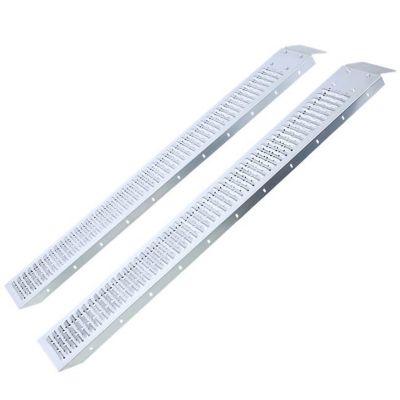
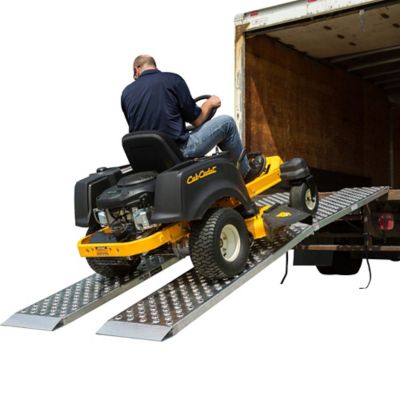
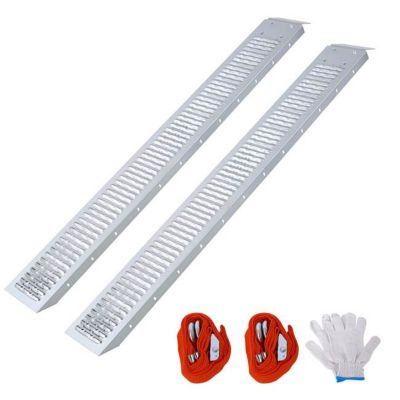
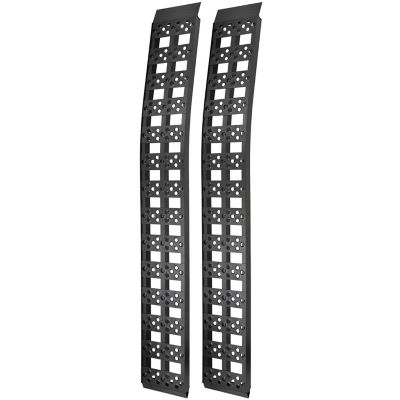
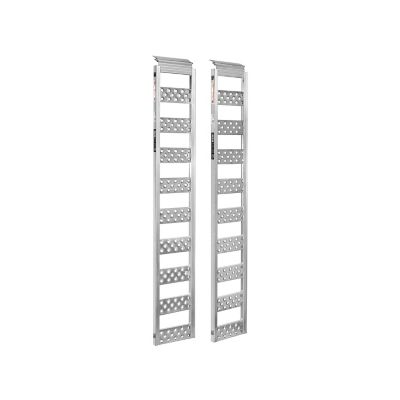
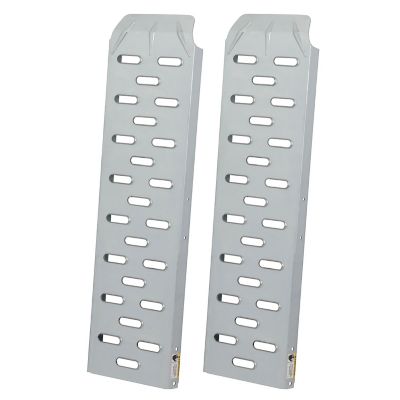
Ramps for lawn mowers provide a path between ground level and a shed floor, trailer deck or compatible truck bed, making it easier to move mowing equipment without lifting the whole machine over an edge. Around a small acreage, that might mean rolling a push mower into storage after cutting around fence posts. For someone mowing several properties, it might mean loading a riding mower onto a trailer before heading down the road. The right ramp depends on the mower, the loading surface and the height difference between them. Push mowers, lawn tractors and larger riding machines have different weights, wheel spacing and ground clearance, so a ramp that fits one setup may not suit another. Weight capacity is one of the main distinctions. A ramp system’s stated capacity needs to cover the mower’s operating weight, including fuel and attached equipment, plus the operator only when riding during loading is expressly permitted by both the mower and ramp manufacturers. Ratings may apply to one ramp, a pair or an entire platform, and those numbers are not interchangeable. Paired ramps may also require an evenly distributed load to meet their stated rating. The mower’s manual and the ramp’s specifications provide a better basis for selection than judging by appearance or mower deck size alone. Aluminum and steel are common materials for mower loading ramps. Aluminum generally weighs less than a comparable steel design, which can make carrying ramps from a storage rack to a trailer less of a chore. Steel construction can offer substantial support, though its weight and protective finish deserve consideration. Welds, crossmembers, hinges and end connections all contribute to how a ramp handles its intended load. For a mower that travels often, easy handling matters; for a shed entrance, the fit at the threshold may matter more. Neither material replaces the need for a suitable load rating, proper attachment and a loading surface that can support the equipment.
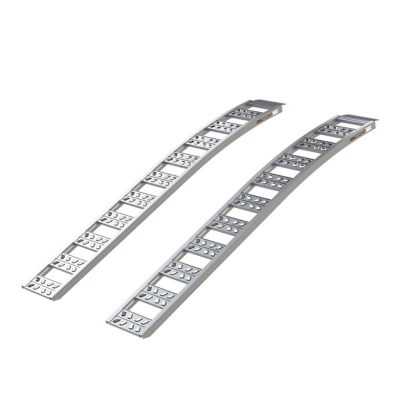
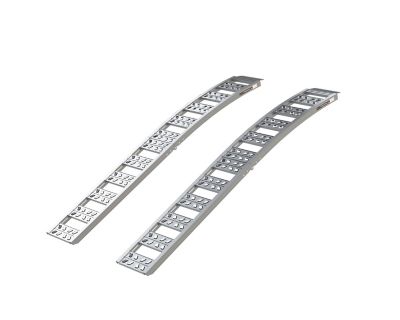
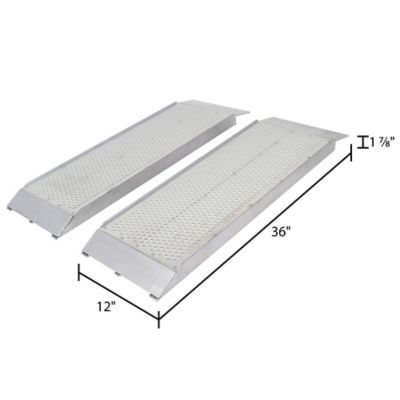
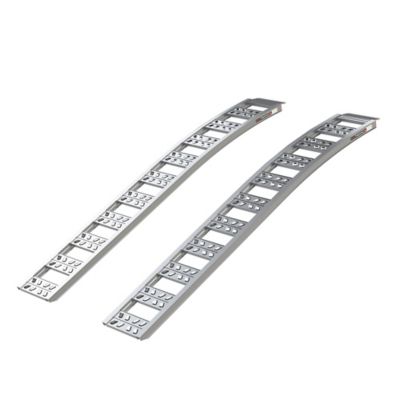
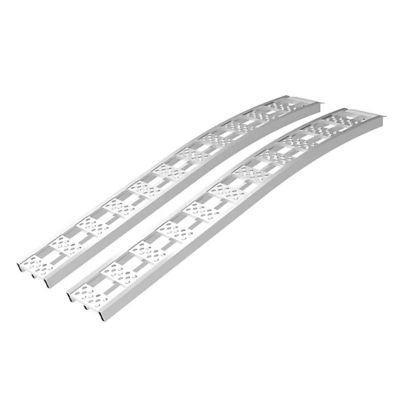
Ramp length, width and shape determine how well the loading path matches the mower and the destination. For the same rise, a longer ramp generally creates a gentler incline than a shorter one. A low shed threshold and a pickup bed are very different applications, so length should be considered alongside the manufacturer’s maximum loading height and the mower’s permitted slope limits. There is no single ramp length that makes every truck or trailer setup suitable. Ground clearance matters, too: a mower deck can catch where a straight ramp meets the loading surface, even when the tires have enough room. Arched ramps change that transition and may help with clearance, but the curve still needs to match the machine and loading height. On paired ramps, the usable track width must accommodate the tires, and the spacing must work for both front and rear wheels. A wide rear tire does not tell the whole story if the front wheels follow a narrower path. Zero-turn mowers add another consideration because their front caster wheels can swivel and their wheel layout differs from that of many lawn tractors.
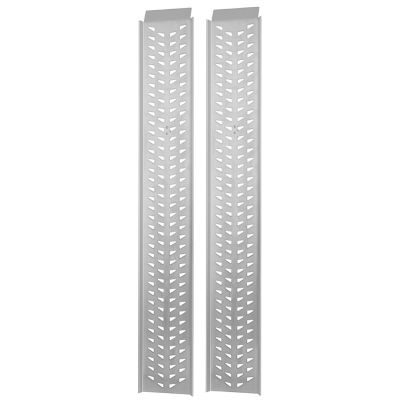
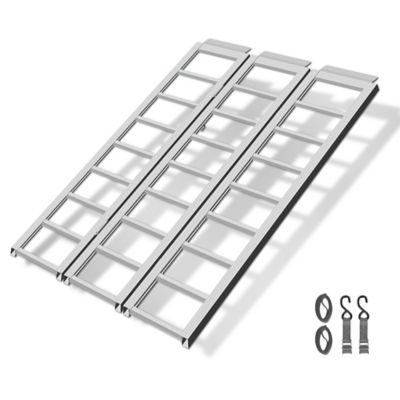
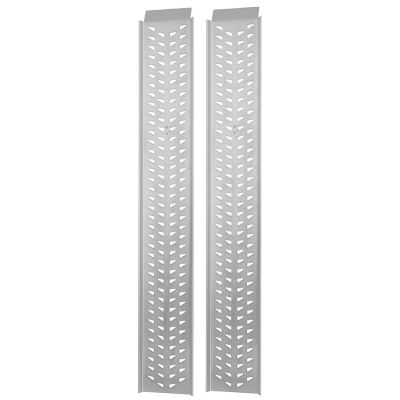
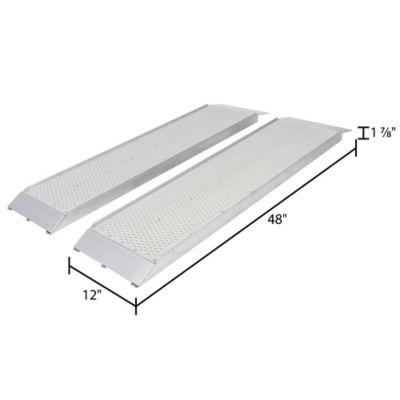
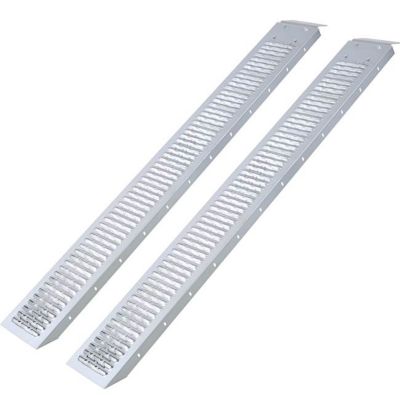
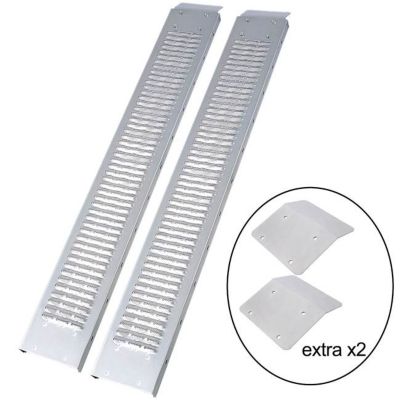
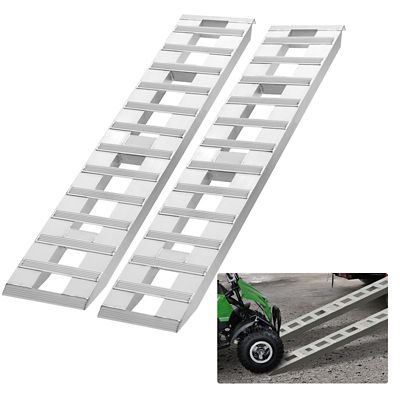
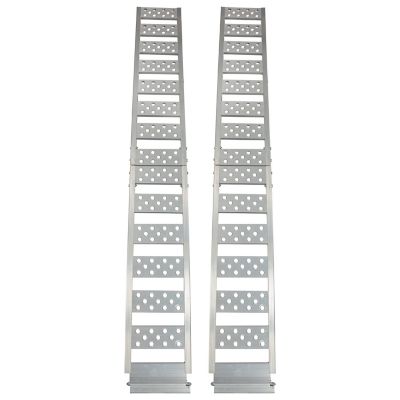
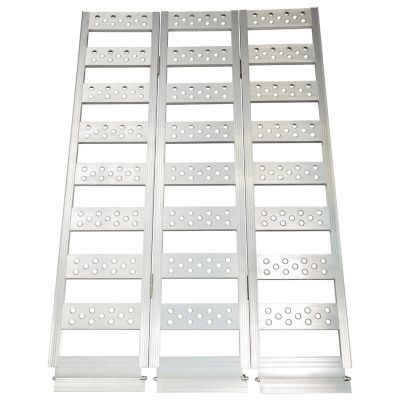
Ramps for Zero Turn Mowers are worth a closer look when matching ramp width, wheel support and deck clearance to that style of machine. Full-width designs can provide a broader rolling path, while separate runners offer placement flexibility when their instructions allow it. Surface construction also makes a difference. Punched metal, textured tread and closely spaced crossmembers provide different contact patterns beneath the tires. Smaller wheels need support that keeps them from dropping into openings or catching between rungs. Grass clippings, packed soil and oil can interfere with tire grip, so traction depends on a clear surface as well as the tread pattern. At the upper end, a lip, hook or other connection must match the intended loading edge. Contact with a tailgate or trailer deck alone does not mean the ramp is secured against slipping.
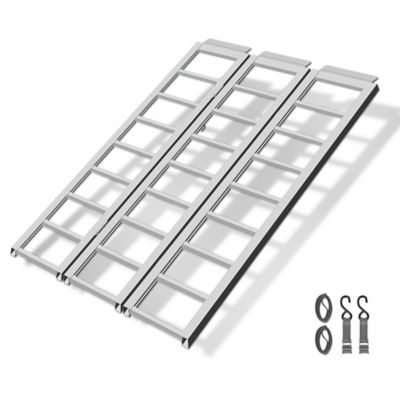
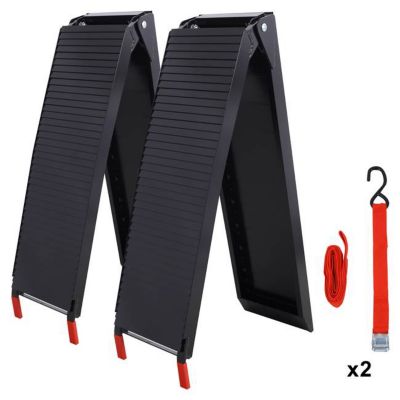
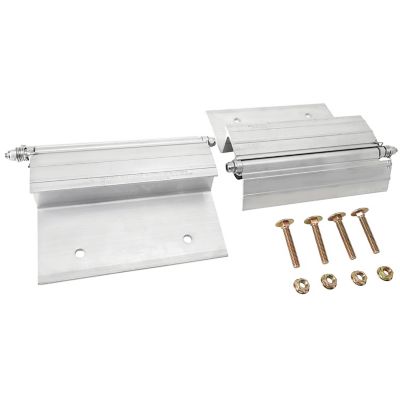
Folding ramps can be easier to tuck along a trailer wall or carry in a truck, while straight, nonfolding designs avoid folding joints and need more storage length. Handles, carrying weight and folded dimensions matter when ramps move with the mower from one property to another. A pair that fits the machine but cannot fit in the hauling vehicle creates another job before the trip even starts. Hinges and locking features should function as specified, and attachment straps or other securing hardware need to match the ramp manufacturer’s requirements. A truck tailgate, trailer edge or shed threshold also has its own limits; the ramp’s rating does not establish the strength of whatever supports its upper end. Firm, level footing at the lower end helps keep the setup stable, while soft ground or an uneven approach can undermine an otherwise suitable match. Care is mostly about keeping the working parts and tire-contact surfaces clear and checking for changes before the next load. Grass buildup can hide damage, bent sections can change how a ramp sits, and worn attachment points can compromise its connection. Steel finishes deserve attention where scratches expose the metal, and aluminum ramps still need inspection for cracks, distortion and damaged joints. Cleaning methods, lubrication and storage should follow the manufacturer’s directions rather than a one-size-fits-all routine. Secure storage keeps ramps from falling into a walkway or getting struck by other equipment. Loading ramps are also different from mower lifts or service stands: a path onto a trailer is not automatically an approved support for working beneath a mower. Once the machine reaches the hauling surface, it needs its own appropriate restraints; securing the ramps does not secure the mower. For a property owner, mowing crew or family member who regularly hauls equipment, a well-matched ramp can take some lifting and wrestling out of the job. If ramps are a gift, knowing the mower’s weight, wheel layout and loading destination matters more than choosing by size alone.