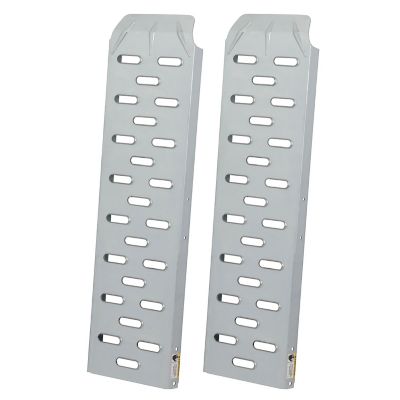
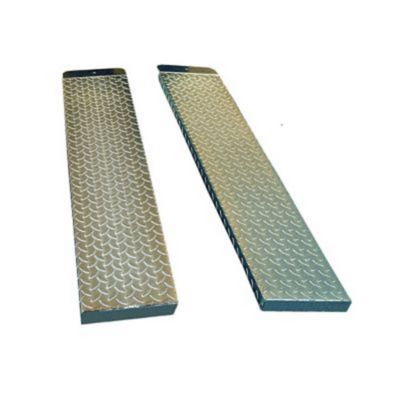
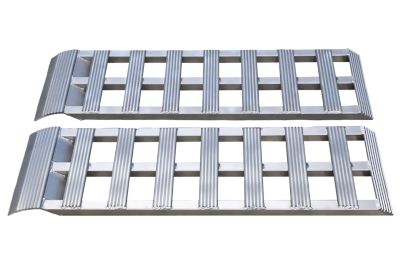
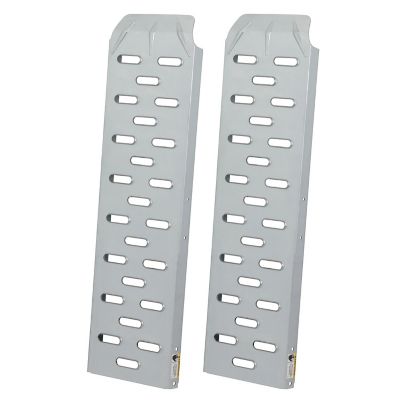
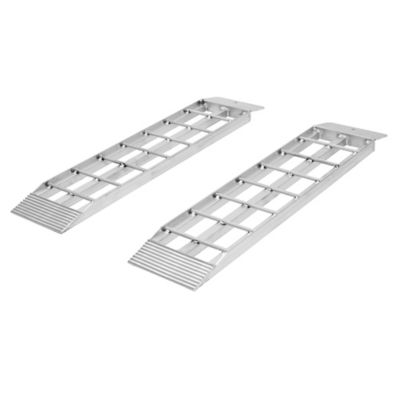
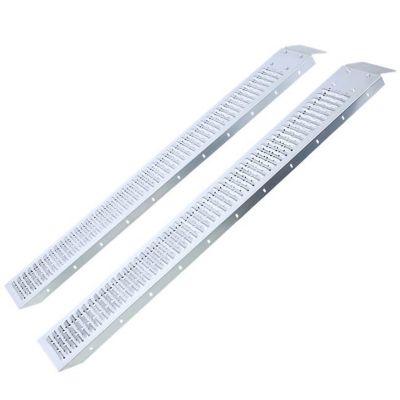
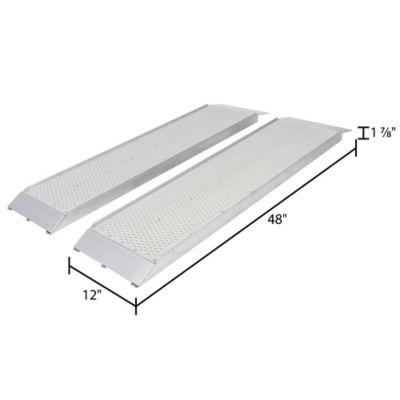
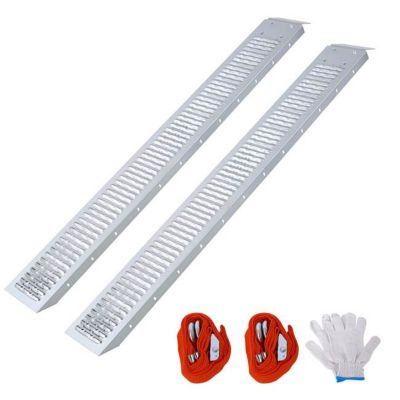
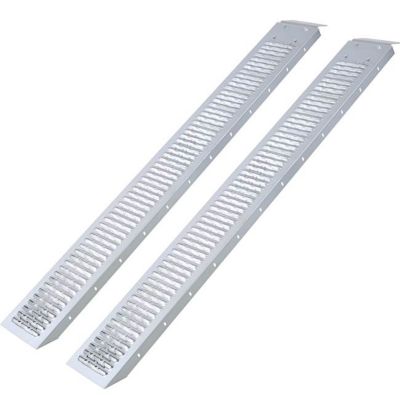
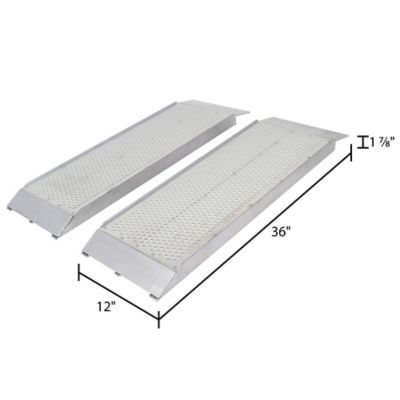
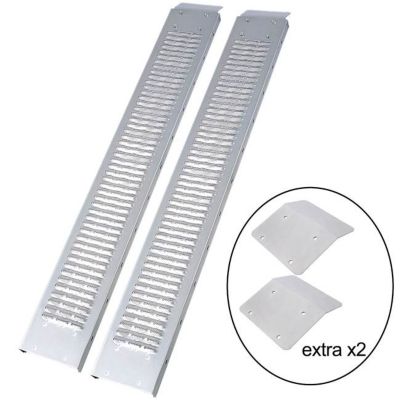
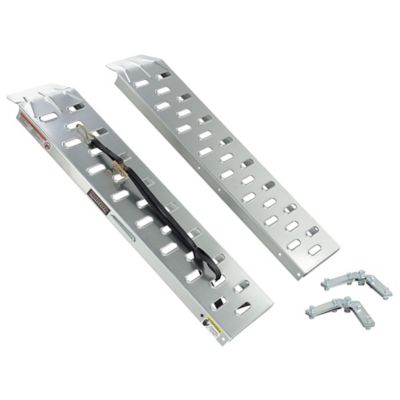
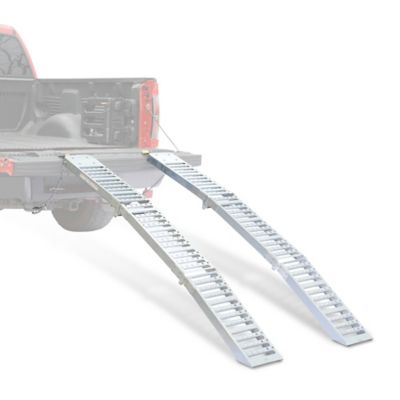
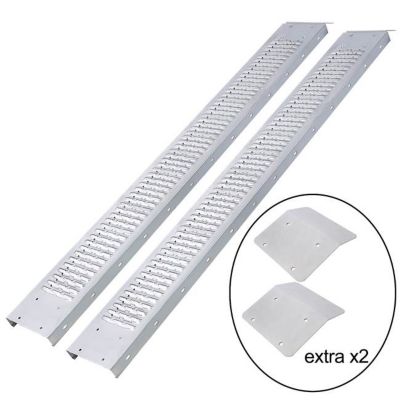
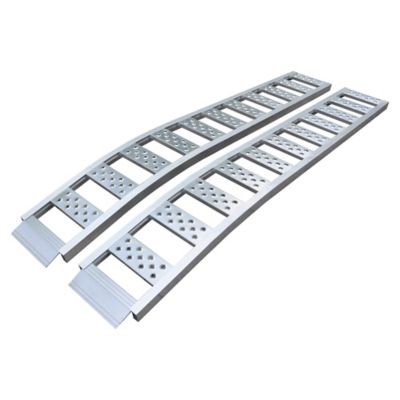
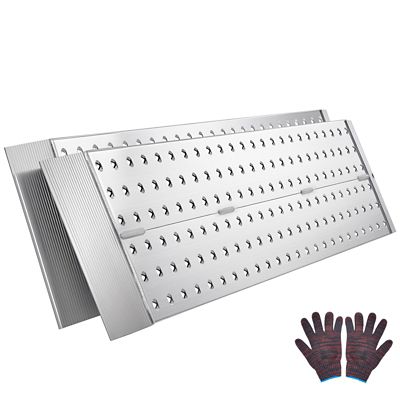
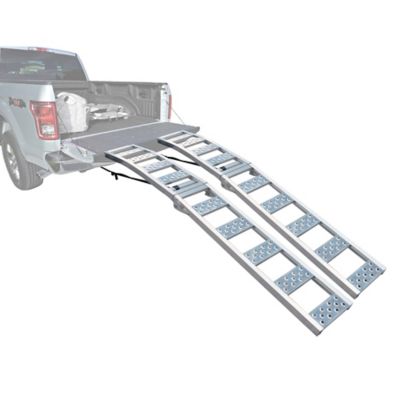
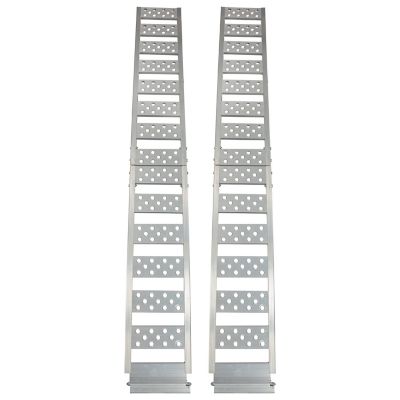
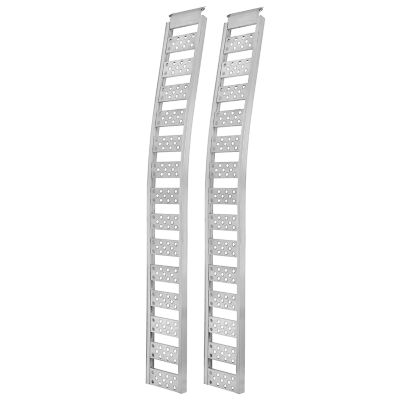
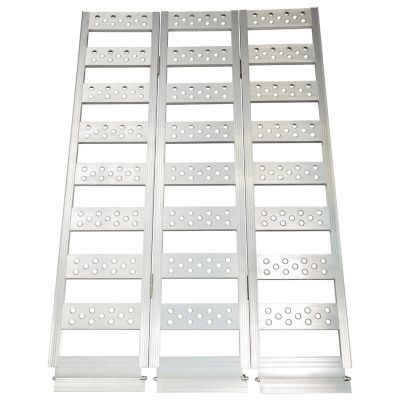
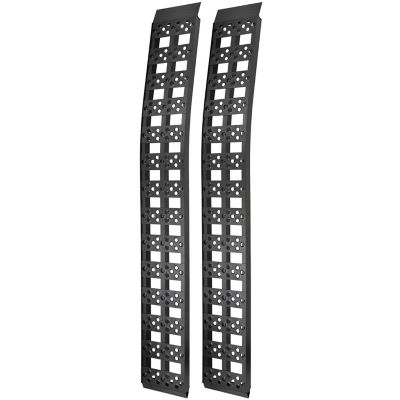
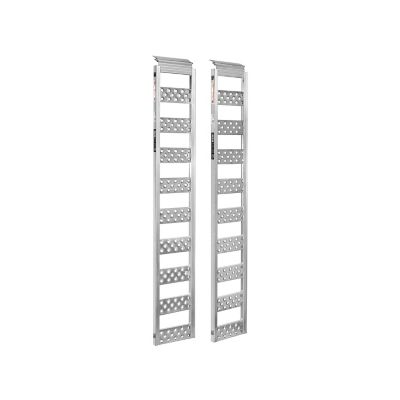
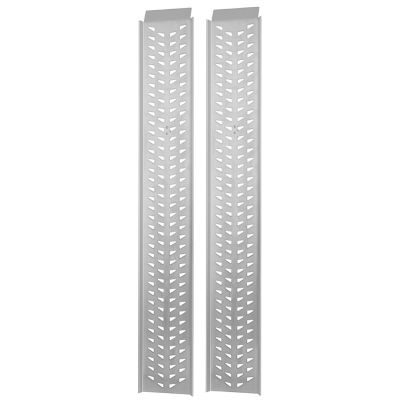
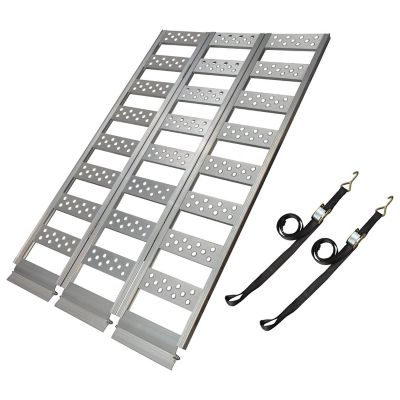
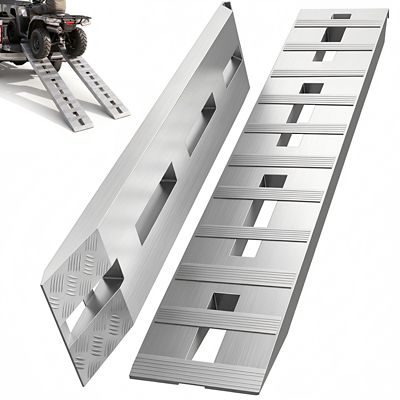
Metal ramps for storage sheds bridge the height difference between the ground and an elevated shed floor, creating a sloped path for moving compatible wheeled equipment through the doorway. That makes them a practical addition wherever a mower, garden cart, wheelbarrow, or other heavy equipment has to cross a raised threshold. Rather than wrestling a set of wheels over the edge, a properly fitted ramp provides a supported approach that suits both the building and the load. Aluminum and steel are common materials, with differences in weight, finish, construction, and upkeep. Aluminum generally weighs less than steel in comparable designs and offers corrosion resistance, making it worth considering when ramps need to move aside after each trip. Steel can provide substantial strength, though its protective coating needs attention wherever scratches expose the metal beneath. Material alone does not determine carrying capacity; the frame, welds, supports, and overall design matter, too. Surface styles range from punched metal and raised tread patterns to spaced rungs, each with different implications for tire contact and wheel size. Small cart wheels need closer attention to gaps than broad mower tires, and an open surface is not automatically suitable for every wheeled load. Handles, manageable sections, and folding designs can make handling and storage easier where those features are part of the ramp’s construction. For a homeowner with a push mower or an acreage owner moving heavier equipment, the best match comes down to the same basics: a suitable load rating, compatible running surfaces, sound support, and dimensions that work with the shed. A ramp that fits those needs can make the doorway less of an obstacle without requiring the whole shed entrance to become a permanent loading area.
Fit involves more than finding metal shed ramps that reach the door. The rise from the supporting ground to the shed floor, the available approach space, and the equipment’s clearance all affect the setup. A longer ramp generally creates a gentler slope for the same rise, but its length still needs to follow the manufacturer’s limits for entry height and loading angle. Low mower decks, attachment brackets, and other parts beneath a machine can catch where the slope meets the threshold, even when the tires have room to travel. Doors also need room to open, close, and latch without striking a ramp lip or mounting hardware. Paired ramps must line up with the wheel paths, including any difference between front and rear wheel spacing. That detail matters with machines that have narrow front wheels or swiveling casters rather than four wheels following the same tracks. A full-width design may better suit some carts and varied wheel spacing, provided its intended use, surface, and load rating match the job. Shed owners focused on mowing equipment can also explore
Ramps for Lawn Mowers while keeping the shed entrance and the machine’s loading requirements in mind. Weight ratings deserve just as much attention as measurements. The load includes the equipment, fuel, attached accessories, and anything carried on it; operator weight also counts wherever the equipment and ramp instructions expressly permit ride-on loading. A rating may apply to one ramp, a pair, or a complete assembly, so those figures are not interchangeable. Uneven weight distribution can put more strain on one side, and a stated capacity does not override limits on wheel spacing or concentrated loads. At the top, the connection needs a sound supporting structure and the specified attachment method. At the bottom, the ramp needs firm, level support that will not settle or shift under the load. A loose board, a crumbling threshold, or soft ground cannot provide the same support as a properly prepared landing, regardless of how strong the metal ramp itself may be.
Day-to-day convenience often comes down to how the shed serves the property. A small building that holds a mower, a spreader, and a few long-handled tools may benefit from portable ramps that store out of the doorway once the work is done. A larger equipment shed with frequent traffic may call for an attached arrangement, where the building and ramp design allow it. Neither style is automatically the better choice: portable sections require lifting, positioning, and secure attachment each time, while attached ramps occupy space along the approach and may affect access on foot. Folding joints and hinges also introduce pinch points that deserve care during handling. For someone pushing a loaded garden cart, a suitable continuous surface and clear approach can matter more than having a ramp designed around wide equipment tires. For someone moving a riding mower, deck clearance, wheel alignment, and the manufacturer’s loading procedures take priority. Routine care helps preserve the ramp’s condition and keeps small problems from slipping by unnoticed. Packed soil, grass clippings, grease, and other buildup can reduce grip or hide damage, so cleaning should follow the ramp maker’s recommendations. Loose hardware, bent sections, cracked welds, worn hinges, and damaged contact points need attention before another load crosses. On coated steel, chipped finishes may need treatment as directed to limit corrosion; aluminum still benefits from cleaning and inspection even though it does not develop iron rust. Portable ramps also need a storage spot where they cannot tip into a walkway or take repeated knocks from other equipment. These are working pieces of equipment, not a substitute for safe lifting practices or a suitable access ramp for people. With the right fit and regular attention, metal ramps for storage sheds can support the everyday rhythm of getting tools out, tackling the job, and putting equipment back where it belongs.