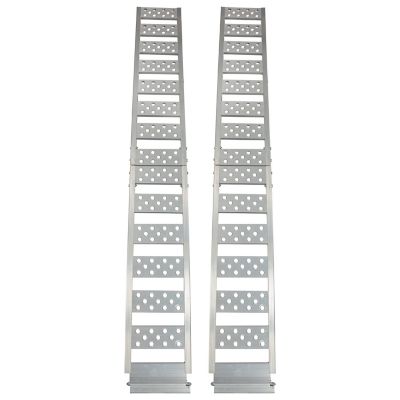
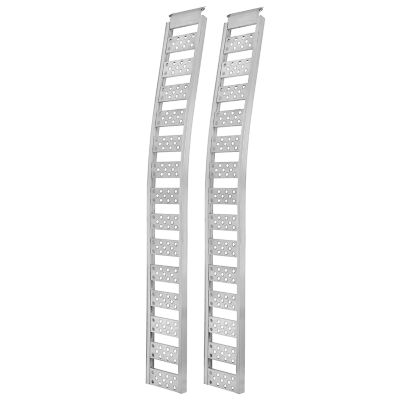
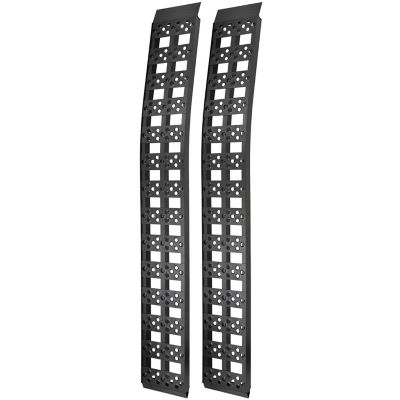
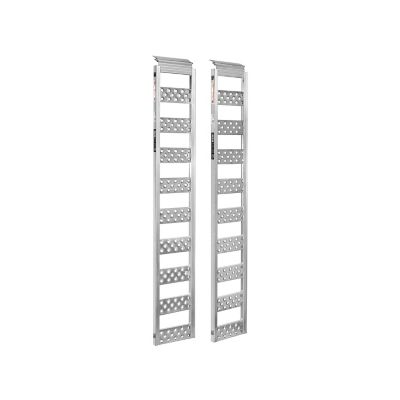
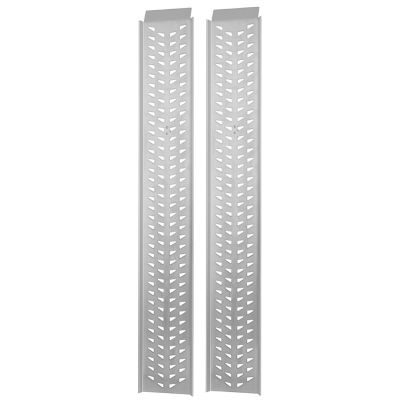
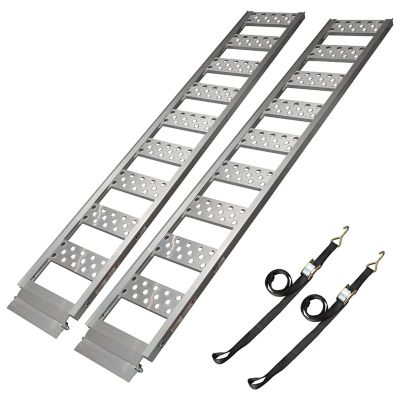
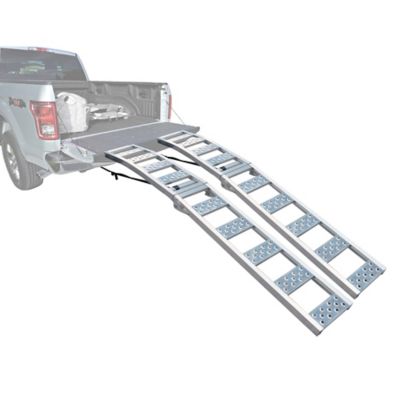
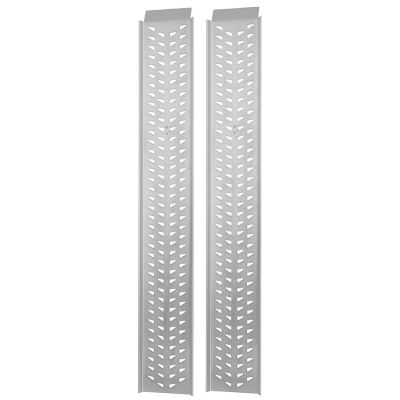
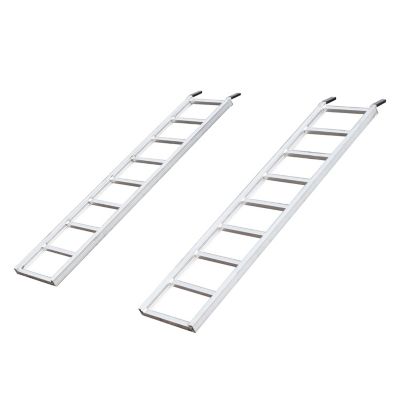
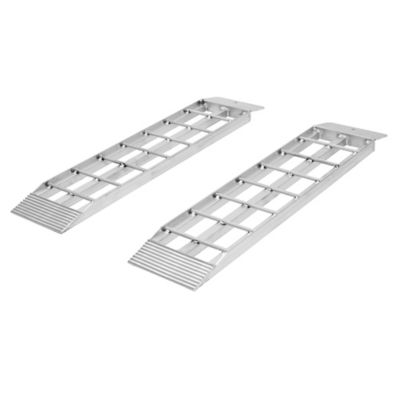
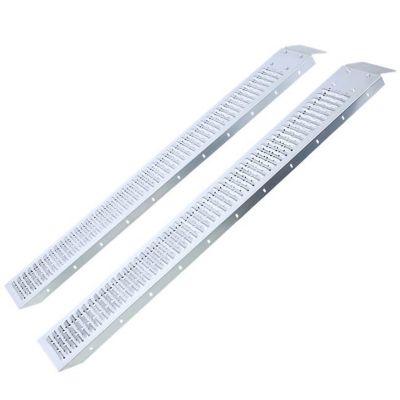
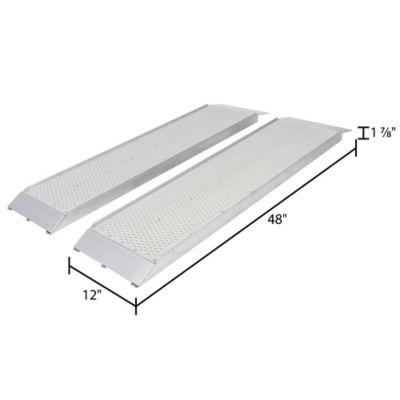
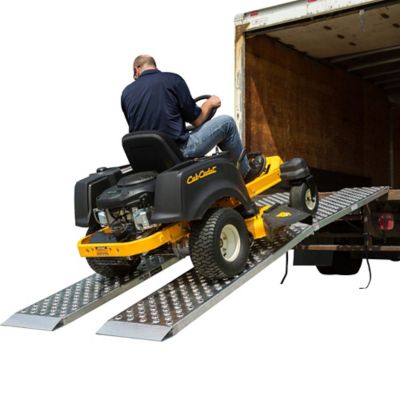
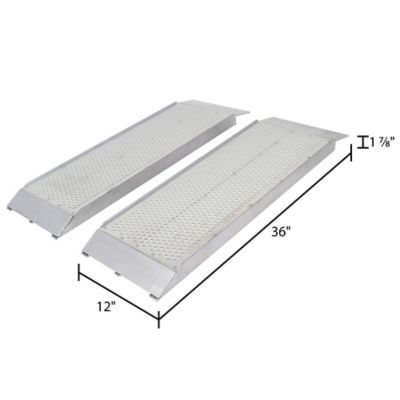
Getting a mower from the shed to a trailer takes more than enough room between the fenders. Ramps for lawn equipment bridge the gap between ground level and a raised loading surface, giving wheeled machines a supported path for transport, service trips, and work away from home. They fit the needs of folks tending a few acres, crews hauling equipment between properties, and anyone who would rather roll a machine than try to lift it. The right fit starts with the equipment and the vehicle working together. A lawn tractor with large rear tires presents a different loading arrangement than a walk-behind mower with narrow wheels or a machine with small front casters. Tire width, wheel spacing, deck clearance, and the height of the truck bed or trailer all affect how a ramp fits the job. Longer ramps generally create a gentler slope at the same loading height, though the manufacturer’s maximum height and slope limits still govern the setup. That matters when a low mower deck approaches the top edge, where a sharp transition can leave it hung up instead of rolling through. Ramp width also needs to support the tire throughout the loading path, not just at the starting point. Capacity deserves the same close attention: the machine’s operating weight includes fuel and any attached equipment, and a rating may apply to one ramp or to a properly positioned pair. Catchers, baggers, and other attachments can change both the total weight and where that weight sits. A capacity number alone does not establish whether riding a mower onto a vehicle is permitted; the equipment and ramp manufacturers’ instructions determine the loading method. For a property owner making an occasional service run, ease of handling may carry plenty of weight in the decision. For a lawn care crew loading several times a day, fit, manageable setup, and storage space become part of the everyday routine.
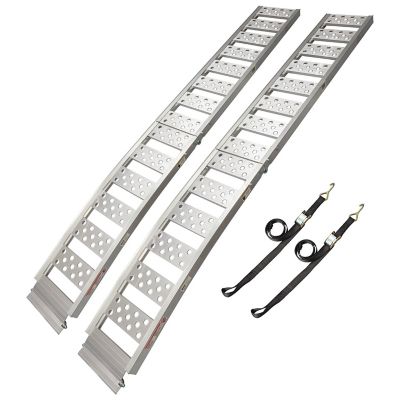
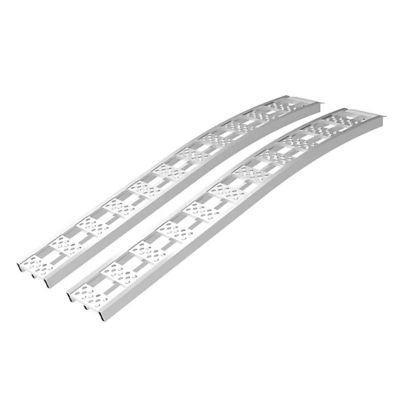
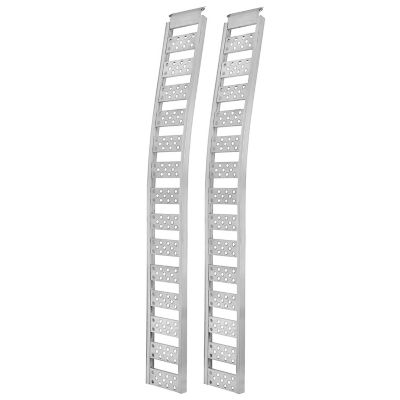
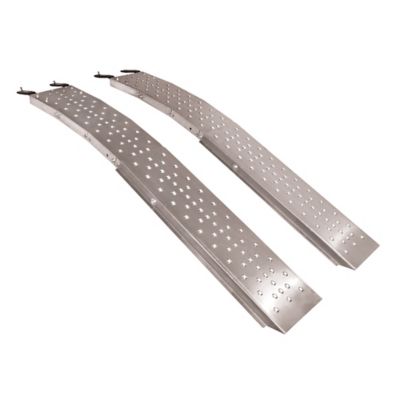
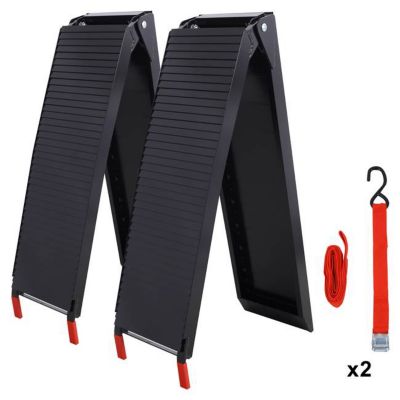
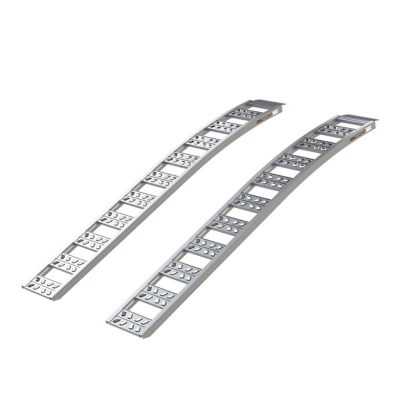
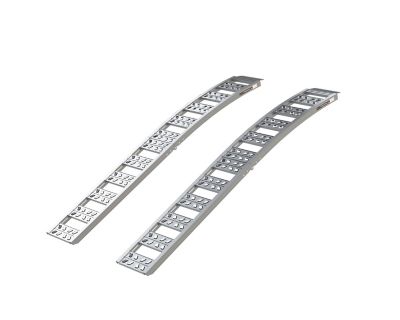
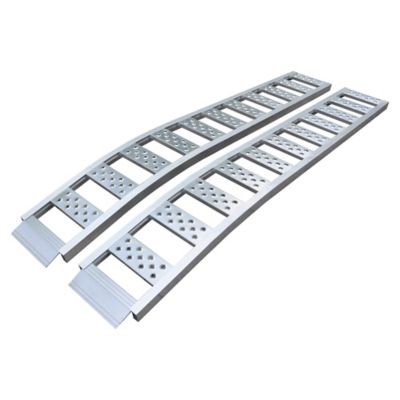
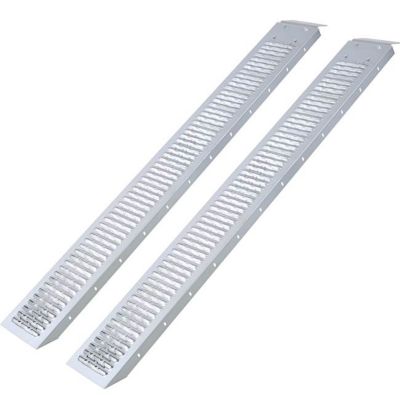
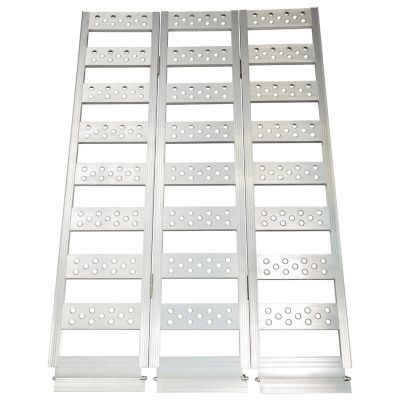
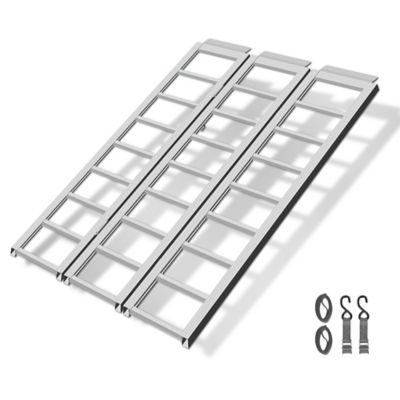
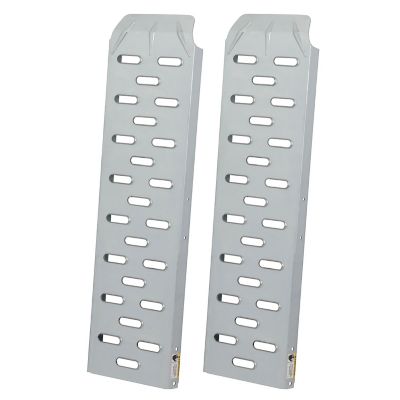
Materials and construction shape how lawn equipment ramps handle those routines. Aluminum keeps carrying weight down and resists rust, which can make a difference when ramps travel between a storage rack, a pickup, and a trailer. Steel construction brings its own balance of weight and strength, with protective finishes helping shield the metal from corrosion. Neither material replaces a clearly stated load rating, and the condition of welds, hinges, support members, and contact points matters throughout the ramp’s service life. Loading surfaces vary, too. Raised tread, punched openings, and cross-rung designs provide different tire contact patterns, while the size and spacing of openings matter for narrow wheels and small casters. A surface that suits a large tractor tire may not provide the same support for a smaller wheel. Straight ramps offer a direct loading path, while arched designs can provide additional clearance around the transition onto the loading surface, depending on the equipment and setup. Separate ramps allow spacing to match a machine’s wheel track within the manufacturer’s requirements; connected folding designs keep their sections together and provide a different storage footprint. Neither arrangement fits every mower or every hauling vehicle. Machines with broad rear tires, low decks, and front casters bring another set of fit considerations, making
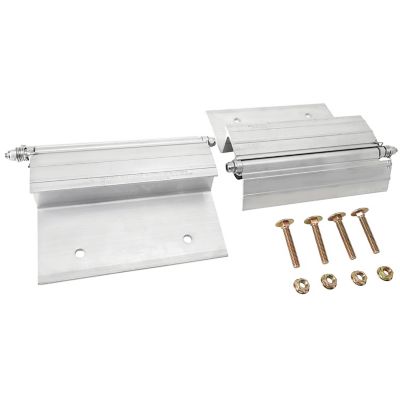
Ramps for Zero Turn Mowers a relevant category for that equipment. Wheelbase, caster position, and deck overhang all matter alongside overall width. Folding sections can make a long loading surface easier to tuck alongside other gear, but folded dimensions still need to suit the truck bed, trailer box, or shed space. Carrying weight matters just as much as folded size when one person handles the ramps. Handles and hinges affect that daily handling, and hinge areas need room for fingers to stay clear. A ramp that fits the mower but crowds out tie-downs, blocks a toolbox, or takes two people to move may be a poor match for the way the hauling setup actually works.
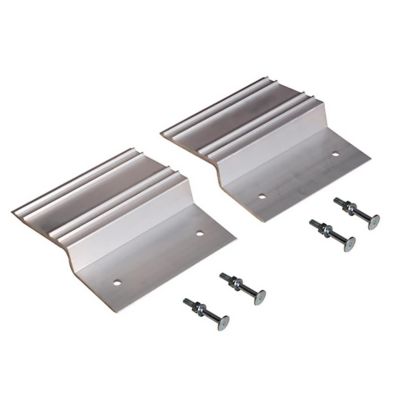
A good ramp arrangement also accounts for what supports it at both ends. Firm, level ground gives the lower ends a stable footing, while the upper ends need full engagement with a loading edge that can support the job. A pickup tailgate, trailer edge, and purpose-built loading deck do not necessarily carry the same load limits or accept the same attachment method. The ramp manufacturer’s specified securing method helps keep the loading path from shifting or pulling away as the machine’s weight moves across it. Loading ramps and transport tie-downs serve separate purposes: the ramps provide access, while properly rated restraints hold the mower for travel. There is practical value in keeping that distinction clear, especially when a mower is headed down a gravel lane or across town for repairs. The loading area needs clear space as well, without bystanders near the ramp path or loose tools where tires will travel. Grass clippings, soil, oil, and spilled fuel can interfere with tire contact, so clean loading surfaces are part of sensible equipment care. After a muddy trip, removing packed debris makes the tread, joints, and support structure easier to inspect. Cleaning methods should suit the ramp material and finish, with attention to hinge areas and any manufacturer-specified lubrication points. Cracks, bent sections, loose hardware, damaged attachment straps, and worn contact surfaces call for attention before another load; an improvised patch does not restore a stated load rating. Storage matters between trips, too. Supported placement away from standing water, vehicle traffic, and falling tools helps protect ramps from needless damage, while secure storage in transit keeps them from sliding into the mower or other gear. For the acreage owner hauling a lawn tractor to the shop or the crew moving equipment from one property to the next, those details add up to ramps that suit the machine, the hauling vehicle, and the hands doing the work.