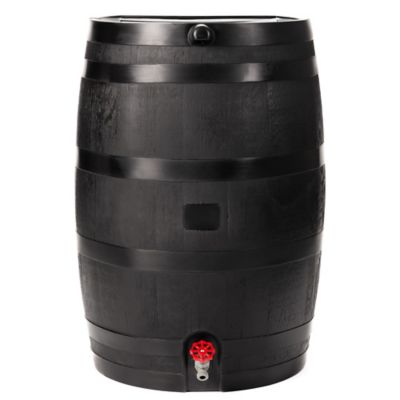
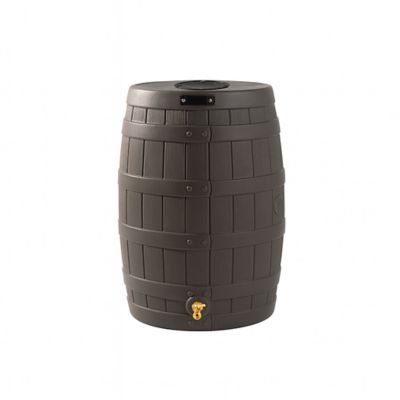
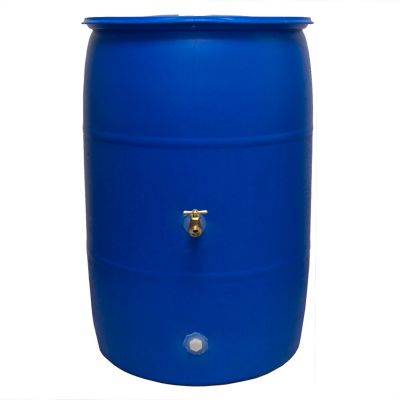
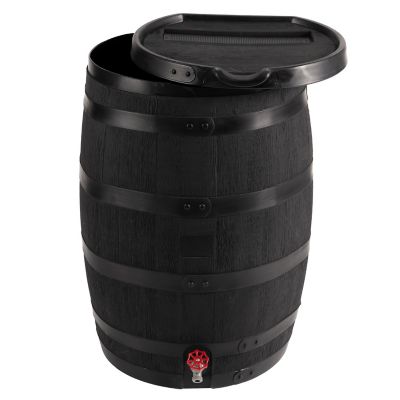
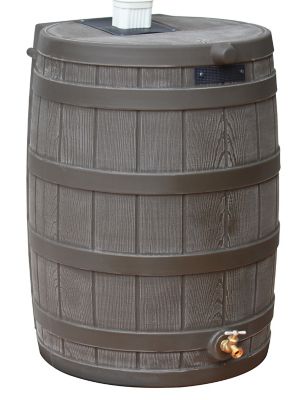
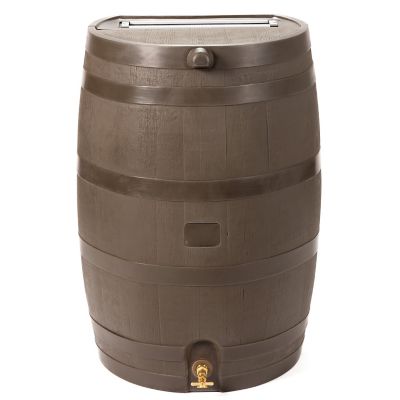
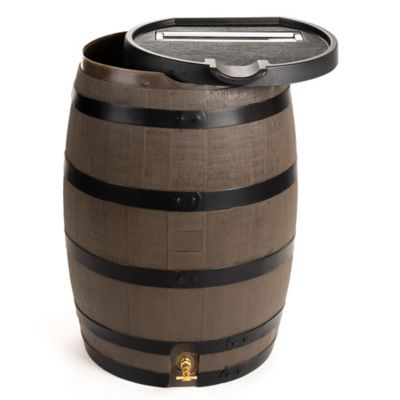
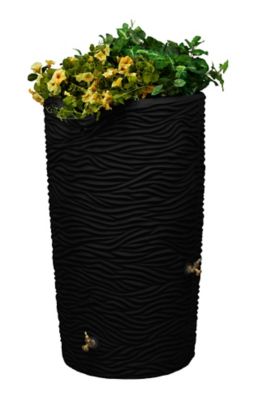
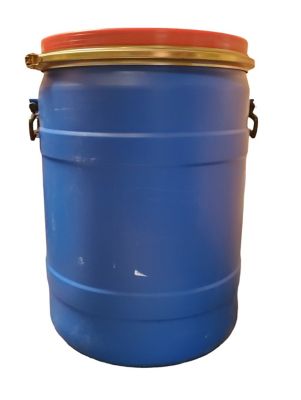
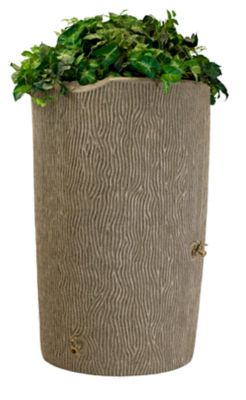
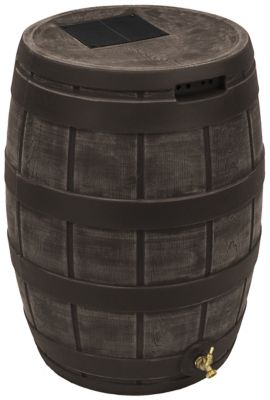
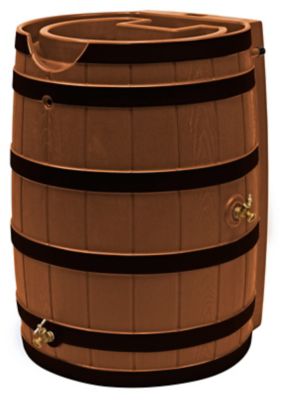
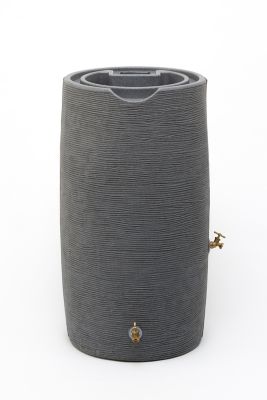
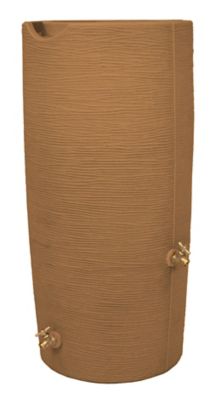
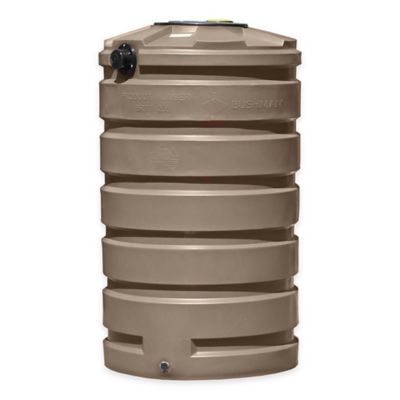
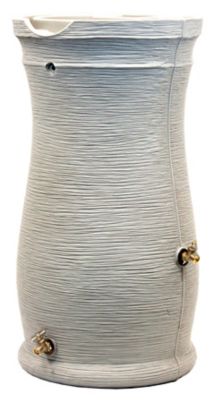
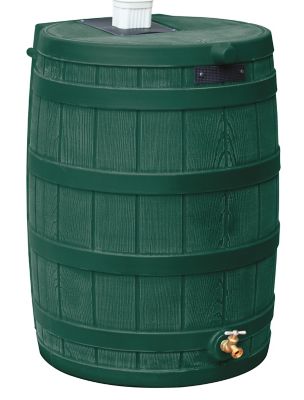
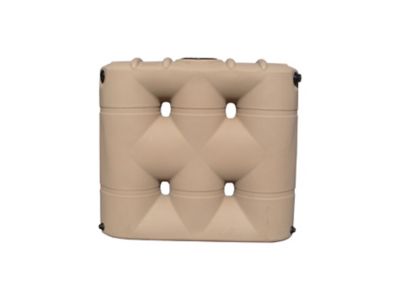
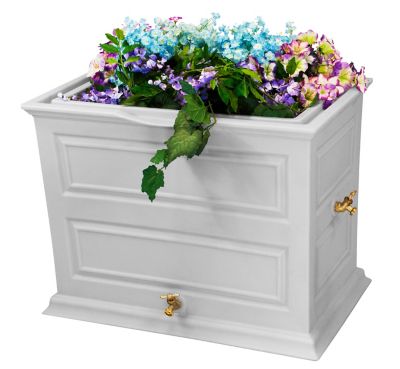
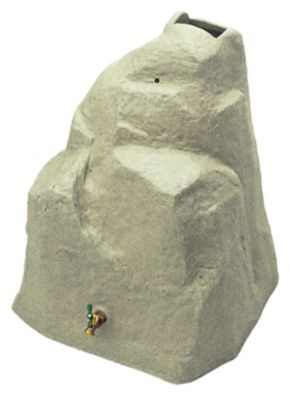
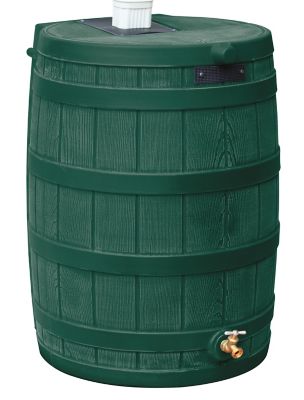
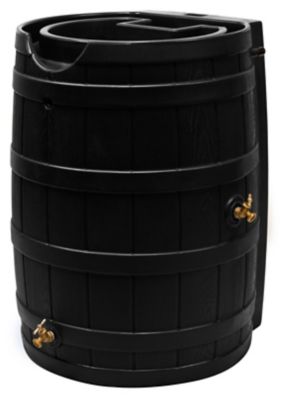
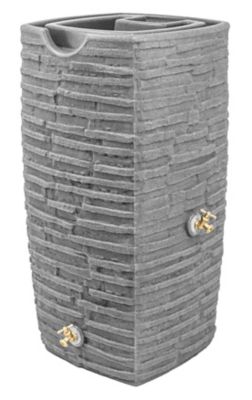
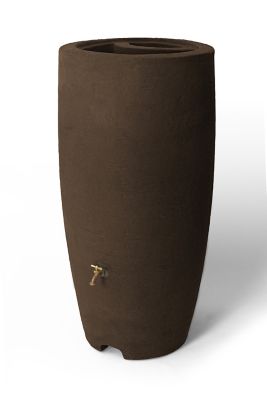
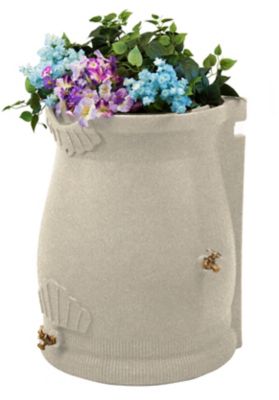
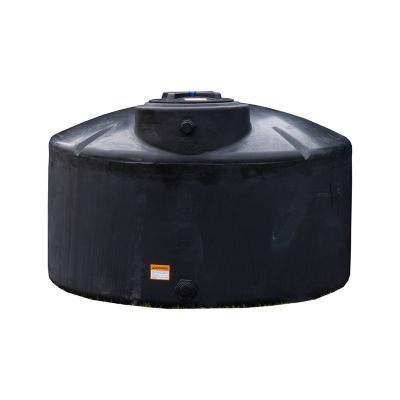
Rainwater collection barrels give homeowners, gardeners and small-acreage folks a simple way to catch roof runoff and put it to work around the property. Connected to a gutter or downspout, a barrel stores water that would otherwise run across the yard, wash soil away or collect around the foundation. That stored supply can be handy for watering flower beds, vegetable gardens, shrubs, trees, hanging baskets and container plants, especially during stretches of warm, dry weather when every trip to the outdoor spigot adds up. Many standard rain barrels hold about 50 to 65 gallons, though the right size depends on your roof area, rainfall patterns, available space and how much water your garden uses. A small setup beside a shed may be enough for a few planters, while a larger garden or property may benefit from more than one barrel placed at separate downspouts. When space is tight, a
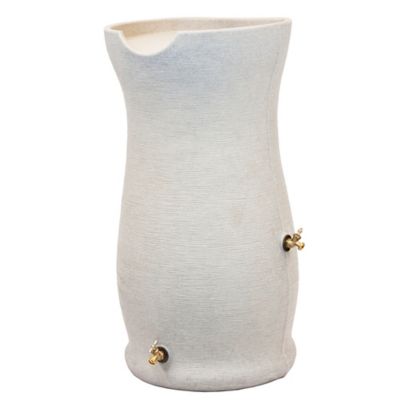
Flat Back Rain Barrels option can fit neatly against a wall or other sturdy surface. As you compare rainwater collection barrels, look for a stable design, a covered opening or mesh screen to help keep leaves and mosquitoes out, and a spigot positioned where you can easily fill a watering can or connect a hose. A built-in planter can add a little color around the top, while a wood-grain, stone-look or other decorative finish can help the barrel blend in near a porch, garden fence or flower bed. The best choice is one that holds enough water for your routine without taking up more room than you can spare.
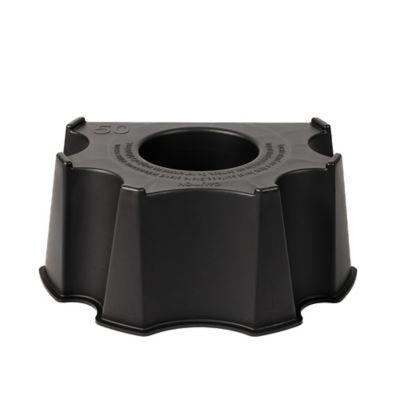
Placement and setup make a real difference in how well a rain barrel works. Set it on flat, firm ground close to a downspout, and consider a sturdy raised base made for the barrel or a properly supported platform of blocks or bricks. Elevating the barrel gives gravity-fed water a little more pressure and leaves room beneath the spigot for a bucket or watering can, but the base must be level and strong enough to support the weight of a full container. Water weighs more than many people expect, so a 50-gallon barrel can put several hundred pounds on the ground when filled. Follow the barrel and diverter instructions when connecting it to the downspout, and make sure the lid, screen and fittings sit securely. An overflow outlet or hose should direct extra water away from the house, foundation, basement window wells and areas that stay soggy. It can be routed toward a garden bed, rain garden or another well-drained spot, provided runoff will not travel onto a neighbor’s property or create an icy walkway during cooler weather. Keep the collection surface in mind, too. Water from a typical roof can carry dust, pollen, leaves and bird droppings, so use collected rainwater for ornamental plants, lawns and trees rather than drinking, cooking or filling livestock and pet water dishes. Avoid using it on edible crops when local guidance or the barrel manufacturer advises against it, and check local rules before installing a system, since requirements for rainwater collection, plumbing connections and mosquito control can vary. A first-flush diverter may help send the earliest, dirtiest roof runoff away from the barrel, particularly after a long dry spell. Empty screens and rinse the barrel as needed, keep the lid secured, and inspect the spigot and overflow connection for drips or clogs.
These barrels are useful for more than a backyard vegetable patch. A gardener can keep one near raised beds to make hand-watering easier, while a homeowner with sandy soil may use collected water to give newly planted shrubs a steadier start. They can also help reduce demand on treated tap water for outdoor chores such as rinsing garden tools, dampening compost or watering nonedible landscaping, where permitted. During late summer, stored water can be especially welcome for plants that wilt between trips to the hose, and during the cooler months, a barrel can continue catching rain for fall plantings and established trees. Before freezing weather settles in, drain the barrel and follow the manufacturer’s directions for winter storage; trapped ice can damage fittings or split the container. Rain barrels can make thoughtful gifts for new homeowners, community gardeners, anyone building a pollinator-friendly yard or a neighbor who enjoys practical projects with a lighter touch on household water use. They are also a useful addition to a garden shed or homestead setup where carrying watering cans from the house is part of the daily routine. When choosing one as a gift, consider the recipient’s downspout location, available footprint and preferred look, along with whether they will need a diverter, overflow hose, stand or connecting hardware. A well-placed barrel may not replace all outdoor watering, but it can turn a passing shower into a reserve that is ready when the soil dries, the basil droops or a newly planted tree needs a drink.