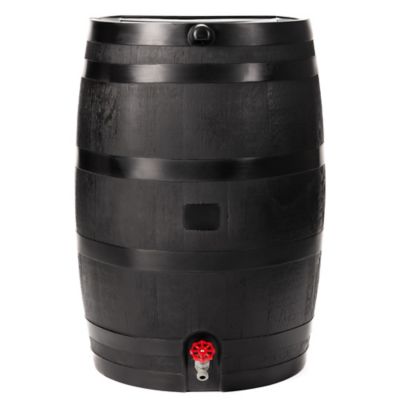
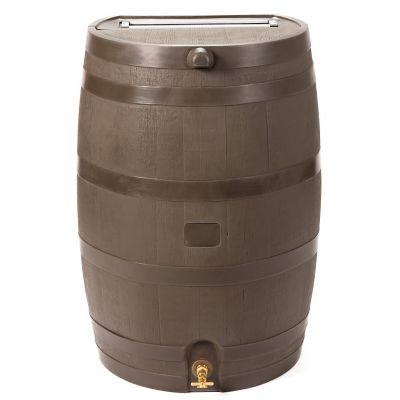
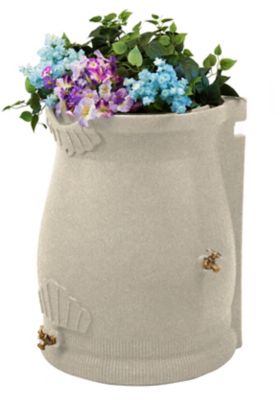
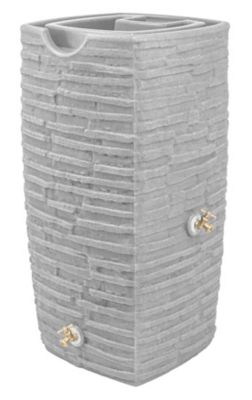
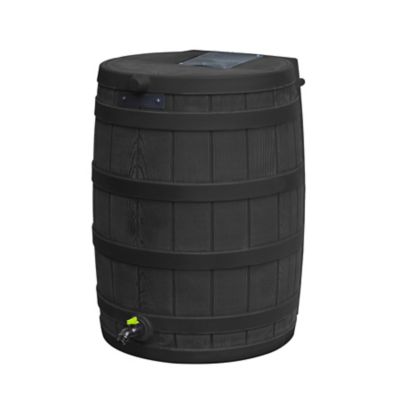
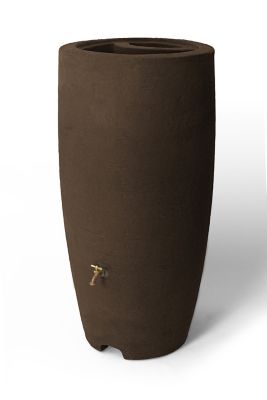
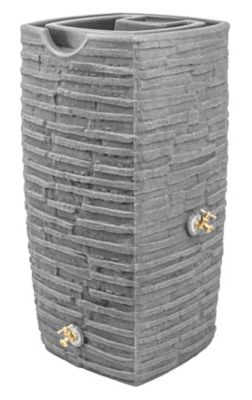
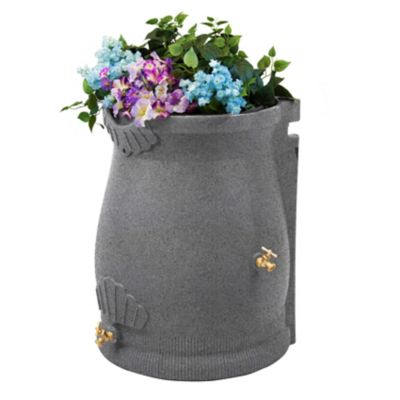
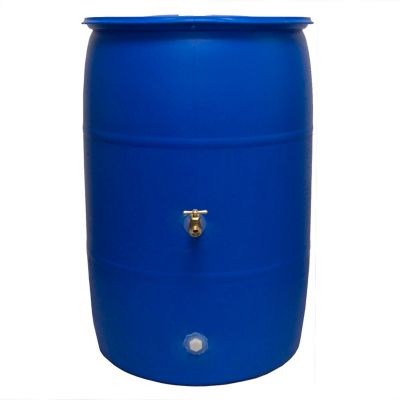
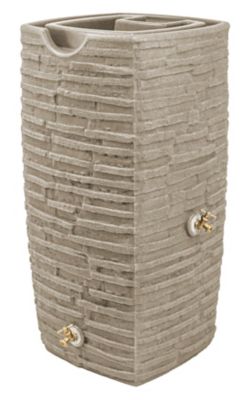
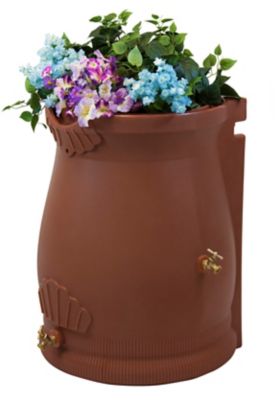
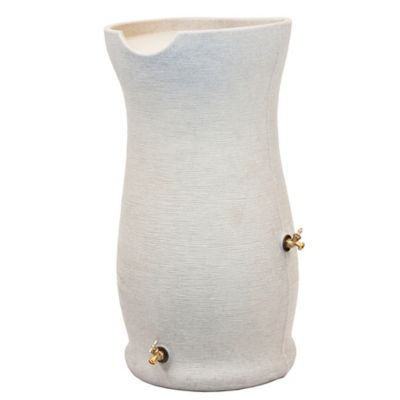
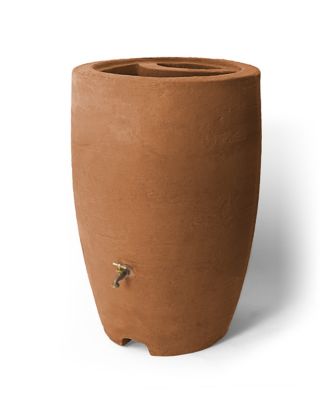
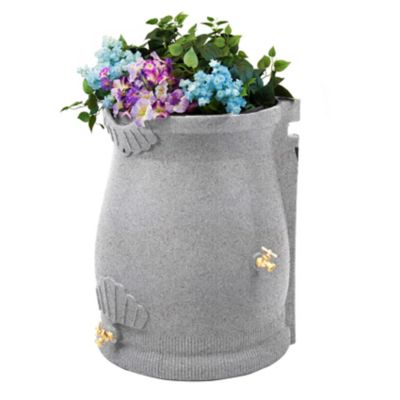
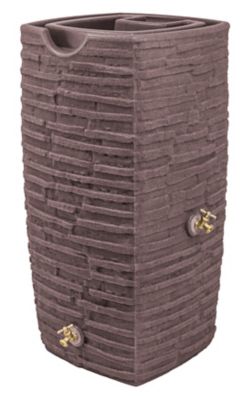
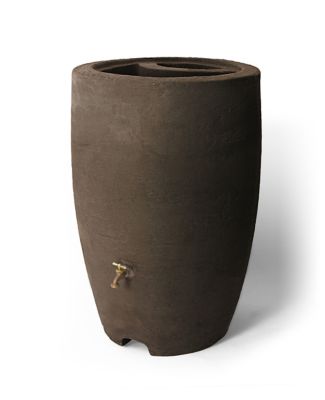
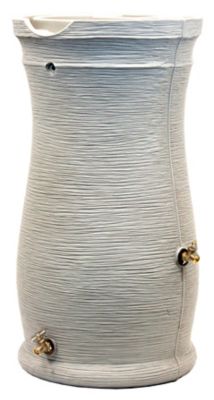
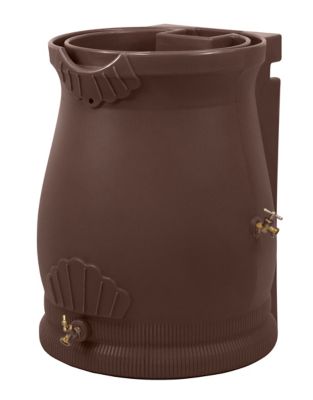
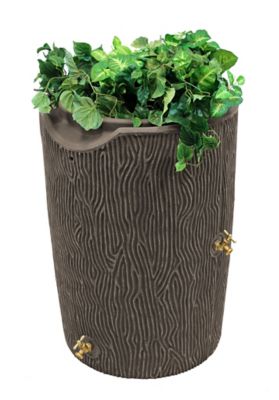
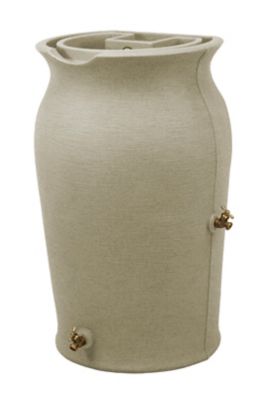
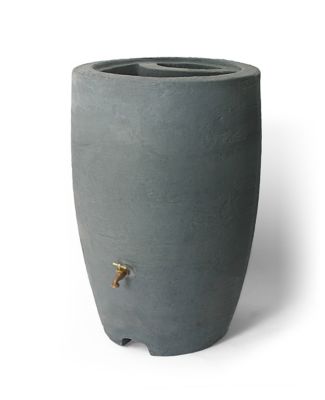
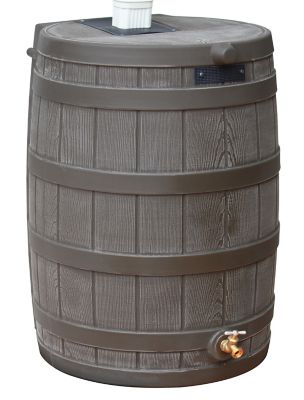
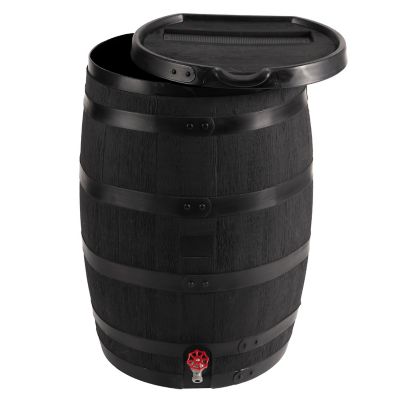
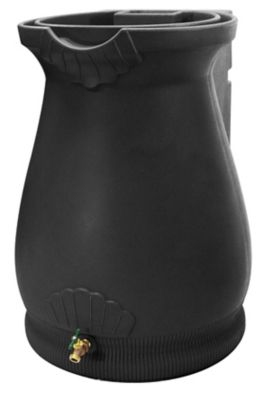
Modern rain barrels collect runoff from roof gutters and hold it for outdoor watering, pairing a practical water supply with clean shapes and finishes that look at home beside a house, shed, or garage. Instead of a plain utility drum, these rainwater collection barrels may have a stone-look surface, wood-grain texture, clay-inspired finish, or smooth geometric profile. Their appeal is straightforward: catching some of the water coming off a roof while keeping the setup neat enough for a patio, walkway, or front garden. The finish tells only part of the story, though. A barrel that looks like stone may actually be molded resin, so the construction details matter more than the appearance alone. Polyethylene and other molded plastics can keep empty weight manageable and avoid the rust concerns that come with exposed metal. UV-stabilized materials are worth considering for a spot with regular sun exposure, while wall thickness, seam construction, and the strength of threaded fittings affect how well a barrel handles everyday outdoor work. Dark, opaque walls help limit the sunlight reaching stored water, which can discourage algae growth without eliminating the need for cleaning. Some designs include a planter basin on top, giving flowers or greenery a place above the reservoir. That basin should have its own drainage path so potting soil and plant roots stay separate from collected water. Other designs keep the top simple, with a screened inlet and a fitted cover. Both approaches can suit a modern outdoor space; the better match depends on whether the barrel belongs beside a seating area or near a working garden path. For homeowners, gardeners, and folks tending a small acreage, the most useful design brings the right balance of appearance, accessible fittings, and enough capacity for the watering jobs close by.
Fit and water flow deserve just as much attention as the finish. A tall, narrow rain barrel can tuck into a smaller footprint, while a wider reservoir needs more ground space and room around its base. For locations along a wall,
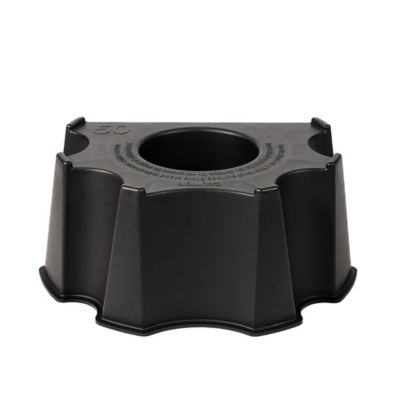
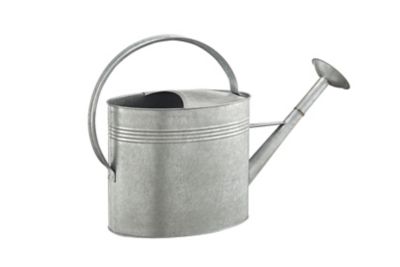
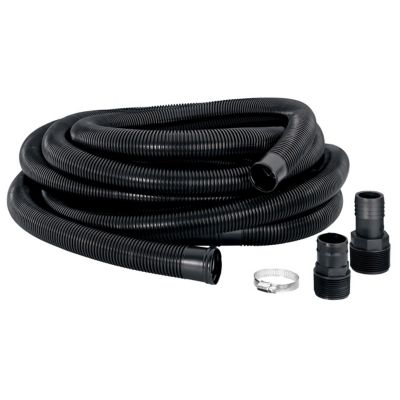
Flat Back Rain Barrels have a shape that can sit closer to siding than a fully round barrel, though clearance still matters for the downspout connection, lid, and fittings. Measurements should account for more than the barrel itself: a watering can needs room beneath the spigot, a hose needs space to bend without kinking, and the top should remain reachable for screen cleaning. A full 50-gallon barrel holds more than 400 pounds of water before counting the container, making a firm, level base essential. Any stand or platform needs to support that full load without settling or tipping. An elevated position can make filling a watering can easier and provide a little more gravity-fed flow, but it will not create the pressure of a household faucet. Standard lawn sprinklers and some irrigation equipment need more pressure than a barrel alone can supply. A lower outlet helps draw water from near the bottom, while a higher spigot may leave room for a bucket or watering can. Designs with two outlets can offer flexibility, provided each connection has a clear purpose and stays accessible. Inlet screens help catch leaves and other debris, and fine screening over openings helps keep mosquitoes out. A secure lid adds another important barrier against insects, animals, and accidental access. Overflow management matters because a barrel can fill long before a downpour ends. An overflow hose or suitable downspout diverter should route excess water away from the foundation and toward an appropriate drainage area, not onto a walkway or a neighbor’s property. Where compatible connections allow multiple barrels, each reservoir still needs stable support and a planned overflow path.
Rain barrel water is best treated as untreated roof runoff, not drinking water, even when the reservoir material is described as food safe. Roofing, gutters, bird droppings, and airborne debris can all affect what reaches the barrel, so collected water should stay out of drinking bowls, livestock waterers, and household plumbing. Flowers, shrubs, and other nonedible landscape plants are straightforward uses; food gardens call for extra care and guidance from a local extension office about roofing materials, irrigation methods, and avoiding contact with edible plant parts. A barrel near a flowerbed can spare repeated trips to a distant faucet, while one beside a potting area puts water within reach of containers and newly planted shrubs. Matching capacity to those nearby jobs often makes more sense than choosing the largest reservoir that fits. Local rainfall, roof area, and the amount of watering between storms all influence how much stored water will be useful. Easy care helps keep the setup practical over time. Removable screens, reachable lids, and accessible drain fittings make it simpler to clear out leaves, rinse settled sediment, and inspect connections. Cracked washers, loose fittings, and clogged screens deserve attention before a small leak turns the base into a muddy patch. Planter tops also need separate care so roots and soil do not block drainage. Where freezing conditions occur, water left in the barrel or fittings can expand and cause damage; manufacturer directions should spell out draining, disconnecting, and storage needs. Local rainwater collection rules and property requirements are worth checking before installation, especially where an overflow line changes an existing drainage path. With the right footprint, sound support, screened openings, and a manageable cleaning routine, a modern rain barrel can earn its place alongside the garden tools while keeping a useful supply of rainwater close to the plants that need it.