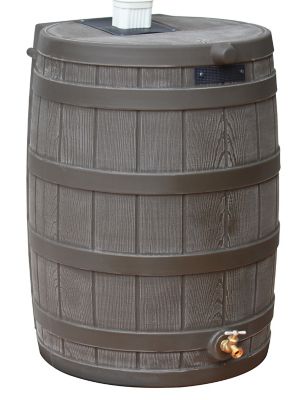
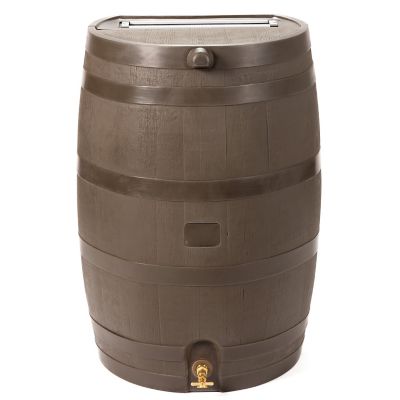
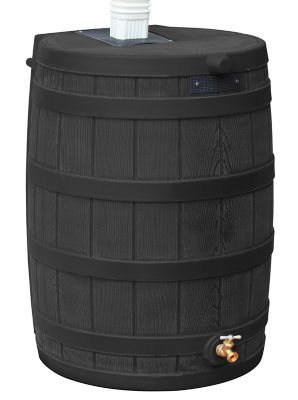
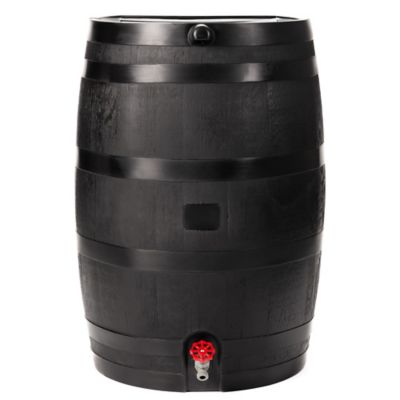
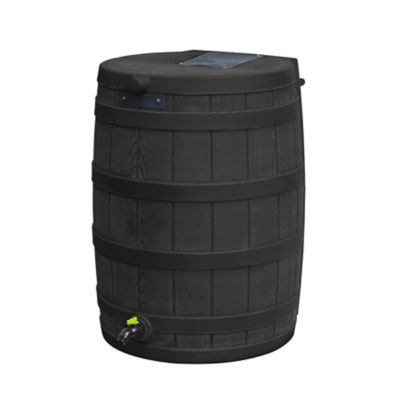
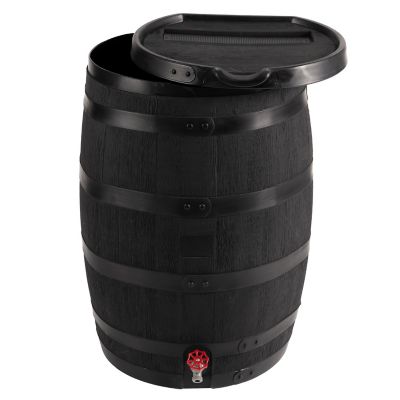
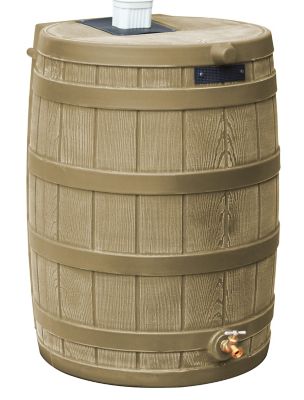
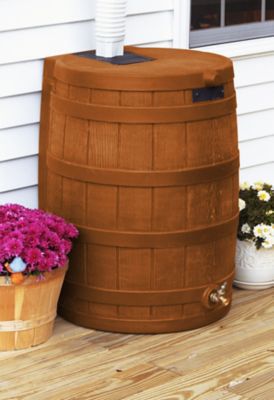
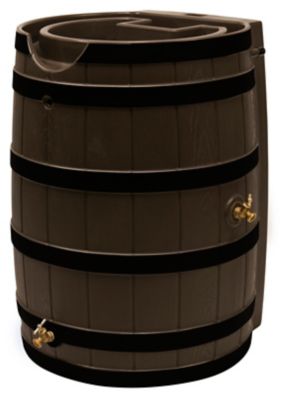
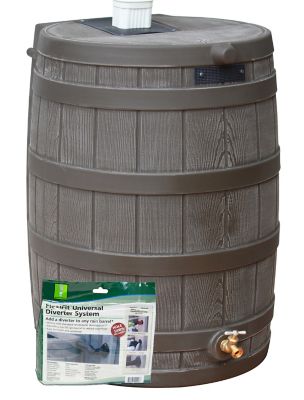
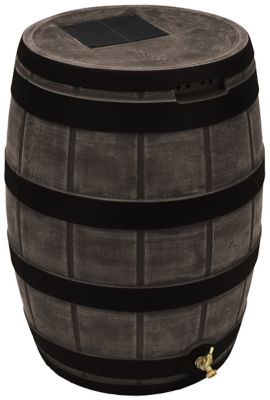
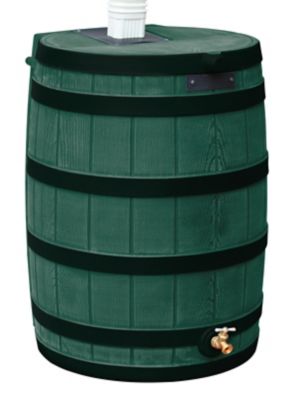
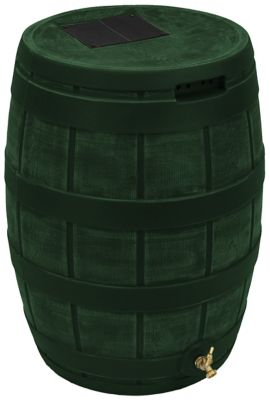
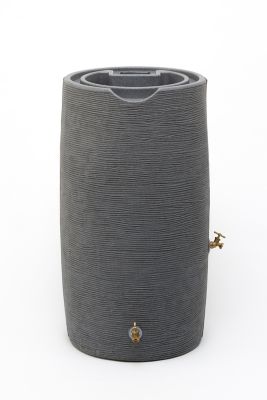
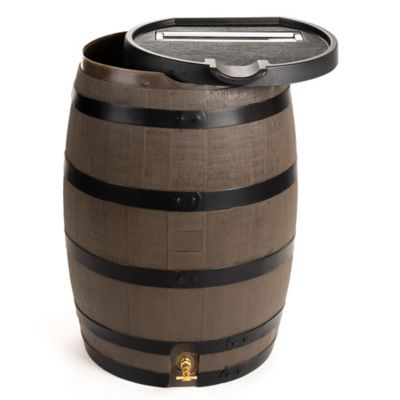
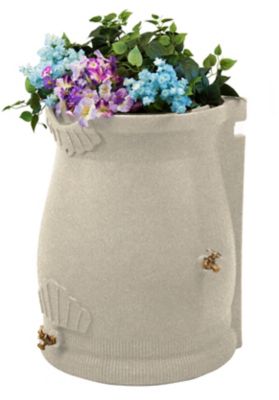
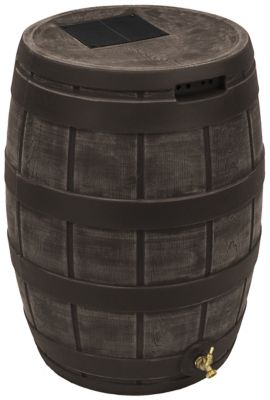
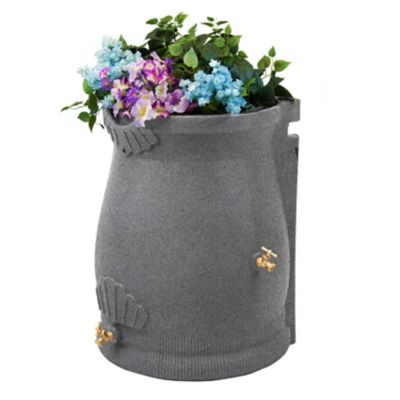
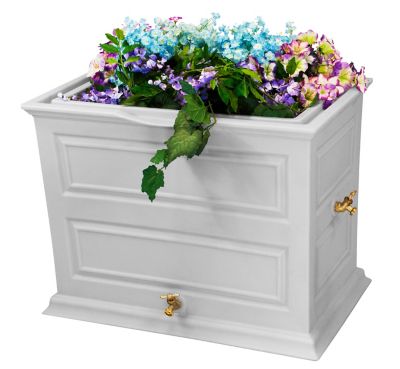
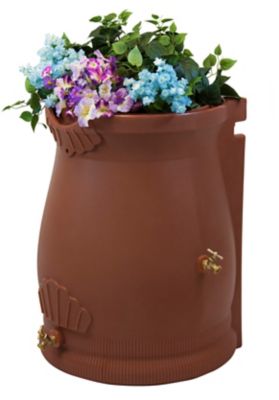
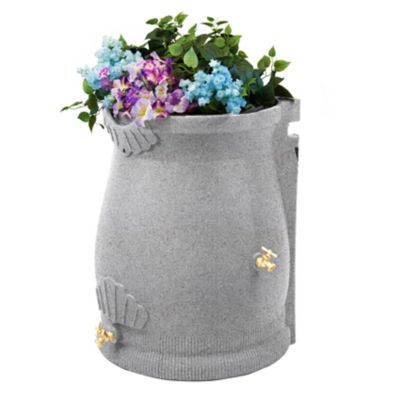
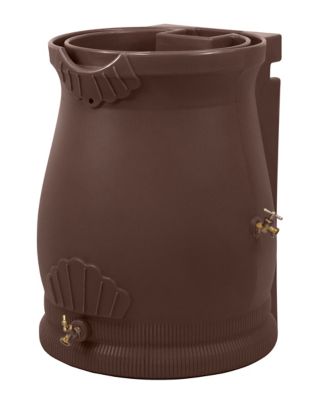
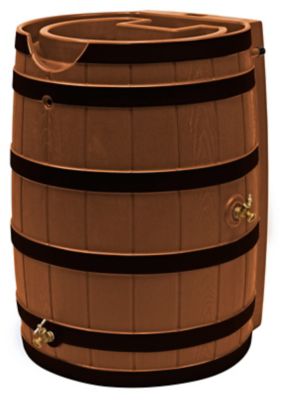
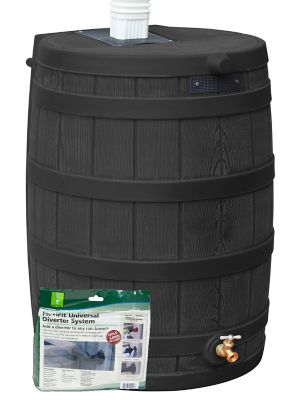
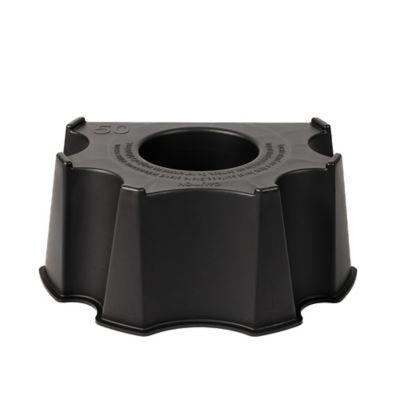
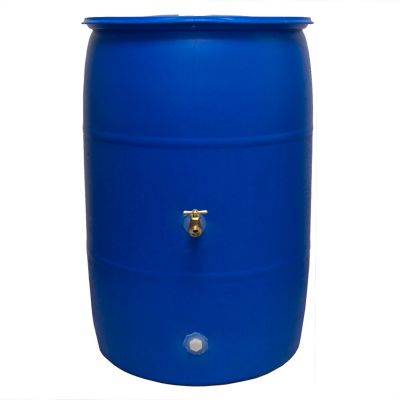
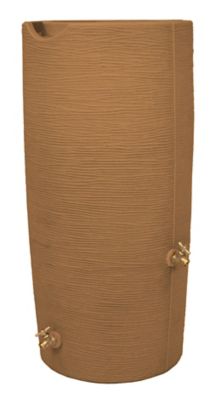
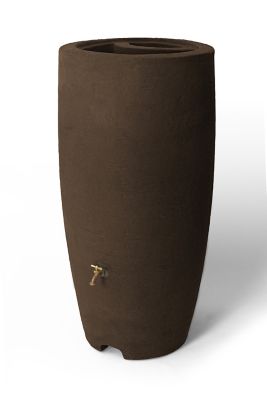
Flat back rain barrels make it easier to collect rainwater when yard space is limited. The flattened rear side is designed to sit snugly against a home exterior, shed, garage, fence, or other sturdy surface, leaving more room in narrow side yards and along tight walkways. Many standard models hold about 50 to 55 gallons, giving homeowners a handy supply of water for flower beds, vegetable gardens, shrubs, trees, hanging baskets, and container plants. Instead of letting rainwater run straight off the roof and across the ground, a rain barrel catches part of that flow for later use. That can help reduce runoff near the foundation, cut down on the amount of treated water used outdoors, and keep a watering can or garden hose close at hand. Flat back designs are especially useful beside homes with limited clearance, where a round barrel may stick too far into a walkway or mowing path. Before choosing one, measure the available space from the wall outward, and also check the height and width around the downspout. Leave enough room to open the lid, reach the spigot, connect a hose, and direct overflow away from the foundation. A level, solid base is important; a full barrel is very heavy, so set it on a firm platform made for the job rather than on soft soil that may settle.
Material and construction can make a difference in how a rain barrel holds up through changing weather. Many flat back rain barrels are made from UV-stabilized polyethylene or resin, which helps them resist fading, cracking, and rotting when they spend long stretches outdoors. Textured finishes that resemble wood or decorative pottery can blend nicely with a garden, porch, or fence line while providing the practical benefits of a water collection system. Look for a covered top with a mesh screen or similar barrier to help keep leaves, twigs, insects, and other debris out of the stored water. A removable lid can make seasonal cleaning easier, particularly after falling leaves collect around the downspout. Spigots may be plastic or brass and can be used with a watering can, short hose, or soaker hose when the barrel is raised high enough for convenient access. Overflow ports are another important feature. During a strong storm, the barrel may fill quickly, so an overflow outlet or diverter should send excess water away from the house, foundation, basement, and low spots in the yard. Some designs include more than one overflow connection, while others can be linked to another rain barrel to increase total collection capacity. Those planning a larger garden or a property with several downspouts may also want to compare
65 Gallon Rain Barrels for additional storage. Check the barrel opening and connection style before buying a diverter kit, connector, or hose, since fittings are not always interchangeable.
A flat back rain barrel can be a useful addition for gardeners, homesteaders, new homeowners, renters with outdoor space, and anyone trying to make better use of rainfall around the property. It is also a thoughtful gift for a gardener who enjoys practical tools, a family starting a backyard growing project, or a friend fixing up a small side yard where every inch matters. Stored rainwater is generally best used for outdoor, non-drinking purposes such as watering ornamental plants, lawns, trees, and gardens; follow local rules and any directions included with the barrel, especially when using collected water around edible crops. Keep the lid secured, maintain the screen, and avoid allowing standing water to remain accessible to children or pets. Before cooler weather settles in, inspect the spigot, diverter, and overflow path, clear leaves from the screen, and clean out sediment if needed. In areas where freezing temperatures are common, water may need to be drained and the barrel disconnected or protected according to the manufacturer’s instructions, since expanding ice can damage fittings or the barrel itself. Once warmer weather returns, reconnect the system, make sure the base is still stable, and check for leaks before the next stretch of rain. With the right placement and a little routine care, a flat back rain barrel can quietly collect water beside the house, reduce muddy runoff, and make everyday garden watering a bit easier through the growing season.