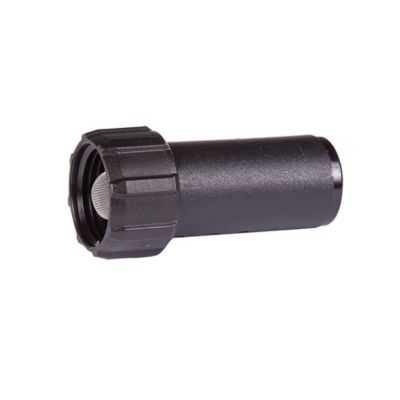
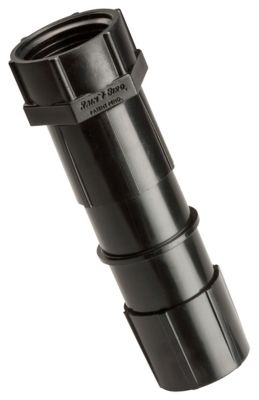
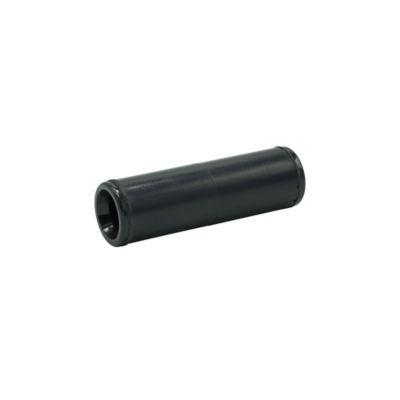
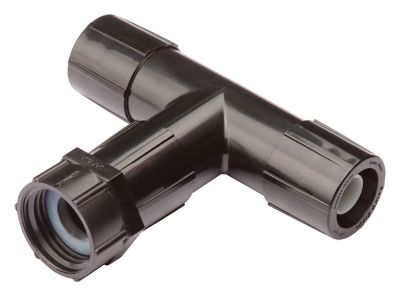
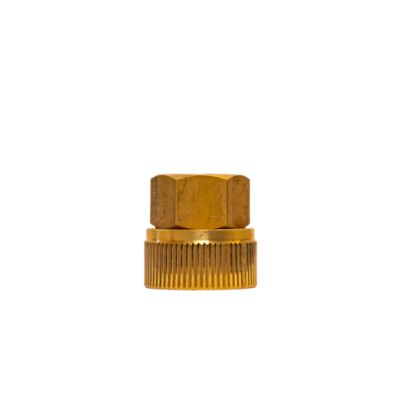
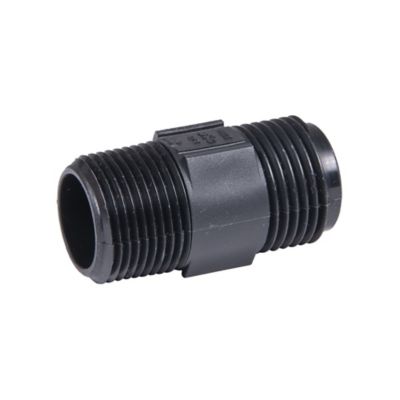
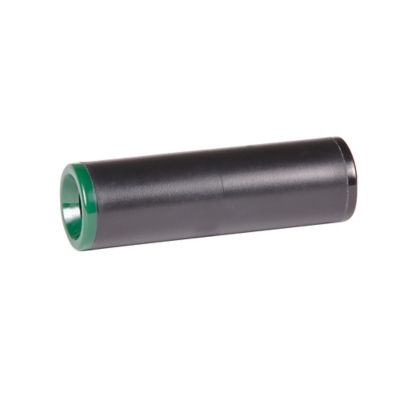
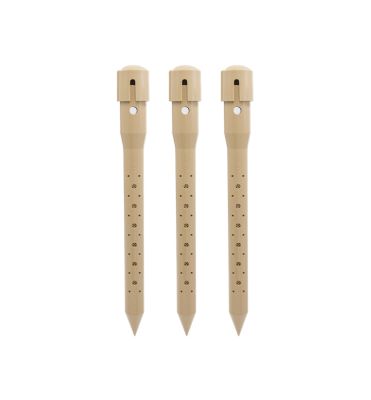
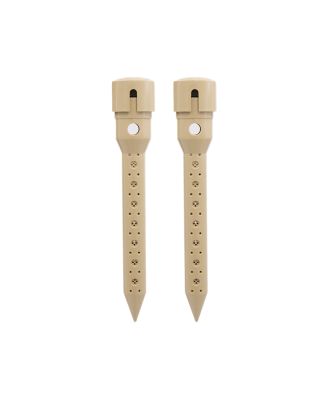
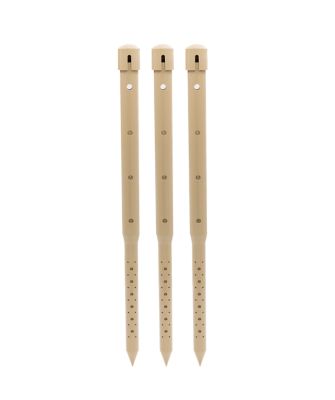
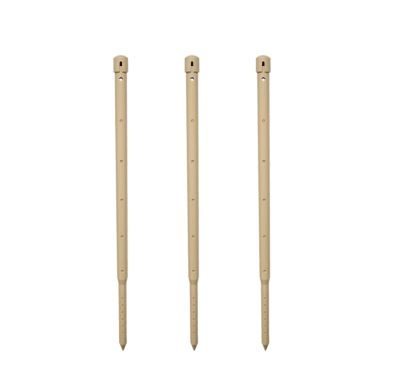
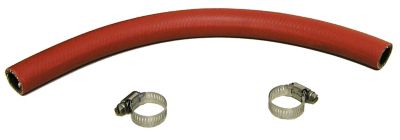
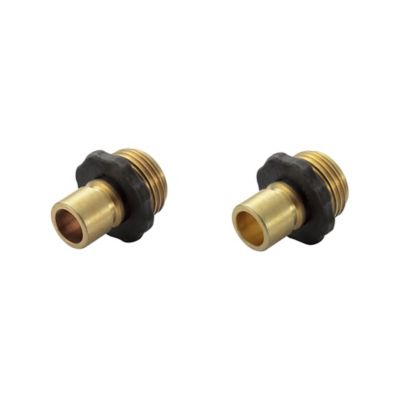
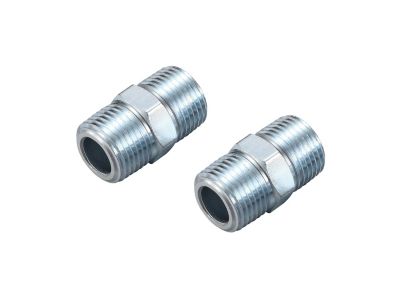
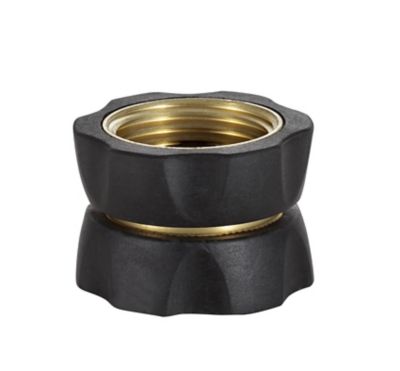
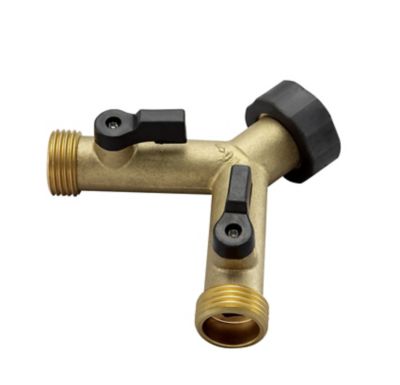
Drip irrigation hose connectors join watering lines, split flow between planting areas and close off tubing ends so water travels where it belongs. These small fittings connect the pieces of a drip system, from the supply line along a vegetable patch to the narrow tubing feeding individual containers. Straight couplings join two compatible tubing sections in line, making them a practical choice for extending a run or replacing a damaged section. Tees create a three-way junction for branching toward another row, while elbows turn a line around a raised-bed corner without forcing the tubing into a tight bend. End caps and plugs close open line ends; removable closures also provide access for flushing. Reducing connectors join different tubing sizes, and adapters connect tubing to another connection style, such as a threaded water supply fitting. Each shape serves a different purpose, but the goal stays the same: a snug connection that supports steady delivery without unnecessary leaks or awkward routing. For a backyard grower, that might mean carrying water past a row of tomatoes and branching toward peppers in the next bed. Around a small acreage garden, it might mean keeping a main supply line beside the walking path while smaller feeder lines reach the plants. Container gardeners, greenhouse growers and folks tending landscape beds also have reasons to match connectors to their watering layouts. A straight run may need only a few couplings and end closures, while beds arranged around gates, posts or walkways call for more branching and turns. Connector selection is about matching those connection points rather than adding fittings everywhere. Unnecessary joints add places to check for leaks, while a well-placed tee or elbow can keep tubing out of a footpath and relieve strain at a corner. The right layout leaves room to tend plants, move a wheelbarrow and reach a line end without pulling the whole watering network out of place.
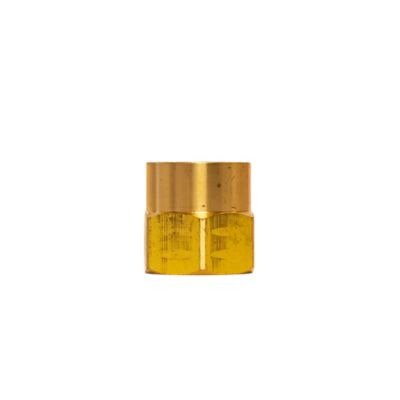
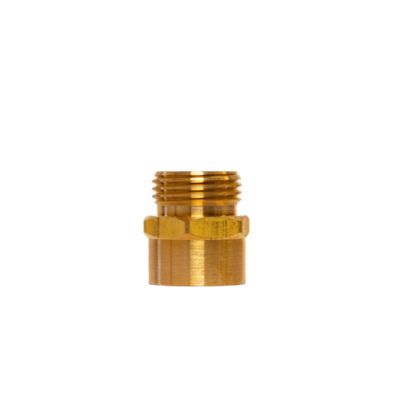
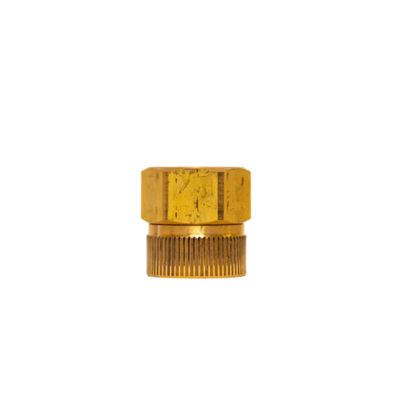
Fit matters more than a size label alone when choosing drip irrigation fittings. Common tubing labels include 1/4 inch and 1/2 inch, but nominal sizes do not always describe the same inside or outside diameter across tubing families. Barbed fittings generally match the tubing’s inside diameter, while many compression and locking styles require a particular outside diameter or stated diameter range. Checking both the tubing measurements and the connector specifications helps prevent a connection that slips loose or cannot seat fully. Barbed connectors press inside compatible tubing, where raised ridges grip the tubing wall. Many small drip applications do not call for separate clamps, though the fitting design and operating requirements determine whether additional fastening is necessary. Compression fittings secure compatible tubing through a sleeve or compression mechanism, and locking designs may use a collar or gripping mechanism. Some permit disassembly and reconnection; others are better suited to a connection that stays in place. Drip tape also has its own fitting requirements and should not be treated as interchangeable with round drip tubing simply because the listed sizes look similar. At the water source, threaded adapters bridge the gap between supply equipment and irrigation tubing. Garden hose threads and pipe threads are different connection standards, even when their nominal sizes sound alike. Hose-thread connections typically seal against a washer, while pipe-thread connections depend on the thread design and any sealant specified for that fitting. For connections between garden hoses rather than between sections of drip tubing,
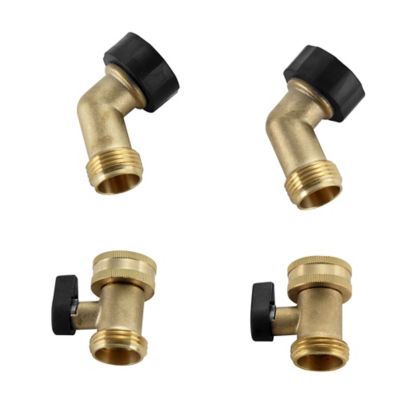
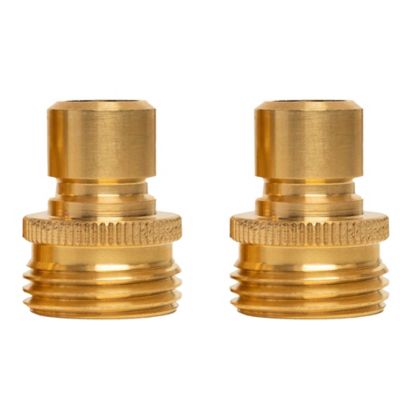
Hose To Hose Connectors address a different part of the watering setup. Materials matter here, too. Molded plastics, including polypropylene and acetal in some fitting designs, offer lightweight connections without metal corrosion. Brass appears in some threaded adapters and supply-side connections. Material specifications, resistance to sunlight exposure and compatibility with the water or irrigation additives passing through the system are useful comparison points. A fitting’s wall construction, gripping surfaces and stated operating limits tell more about its suitability than appearance alone.
A connector also needs to suit the way the watering system operates. Drip irrigation generally runs at lower pressure than an unrestricted household water supply, so a tight-fitting connector is not a substitute for proper pressure regulation. The tubing, fittings, emitters and other components each have operating limits, and the system needs to stay within the applicable ratings. Filtration helps keep sediment from reaching small emitter passages, while backflow protection helps protect the water source where required. Those supporting components matter whether the line feeds a handful of porch pots or several long garden rows. Connector diameter and the number of branches also affect the layout: a tee provides another route for water, but it does not increase the supply available to the plants. Long runs, elevation changes and added emitters can affect delivery, making compatible line sizing and sensible zoning worth considering alongside the fittings themselves. For everyday care, clean tubing ends and fully seated connections provide a better starting point than trying to seal around dirt or a ragged cut. Tubing under constant sideways tension can work against a connection, so enough slack around a corner or bed edge helps keep the joint from carrying the pull of the entire line. Connections near gates and work areas benefit from routing that keeps them clear of boots, mower wheels and garden carts. Periodic checks for seepage, loose collars, cracks and stretched tubing ends can catch small problems before a planting row misses its water. Flushable ends make it easier to clear debris, and loose fittings stay cleaner when stored in a closed container away from soil and grit. For repairs, matching the original tubing dimensions and connection style helps keep the replacement joint consistent with the rest of the line. Whether the job is joining a short feeder tube, adding a branch beside a livestock-panel trellis or closing the far end of a bed, well-matched drip irrigation hose connectors help keep a watering setup manageable and ready for routine work.