Radio sets cover several kinds of communication and listening gear, so the right choice starts with how the set will fit into daily life. Broadcast receivers are made for tuning into AM and FM stations, with some models also offering HD radio, local weather channels, Bluetooth streaming or other listening options. A tabletop radio can sit on a kitchen counter, shop bench or bedside table, while a portable model can move from the porch to the barn, camp shelter or tailgate. Look at the tuning method, display size, speaker sound, power options and station bands before making a choice. A large, easy-to-read display and simple controls can be especially helpful in a dim room or when hands are busy. Radios that run on batteries offer flexibility away from an outlet, while corded models make sense for a regular spot where the radio will stay plugged in. Some sets can run from both wall power and batteries, giving you a practical backup when the lights go out. For a farm or rural property, reception can vary with the building, terrain and distance from broadcast towers, so an extendable antenna or external antenna connection may be worth considering. A radio with a headphone jack can keep late-night listening from carrying through the house, and a built-in alarm can make it handy beside the bed. These sets can make thoughtful gifts for someone who enjoys morning news, local sports, classic music, weather reports or a little background sound while sorting seed, mending a gate or working in the shop. During the cooler months, a radio on a workbench can bring in the local forecast while a wood stove ticks and pops nearby, giving the day a familiar rhythm without requiring a phone or internet connection.
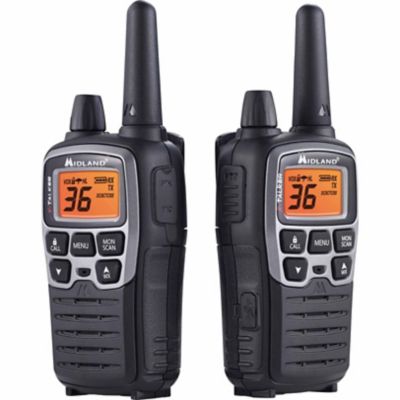
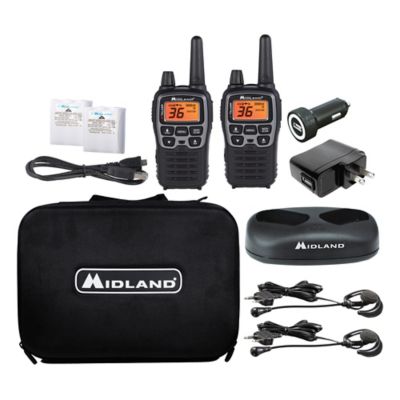
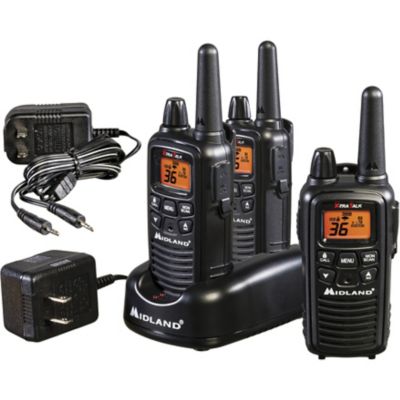
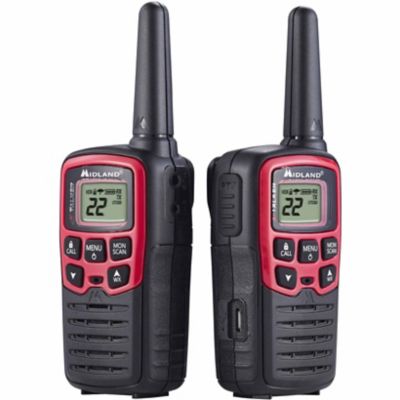
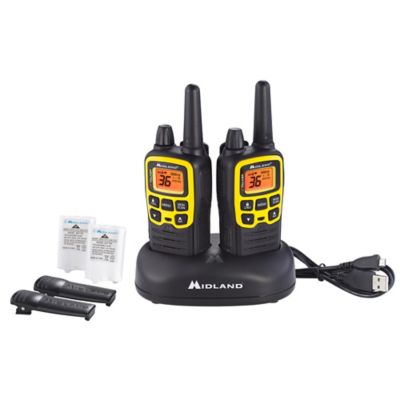
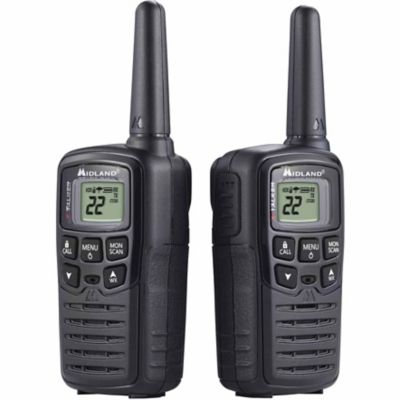
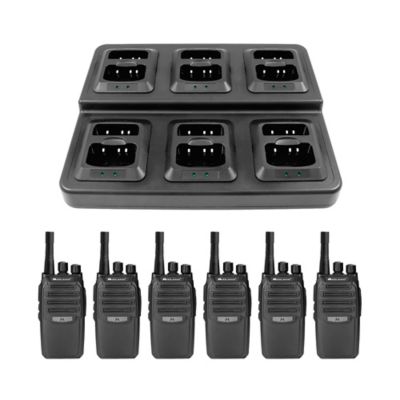
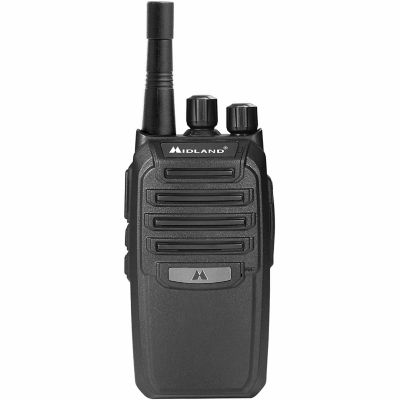
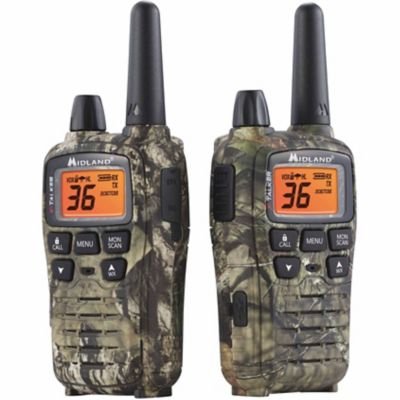
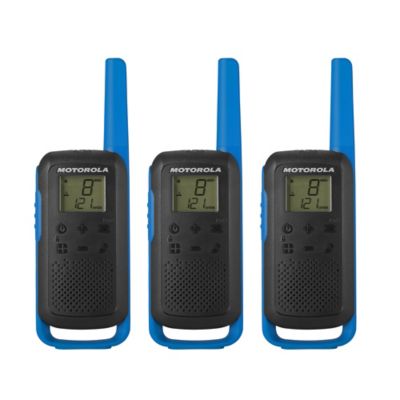
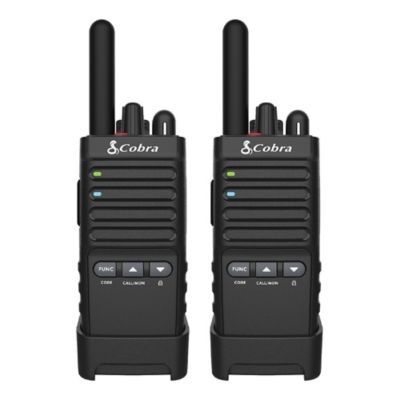
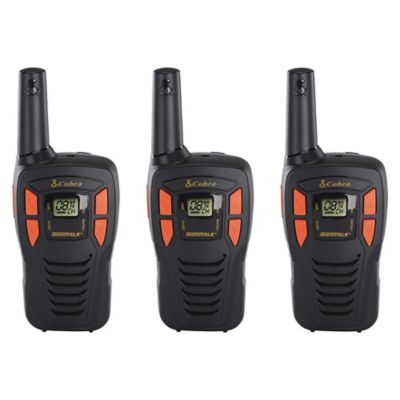
Two-way radio sets are made for direct communication between people carrying compatible handsets. A bundle may include two or more radios along with belt clips, charging accessories, rechargeable batteries or desktop charging docks, making it easier for a crew or household to stay connected. These sets can help with chores spread across a property, coordinating a fencing project, checking in from the tractor to the barn, or keeping a group in touch during hunting, camping, trail riding and outdoor events. Family Radio Service, or FRS, radios are generally simple to operate and do not require an individual license. General Mobile Radio Service, or GMRS, radios may offer greater range and additional features, though GMRS operation requires an FCC license in the United States. Actual range depends on hills, trees, metal buildings, weather and other obstructions, so the distance printed on packaging is a best-case figure rather than a promise for every property. Pay attention to channel and privacy-code options, push-to-talk button placement, battery life, charging time, hands-free features and water resistance. A set with a sturdy belt clip is easier to keep close while carrying feed or climbing into a truck. A weather-resistant housing can be useful around muddy boots, wet grass and sudden showers, but it is still wise to check the product’s rating and care instructions before exposing a radio to rain. For work crews, consider how many people need to talk, whether everyone should share one channel, and whether spare batteries or charging stations will be available at the end of the day. The
Worksite Radios collection can help shoppers compare communication options intended for active job sites and outdoor tasks. Two-way radios also make practical gifts for relatives who spend time camping, riding trails, maintaining acreage or traveling where cell service may be limited.
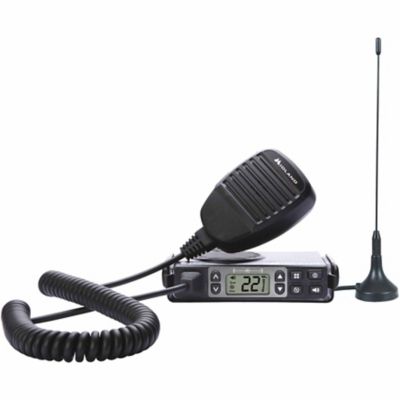
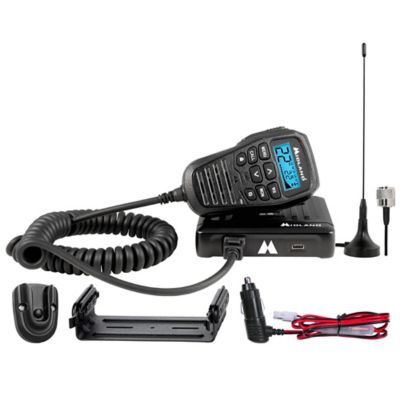
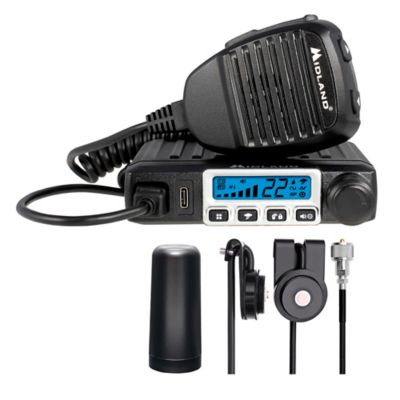
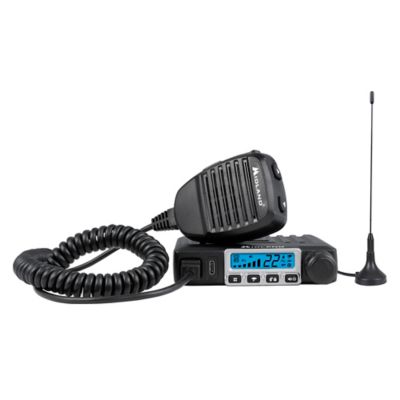
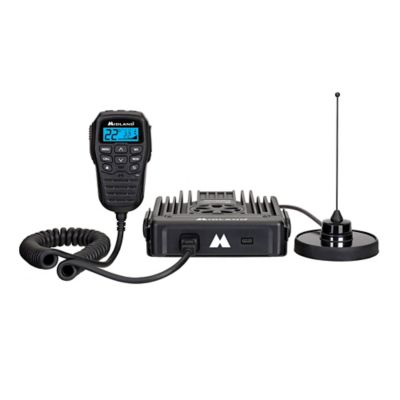
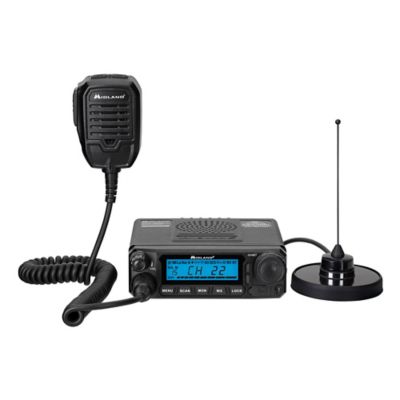
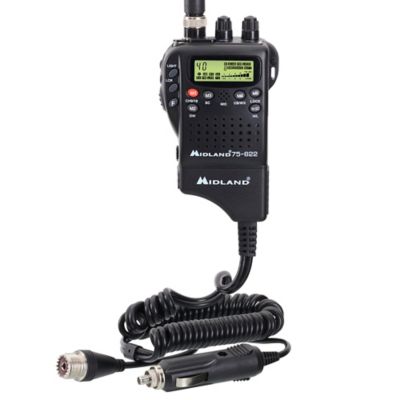
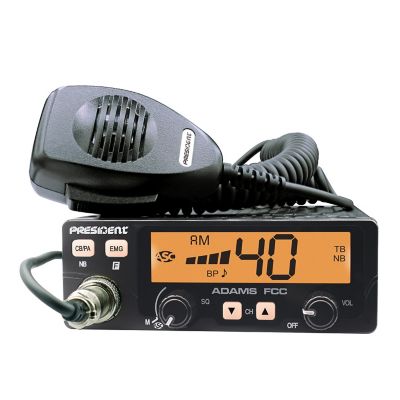
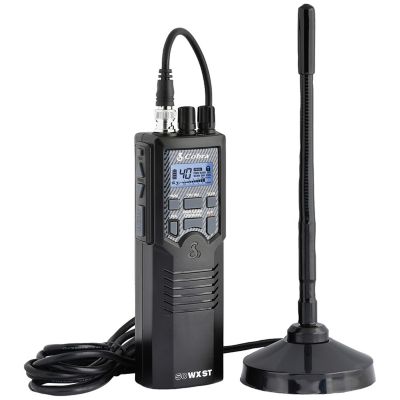
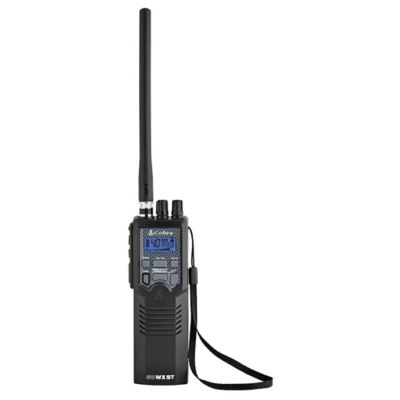
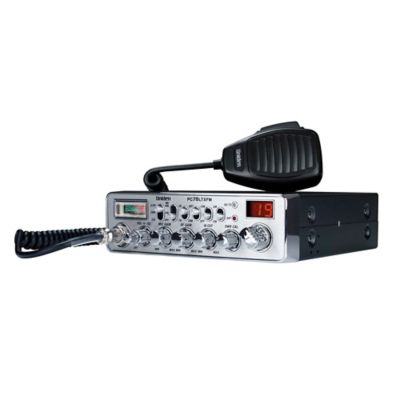
Emergency and weather radios provide another kind of connection when conditions change or regular power is unavailable. Many receive NOAA weather alerts, allowing the radio to broadcast warnings for severe storms, flooding, tornadoes or other hazards in the selected area. Helpful features may include an audible alert, a bright flashlight, a reading lamp, a hand crank, a solar panel, USB charging or a battery compartment. A crank-powered model can be useful when batteries are low, but it should be stored where every household member can find it and know how to operate it. Keep the radio in an easy-to-reach place, check the batteries from time to time and make sure the antenna can extend fully. If a set offers multiple power sources, learn how each one works before a storm arrives. Ham radio and CB radio sets serve more specialized communication needs. CB equipment is often selected for vehicle-to-vehicle communication, road updates and contact between drivers, while amateur radio gear can support longer-distance communication and requires the appropriate FCC license and operator knowledge. These systems may involve a transceiver, microphone, antenna, mounting hardware and a separate power supply, so shoppers should review the full setup rather than looking at the radio alone. Antenna placement, grounding, vehicle wiring and local regulations can all affect operation, and professional installation may be a sensible choice for a fixed or mobile station. Across all radio sets, think about where the unit will live, how it will receive power, who will operate it and what kind of information or communication matters most. A simple receiver may suit a kitchen or bedside table, a two-way set may keep a spread-out crew in touch, and an emergency, CB or amateur radio setup may offer added communication options during travel, outdoor work and severe weather. As mornings turn crisp and people spend more time indoors or prepare equipment for winter, the right radio set can bring news, music, alerts or a clear voice across the distance when it matters.