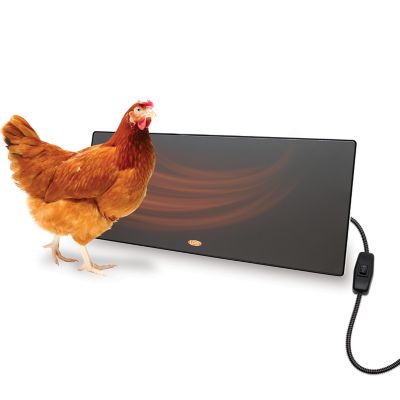
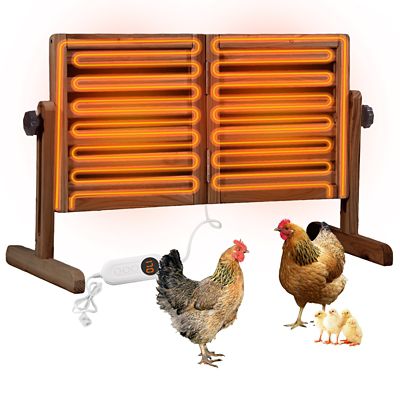
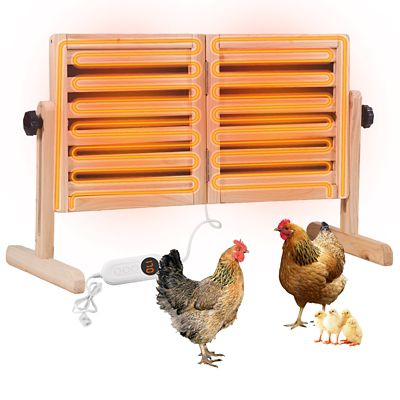
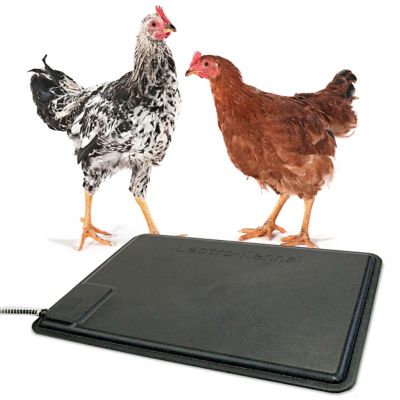
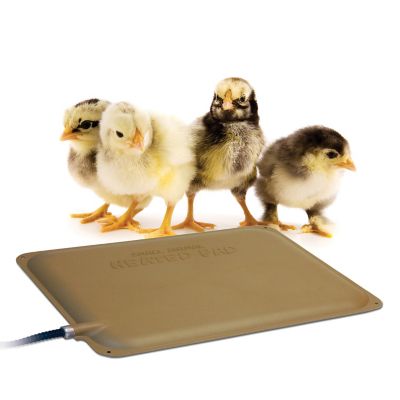
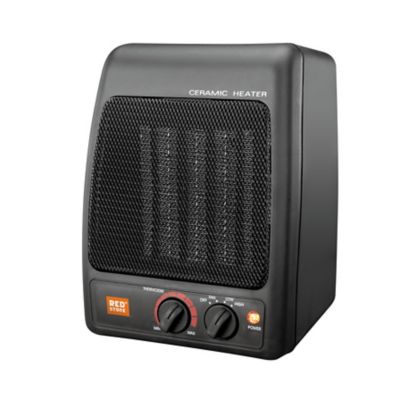
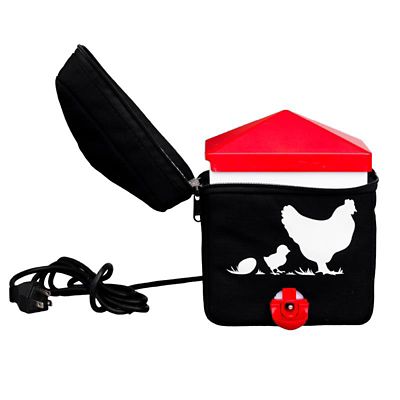
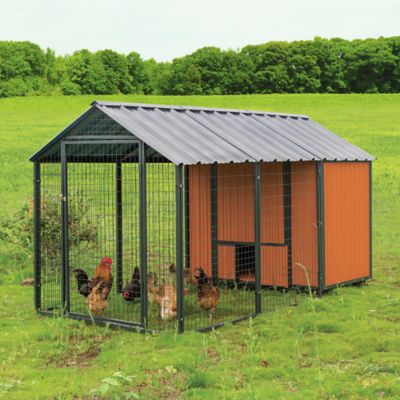
Radiant chicken coop heaters provide focused warmth without trying to turn the whole henhouse into a heated room. Rather than depending mainly on warm air circulating through the building, radiant heat travels toward nearby birds and surfaces. Its reach depends on the heater’s design, placement, and distance from the flock, so the layout of a backyard coop matters just as much as the number on a wattage label. A sheltered roosting area, a clear stretch of wall, and room for hens to move away from the heat all affect how supplemental warmth fits into daily chicken keeping. Healthy adult chickens that have gradually adjusted to cold weather often manage without added heat when their coop stays dry, properly ventilated, and protected from direct drafts. Radiant heating is an option for situations that call for extra support, not a substitute for sound housing. Breed, feather coverage, age, and health can change a bird’s needs, and a hen with sparse feathers may need different care than a fully feathered flock mate. For birds with health concerns, a veterinarian can help determine whether supplemental heat belongs in their care. The goal is a suitable resting area, not a uniformly warm coop. Chickens need space to choose their distance from a heat source, and crowding every bird against one panel can create problems of its own. Radiant chicken coop heaters also should not be expected to keep drinking water from freezing unless the equipment is expressly designed for that purpose. Their appeal is localized warmth that fits around the flock’s routine: hens settling onto a roost, a keeper checking water before chores, and enough open space for birds to move normally. A heater belongs in that larger picture of shelter, airflow, dry bedding, and regular observation, with its intended application clearly stated by the manufacturer.
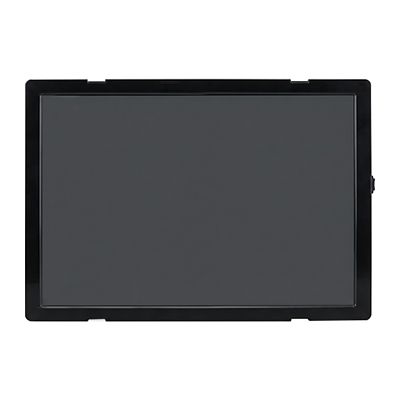
Construction and fit deserve a close look in a building where feathers drift, bedding scatters, and chickens investigate nearly everything with their beaks. Depending on the design, radiant heaters may have metal housings or heat-resistant polymer surfaces, with mounting hardware, feet, or support brackets that determine where they can sit. Smooth, accessible surfaces make routine dust removal easier, while corrosion-resistant components are worth considering wherever dampness is a concern. Even so, resistance to moisture does not automatically mean a heater can handle rain, hose spray, or an exposed run. Its electrical and environmental ratings need to match the actual location. A compact footprint can help in a small coop, but the heater still needs every clearance listed in its instructions, including space from litter, wooden walls, nest boxes, feathers, and other combustible material. A flat panel is not automatically cool to the touch, and surface temperatures vary by design. Wall-mounted equipment needs secure attachment to a suitable structure, while freestanding equipment needs a firm, level position where scratching birds cannot easily knock it over. Placement also has to leave room for opening nest boxes, lifting roost boards, collecting eggs, and carrying a bedding fork through the doorway. Those everyday details can matter more than a tidy-looking installation. Power cords need a route that keeps them away from pecking, pinching, standing water, and moving doors. The outlet, circuit capacity, grounding, and ground-fault protection must meet the equipment instructions and local electrical requirements. An extension cord should never become a workaround for a setup the manufacturer does not permit. Controls vary, too: adjustable output, thermostat compatibility, and protective shutoffs are features to compare where specified, but none replaces proper installation. Wattage describes electrical demand, not a promise that a heater will warm a particular number of chickens or an entire drafty building.
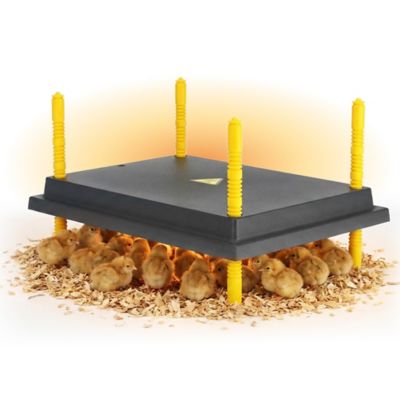
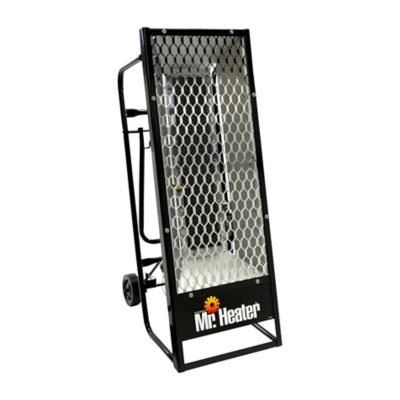
Day-to-day care is part of choosing radiant chicken coop heaters, especially in a coop that sees muddy boots, kicked-up shavings, and a steady coating of feather dust. A heater with reachable surfaces and accessible mounting points is easier to inspect during regular cleanouts. With the power disconnected and the unit fully cooled, cleaning should follow the manufacturer’s directions; electrical components should not be soaked or sprayed unless the instructions expressly allow it. Cracked housings, damaged cords, loose brackets, and signs of overheating call for taking the equipment out of service until the problem is properly addressed. Dust and bedding should not collect against the heater, and storage between periods of operation should keep it dry and protected from rodents. Keeping a coop dry still requires ventilation, even when supplemental heat is running. Closing every opening to hold warmth can trap moisture from breathing birds and droppings, leaving damp bedding and condensation behind. Ventilation above roost level, without a direct draft across resting birds, supports a more suitable space than heat alone. Brooding is another separate consideration: young chicks need an age-appropriate brooder setup, and an adult-coop heater is not automatically suitable for that job. Likewise, equipment intended for a workshop or a large outbuilding should not be assumed suitable around poultry, litter, or airborne dust. For heating needs beyond the henhouse,
Barn Heaters offers a separate category to consider, with the same need to match equipment to its intended setting. Whether the flock belongs to a first-time backyard keeper or a family tending several poultry pens, the practical considerations stay much the same: appropriate heat output, secure placement, manageable upkeep, and room for normal chicken behavior. Supplemental warmth also does not guarantee winter egg production, which depends on factors including daylight, age, nutrition, and health. A well-matched radiant heater serves a specific purpose within the coop, leaving feeding, watering, ventilation, and flock checks at the center of everyday care.