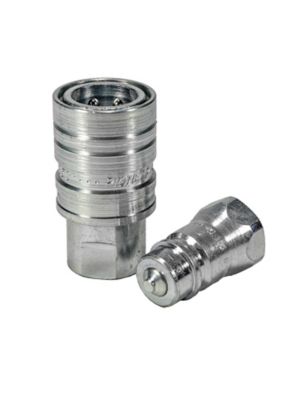
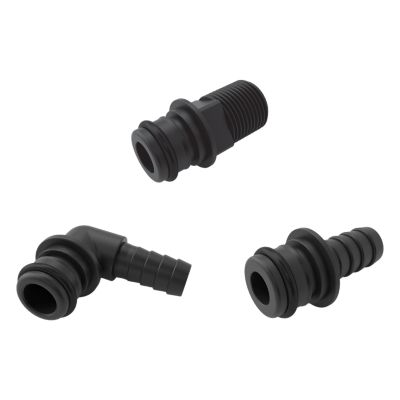
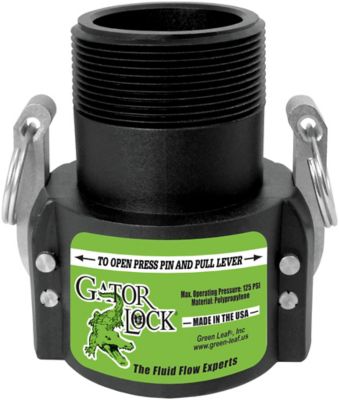
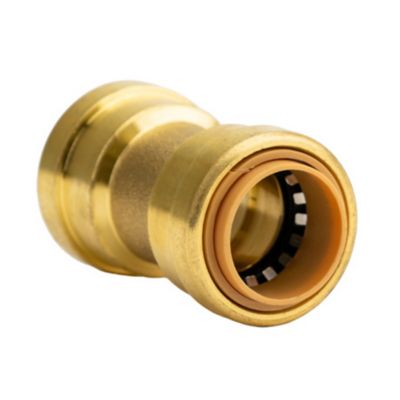
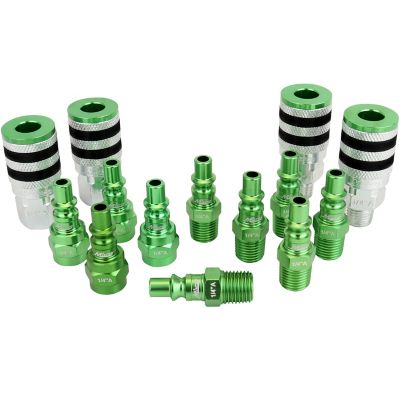
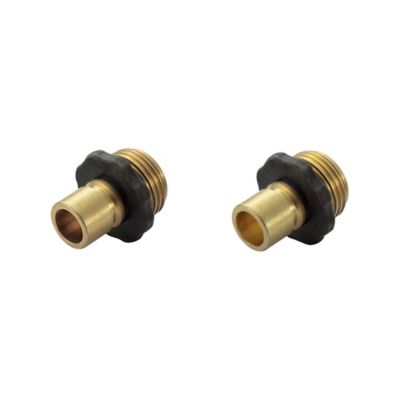
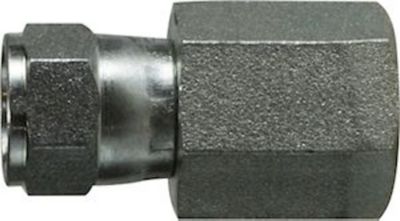
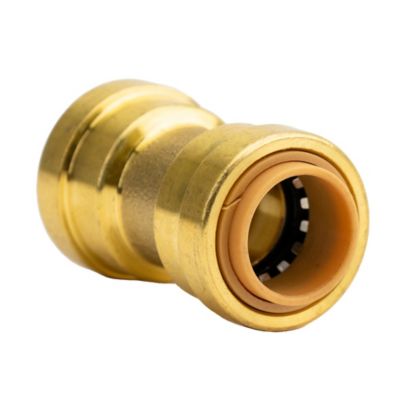
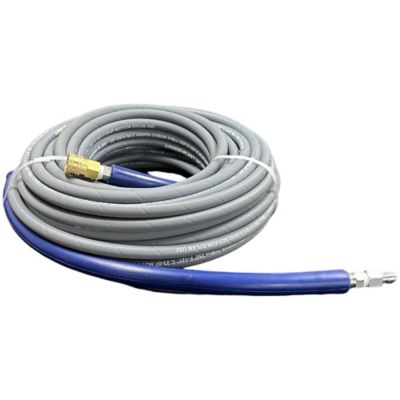
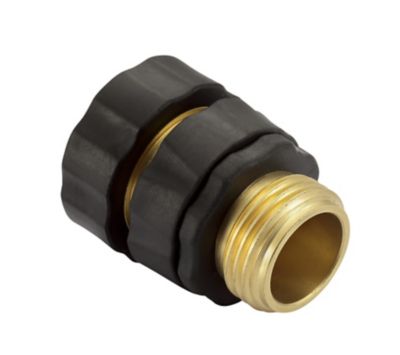
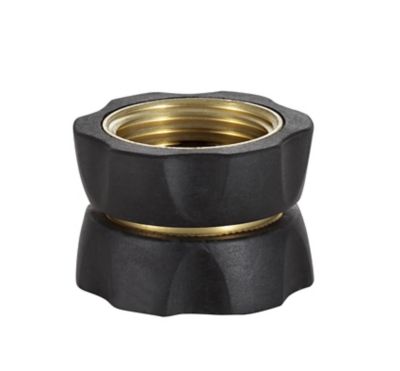
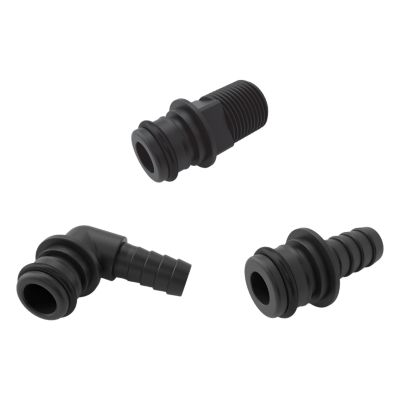
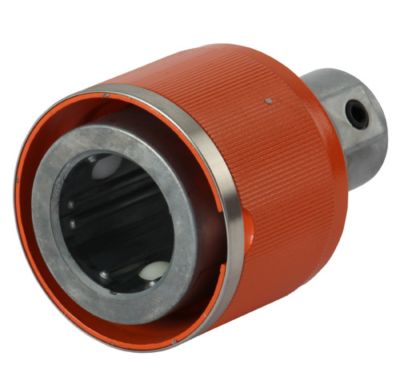
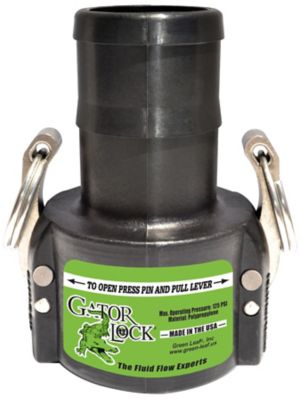
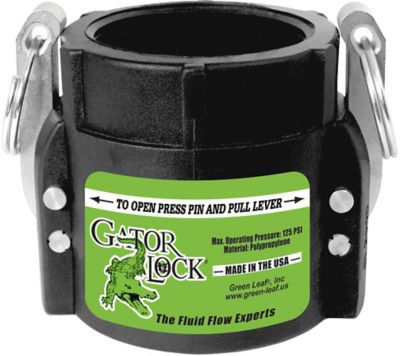
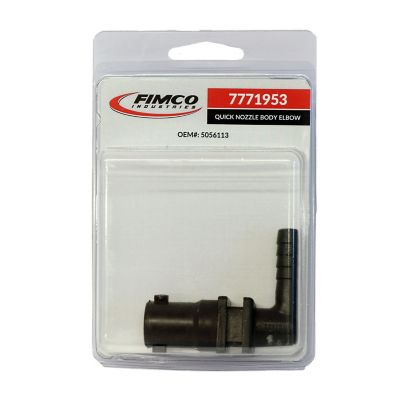
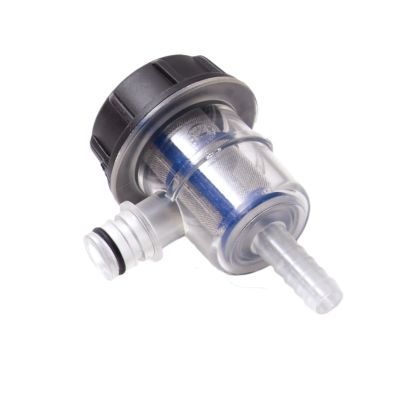
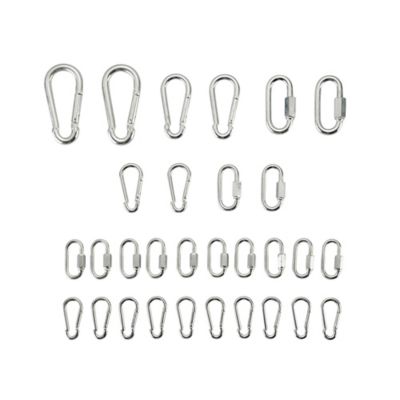
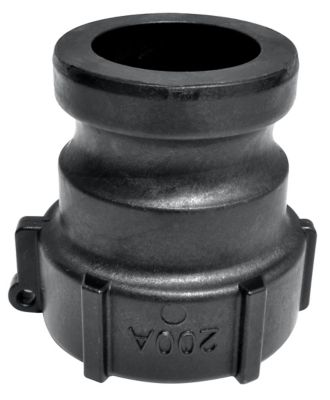
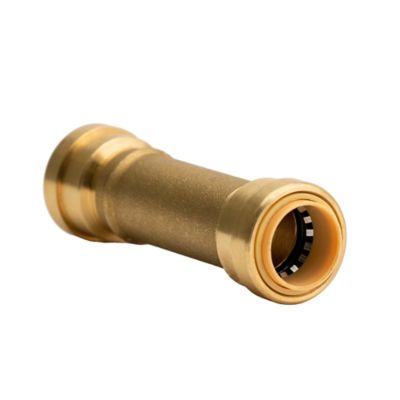
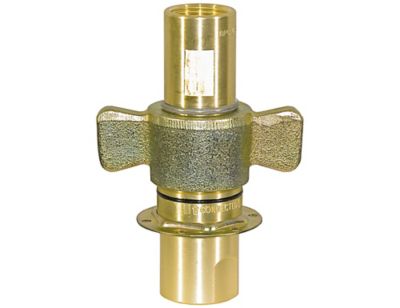
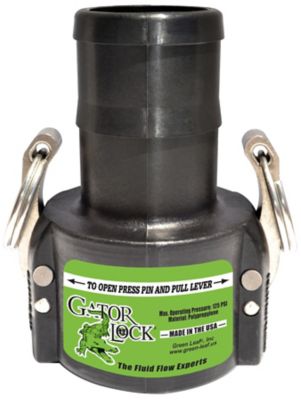
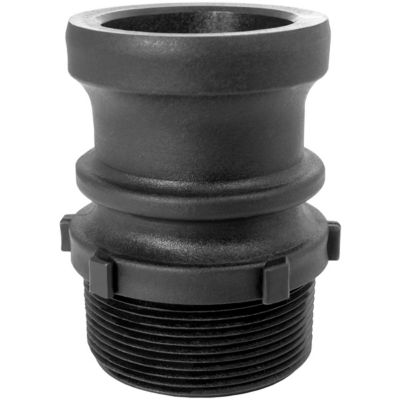
Quick disconnect fittings make it easier to connect and separate hoses, tubing, and fluid lines without reaching for a wrench every time. They are handy around the farm, shop, garage, greenhouse, and home whenever a line needs to come apart for storage, cleaning, service, or a change of equipment. A matching plug and coupler lock together to create a connected path, then release with a sleeve, collar, button, or push ring, depending on the fitting style. Push-to-connect fittings accept tubing by pressing it straight into the opening, where an internal collet grips the tube. To remove the line, press the release ring and pull the tubing free. Ball-latching fittings work with a spring-loaded sleeve and locking balls; pulling back the sleeve lets the matching halves snap together or come apart. This quick action can save time when moving an air hose between tools, swapping a sprayer wand, connecting a water line, or putting equipment away before the weather turns colder. When shopping, start by identifying the material flowing through the line and the working conditions around it. Air compressors, water systems, pneumatic tools, pressure washers, irrigation setups, beverage lines, and automotive systems can all call for different fitting designs. A fitting made for dry compressed air may not be suited for fuel, oil, chemicals, or drinking water. Check the manufacturer’s application information, temperature range, pressure rating, and material compatibility before placing an order. A fitting should also match the hose or tube connection on both ends, including the inside diameter, outside diameter, pipe thread type, and gender of each connection. Even a small mismatch can lead to leaks, poor flow, or a connection that will not seat correctly.
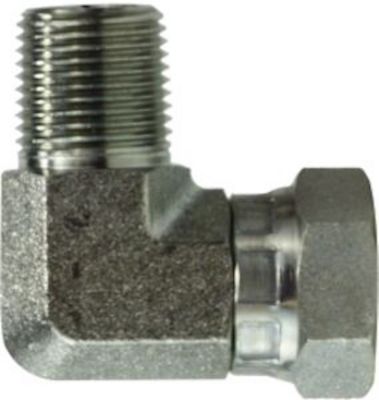
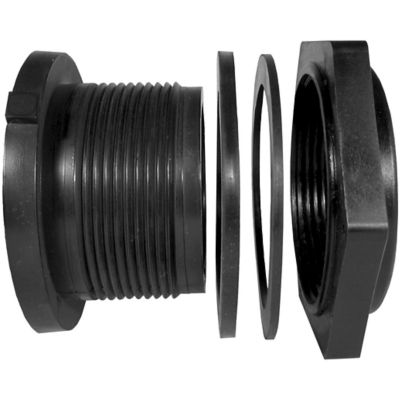
Quick disconnect fittings are commonly available in brass, stainless steel, steel, and engineered plastic. Brass is a familiar choice for many air and water lines because it offers a solid feel and resists rust in ordinary working conditions. Stainless steel is often selected where corrosion resistance, sanitation, or contact with food, beverages, or chemicals matters. Plastic fittings can help reduce weight and may be a practical fit for water filtration, low-pressure tubing, and other applications where metal is not needed. The right choice depends on the liquid or gas, pressure, temperature, outdoor exposure, and amount of movement in the line. Consider the connection style as well. Straight-through couplers have no shutoff valve, so air or liquid can move through the fitting with little restriction while the two halves are connected. Single shut-off fittings include a valve on one side and stop flow from that side when the connection is separated. Double shut-off fittings include valves in both halves, helping limit spills, air loss, and pressure loss when the line is disconnected. Shutoff fittings can be especially useful on sprayers, washdown lines, hydraulic equipment, and tools that are often separated in the field. For related line connections and equipment that operate under hydraulic pressure, browse
Hydraulic Fittings. Before connecting anything, inspect the plug, coupler, O-rings, threads, and tubing for nicks, dirt, cracks, or flattening. Wipe away grit that could keep the fitting from locking fully, and make sure the hose is cut square when working with push-to-connect tubing. Threaded fittings should be started by hand to help prevent cross-threading, with sealant applied only where the connection instructions call for it. Avoid wrapping tape over areas where the seal is made by an O-ring or flare, since extra material can interfere with proper seating.
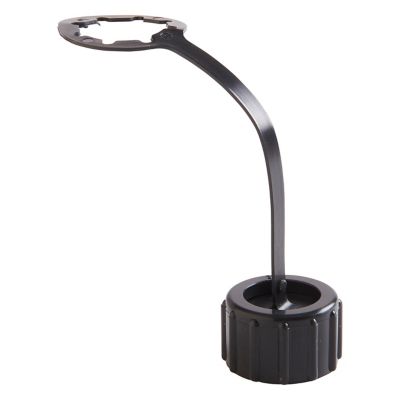
A good quick disconnect fitting should match the job from the start, but the rest of the setup matters just as much. Measure the hose or tube rather than guessing from a nearby fitting, and compare the listed dimensions with the equipment manual or the existing connection. Note whether the system carries air, water, oil, fuel, fertilizer solution, or another fluid, then choose a fitting rated for that service. For compressed air, check the maximum pressure and flow needs of the tools on the line; a narrow passage can limit an impact wrench, blow gun, or tire inflator even when the fitting threads appear to match. For water and sprayer work, look for the proper pressure range and seals for the fluid, along with a shutoff design that helps reduce dripping during changeovers. In a barn or field setting, a sleeve that is easy to operate with work gloves can make a real difference, especially when hands are cold or muddy. A tether, dust cap, or protective cover can help keep unplugged ends cleaner between tasks. Store disconnected fittings where they will not collect grit, and keep caps in place when the system sits through the cooler months. After installation, pressurize the line gradually and check each joint for leaks. A fitting that is difficult to connect, will not lock, or releases under light movement should be taken out of service until the cause is found. Never disconnect a pressurized line; shut down the pump or compressor, close the supply valve, and release trapped pressure first. With the right size, connection style, material, and shutoff arrangement, quick disconnect fittings can keep routine work moving smoothly, from topping off a water line and washing equipment to servicing pneumatic tools in the shop.