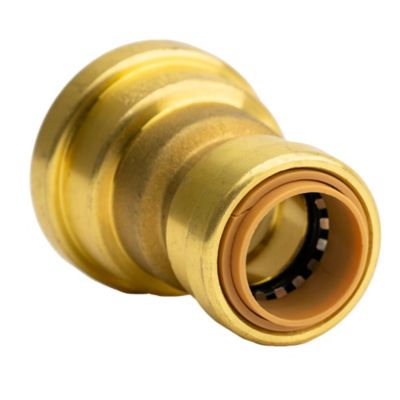
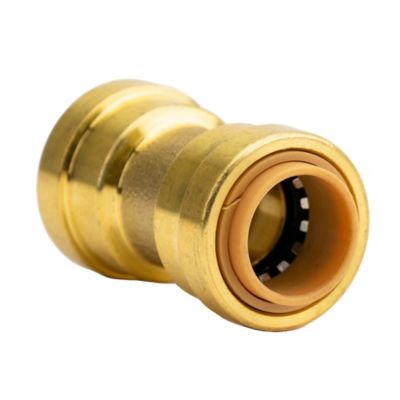
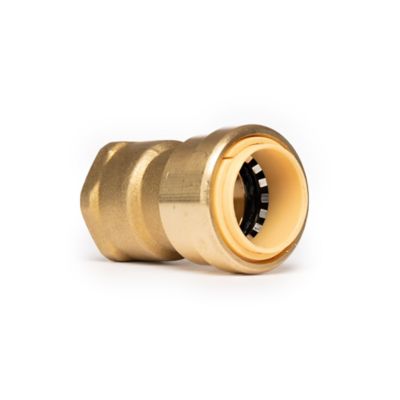
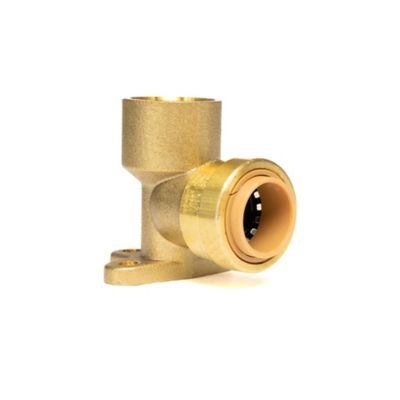
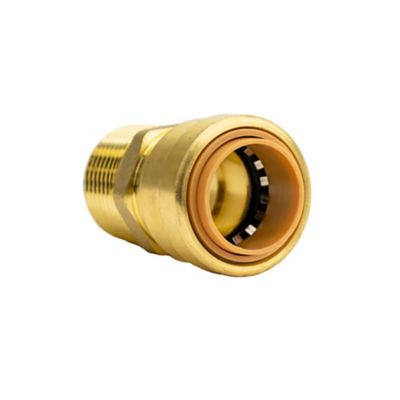
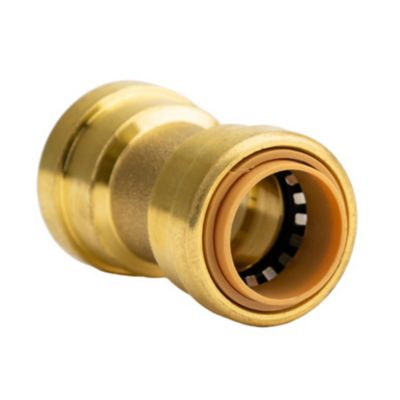
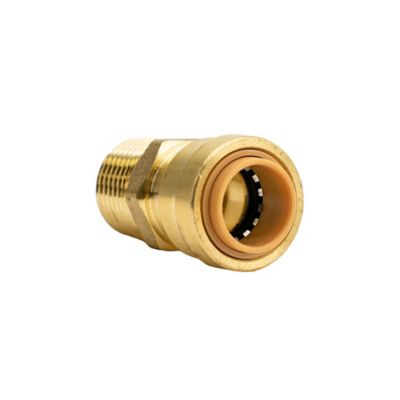
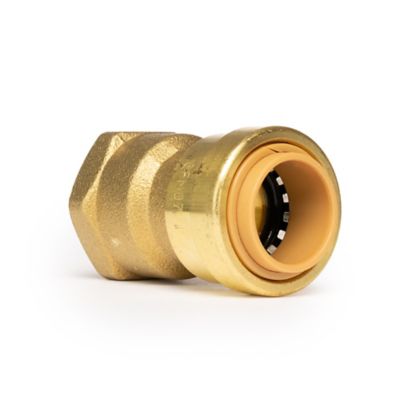
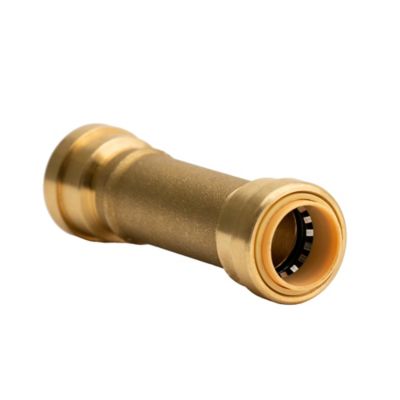
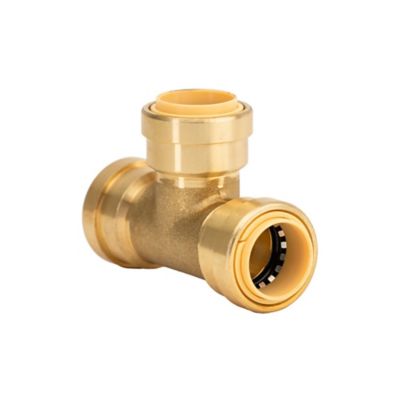
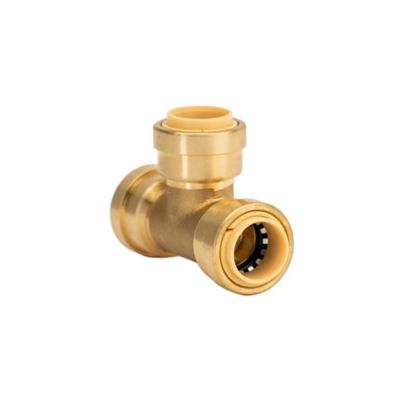
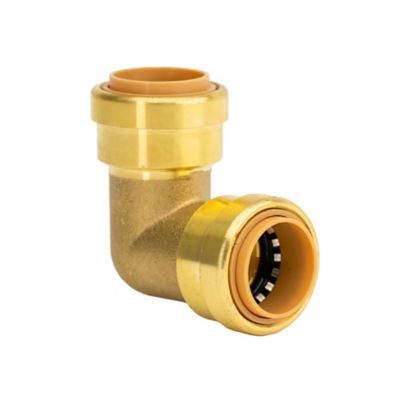
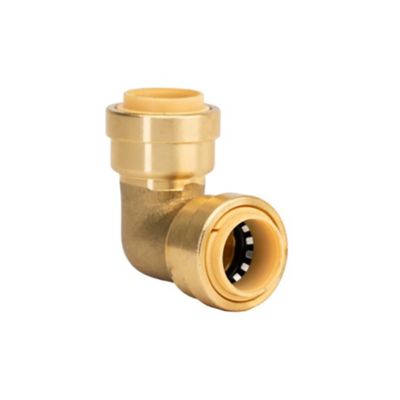
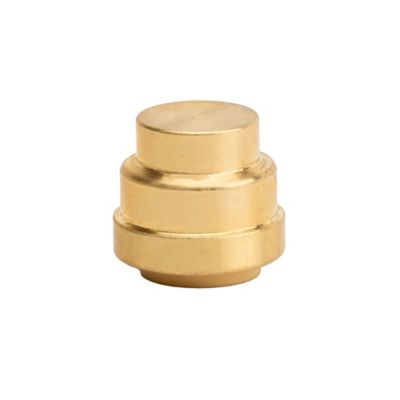
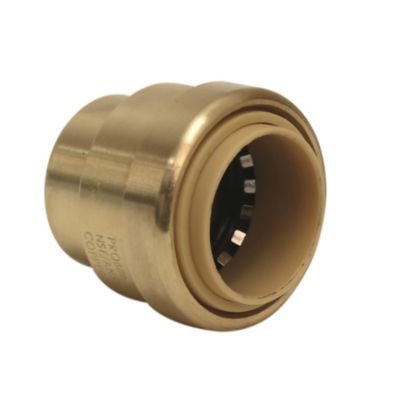
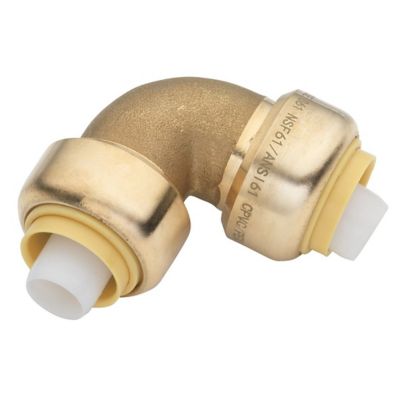
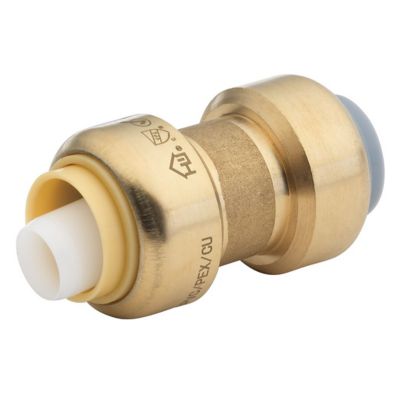
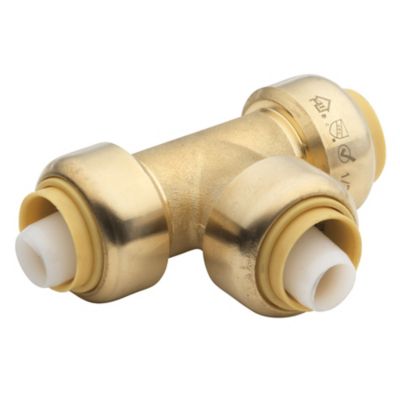
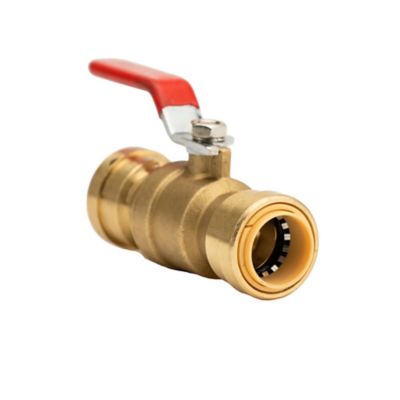
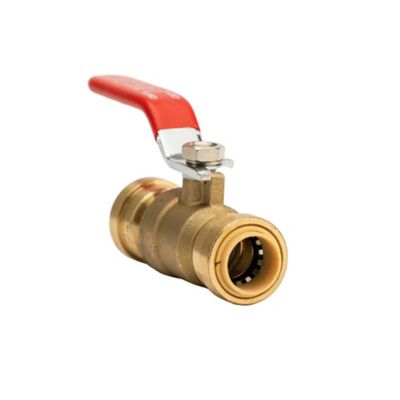
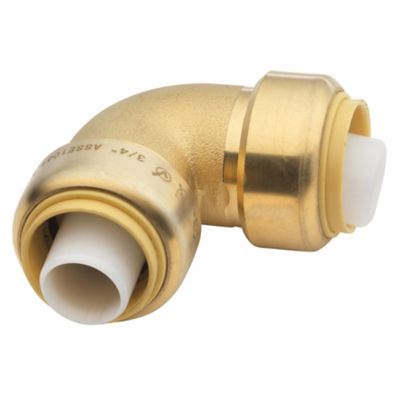
Push connect fittings, also called push-to-connect fittings, join compatible pipe or tubing by letting the end slide directly into the fitting, where an internal grip holds it in place and a seal helps prevent leaks. The connection itself generally requires no soldering, glue or tightening of a compression nut, though pipe preparation still calls for the right tools. That straightforward design makes these fittings a practical choice for household plumbing repairs, utility-room projects and pneumatic air lines around the shop. A connection behind a laundry sink and a small air line feeding a workbench may look similar, but they call for fittings built for different jobs. Plumbing fittings must match the pipe material and water-system requirements, while pneumatic fittings must suit the tubing, compressed air and operating conditions involved. Neither style should be treated as interchangeable with the other. Body materials commonly include brass, stainless steel and engineered polymers, with suitability depending on the complete fitting design rather than the body alone. Internal seals, gripping components and any required tube supports all play a part in how the connection performs. Brass bodies can suit many plumbing applications, while polymer bodies are common in lightweight pneumatic layouts; the manufacturer's specifications determine where either belongs. Straight connections keep a line moving in one direction, elbows turn a corner, tees create a branch and reducers connect approved sizes. Threaded connections provide a transition between compatible tubing and equipment ports or valves. Those shapes can help make sense of a cramped cabinet, a shop wall crowded with equipment or a utility area where existing lines leave little room to work. For homeowners, property caretakers and folks maintaining farm buildings, the main appeal is a compact connection without the extra clearance needed to swing a wrench around every joint. Even so, a push connection is only as suitable as its stated application, matching pipe and installation conditions.
Fit starts with more than the number printed on the package. Plumbing pipe often carries a nominal size, while pneumatic tubing is commonly sized by outside diameter, so matching two size labels does not necessarily mean the parts belong together. The fitting's listed pipe or tubing types, outside-diameter requirements and connection size provide the meaningful comparison. Some plumbing designs accept particular combinations of copper, PEX or CPVC, but that compatibility should never be assumed across all push connect fittings. Air-line designs likewise vary in their suitability for nylon, polyurethane or other tubing materials. Tube wall thickness and stiffness can matter, especially when a connection requires an internal support to keep softer tubing from changing shape at the seal. A square, clean pipe end gives the internal seal a better surface to contact, while burrs, deep scratches, paint and out-of-round sections can interfere with that seal. Full insertion matters just as much: tubing can feel gripped before it has reached the required depth. An insertion-depth mark provides a visible reference without relying on feel alone. These details are worth considering when a short repair section leaves little extra pipe to trim or a line disappears through the back of a cabinet. Pressure and operating-temperature ratings also belong in the match, with attention to the limits of both the fitting and the connected tubing. A rating for one fluid or application does not establish suitability for another. On an air system, tubing bore and fitting passage size can affect flow to downstream equipment, especially along a longer run or through several connections. On either system, routing should leave the tubing free of sharp bends and side loads at the fitting. A connection should not serve as a hanger for a sagging pipe or absorb constant pulling from a moving hose. Proper supports and sensible routing help protect the joint from strain while keeping the area easier to inspect.
Push connect fittings are especially handy where access is tight, but convenience still needs to fit the setting. A water line beneath a utility sink benefits from a layout that leaves connections visible and reachable, while tubing along a shop bench needs protection from sharp edges, foot traffic and equipment movement. For drinking-water applications, look for the applicable potable-water listings and lead-content compliance rather than judging suitability by appearance. Concealed installations, underground placement and contact with soil may carry separate approval or protection requirements, and local plumbing rules can affect which connections belong in a particular location. Compared with push connections,
Compression Fittings for Plumbing generally form their seal through a nut and compression element, offering another connection method when the pipe, application and access suit that design. The better match depends on the system rather than a blanket preference for one connection style. Some push connect fittings allow tubing removal through a release collar, clip or designated disconnect tool; others are not intended for removal and reinstallation. Release hardware also needs working room, something that matters when planning a connection close to a wall or beside another fitting. After assembly, inspection and testing should follow the manufacturer's directions and applicable system requirements, with the line safely depressurized before any adjustment or removal. Ongoing care centers on checking for moisture, air loss, movement or visible damage and protecting exposed tubing from abrasion, incompatible chemicals and sunlight when the material calls for it. Fittings and tubing stored for a future repair benefit from clean, protected storage that keeps dirt away from sealing surfaces. Clear size markings and application information make later maintenance simpler, whether the next task is tracing a slow drip beneath a sink or finding an air leak along a workshop line. The goal is a connection that suits the job, stays within its ratings and leaves the surrounding system manageable when another repair comes along.