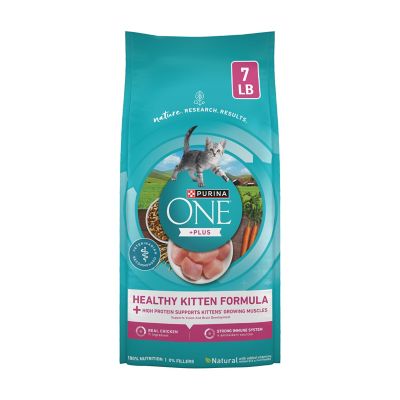
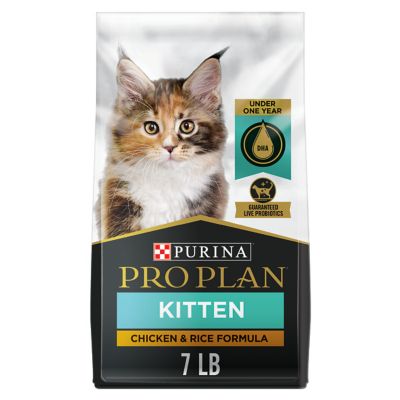
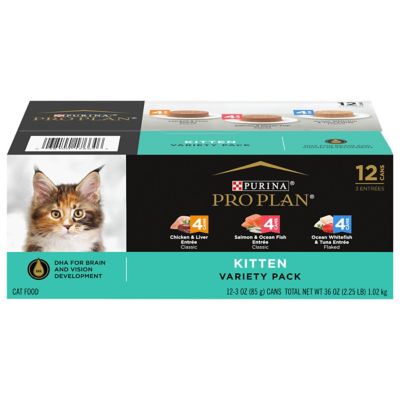
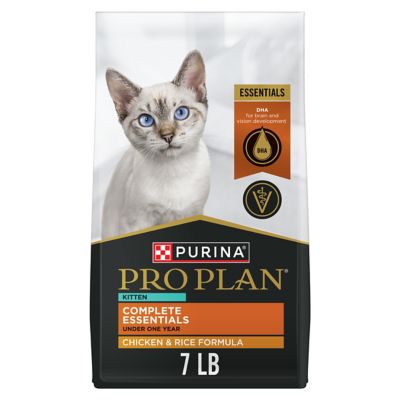
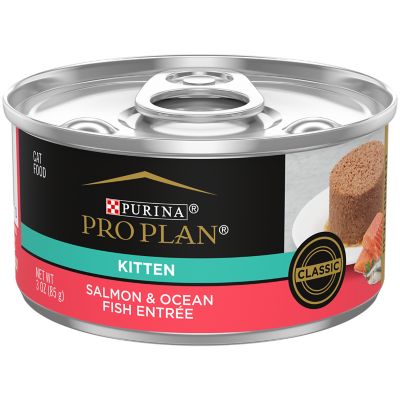
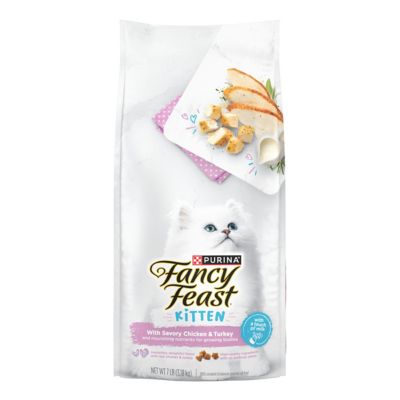
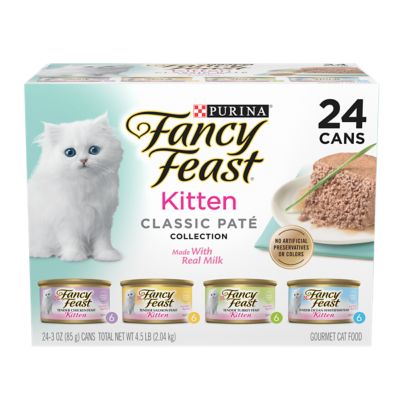
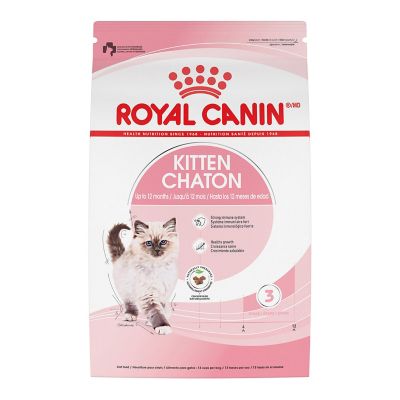
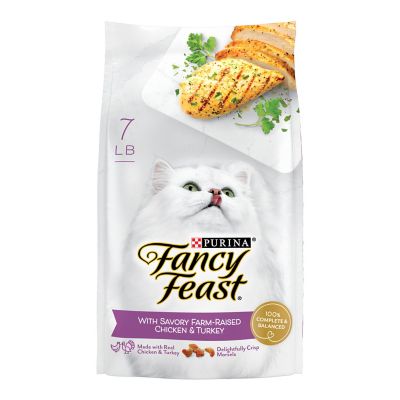
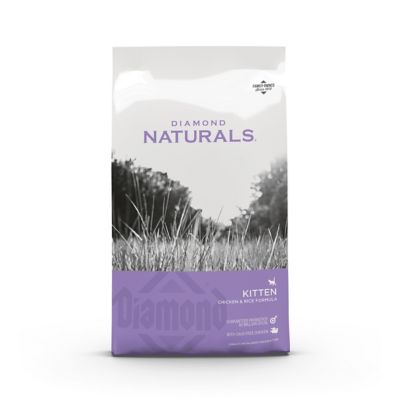
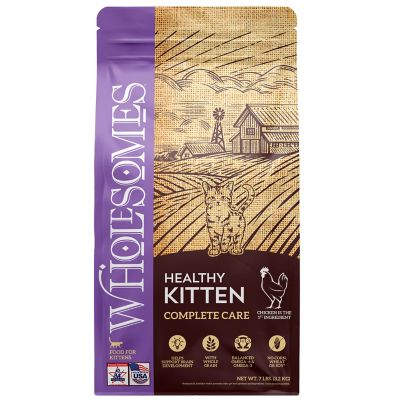
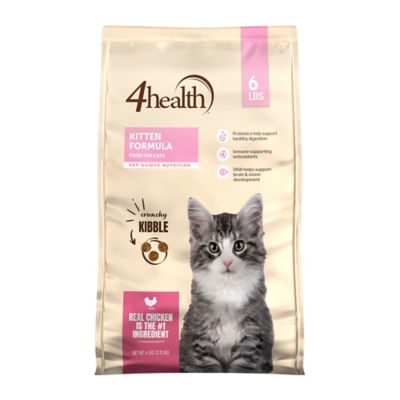
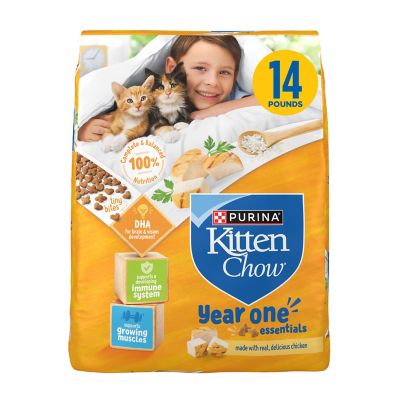
Dry kitten food is made for the growing stretch between weaning and adulthood, when a small cat needs steady nourishment for building muscle, developing bones and keeping up with everyday play. Most kittens need food formulated for growth through about their first birthday, though the right time to change diets depends on their development and a veterinarian’s advice. Compared with adult maintenance food, kitten formulas generally provide more concentrated energy and nutrients to support that busy first year. Protein supplies the building blocks for growing tissues, while fat provides energy for everything from climbing a scratching post to chasing a toy across the kitchen floor. Calcium and phosphorus help support developing bones and teeth, and taurine plays an important role in normal heart function and vision. Some formulas also contain DHA, an omega-3 fatty acid that supports brain and vision development. These nutrients work together, so a complete and balanced formula matters more than any single ingredient called out on the front of a bag. The nutritional adequacy statement on the package identifies whether a food is formulated for growth or another life stage. Ingredient lists can include poultry ingredients, grains, fats, vitamins and minerals, each contributing something to the finished food. A chicken reference on the package does not necessarily mean chicken is the first ingredient; the ingredient list gives that information. Likewise, protein percentages make the most sense alongside the food’s intended life stage, calorie content and feeding directions. For someone bringing home a first kitten, fostering a young litter or caring for a kitten born on the farm, that label information helps separate growth nutrition from food intended only for adult maintenance. The goal is a daily food that fits a kitten’s age and feeding needs, whether that kitten spends the afternoon napping beside a work boot or practicing little pounces from behind the couch. A strong appetite and plenty of energy are welcome signs, but steady growth and an appropriate body condition give a fuller picture of how feeding is going.
Kibble size, texture and calorie density all shape how dry kitten food fits into everyday care. Small mouths are still learning to manage solid food during weaning, and a kitten should be able to pick up and chew its meals comfortably. Dry food intended for growing kittens belongs in a feeding routine that matches the animal’s stage of development; it is not a substitute for a nursing mother’s milk or kitten milk replacer before a kitten is ready for solid meals. Once weaning is underway, some dry foods can be moistened with warm water according to package directions, giving the pieces a softer texture while the kitten gets familiar with eating from a dish. Any moistened portion needs prompt attention rather than being left out for extended grazing. For kittens already eating dry food comfortably, measured meals make it easier to follow how much each animal eats. The feeding chart on a bag provides a starting point, not a fixed amount that suits every kitten. Age, weight, activity, body condition and other foods in the daily diet all affect portions. A growing kitten may do better with its daily amount divided into several small meals, especially while its stomach is still small. Fresh drinking water belongs close at hand, even when wet food is also part of the routine. In a home with several cats, separate feeding spots help keep an adult cat from finishing the kitten’s ration and make a missed meal easier to notice. A quiet corner away from the litter box and heavy foot traffic can give a timid newcomer room to settle in. Shallow dishes that sit firmly on the floor also make practical sense around enthusiastic eaters. Food changes generally go more smoothly when the old and new diets are blended gradually over several days, following package directions and veterinary advice. Persistent vomiting, diarrhea, poor appetite or trouble gaining weight calls for a veterinarian rather than another round of food changes.
Bag size and storage deserve a place in the decision, too, especially when feeding one small kitten rather than a whole litter. The most practical package is one that matches the household’s feeding pace and can be kept properly closed between meals. Dry kitten food keeps best in its original bag, with that bag placed inside a clean, tightly closing container if extra protection is needed. Keeping the packaging preserves the feeding directions, best-by date and lot information, while a dry storage spot away from direct sunlight helps protect the food. A shelf in the house or another secure indoor space is a better fit than an open sack beside farm supplies, where rodents, insects or household animals might reach it. Scoops and bowls need regular washing, and an older bag should be finished before fresh food goes into the storage setup. These habits help keep feeding straightforward without adding much fuss to the day. A dedicated scoop and a written portion note can also help when more than one family member handles meals or a neighbor steps in during a trip. For foster homes and households welcoming a newly adopted kitten, knowing what the kitten has already been eating gives the next feeding routine a familiar starting point. Treats and table scraps should not crowd out the complete and balanced food that supplies daily growth nutrition, and fresh water remains part of the setup wherever meals happen. As that little kitten grows into an adult cat, its food needs will change along with its size and activity. When adult feeding becomes appropriate,
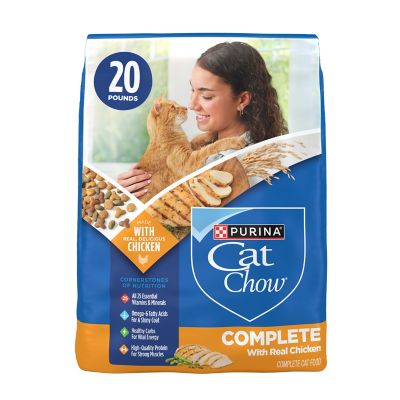
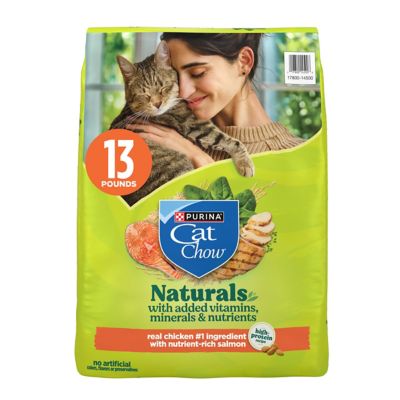
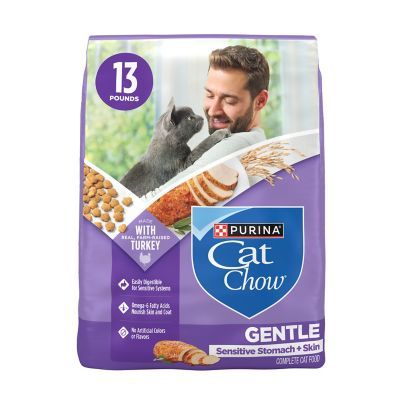
Purina Cat Chow Complete provides a related place to explore the next life stage, with a veterinarian’s input on timing and portions. Until then, kitten-focused nutrition, sensible storage and a consistent feeding routine give growing cats a steady foundation for the everyday business of eating, sleeping, exploring and getting into a little harmless mischief.