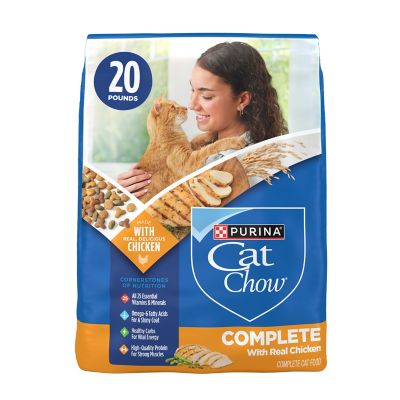
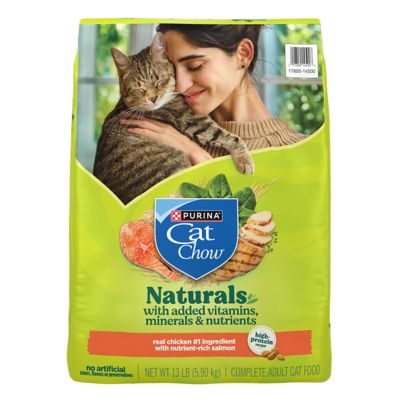
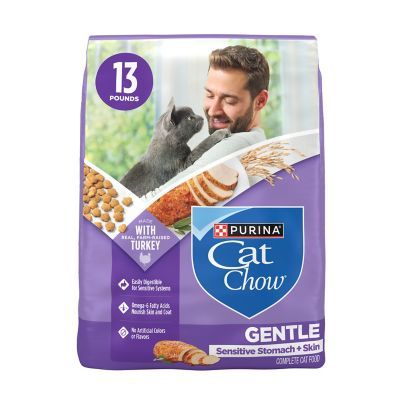
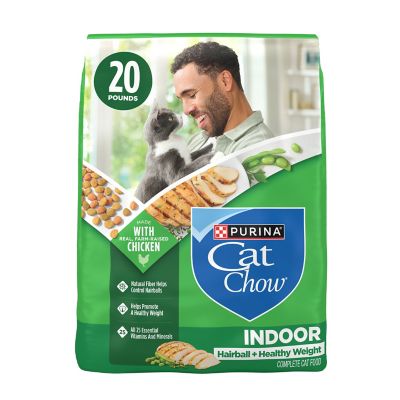
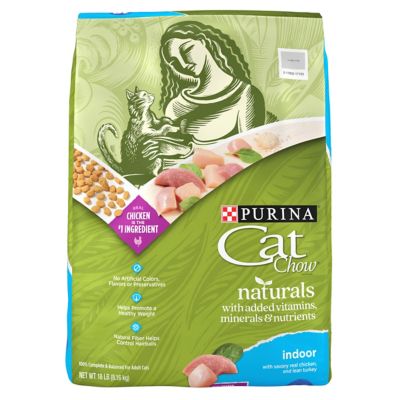
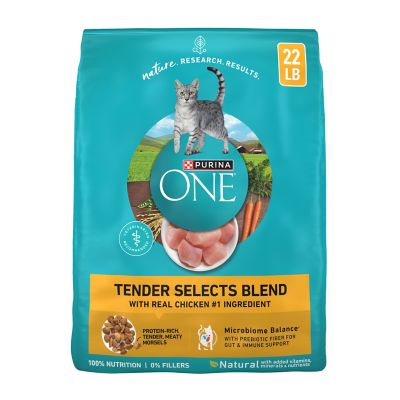
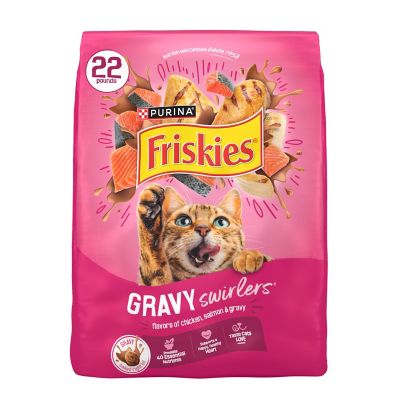
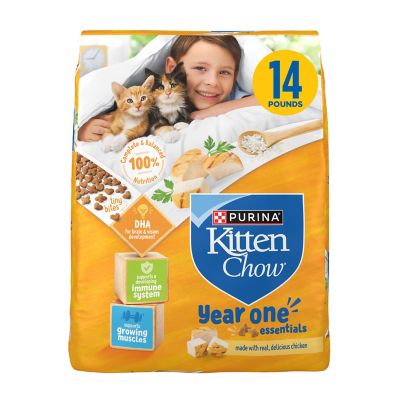
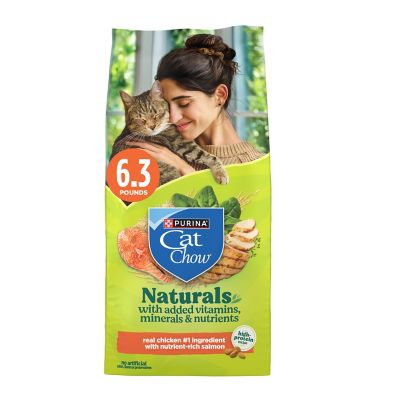
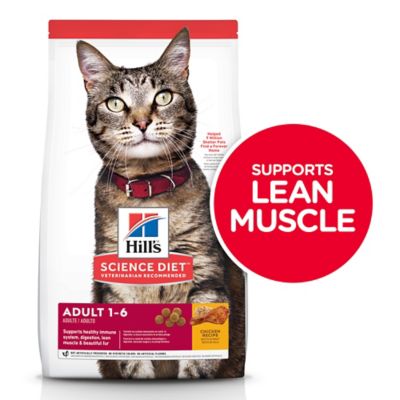
Complete dry cat food fits into the everyday rhythm of caring for cats, whether that means filling a bowl before morning chores or setting out supper for a house cat that knows the sound of the feed scoop. Its appeal starts with a straightforward purpose: providing daily nourishment in a form that is easy to measure, serve, and store. Cats need protein, fat, vitamins, minerals, and essential nutrients such as taurine, which supports normal heart function and vision. A food labeled complete and balanced is intended to provide the nutrients needed for the life stage named on the package when fed as directed. That life-stage statement matters more than a familiar flavor or an eye-catching bag, because growing kittens and adult cats do not have exactly the same needs. The nutritional adequacy statement on the label helps explain which cats the food is meant to feed and how its nutritional suitability is established. Ingredients contribute different parts of that nourishment: animal ingredients can supply protein and fat, while properly prepared grains can provide energy and other nutrients. An ingredient list tells part of the story, but it does not replace the full nutritional information or feeding directions. Kibble shape, size, and texture also play a practical role at mealtime. Some cats crunch eagerly, while others take smaller bites or prefer food presented in a shallow dish with plenty of room around their whiskers. Dry food offers a tidy option for everyday feeding, though a crunchy texture alone should not be taken as a promise of dental benefits. For a cat that eats comfortably and maintains a steady appetite, a consistent daily food can keep mealtimes simple without turning every bowl into a new experiment. The best fit is nourishment that matches the cat’s life stage, suits its normal routine, and supports a healthy body condition over time.
Portion size brings that everyday fit into focus. Two adult cats can eat the same type of food and still need different amounts, especially when their size, activity, age, and body condition differ. The cat that naps on the back of the couch between meals may not need the same serving as the one that spends much of the day exploring the house and following people from room to room. Package feeding directions offer a starting point rather than a fixed serving for every cat. Measuring meals makes it easier to notice how much food actually goes into the bowl, and weighing portions on a kitchen scale can bring more consistency than an overflowing scoop. Treats and any other food count toward the day’s intake, too. In a home with several cats, separate feeding spots can help the quiet eater finish a meal without a bolder companion taking over. That arrangement also makes appetite changes easier to spot, instead of leaving everyone guessing which cat emptied the shared dish. Some households do well with scheduled meals; others rely on measured portions in a feeder that suits the kibble and the cat’s habits. Either way, fresh drinking water belongs close at hand, since dry food contains much less moisture than canned food. A clean water bowl in a calm spot can be just as important to the feeding setup as the food dish itself. When changing foods, a gradual transition over several days generally gives a cat time to adjust, with the new food making up a little more of each meal as the previous food decreases. Cats with sensitive digestion may need a slower pace and advice from a veterinarian. A sudden loss of appetite, repeated vomiting, or trouble chewing deserves attention rather than another round of food changes. Everyday feeding should feel manageable, but knowing a cat’s usual appetite and eating habits makes those out-of-the-ordinary moments easier to recognize.
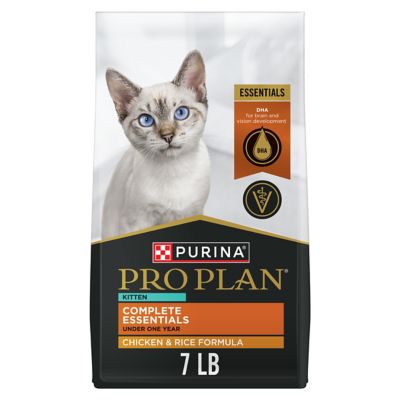
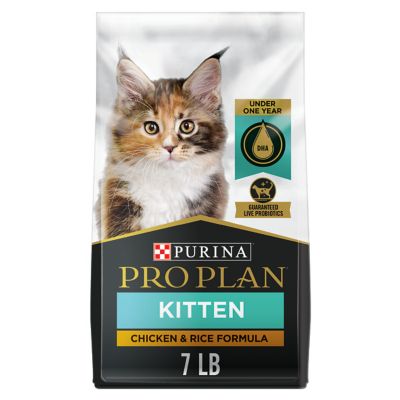
Choosing a bag size also comes down to how the household feeds and stores cat food. A single-cat home may move through a bag slowly, while several cats can make a larger package a more practical fit. The goal is to match the amount to a reasonable feeding period and the storage directions on the label, not simply to choose the biggest bag that fits on the shelf. Keeping dry food in its original packaging inside a clean, closed container helps protect it from moisture, pests, and curious pets while preserving the lot code and best-by information. A dedicated spot away from fuel, pesticides, cleaning supplies, and animal medications is especially sensible in a home where pet care shares space with farm chores. Food bowls and scoops need regular washing, and storage containers should be cleaned and thoroughly dried between bags rather than continually topped off. Those small habits help keep old crumbs and lingering residue out of the next batch of meals. Household changes matter, too. Bringing home a kitten, adding another cat, or caring for a mother cat with a litter can change what belongs in the feeding area. Growing kittens need food suited to growth, and a veterinarian can help determine feeding needs during pregnancy or nursing. For homes preparing a separate feeding spot for a youngster,
Purina Kitten Food is a related place to explore nourishment intended for that early stage of life. Keeping each cat’s food clearly identified makes daily chores simpler when more than one person handles feeding. A note with serving amounts can prevent a second supper when somebody else has already filled the bowls. For adult cats, steady routines, suitable portions, clean dishes, and thoughtful storage all work together. Complete dry cat food belongs in that bigger picture of everyday care: a familiar meal, a comfortable place to eat, and a caretaker who notices how the cat is doing from one day to the next.