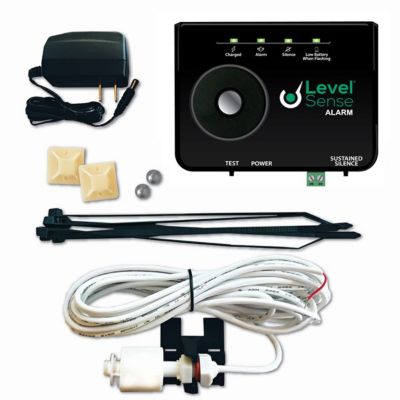
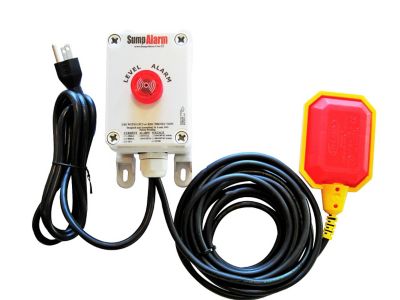
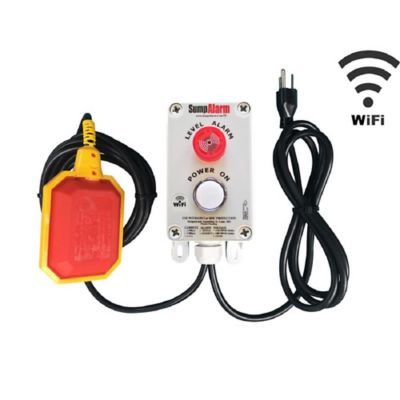
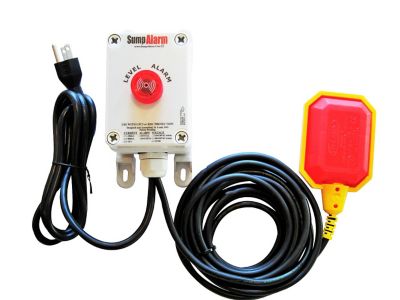
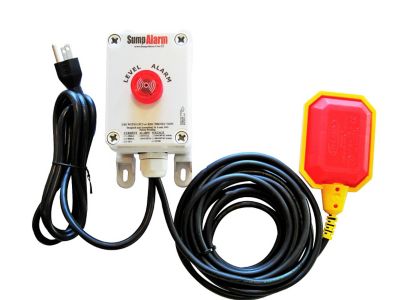
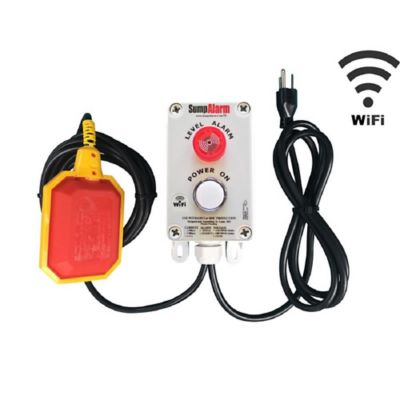
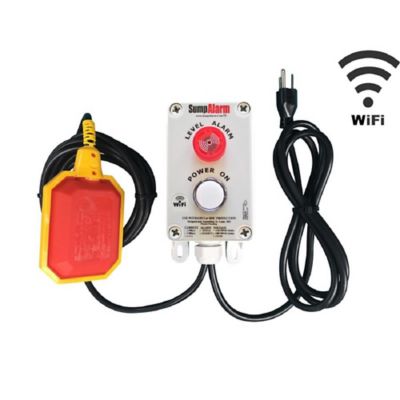
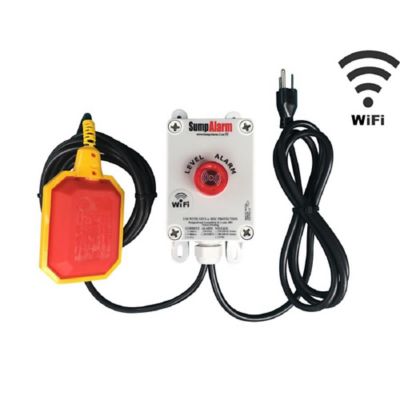
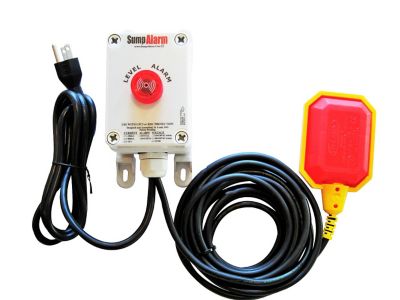
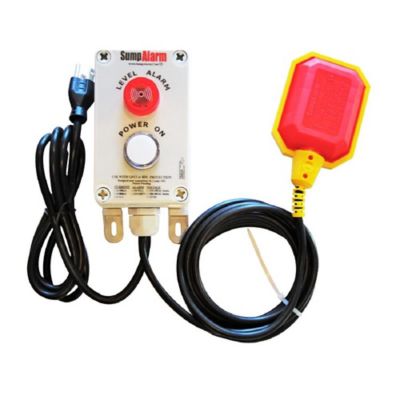
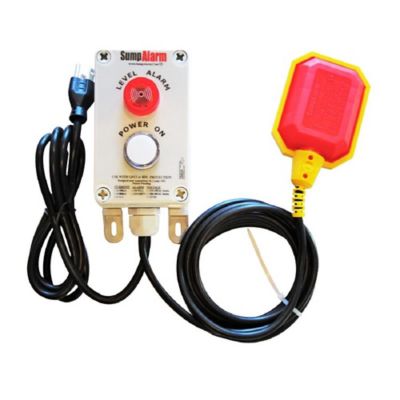
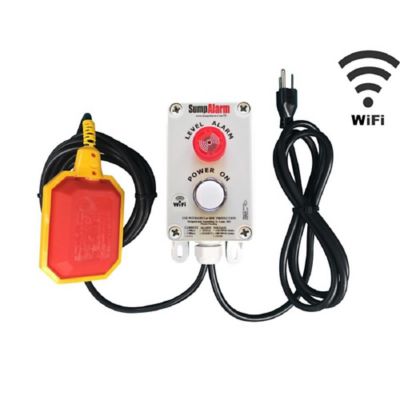
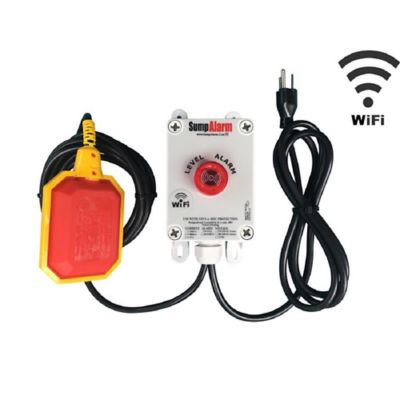
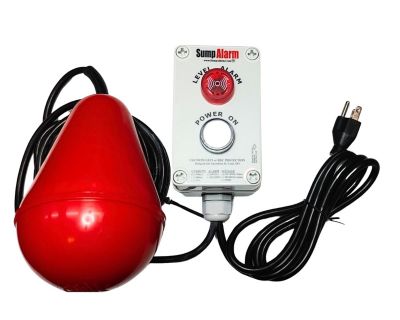
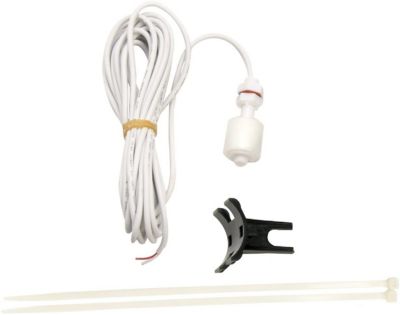
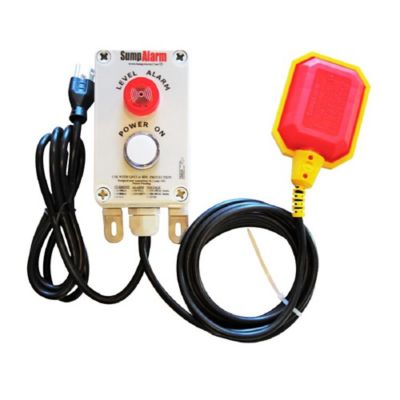
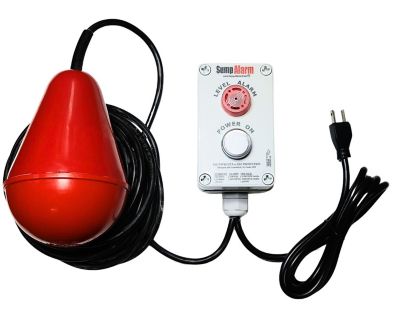
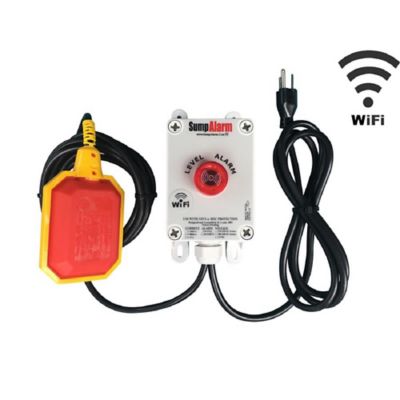
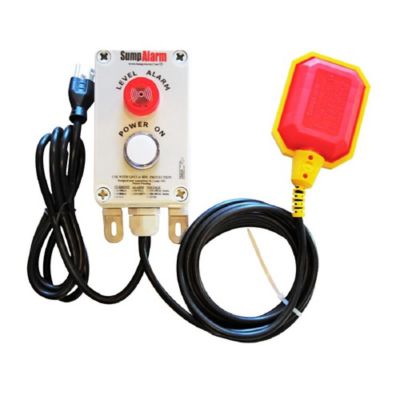
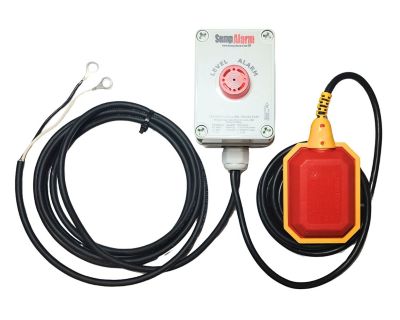
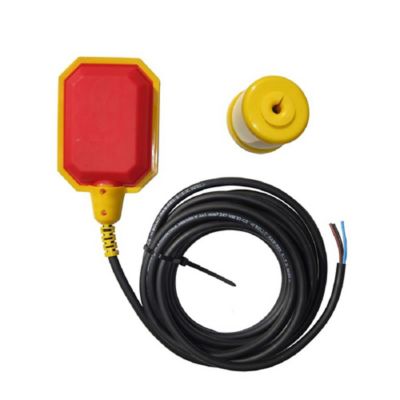
A pump alarm is a monitoring device that warns when water or wastewater rises above a set level in a sump pit, basin, or tank. Depending on its features, it may also signal a loss of power, a pump fault, or a communication problem. That warning can give a homeowner, farmer, or property manager a chance to check the system before rising water causes a bigger mess, though an alarm cannot guarantee that an overflow will be prevented. Pump alarms make sense anywhere a water-handling system needs attention without someone standing beside it all day, from a farmhouse basement to a shop sump or a wastewater lift station. The right type depends on what the system handles and which condition needs watching. A high-water alarm tracks the liquid level, while a pump-monitoring system may watch electrical power or pump operation as well. A high-water warning does not necessarily mean the motor has failed; a stuck float, blocked discharge, or incoming flow beyond the pump’s capacity can produce the same result. Float switches and water-sensing probes are common ways to detect trouble, but they work differently. A float needs enough room to move freely as the liquid rises. A probe detects water at its sensing points and must suit the liquid and installation described by its manufacturer. In a sump basin, the high-water alarm point generally belongs above the normal pump-start level but below the point where water could escape. That arrangement helps distinguish an abnormal rise from an ordinary pumping cycle. A floor-level leak sensor serves a different purpose: it detects water that has reached the floor rather than water rising inside the basin. For sewage or septic applications, compatibility with wastewater matters, including the sensor’s construction, mounting requirements, and resistance to buildup. Matching the alarm to the job keeps the warning meaningful, whether the concern is stored tools beside a basement sump or a tank serving a busy rural property.
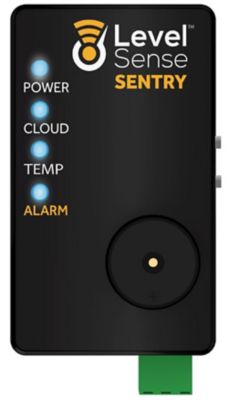
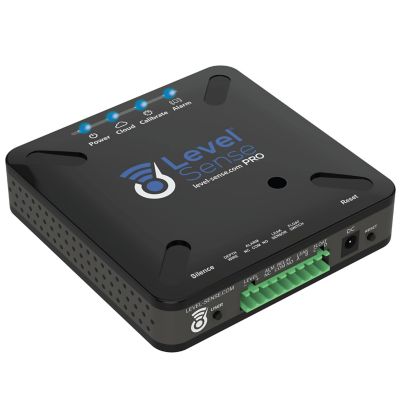
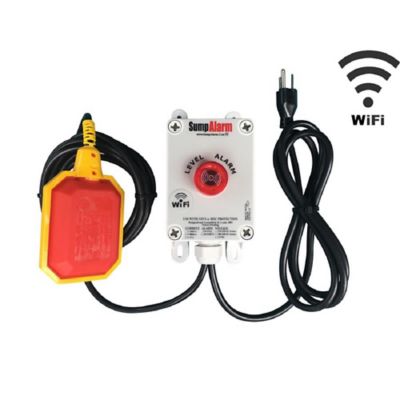
How an alarm gets someone’s attention matters just as much as what it senses. Audible pump alarms sound a horn or buzzer near the control unit, while visual indicators make an alarm condition easier to spot. A sound rating provides a comparison point, but the actual installation affects how well that warning carries. A basement door, thick walls, running equipment, and the distance to the house can all make a local alarm harder to hear. An indicator light helps someone checking the equipment, but it will not draw attention from across the property unless it is visible from there. Remote monitoring adds another way to receive a warning when nobody is close enough to hear the horn. Depending on the system, notifications may arrive through an app, text message, email, or a connection to another monitoring panel. Those functions depend on the equipment’s capabilities and communication requirements. Wi-Fi monitoring needs a working network and internet connection, and a power interruption can also shut down a router unless it has backup power. Cellular monitoring needs compatible service, an active plan where required, and sufficient signal at the installation site. Neither connection should be assumed to work in a basement or outbuilding without checking the location. Power arrangements deserve the same attention. Some alarms operate on batteries, some connect to building power, and some include battery backup for the alarm circuit. Backup power for an alarm does not supply backup power to the pump. It may keep the warning system operating while the pump remains off, which is an important distinction when comparing features. Low-battery indicators, power-loss alerts, test controls, and separate status lights can make everyday checks more straightforward. A silence function can quiet the horn while the problem is being addressed, but silencing a warning does not correct the condition. For a property with several buildings or more than one basin, clear sensor labels and distinct alert messages help point whoever receives the warning toward the right place.
Physical fit and construction round out the choice. An alarm enclosure should carry a rating suited to its mounting location; an indoor control box should not be treated as suitable for an exposed installation. Molded plastic housings can resist rust, while gaskets, cable entries, mounting hardware, and sensor materials all play a part in standing up to the surrounding conditions. Water resistance is not the same as permission to submerge a control unit. The enclosure rating and manufacturer’s directions establish where each component belongs. Inside a basin, the sensor needs a secure mounting point with clearance from the pump, piping, basin wall, and other switches. A tangled cable or a float trapped against a discharge pipe can interfere with operation even when the alarm itself has power. Cord length matters, too: there needs to be enough reach between the sensor and control unit without stretching the cable, creating a snag, or relying on an unsuitable splice. Electrical ratings, plug arrangements, and any connection to a control panel must match the installation. When comparing
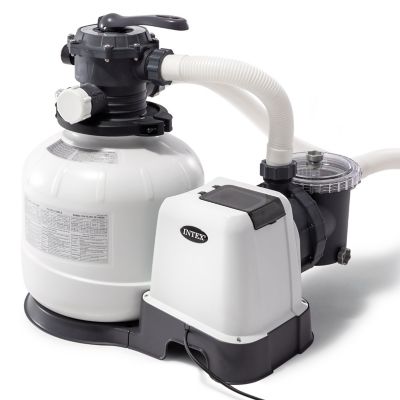
Electrical Pumps alongside alarm equipment, keep their separate roles in mind: the pump moves water, while the alarm signals a condition that needs checking. An alarm does not increase pumping capacity or clear a clogged line. Ongoing care is usually centered on inspection and testing according to the manufacturer’s schedule. That may include checking battery condition, looking for damaged cables or loose mounts, and removing deposits from an approved sensor when the system can be accessed safely. A test button may check the horn and electronics without confirming that the float or probe responds to rising water, so the prescribed sensor test matters as well. Wastewater tanks and electrical connections call for extra care; tank entry is not part of a routine alarm check, and wiring changes belong with a qualified professional. For homeowners keeping an eye on a basement or property managers watching several pump stations, a well-matched alarm makes an out-of-sight system easier to monitor and a developing problem harder to overlook.