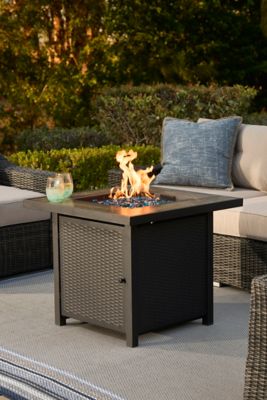
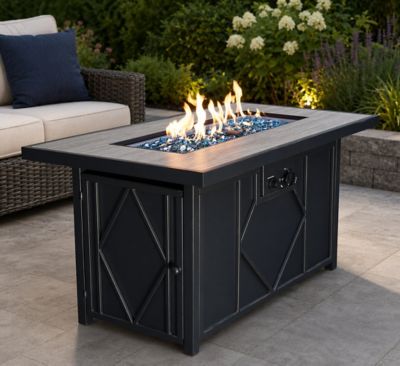
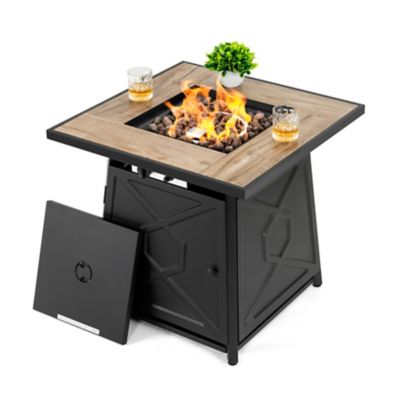
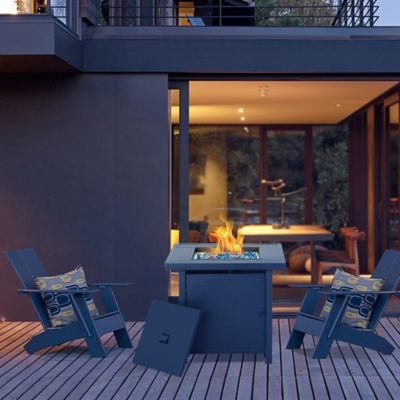
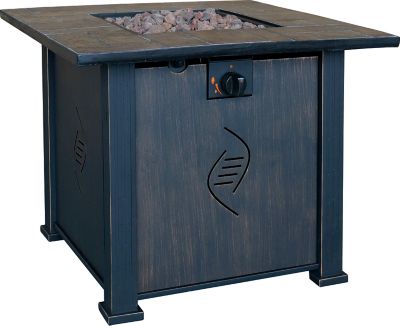
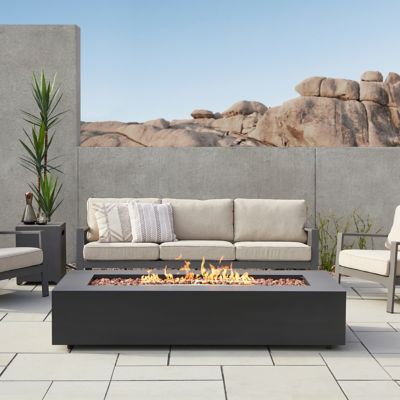
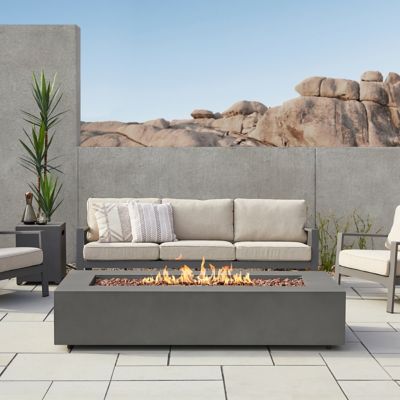
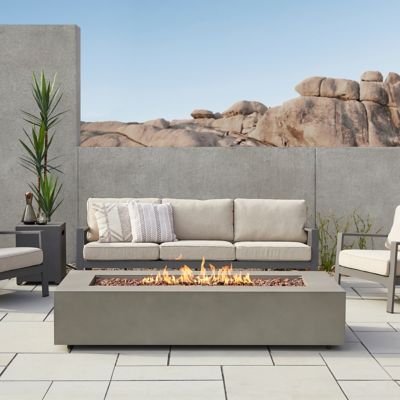
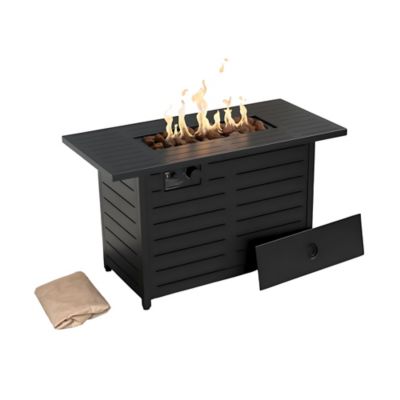
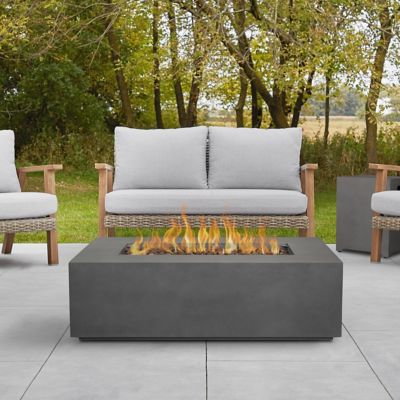
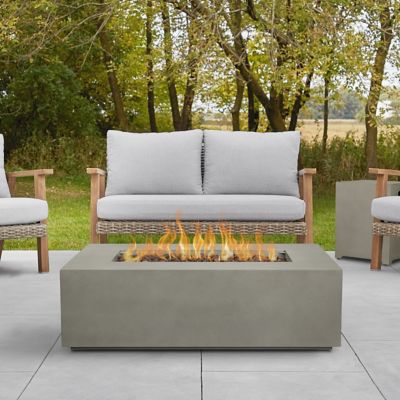
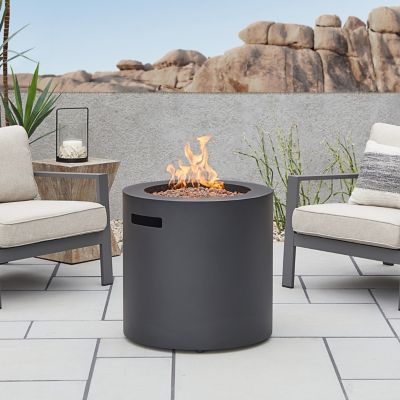
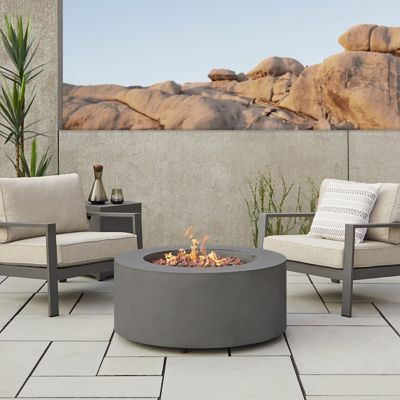
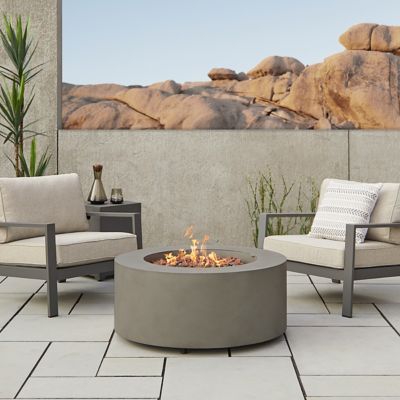
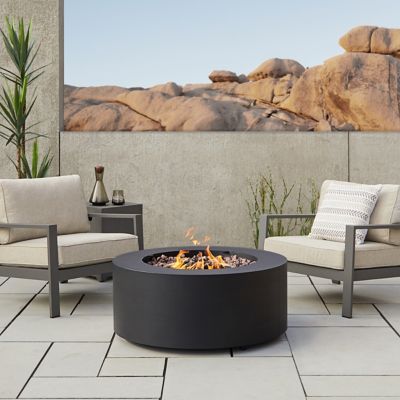
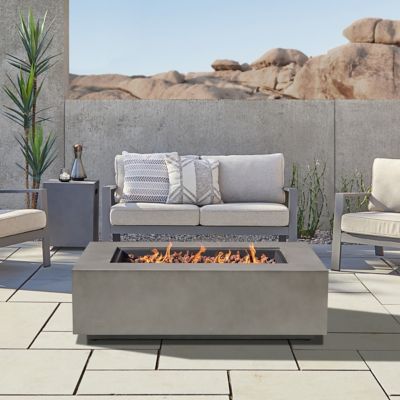
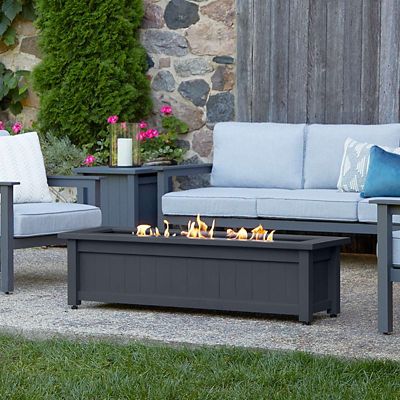
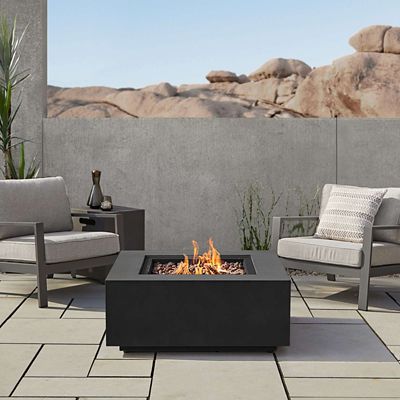
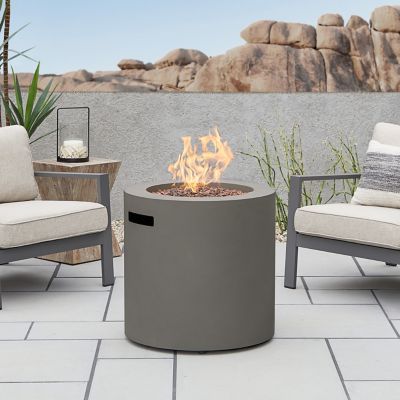
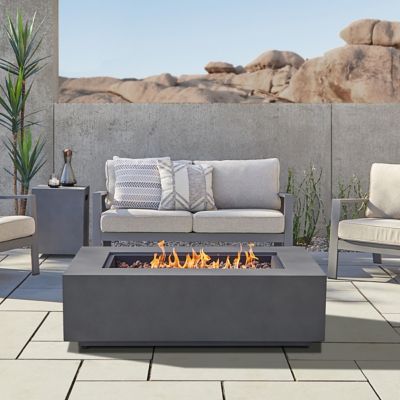
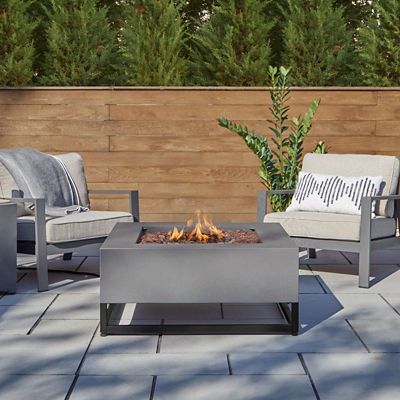
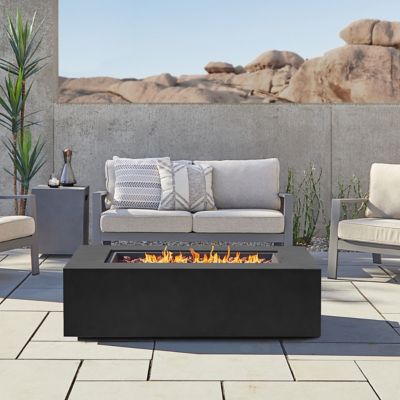
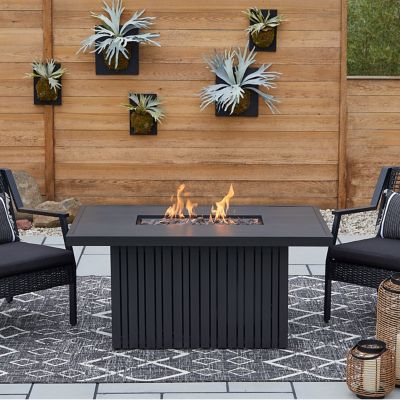
Propane tables bring a gas fire and a practical outdoor tabletop together, giving folks a comfortable spot to settle in after chores, share a conversation, or stretch an evening outdoors. Often called propane fire pit tables, they pair a central burner with a surrounding ledge for drinks and small belongings, with enough separation to keep those belongings away from the flame and hot surfaces. Unlike a wood-burning fire pit, a propane fire table doesn’t need split logs, kindling, or ash cleanup, though it still calls for careful placement and attention whenever the burner is running. Many backyard designs have heat ratings around 50,000 to 60,000 BTUs and connect to a standard 20-pound liquid propane cylinder, but output, tank size, and tank placement vary by design. A BTU rating describes fuel input rather than guaranteeing how warm everyone will feel; wind, seating distance, outside temperature, and the burner layout all make a difference. Some tables tuck the cylinder behind an access door in the base, while others connect to a separate tank enclosure. Push-button ignition and an adjustable control knob are common features, making it straightforward to light the burner and change the flame height according to the operating instructions. Certain designs also include a burner lid that creates more tabletop space after the fire is off and every part has cooled. That flexibility suits an open-air patio where the same seating area handles afternoon company and fireside conversation during the cooler months. For households that enjoy having neighbors over, or couples who prefer a quiet seat outside once the workday winds down, a propane table can serve as the gathering point without taking up a separate fire pit area. It can also make a thoughtful housewarming gift when the recipient has a suitable outdoor space and is comfortable handling propane cylinders.
The best fit starts with how the table sits among the furniture already on the patio. A low rectangular propane fire table often pairs well with a sofa and chairs, while a round or square layout can bring a smaller seating group together. Dining-height designs serve a different purpose than coffee-table-height options, so the relationship between seat height, tabletop height, and legroom matters just as much as the overall footprint. A broad tabletop doesn’t necessarily mean there is much usable surface beside the burner; the width of the outer ledge determines how much room remains for a mug or plate at a safe distance from heat. Allowing room to walk behind chairs and reach the tank compartment helps keep the space comfortable when company arrives. Powder-coated steel, aluminum, cast concrete, and composite materials each offer a different balance of weight, appearance, and upkeep. Steel provides a substantial feel, although scratches in its coating can expose metal to rust. Aluminum is generally lighter and resists rust, but its finish still benefits from regular cleaning and protection. Concrete and concrete-look bodies lend a solid, grounded appearance, with weight and care requirements that depend on their construction. Woven-look bases can coordinate with outdoor seating, provided the surrounding materials are designed for the table’s heat and operating conditions. A level, stable surface and the manufacturer’s required clearances are essential, especially around wood decking, siding, railings, and overhead structures. These tables are for outdoor operation, never inside a house, garage, barn, tent, or enclosed porch. Even an open-sided roof or nearby tree limb can create a clearance concern. An exposed spot beside a pasture may catch more wind than a sheltered backyard, affecting flame behavior and comfort. A manufacturer-approved wind guard may help with ordinary breezes, but it does not make operation safe in strong winds or replace the required separation from combustible materials.
The burner system, fuel connection, and fire media deserve as much attention as the table’s shape and finish. Lava rock and fire glass are common choices for the burner bed, but only the type, size, and amount approved for the table belong there. Ordinary landscape stones and household glass are not substitutes. Properly arranged media supports the intended flame pattern without blocking ignition components or openings that need to remain clear. Anyone comparing
propane burners alongside fire tables should keep compatibility in mind: burner assemblies, regulators, hoses, and controls must match the appliance rather than simply fit the opening. A propane table is not automatically a cooking appliance, either; food preparation belongs only on equipment expressly designed for it. For everyday ownership, easy access to the cylinder valve and connections makes routine checks less awkward. A full 20-pound cylinder may provide several evenings of enjoyment, but actual runtime depends on the burner’s fuel demand and flame setting, so a lower flame generally stretches fuel farther than full output. Cylinders need to remain upright and secured as directed, with ventilation openings unobstructed and hoses protected from heat, pinching, and foot traffic. Leak checks should follow the manufacturer’s procedure with an approved leak-detection solution, never an open flame. Between gatherings, a fitted weather cover helps limit exposure to rain, dirt, and fallen leaves, but it belongs on the table only after the burner, media, and surrounding surfaces have completely cooled. Fire media must be dry before lighting, since trapped moisture can cause popping or breakage when heated. Cleaning with products suitable for the table’s finish, clearing debris from the burner area as directed, and checking for corrosion or hose damage help support a longer service life. Where freezing weather is common, the table’s storage and winter-care instructions matter, particularly for surfaces that can hold moisture. Children and pets need supervision around both the flame and the hot tabletop, and a lit table should never be left unattended. With the right placement and regular care, a propane fire pit table gives an outdoor seating area a welcoming focal point for cool evenings and unhurried visits.