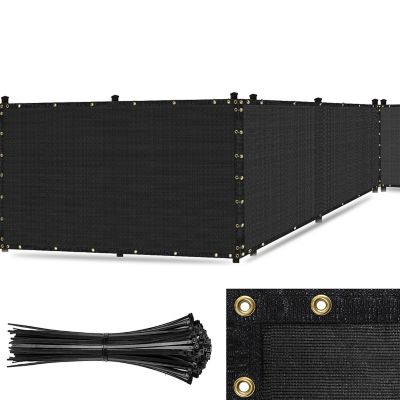
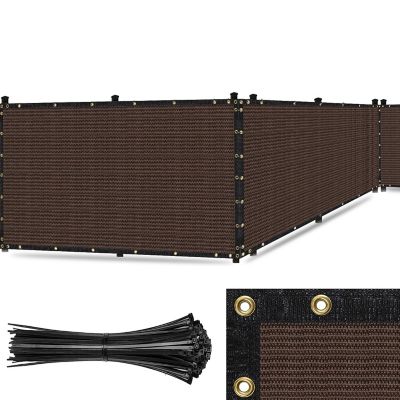
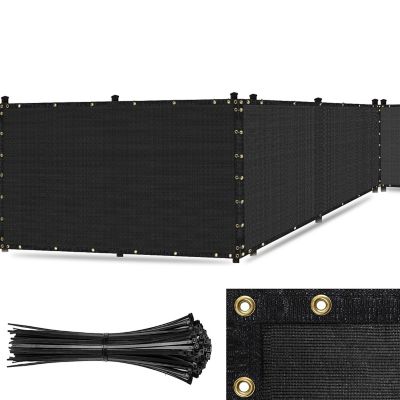
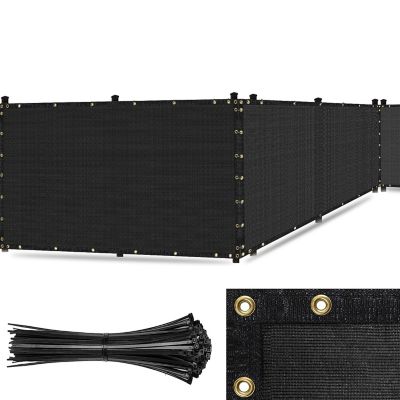
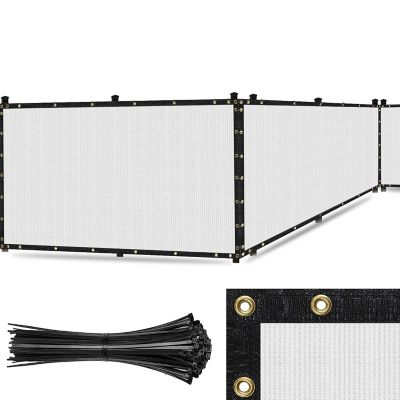
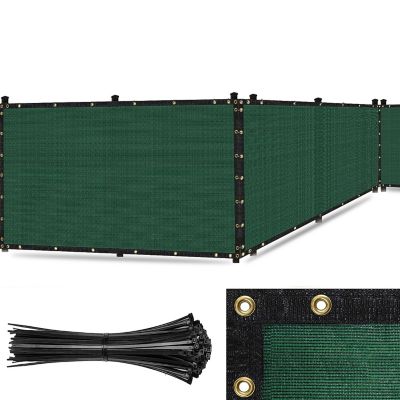
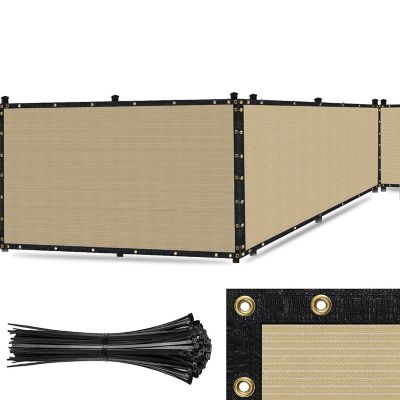
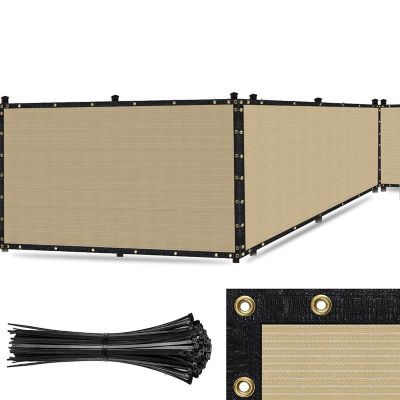
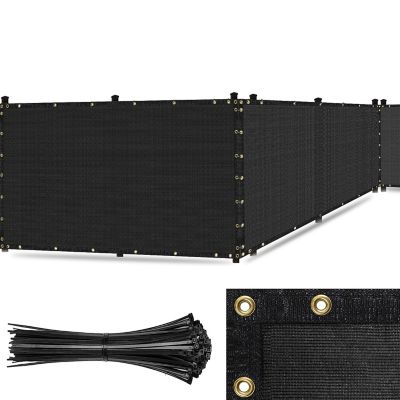
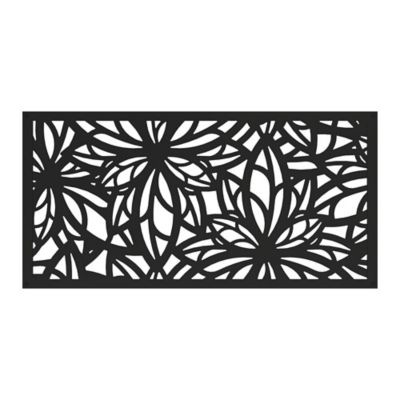
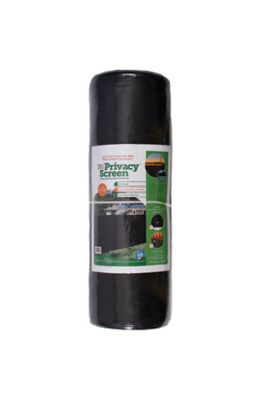
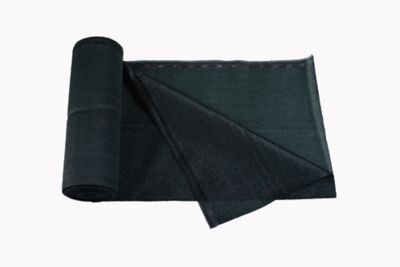
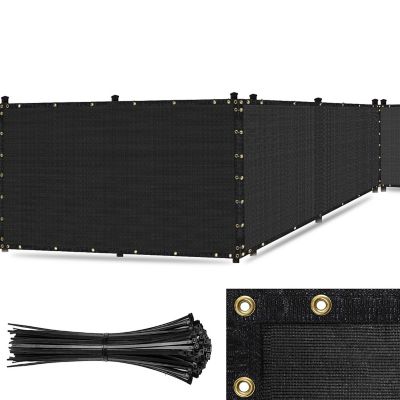
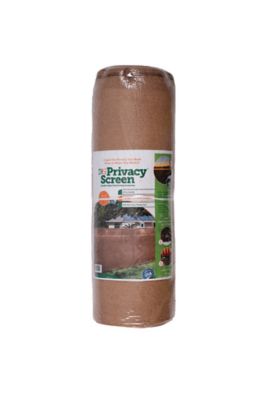
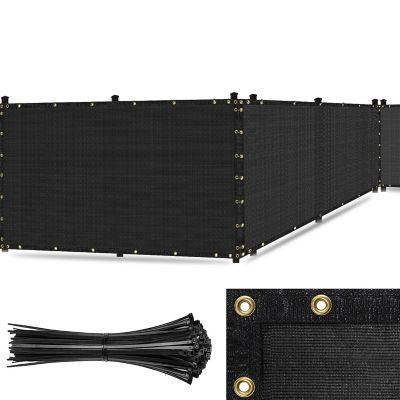
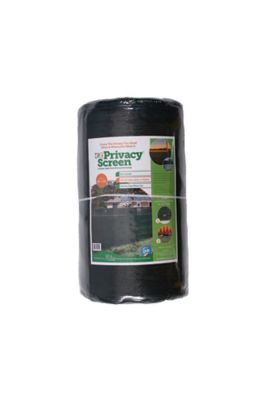
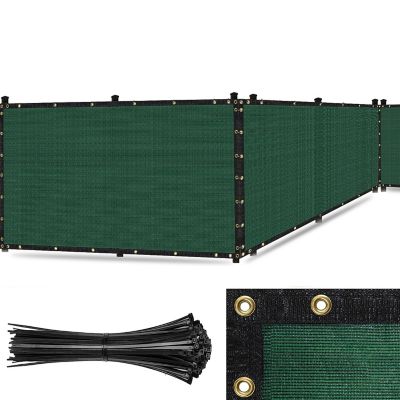
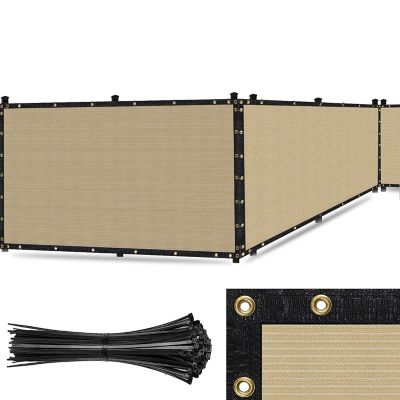
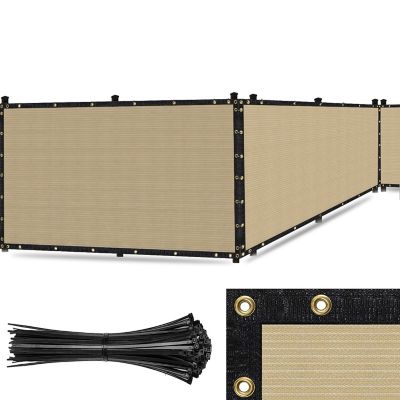
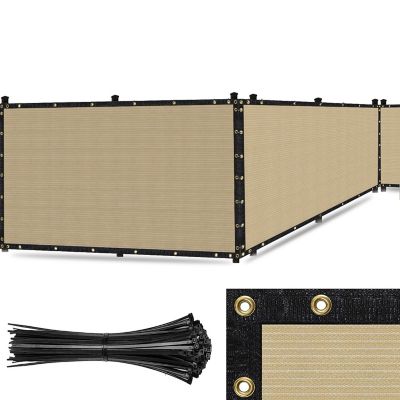
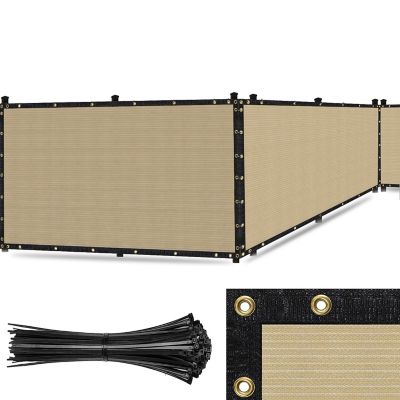
Privacy screen kits make it easier to add a little separation, shade, and good looks to the places around your home, farm, or business that feel too exposed. Use one to tuck away trash cans, recycling bins, air-conditioning equipment, pool gear, firewood, hoses, or feed supplies, or set up a more comfortable corner on a deck, patio, porch, or balcony. A well-placed screen can also help define a sitting area beside a workshop, keep a dog run from feeling wide open, or give guests a bit more privacy near an outdoor kitchen. On rural properties, screens are handy around pump houses, generators, utility equipment, and storage areas that need to stay accessible but do not need to be the first thing visitors see. They can also soften a plain fence line or break up a view across a neighboring lot without the time and expense of building a full fence. For more ideas about larger, permanent outdoor privacy projects, see
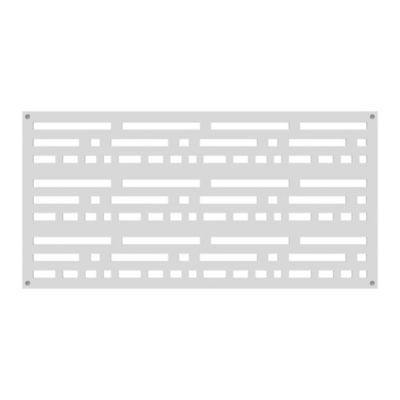
Privacy Screen Fences. Privacy screen kits are generally available as finished panels or as hardware kits that let you build a frame with your own lumber. Finished vinyl, resin, composite, or metal panels are a convenient choice when you want a cleaner installation with less measuring and cutting. Hardware-only kits are useful for do-it-yourself projects, especially when you want to match an existing fence, deck, barn, or house trim. With a hardware kit, you typically purchase the boards separately, giving you control over the screen's width, height, spacing, stain color, and overall style. That flexibility can be especially useful when working around an uneven yard, a narrow side passage, or an oddly shaped equipment pad.
Before choosing a privacy screen kit, take a careful look at where it will stand and what you want it to hide. Measure the available width and height, then check for gates, steps, roof overhangs, outlets, hose bibs, drainage paths, and room to open lids or service equipment. A screen that looks right in a product photo may feel crowded if it sits too close to a grill, generator, condenser, or storage shed. Think about how much privacy you need, too. Closely spaced slats and solid panels block more of the view, while open or decorative patterns allow more light and airflow. If the screen will sit near a porch or seating area, some open spacing can keep the space from feeling boxed in. For a utility area, a more solid panel may do a better job hiding clutter. Height is another practical consideration. A low screen can hide bins and garden tools while keeping sightlines open; a taller screen offers more coverage around a patio or outdoor shower. Keep local rules and property lines in mind, particularly for taller installations, screens attached to a deck, or anything placed near a shared boundary. A quick check with your local building or zoning office can help avoid a frustrating change later. Also consider sun and wind throughout the day. A solid panel catches more wind than a slatted one, and a dark color may absorb more heat in a sunny spot. Screens installed in open fields, on raised decks, or beside buildings that create wind tunnels need sturdy posts, reliable anchors, and installation suited to the surface.
The mounting surface usually determines which kit will work best. Some freestanding screens use weighted bases or posts designed for placement on concrete, pavers, decking, or another firm surface. Others are made for soft ground and may use spikes, driven posts, or a more permanent footing. No-dig systems can be convenient for lighter-duty projects or areas where you do not want to disturb a finished yard, but they still need to be set level and protected from strong gusts. On a deck or concrete slab, look for hardware and anchors that match the material, and avoid guessing when attaching a screen to a railing or structural post. On soil, remove roots and loose fill from the installation area and make sure water can drain away from the posts. A level, square frame will look better and open more smoothly if the screen includes a gate or adjustable section. For DIY builds, select lumber rated for outdoor use and seal or stain cut ends to help slow moisture damage. Metal panels are a good fit for a crisp, low-maintenance look, while vinyl and composite materials are easy to rinse and will not need the same routine painting as wood. During the cooler months, inspect fasteners, posts, and feet after heavy rain, frost, or strong wind, and brush off leaves before they collect against the bottom edge. Privacy screen kits can make a thoughtful gift for a new homeowner, someone setting up a first apartment patio, or a handy friend who enjoys weekend projects. They are also practical for anyone preparing an outdoor space for gatherings, organizing a busy homestead, or making a small yard feel more settled. A little planning around size, material, anchoring, airflow, and access will help you choose a screen that looks at home and keeps doing its job season after season.