Fasteners For Pressure Treated Lumber
Find fasteners for pressure treated lumber to match your next building or repair job. As you browse, check each fastener’s listed compatibility with treated wood, corrosion resistance, and size to help choose the right fit for your lumber and project requirements.
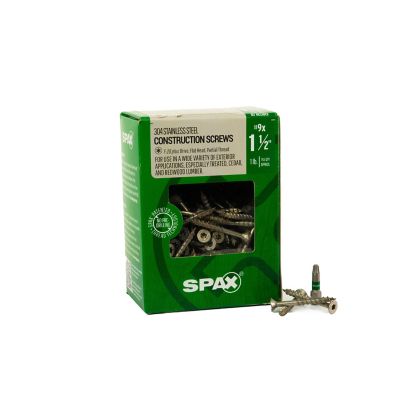
$23
.39
Sale Was $25.99 Save $2.60 (10%)
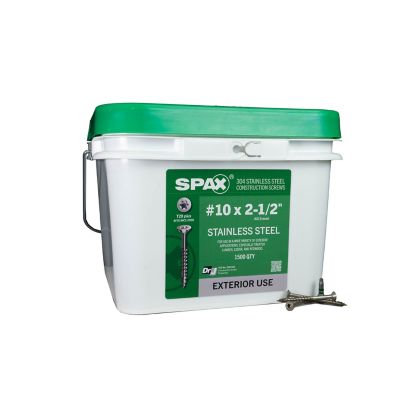
$242
.99
Sale Was $269.99 Save $27.00 (10%)
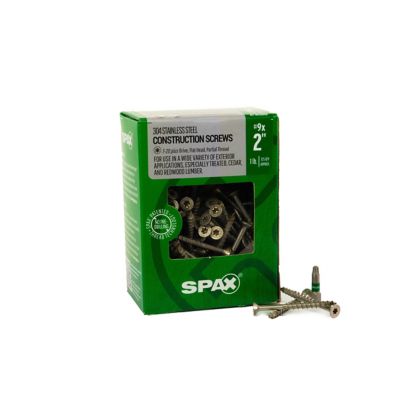
$23
.39
Sale Was $25.99 Save $2.60 (10%)
$26
.99
Sale Was $29.99 Save $3.00 (10%)
$229
.49
Sale Was $254.99 Save $25.50 (10%)
$197
.99
Sale Was $219.99 Save $22.00 (10%)
$11
.69
Sale Was $12.99 Save $1.30 (10%)

$35
.09
Sale Was $38.99 Save $3.90 (10%)

$166
.49
Sale Was $184.99 Save $18.50 (10%)
$32
.39
Sale Was $35.99 Save $3.60 (10%)

$35
.09
Sale Was $38.99 Save $3.90 (10%)

$152
.99
Sale Was $169.99 Save $17.00 (10%)

$11
.69
Sale Was $12.99 Save $1.30 (10%)
$53
.99
Sale Was $59.99 Save $6.00 (10%)

$332
.99
Sale Was $369.99 Save $37.00 (10%)
$242
.99
Sale Was $269.99 Save $27.00 (10%)
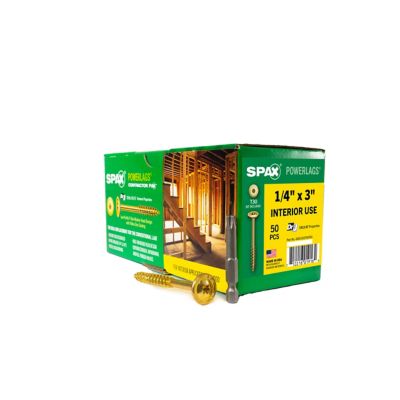
$17
.09
Sale Was $18.99 Save $1.90 (10%)
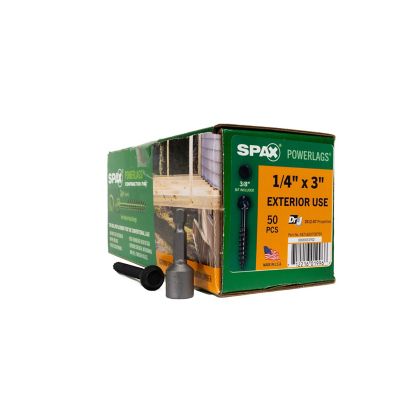
$26
.99
Sale Was $29.99 Save $3.00 (10%)
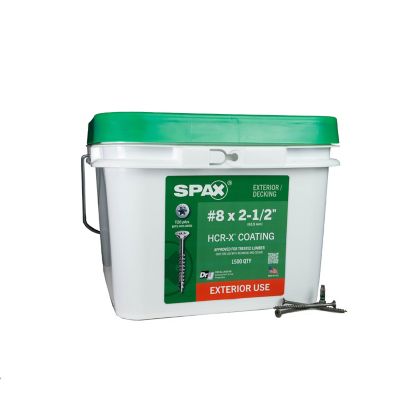
$121
.49
Sale Was $134.99 Save $13.50 (10%)
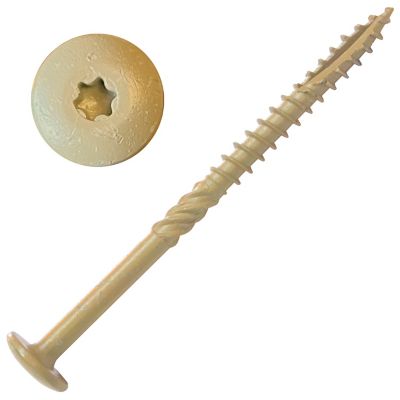
$20
.69
Sale Was $22.99 Save $2.30 (10%)

$27
.89
Sale Was $30.99 Save $3.10 (10%)
$29
.69
Sale Was $32.99 Save $3.30 (10%)
Best Of FAQ
What types of fasteners are common in pressure-treated lumber projects?
Nails, screws and bolts are common fastener types, with nuts and washers included in some bolted connections. The right category depends on the project plans and the hardware involved. Check the fastener manufacturer's labeling for compatibility with pressure-treated lumber.
How do nails and screws differ in pressure-treated lumber projects?
Nails are driven into lumber with a hammer or nailer, while screws have threads and a head that accepts a driver bit. Project plans and connector instructions generally specify which fastener type a connection calls for.
What drive styles might I see on screws for pressure-treated lumber?
Screw drive styles can include Phillips, square and star-shaped recesses. The drive style describes the shape in the screw head, not its compatibility with treated wood. Match your driver bit to the style listed on the package.
Are fasteners the same as framing connectors?
No. Fasteners are items such as nails, screws and bolts. Framing connectors include brackets, joist hangers and post bases that join parts of a structure. Connectors have their own fastener requirements, so check their instructions before putting together your project list.
How can I keep fasteners for pressure-treated lumber organized between projects?
Keep them in their original labeled packages or separate, clearly labeled bins in a dry spot. Save the manufacturer information and treated-lumber compatibility details with each batch so you can tell similar-looking fasteners apart when the next job comes around.
Best Sellers
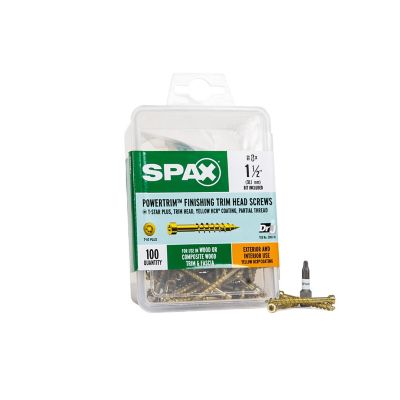
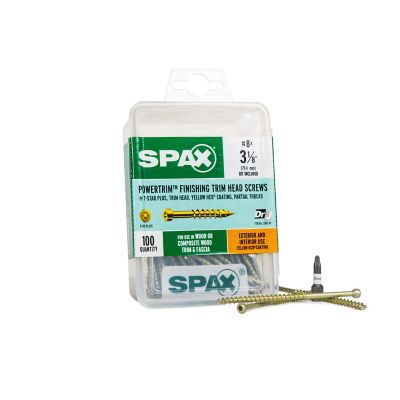
-
"These screws are extremely durable, have a great thread for pulling my wood projects together, and was"
-
"They are obviously a great material and hold up to the weather, but they were great for fastening the"
-
"These are great screws. Been using SPAX for awhile"
-
"Bought a container to try out, looks great and feels like they will last a long time"
-
"was collected as part of a promotion.] got this to do my cabinets in kitchen with, they turned out great"