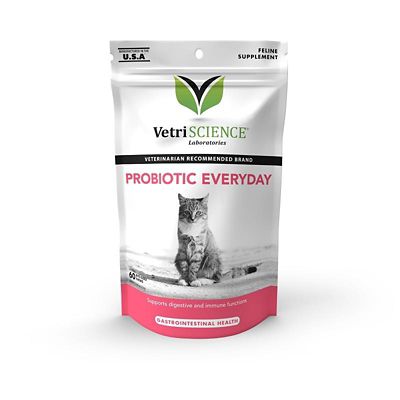
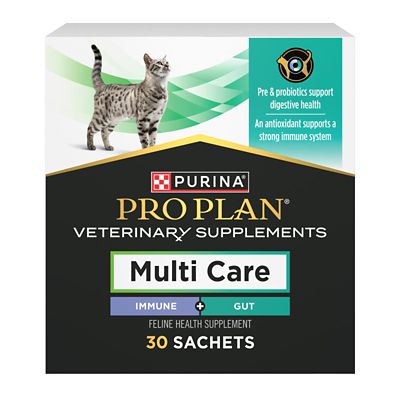
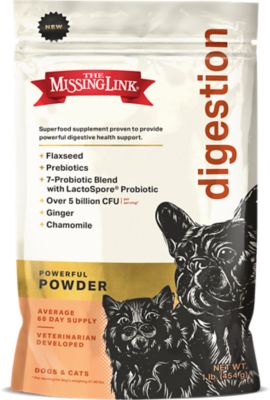
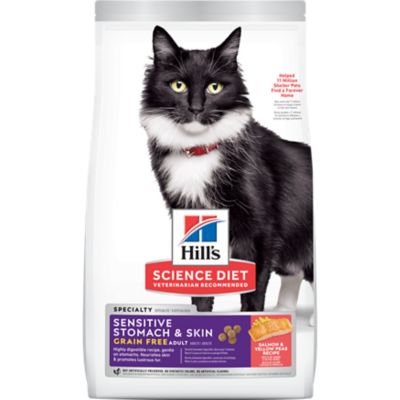
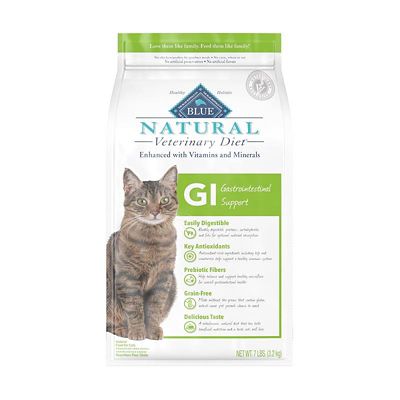
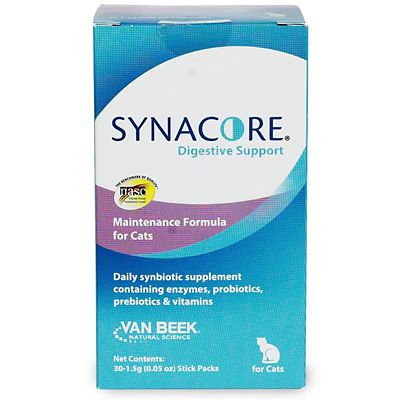
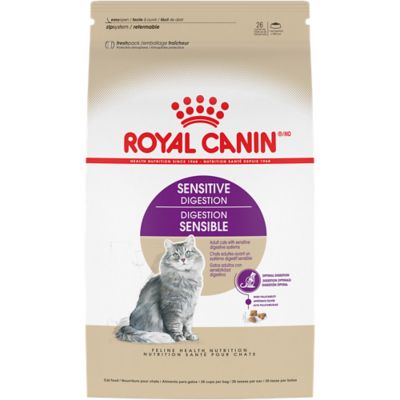
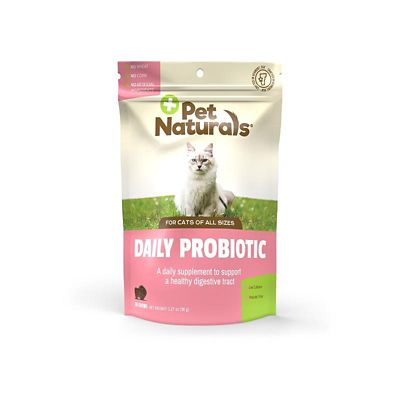
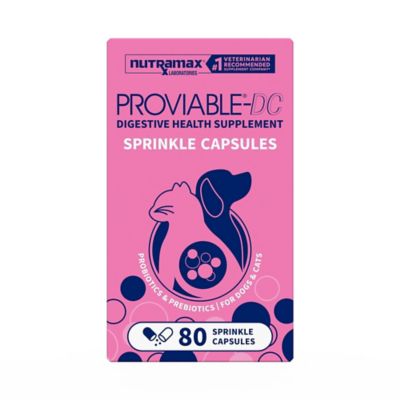
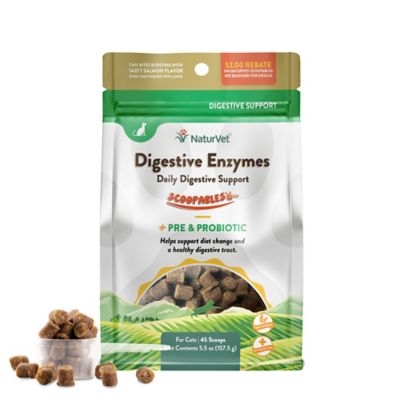
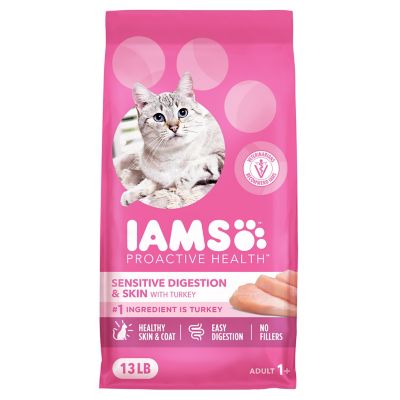
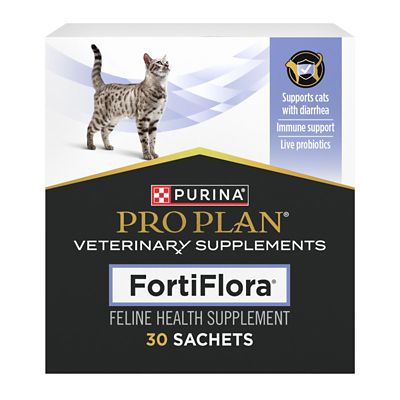
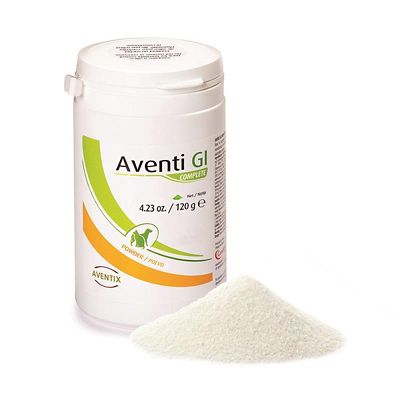
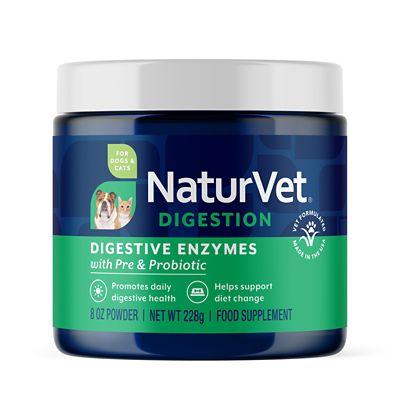
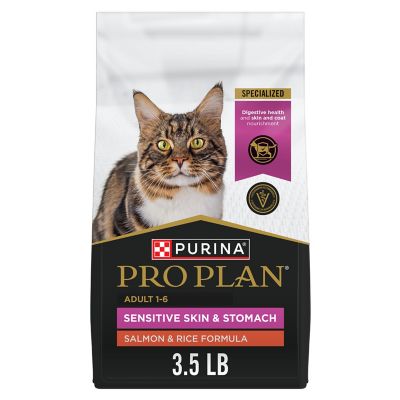
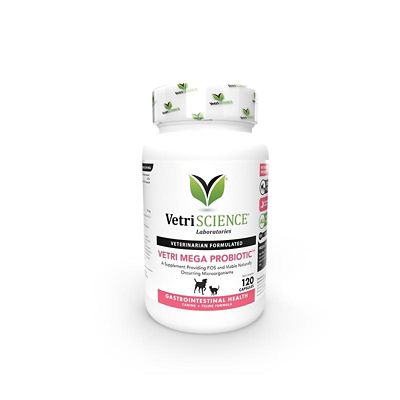
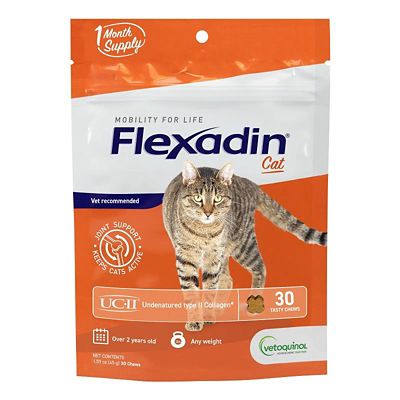
Cat prebiotics are dietary ingredients that nourish beneficial bacteria in a cat’s digestive tract, helping support a balanced gut environment and normal digestion. Many are certain types of nondigestible fiber, meaning they reach the gut without being fully broken down by the cat’s own digestive enzymes. There, beneficial microbes can ferment them and produce compounds that help maintain the intestinal environment. Inulin and fructooligosaccharides, often shortened to FOS on ingredient labels, are examples of prebiotic ingredients. Prebiotics differ from probiotics: probiotics supply live microorganisms, while prebiotics provide food for beneficial microbes already present in the gut. Some digestive supplements combine both, and these combinations may be described as synbiotics when formulated to work together. Not every fiber is a prebiotic, and a longer ingredient list does not necessarily mean better digestive support. The ingredient, serving amount, and evidence behind the formula matter more than a long list of promises. Cat prebiotic supplements may help support normal stool consistency and digestive function, but results depend on the formula and the individual cat. They are not a treatment for every stomach upset, and a healthy cat eating a complete and balanced diet may not need an additional supplement. For households considering digestive support, common formats include powders, soft chews, and liquids. A powder may blend into a small spoonful of wet food, while a chew may suit a cat that readily accepts treats. A liquid calls for careful measuring and a flavor the cat will tolerate. The practical fit matters: a supplement left in the bowl cannot provide its intended serving. Whether the cat spends the afternoon beside the feed-room door or stretched across the couch, the best match is a cat-labeled formula that fits the animal’s health needs and normal feeding routine.
Comparing cat prebiotics starts with the label rather than the front-of-package claims. Clear directions should identify the intended species, suitable ages, serving amount, and any limits or precautions. A formula meant for adult cats is not automatically appropriate for a growing kitten, and an older cat with weight loss or a changing appetite needs more than a different food topper. Serving directions may depend on weight or life stage, so a small cat and a large cat should not automatically receive the same amount. Ingredient details also deserve a close look, especially for cats with known food sensitivities. Flavorings, animal proteins, and other added ingredients can matter just as much as the prebiotic component when a cat follows a restricted diet. A veterinarian can help check whether a supplement fits alongside a prescription food, medication, or an existing digestive support routine. Doubling up on several formulas can add overlapping ingredients without offering a clear benefit. Total fiber intake matters, too, because a cat’s regular food may already contain prebiotic ingredients or other sources of fiber. Extra fiber is not always helpful, particularly when the reason for a stool change has not been identified. For a broader selection of digestive support formulas, explore
Digestive Health Supplements for Cats while comparing ingredient information, feeding directions, and suitability for the individual animal. Texture, aroma, and portion size can make a real difference at mealtime. A cat that licks gravy and leaves chunks behind may also leave a powder sitting at the bottom of the bowl. Mixing an appropriate serving into a small portion the cat normally finishes can make intake easier to track, provided the label allows mixing with food. In a home with several cats, separate feeding spots help keep one eager eater from taking another cat’s portion.
A steady routine makes cat prebiotics easier to manage and gives a clearer picture of how a cat responds. Follow the label and any veterinary directions, including guidance about gradual introduction; adding more than directed does not make a supplement work faster. Too much fermentable fiber can contribute to gas, softer stools, or digestive discomfort in some cats. When practical, avoid changing the main food, treats, and supplements all at once, since several changes together make it harder to tell what agrees with the cat. Fresh drinking water should remain within easy reach, and prebiotic supplements should complement—not replace—a complete and balanced cat food. Chewable formats may contribute calories, which count toward the daily intake of a cat working toward a healthier weight. Product care is straightforward but important: keep containers closed, follow the stated storage conditions, and check the expiration date. Some formulas have different storage needs, particularly those that also contain live probiotic organisms. Dry powders need protection from moisture, measuring tools should stay clean and dry, and liquids need the measuring method specified on the label. Kitchen spoons are not a substitute for a marked measuring tool when directions call for a precise volume. Keep supplements where pets cannot help themselves, especially when the formula has a tempting taste. A brief record of appetite, stool consistency, and serving amounts can help a veterinarian assess whether the routine makes sense. Benefits, if any, may take time to assess, and the label or veterinarian should guide expectations rather than a promise of overnight results. Persistent diarrhea, repeated vomiting, blood in the stool, straining, reduced appetite, or unexplained weight loss calls for veterinary attention instead of another supplement change. Cats that repeatedly visit the litter box while producing little or no urine need urgent veterinary care. With sensible selection and careful feeding, prebiotics can have a place in a cat’s digestive support routine without making supper more complicated than it needs to be.