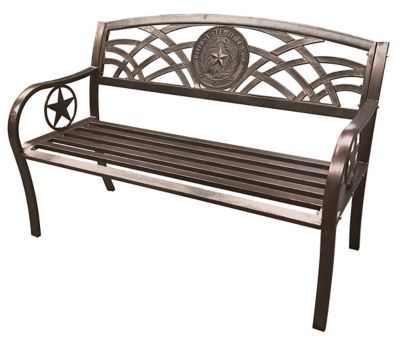
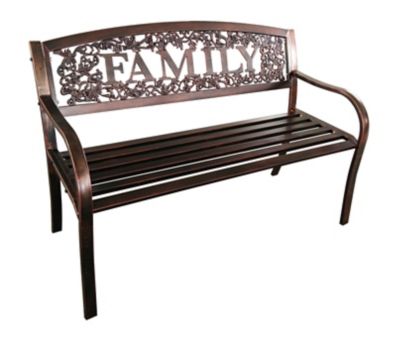
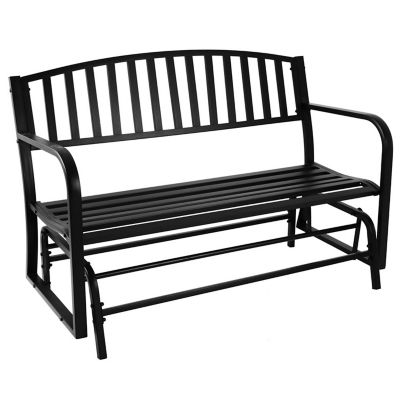
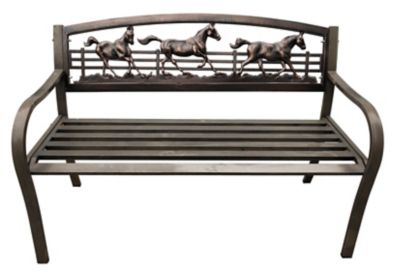
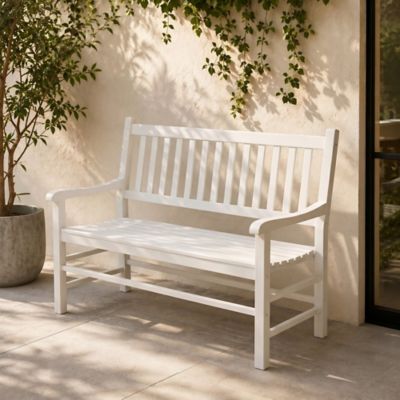
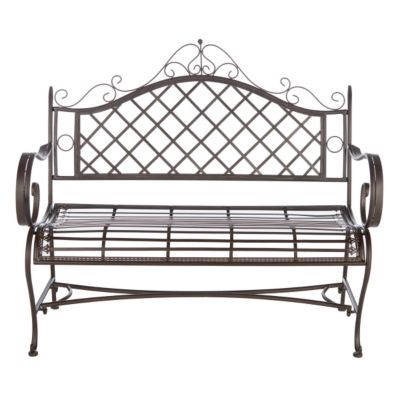
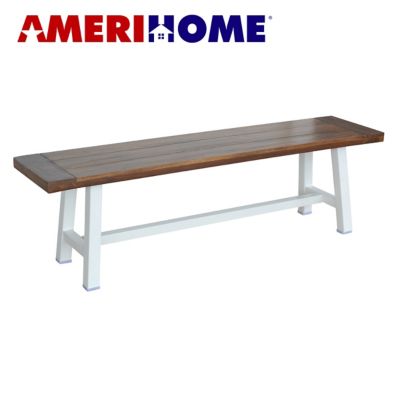
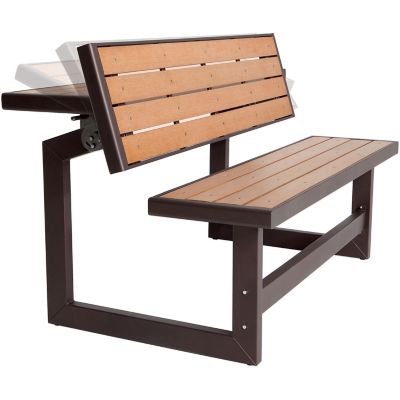
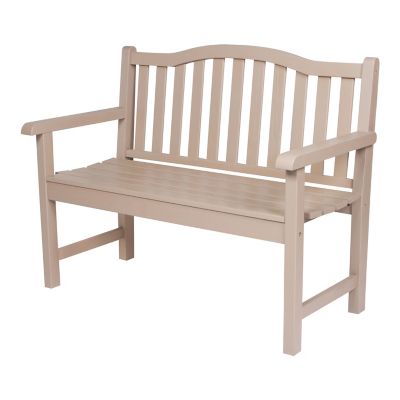
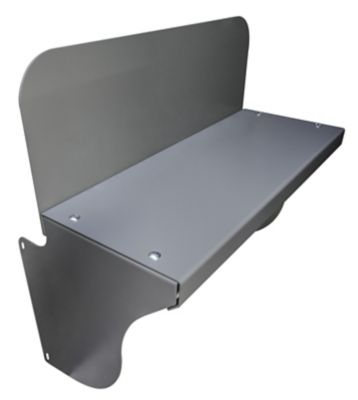
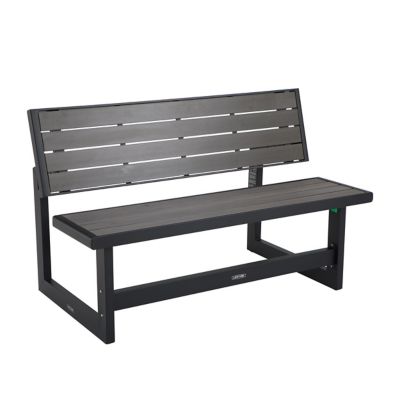
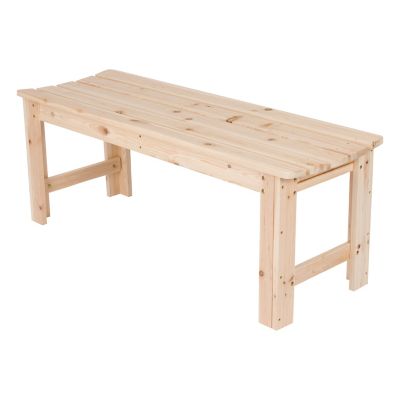
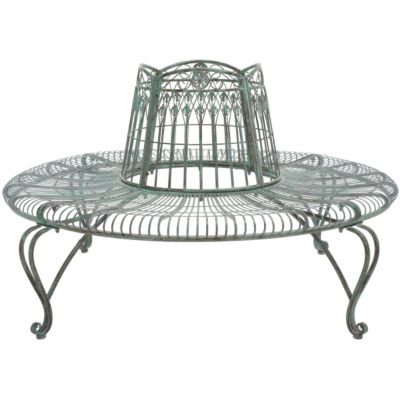
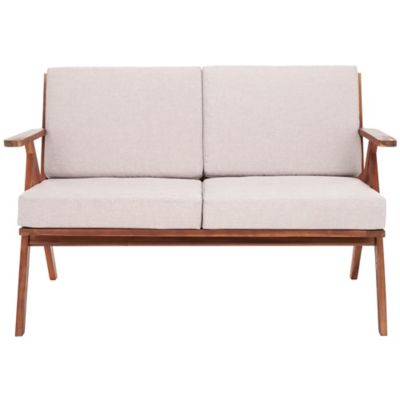
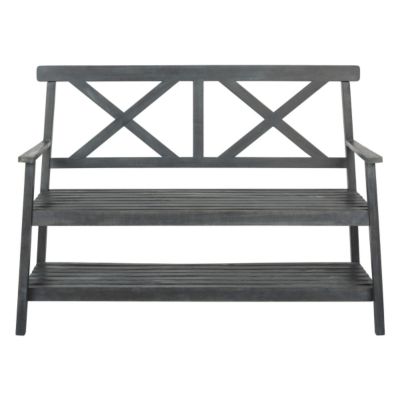
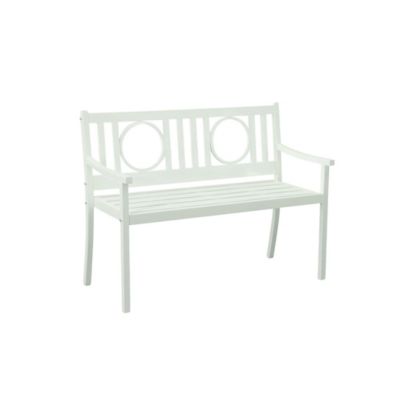
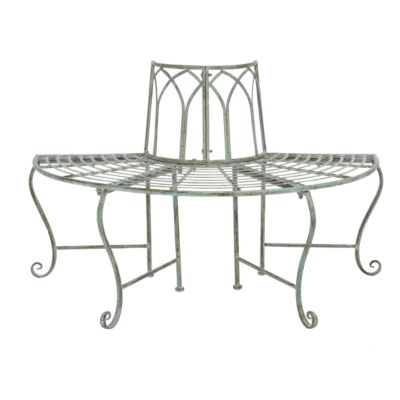
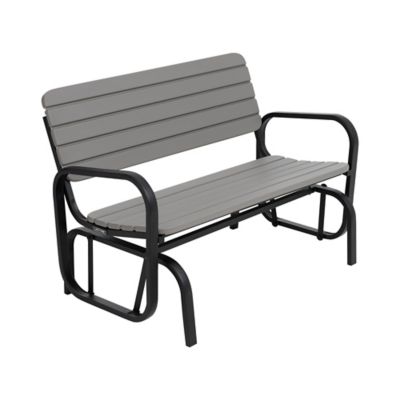
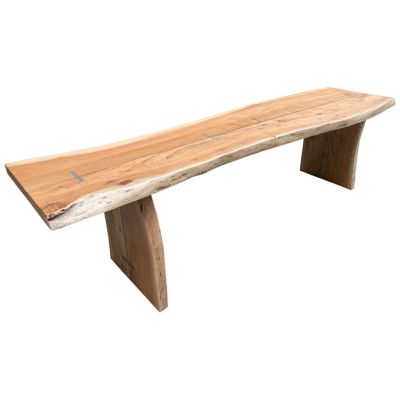
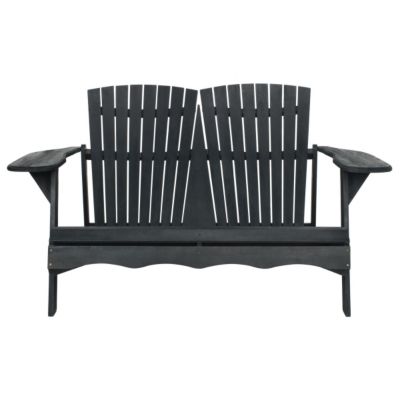
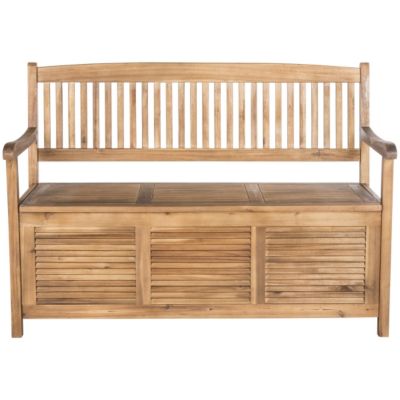
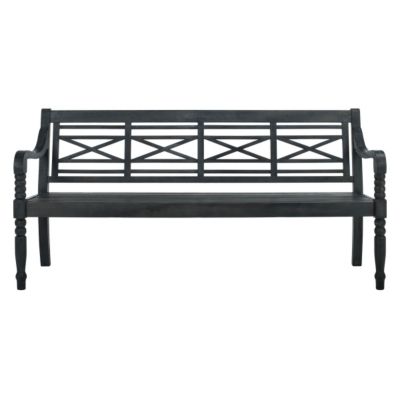
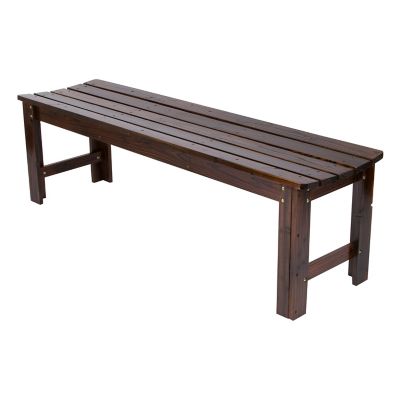
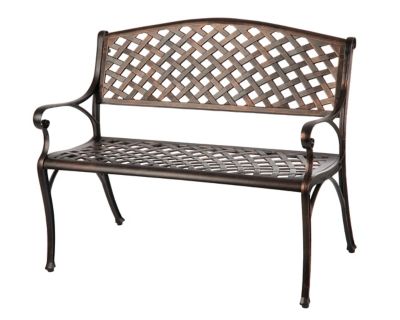
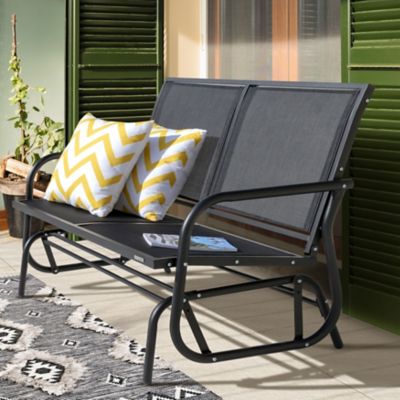
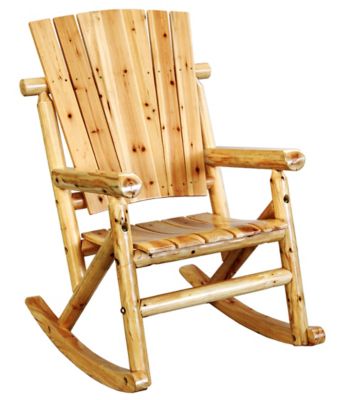
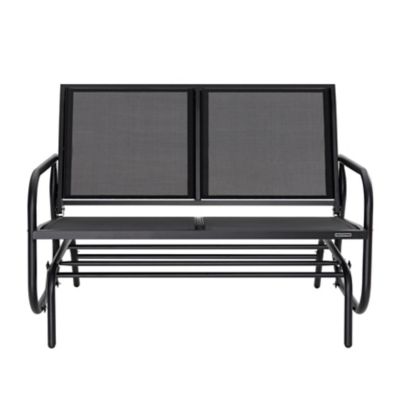
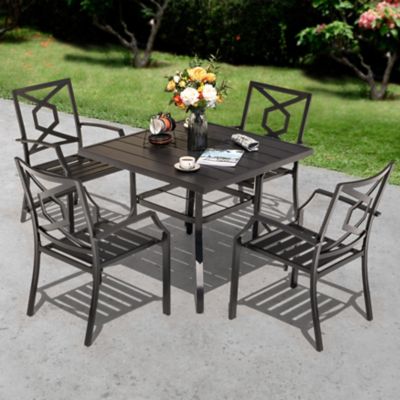
Heavy-duty outdoor benches bring sturdy, shared seating to porches, yards, garden paths, and gathering spots where a chair or two may not be enough. Built for regular use, these benches range from wood seats on cast-iron frames to steel designs and recycled plastic seating suited to busy shared spaces. The heavy-duty label alone does not tell the whole story: frame construction, joint strength, support placement, hardware, and the manufacturer’s stated weight capacity all matter. A bench’s own weight is not the same as its seating capacity, and a substantial appearance does not replace a stated load rating. Steel benches can offer firm support with a straightforward look that fits beside a workshop, at a property entrance, or along a community walkway. Protective finishes help limit corrosion, though scratches and exposed fasteners still deserve attention. Cast iron brings considerable weight and often appears in bench ends paired with wood slats, combining a solid frame with a seat that has a warmer feel. Wood options vary by species and construction, with grain, finish requirements, and resistance to decay worth comparing. Recycled plastic benches offer another approach, with surfaces that do not need the same refinishing routine as wood. Their structural supports remain important, especially across longer seats. Aluminum can be easier to reposition than heavier metals, although construction and bracing still determine how well a bench handles its intended load. Across all these materials, rounded edges, smoothly finished surfaces, sound welds, and well-secured slats contribute to everyday comfort. Cross braces and center supports can also matter on longer benches, where an unsupported span may flex more than expected. For a front porch where neighbors stop to visit, appearance and comfort may lead the decision. For a farm gathering area or shared rest spot, frequent use, cleaning needs, and clear capacity information tend to carry more weight. The right balance comes from matching the bench’s construction to the people, setting, and amount of use it will see.
A bench should fit both its spot on the property and the way people move around it. Overall length helps establish whether it belongs beside the back door or along a fence, but usable seat width gives a better sense of how much room people will have once they sit down. Armrests and shaped ends can take up part of that space, so outside dimensions alone may overstate the seating room. Seat height, depth, and back angle influence comfort just as much as length. A deeper seat may suit a long conversation, while a seat that lets someone place both feet firmly on the ground can make getting up feel more manageable. Armrests can provide a place to push off, provided the bench is stable and the arms are designed to support that movement. Backed benches suit porch visits, garden breaks, and waiting areas; backless benches keep sightlines open and can work alongside a picnic table or in a spot approached from either side. A bench outside the mudroom gives someone a place to pull off work boots, while one near a vegetable patch offers a resting spot between chores. Around a shared table, seat height needs to work with the tabletop and leave enough legroom underneath. Counter-height gathering spaces call for a different seating setup, and
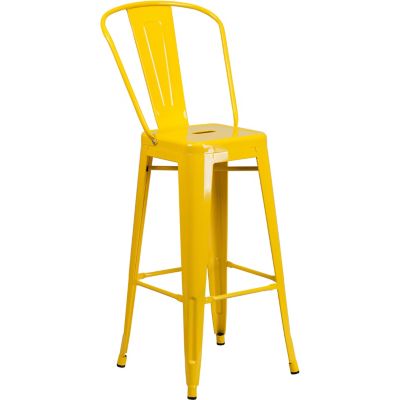
Heavy Duty Outdoor Bar Stools can complement a nearby bar or raised serving counter without asking a standard bench to do the wrong job. Placement also means leaving room for doors, gates, walking routes, and anyone carrying feed bags or garden tools through the area. On patios and hard-packed gathering spots, a level, firm base helps prevent rocking. Grass, loose gravel, and uneven pavers need closer consideration because narrow feet may settle or tilt. For public or shared spaces, placement should also account for applicable access requirements, rather than assuming that a wide seat or armrests alone make a bench suitable for everyone.
Long service starts with construction, but routine care keeps an outdoor bench ready for the next sit-down. Cleaning requirements depend on the material and finish, so the manufacturer’s directions are the starting point for soap, brushes, cleaners, and any protective treatment. Many surfaces can be cleaned with a soft brush or cloth and mild soap, followed by a rinse, but abrasive pads and strong cleaners can damage coatings or mark the seat. Wood may need periodic sealing or refinishing, along with attention to rough grain, cracks, and slat ends. Painted or coated metal benefits from prompt attention to chips that expose the material beneath, using a repair method approved for that finish. Recycled plastic generally avoids sanding and staining, though dirt can still collect around joints, hardware, and textured surfaces. Whatever the material, clear away soil and plant debris trapped around feet and supports, and check that any drainage openings remain clear. Loose bolts, missing hardware, cracked boards, and movement at the joints are reasons to take a bench out of service until it can be repaired properly. Replacement parts need to match the bench’s specifications; an improvised fastener or mismatched slat can change how the seat carries weight. Where anchoring is appropriate, mounting points and hardware should follow the manufacturer’s instructions and suit the surface beneath them. A heavy bench can still shift or tip, so weight alone should not be treated as a substitute for proper placement or fastening. Cushions can soften a firm seat, but their dimensions, ties, and care requirements should fit the bench rather than interfere with armrests or drainage. For a housewarming gift or a shared family gathering place, a bench is most useful when its size and upkeep fit the recipient’s space and habits. Solid support, comfortable proportions, and manageable care make it a welcome place to set down a basket, rest after chores, or settle in for a good visit.