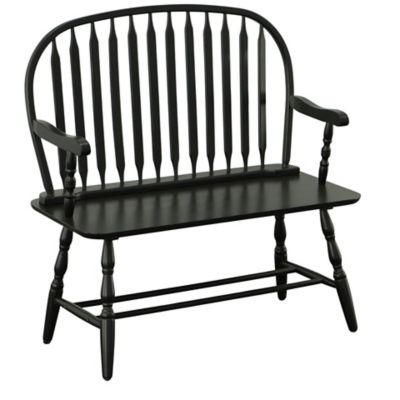
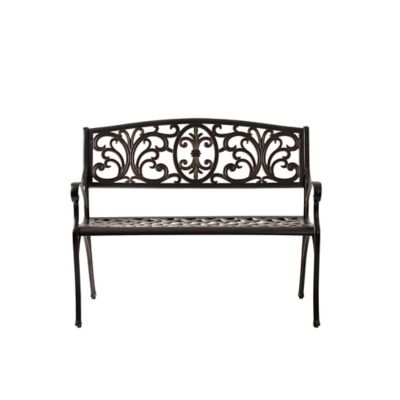
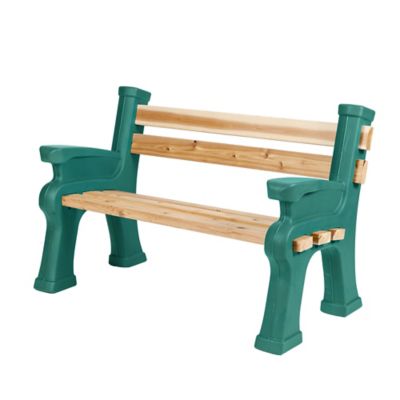
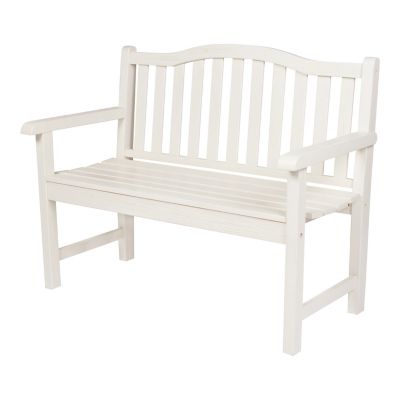
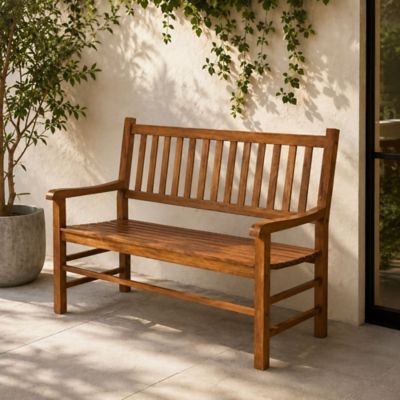
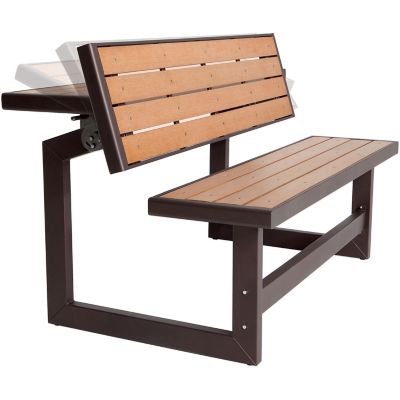
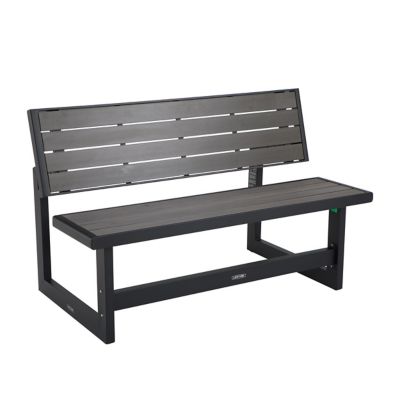
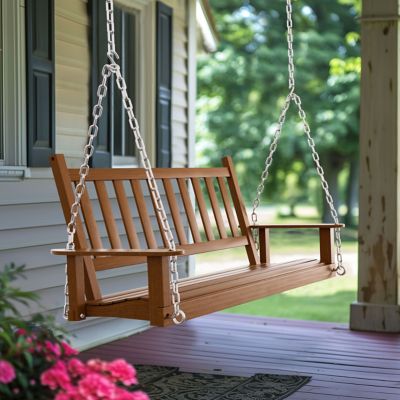
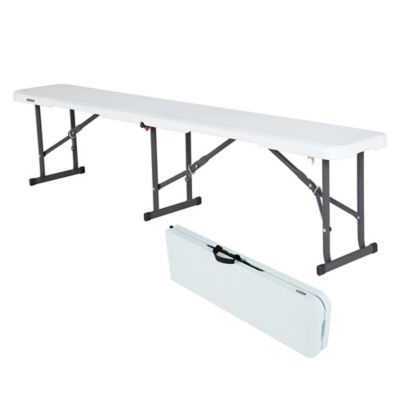
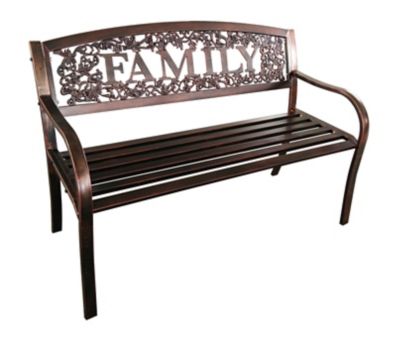
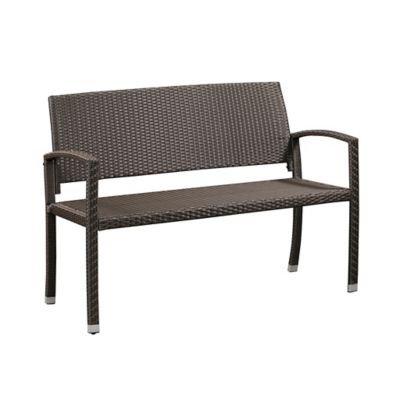
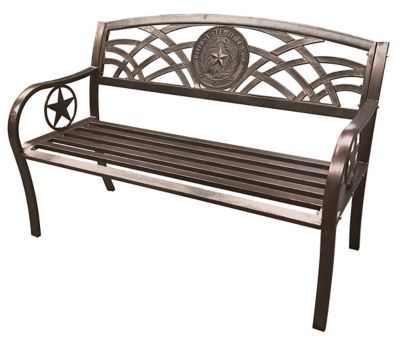
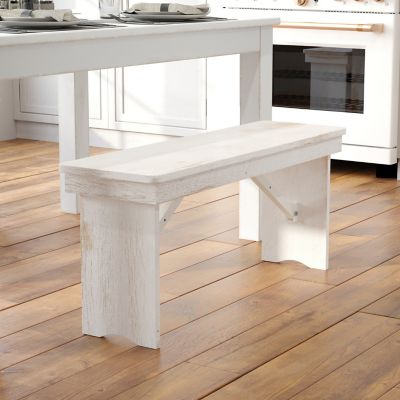
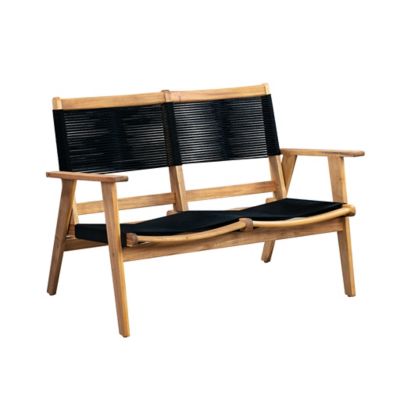
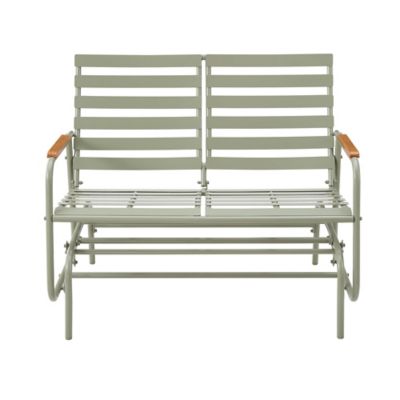
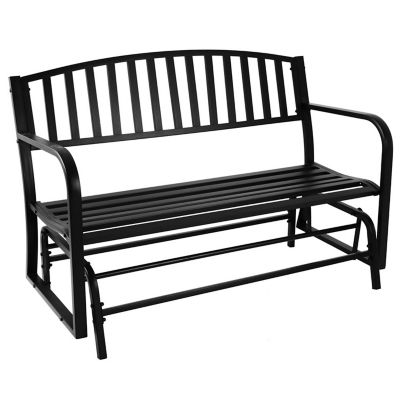
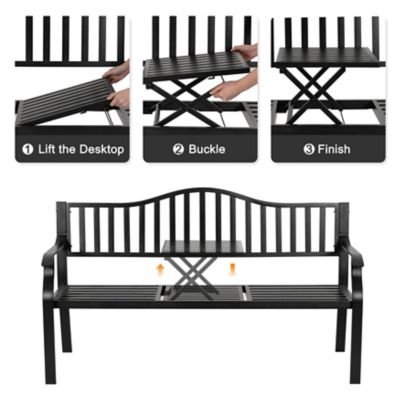
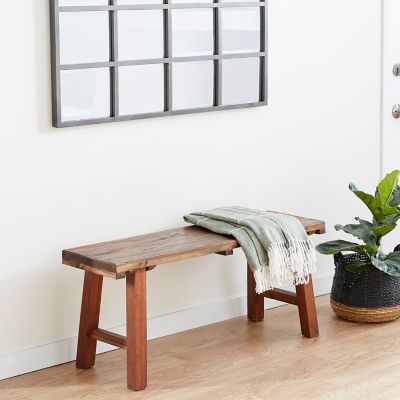
Outdoor benches for porches bring shared seating to the space between the front door and the yard, giving folks a place to pull off work boots, visit with a neighbor, or settle in after chores. The main differences among porch benches come down to material, overall size, seat shape, and whether the frame stays still or allows gentle movement. A straight-backed wood bench suits a farmhouse entry, while a metal frame with open scrollwork can give a small porch a lighter look. Simple slatted designs fit comfortably alongside siding, brick, or stone without making the entry feel crowded. For everyday comfort, the seat deserves as much attention as the appearance. A contoured seat and a slightly angled back can make a longer visit more pleasant, while armrests offer somewhere to rest an elbow and may help with sitting down or standing up. A backless bench keeps sightlines open beneath a window and works well for a quick stop to lace up shoes. Fit involves more than finding a stretch of wall long enough for the frame. Overall width includes arms and other projections, while usable seat width tells more about how much room people actually have. Seat depth and height also affect whether feet rest comfortably on the porch floor. A roomy bench can still feel awkward if it blocks the screen door, narrows the path to the steps, or leaves no space to carry groceries inside. Door swing, railing placement, and nearby furniture all belong in the layout. Where a porch doubles as the main household entrance, a stationary bench along the wall often leaves a more straightforward walking route than seating arranged across the entry. The stated seating capacity and weight limit matter, too; a bench that looks wide enough for several people is not necessarily rated for that load. Matching those details to the household helps make the seating useful for both daily routines and company.
Material affects a porch bench’s weight, upkeep, and long-term wear, so looks are only part of the choice. Wood brings visible grain and a familiar feel that sits naturally beside porch posts and board flooring. Teak, acacia, and eucalyptus are common outdoor furniture woods, but each bench’s finish and construction influence its care needs. Some wood benches are intended to develop a gray patina, while others call for periodic treatment to maintain their original appearance. Oiling, sealing, or staining should follow the manufacturer’s directions rather than a single routine applied to every wood type. Smooth edges, sound joints, and properly tightened hardware are worth attention on seating that gets steady use. Metal offers a different set of strengths. Steel frames can provide substantial support without the thick proportions of some wood designs, and cast iron components lend heft and detailed shapes. Aluminum is generally lighter to move and does not develop the red rust associated with iron or steel, though its finish still needs appropriate care. Powder coating helps protect metal surfaces, but scratches and worn spots deserve attention because exposed steel or iron can corrode. Poly-lumber and recycled-plastic benches offer another option for households that prefer straightforward cleaning without wood staining. These materials do not require the same finish routine as natural wood, although resistance to fading, surface marks, and movement under load varies by construction. No material makes the whole bench maintenance-free: fasteners, joints, feet, and moving parts still need occasional inspection. For routine cleaning, mild soap, water, and a soft brush or cloth are often suitable when the care label allows them. Harsh cleaners and pressure washing can damage certain surfaces or finishes. Clearing grit from slats and keeping moisture from sitting beneath cushions can also help preserve the seating surface. Protective feet may reduce scuffs on porch flooring, provided they suit both the bench and the floor. A level resting place helps prevent rocking and uneven stress on the frame, especially where older porch boards have settled.
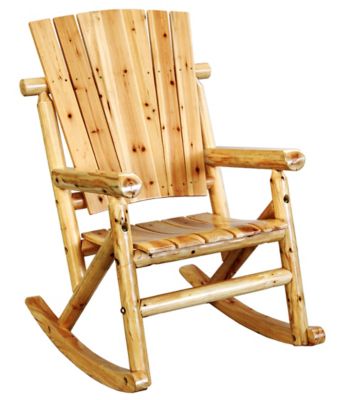
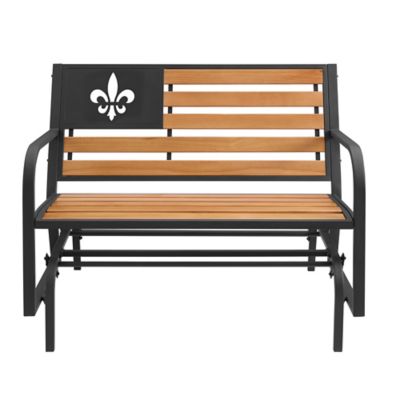
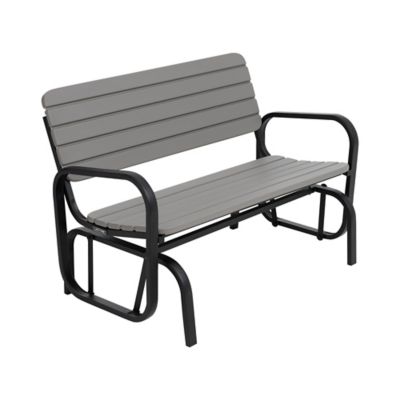
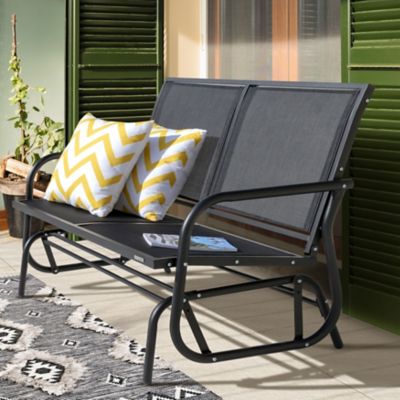
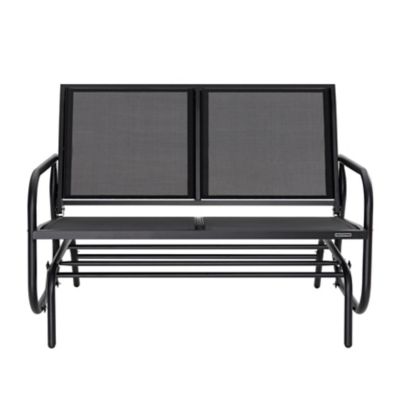
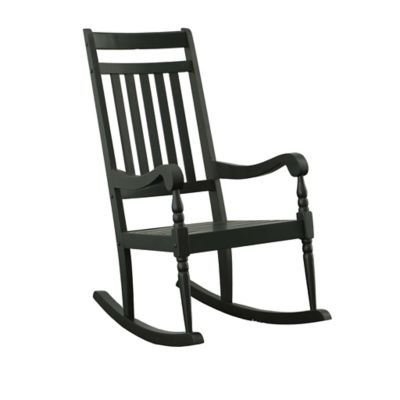
The way a household spends time on the porch helps determine which features earn their place. A storage bench can combine seating with a compartment for small outdoor belongings, keeping the entry more orderly without adding a separate chest. Interior dimensions matter as much as exterior size if the plan is to tuck away seat pads or children’s playthings. A storage compartment is not automatically sealed against moisture, and its lid should have the support and clearance specified by the manufacturer. Glider benches offer a gentle back-and-forth motion while their base remains in place, making them appealing for quiet visits or an evening break. Rocking benches move on curved runners and need an appropriate floor surface along with room for the full rocking arc. Both styles need clearance from walls, railings, and foot traffic, and moving mechanisms call for extra care around small children and pets. A stationary frame keeps things simpler near a busy doorway. Cushions can soften a firm seat, but the right dimensions help prevent overhang, bunching, or a poor fit around the arms. Ties or other suitable attachments help keep a pad in position, and removable covers can make routine cleanup easier. Beneath the seating area,
Outdoor Rugs For Porches can help define a spot for conversation; a flat placement and suitable backing matter near steps and doors. A small table within easy reach gives a coffee mug or book a proper landing place without taking up another seat. For grandparents who enjoy watching the yard, a supportive back and comfortable arm height may matter more than an elaborate frame. For a family with a narrow entry, compact proportions and easy-to-clean surfaces may come first. A porch bench can also make a thoughtful housewarming gift when the recipient’s space, seating preferences, and upkeep expectations are known. The best fit feels like part of the daily routine: a place to set down a chore basket, sit beside a friend, or pause before heading back through the door.