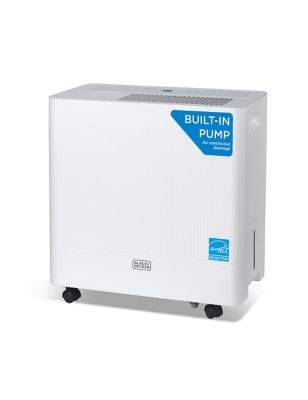
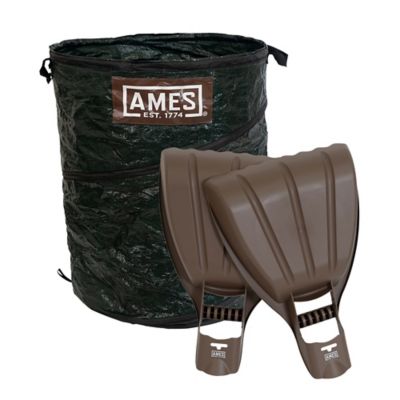
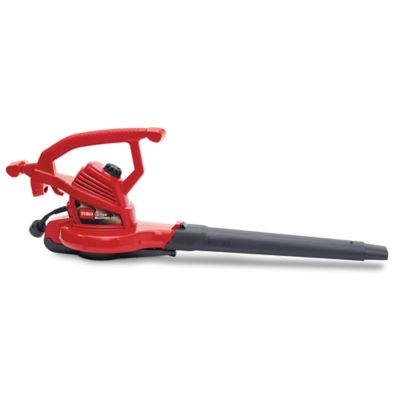
When the winds die down and the skies finally clear, folks all across rural communities know the real work is just getting started. Post hurricane cleanup isn’t just about picking up fallen branches or hauling off the odd bit of debris—it’s about restoring your land, your home, and your peace of mind. Whether you’re clearing fence lines after a storm, hauling waterlogged furniture out of the barn, or helping neighbors dig out from a mess, the right tools and supplies make all the difference. Safety comes first, so sturdy gloves, boots, and protective gear are a must when you’re stepping into the unknown. If you’re dealing with floodwaters, it’s important to avoid wading through standing water, since it can hide sharp debris, downed power lines, or even snakes. Folks living in low-lying areas know that drying out quickly is key, so fans, dehumidifiers, and tarps can help keep mold at bay and protect what’s left until repairs get underway. When it comes to sorting debris, it’s best to separate out electronics, appliances, and hazardous waste from the rest of the pile. That way, you’re not just tidying up—you’re making things safer for everyone in the community, from the utility crews to the neighbors lending a hand.
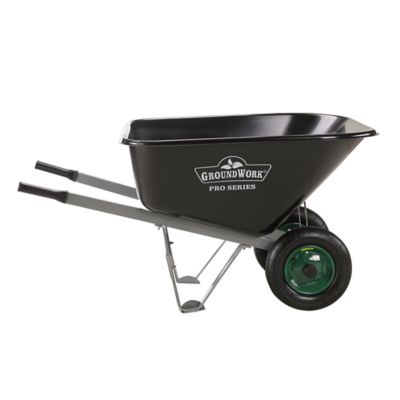
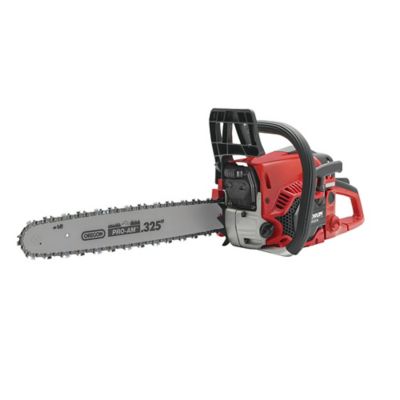
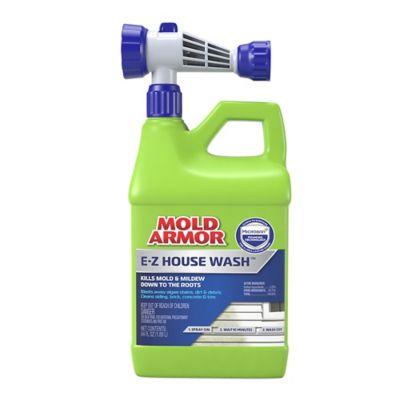
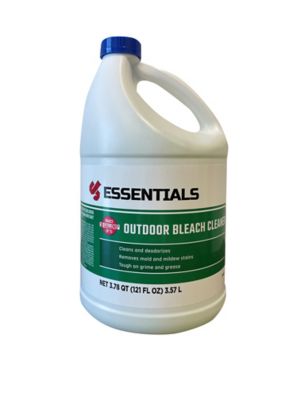
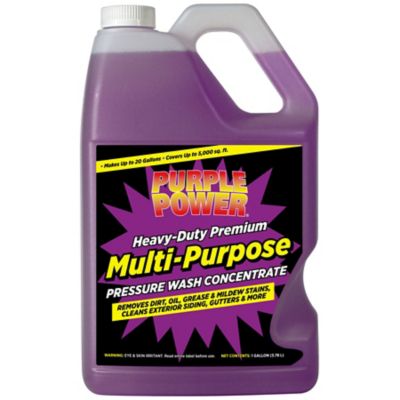
For many, the cleanup isn’t just about their own place. It’s common in rural areas for friends and family to pitch in together, making the work go faster and the load feel a little lighter. That’s why some of the tools and supplies found on a post hurricane cleanup list make thoughtful gifts—especially for folks who might not have everything they need to get started. Chainsaws, like a poulan pro 35cc chainsaw, are a staple for clearing downed limbs and cutting up trees that block driveways or damage outbuildings. Just be sure to keep safety in mind, with eye protection, sturdy chaps, and a good pair of hearing protectors. Wheelbarrows, heavy-duty trash bags, and disinfectants are also essentials, especially when you’re hauling out soaked insulation, ruined drywall, or anything that’s been in contact with floodwater. For hard surfaces like concrete, metal, or wood, a scrub brush and a mix of detergent and water will get things clean before you disinfect with bleach. It’s important to remember that anything that can’t be washed or dried—like mattresses or pillows—will need to be discarded to prevent mold and mildew from taking hold. Even as the weather shifts from summer’s heat to the cooler days of fall, staying ahead of mold means tackling wet spots and leaks as soon as you find them, and never mixing bleach with other cleaners. Once the heavy lifting is done, it’s a good time to take photos and videos of the damage for insurance, making sure you’re covered for repairs down the line.
As the weeks roll by and the fields start to dry out, there’s usually a second wave of cleanup—especially as folks prep for harvest or get ready for fall gatherings. It’s a good idea to keep your cleanup supplies handy, since storms can pop up again before the season’s out. And if you’re already tidying up the yard or pasture, you might want to check out tools that’ll help with the seasonal chores that come with autumn, too. For more ideas on how to tackle yard debris or clear up after the big fall holidays, take a look at our
Halloween Lawn Cleanup Tools page. With the right gear, a little elbow grease, and a helping hand from neighbors, getting your place back in shape after a hurricane—or any big storm—feels a whole lot more manageable. Whether you’re buying for yourself or lending a hand to someone who needs it, these tools and supplies are built for the long haul, making them a smart investment for anyone living where the weather can turn wild.