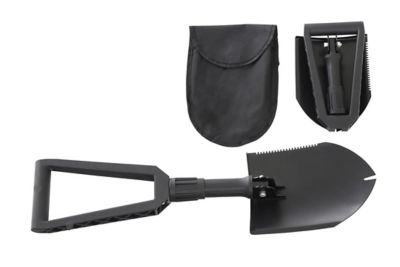
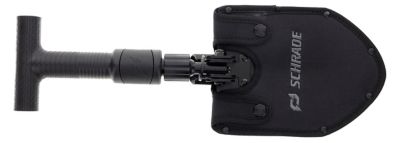
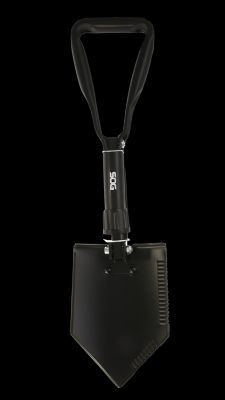
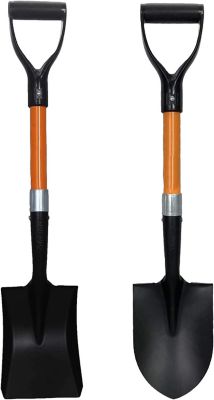
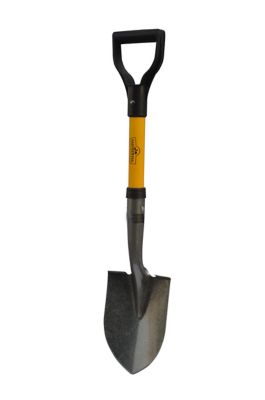
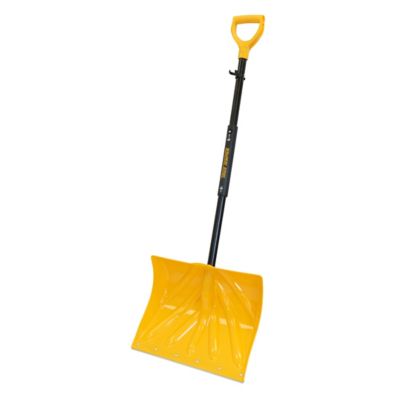
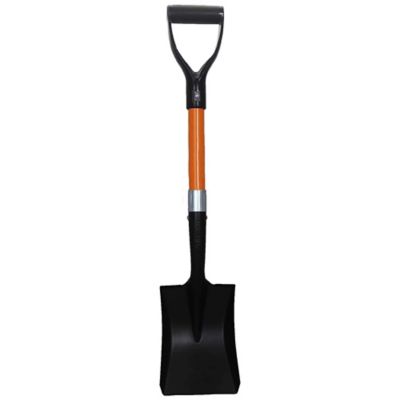
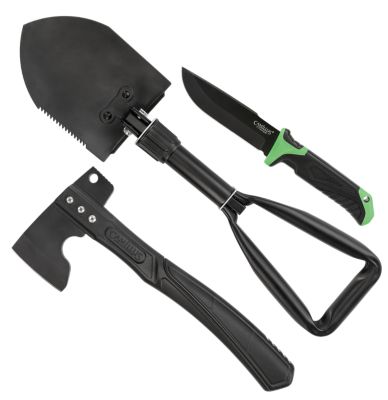
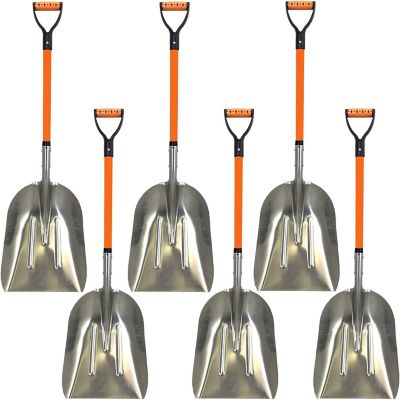
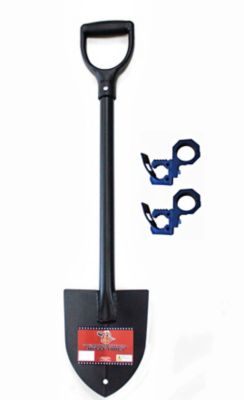
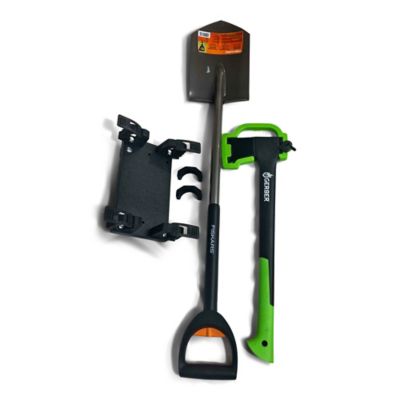
Portable shovels are compact digging tools built for carrying in a pack, keeping in a vehicle, or taking along for small jobs away from the shed. They bring a shovel’s basic scooping and digging functions into a size that is easier to carry than a full-length yard tool. Folding shovels have a blade, handle, or both that fold inward for storage, while telescoping designs shorten along the shaft. Compact fixed-handle shovels keep a simpler shape without folding joints, trading a little extra storage space for fewer moving parts. Small digging trowels fit a different role, handling precise work with a narrow blade and short grip. The right style depends on the job as much as the space it needs to fit. A shovel riding behind a pickup seat can have more heft than one carried several miles in a hiking pack, and a tool for shifting loose sand has different demands than one for breaking into firm soil. Around an acreage, a portable shovel can help scoop soil into a small planting hole, clear loose dirt beside a gate, or tidy a spot that a larger shovel cannot easily reach. On an off-road outing, it can move loose material from around a tire or help clear a path for recovery equipment, though it is only one part of a properly planned vehicle recovery setup. For overnight trips,
Camping Shovels suit small campsite digging tasks where digging is permitted, with pack size and carrying weight often taking priority. These compact tools make the most sense for short stretches of work, not long trenches or repeated loads of heavy soil. A smaller blade moves less material with each scoop, and a short handle generally means more bending or kneeling. That trade-off is often worthwhile when the shovel needs to tuck beside a toolbox, fit inside a gear bag, or stay close at hand without taking over the cargo space.
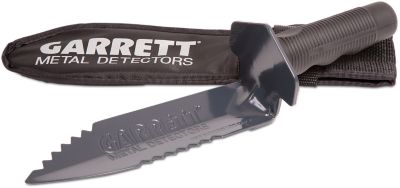
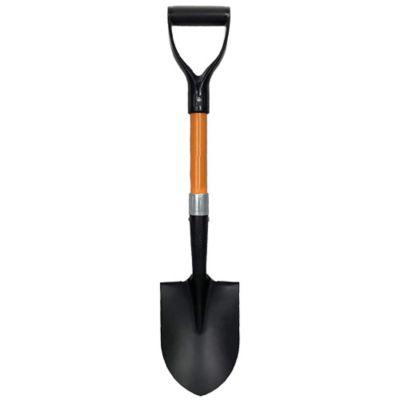
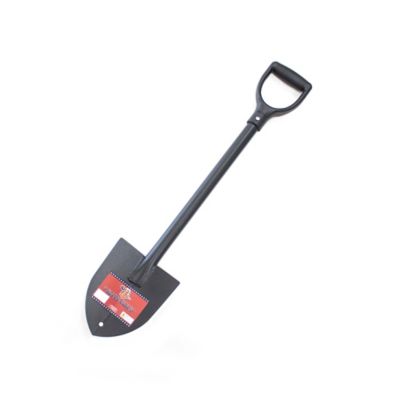
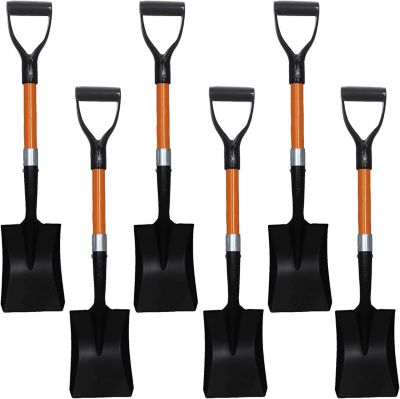
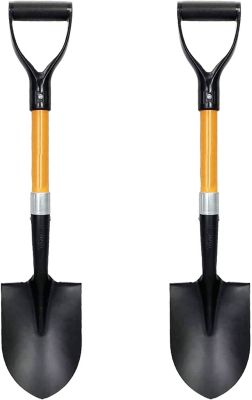
Blade material, shape, and handle construction all affect how a portable shovel feels on the job. Carbon steel is common in digging blades because it offers strength and can hold a working edge, although exposed steel needs protection against rust. Stainless steel adds corrosion resistance, but it is not free from care requirements. Aluminum can help keep carrying weight down, while titanium appears in some lightweight digging trowels intended for pack travel. Material alone does not tell the whole story: blade thickness, shaft construction, and the connection between the head and handle also matter. A pointed blade concentrates pressure for starting a hole in firm ground, while a broader, flatter blade is better suited to scooping loose dirt, sand, or gravel. Serrated edges appear on some designs for cutting small roots or other material within the tool’s stated capabilities; they are not a substitute for the proper saw when thicker wood is involved. Some folding shovels also allow the head to lock at an angle for hoe-style scraping, but that function depends on the design. Secure locking hardware matters wherever a shovel folds or extends, since looseness at a hinge changes how force travels through the tool. A rotating collar, latch, or other lock needs to hold the working position firmly according to the manufacturer’s directions. Handle fit deserves just as much attention as the blade. A D-shaped grip gives the upper hand a place to brace, while a straight handle can take up less space in a narrow storage compartment. Enough room for a gloved hand helps prevent an awkward pinch, and a comfortable grip supports better control when soil clings to the blade. Extended length affects reach and leverage; folded length affects whether the shovel actually fits the intended bag or compartment. Carrying weight, packed dimensions, and working dimensions are worth considering together rather than judging portability by appearance alone. A compact shovel still needs enough room around the grip and joints to work comfortably.
Portable shovels spend plenty of time between jobs, so their storage setup and care can make a real difference in how well they keep working. Soil caught in a hinge or locking collar can interfere with movement, and grit left around an extending shaft can make adjustment harder. Removing clinging dirt, wiping the tool clean, and drying it before putting it away help keep those areas in better shape. A light protective coating on exposed steel may help limit rust when the manufacturer recommends it, while grips should stay free of slippery residue. A sheath or carrying pouch keeps a blade edge from rubbing against a pack, upholstery, or nearby gear, but it works best when the shovel goes inside clean and dry. Before the next job, a look at the blade connection, locking mechanism, and handle can reveal cracks, looseness, or bent parts that need attention. Digging tools are made to move soil, not to serve as pry bars against buried rocks or vehicle parts, and folding joints deserve particular care under heavy leverage. Even a small digging tool calls for the same caution around buried utilities as a full-size shovel. Matching the tool to familiar tasks makes ownership more practical: a gardener may favor a narrow blade for small planting spots, a camper may value a low carrying weight, and someone maintaining fence lines may prefer a compact steel shovel that travels easily with other hand tools. For a gift, the recipient’s routine offers a better starting point than extra attachments alone. A person who keeps a pickup organized, spends weekends on trails, or carries tools between outbuildings may appreciate a shovel that fits an existing kit. The best match brings together manageable size, a comfortable working grip, sensible blade construction, and straightforward care, so the tool earns its place whether it rides in a pack or rests behind the seat.