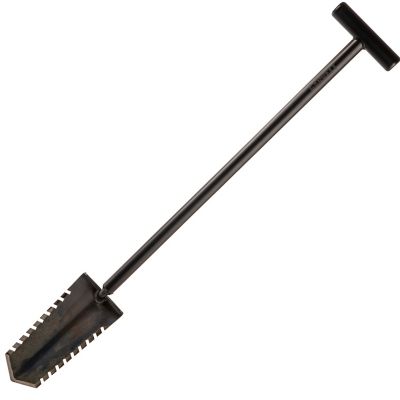
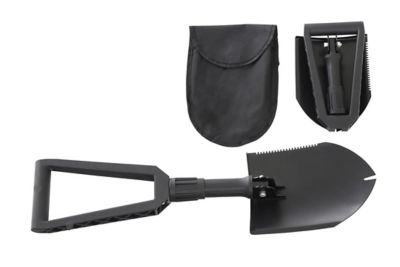
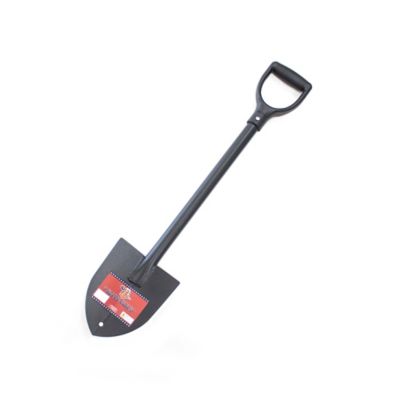
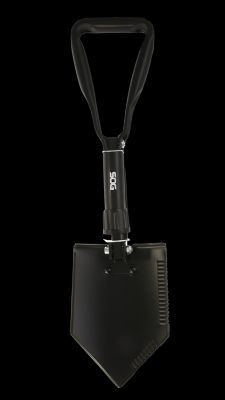
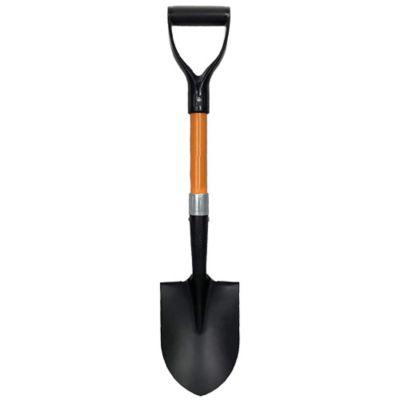
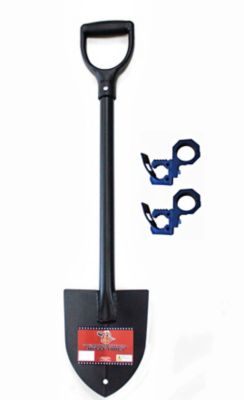
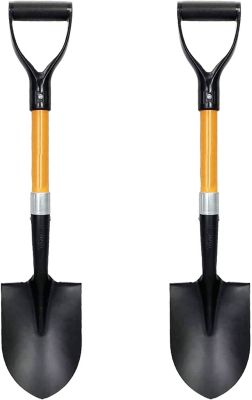
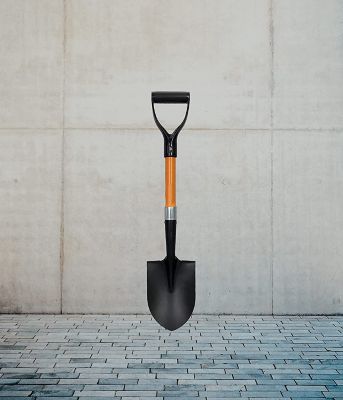
Camping shovels are compact digging tools built for outdoor tasks where a full-length shovel takes up too much room. Often called entrenching tools or e-tools, folding versions tuck into a pack, truck storage compartment, or camp gear box, then open into a working shovel. Other designs have a fixed handle or a shaft that separates into sections for transport. Their main appeal is straightforward: enough blade and handle to move soil without hauling a long-handled tool down the trail. A small shovel can help with permitted sanitation tasks, moving loose dirt, or tending an established campfire area where local rules allow. It belongs alongside practical camp equipment, but it is not a reason to reshape a campsite, cut living roots, or dig a new fire pit. Backpackers, tent campers, hunters, anglers, and folks traveling back roads may all have a place for one, though each trip puts different demands on the tool. Someone walking several miles to camp will notice every ounce, while someone camping beside a truck may favor a larger blade and more handle length. A narrow camping trowel suits small holes in workable soil; a broader shovel head moves more loose material with each scoop. Pointed blades help start a cut into the ground, while flatter cutting edges can be handy for scraping loose material from a firm surface. Neither shape turns a pack-size tool into a substitute for a full-size digging shovel when the work gets substantial. For sanitation, a camping shovel may help dig a cathole where that practice is permitted, generally 6 to 8 inches deep and at least 200 feet from water, trails, and campsites. Local requirements take priority, and some areas require packing out human waste instead. That distinction matters when choosing gear: the right tool supports responsible camp habits rather than making every patch of ground fair game for digging.
Materials, construction, and working length make a big difference in how a camping shovel feels once the blade meets the ground. Steel shovel heads generally suit tougher digging, with carbon steel offering strength but needing attention to cleaning and drying to limit rust. Protective finishes help shield the metal, although contact with grit and stones can wear the coating along the edge. Stainless steel offers corrosion resistance, but it still benefits from a wipe-down before storage. Aluminum keeps weight down and is common in lightweight trowels, making it appealing for foot travel and small digging jobs rather than heavy prying. Blade thickness and shape matter alongside the metal itself; a thin, light blade and a reinforced steel head serve different purposes. For folding camping shovels, the hinge and locking mechanism deserve as much attention as the blade. A secure lock should hold the tool in its intended working position without play, and the joint should be accessible enough to clear away packed dirt. Some designs lock the head at an angle for hoe-like pulling, while others work only in the straight position. Sectional handles offer another way to reduce packed length, though their connections need proper assembly before digging. Handle fit is personal: a D-shaped grip gives the hand a defined hold, a straight shaft packs neatly, and a textured surface can help keep the grip steady. Enough room for a gloved hand is worth considering, especially around enclosed grips and locking collars. Longer handles provide more reach and leverage, while shorter ones call for working closer to the ground. Compare both open and folded measurements, since a tool that fits a storage pouch may still feel too short for the intended task. For a broader look at small-format digging tools,
Compact Shovels offers a related category to consider. The useful comparison is not simply which shovel packs smallest, but which balance of blade size, weight, grip, and reach fits the work.
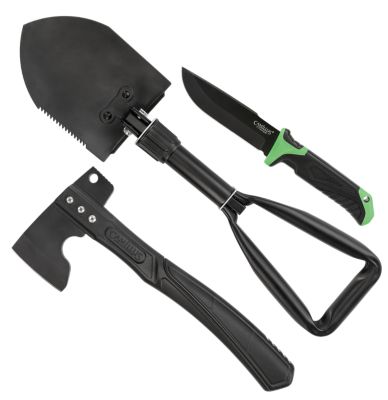
Practical details often become noticeable after the first trip, when there is grit in a hinge and a dirty blade to load beside the rest of the gear. A sheath or fitted carrying pouch helps separate the shovel head from tent fabric, sleeping bags, and other equipment. It should cover exposed edges and hold the tool securely without making it a chore to put away. An attachment loop may suit a pack or gear rack, but a shovel carried outside a bag needs a firm fastening so it cannot swing or snag along the trail. Added features also deserve a task-based look. A serrated edge may help with limited cutting where permitted, but it does not replace a proper saw; a striking surface should only handle hammering if the manufacturer specifies that function. More attachments can mean more weight and more connections to maintain, so a straightforward folding shovel may make more sense than a tool loaded with functions that never leave the pouch. Around an established campfire ring, a shovel can help stir ashes and embers as water is added, following campground rules. Dirt alone is not a dependable way to extinguish a fire, and buried coals can remain hot. The fire should be fully out and the ashes cool before anyone leaves. After digging, remove soil from the blade, threads, and hinge, then dry the tool thoroughly. Follow the manufacturer's directions for lubricating moving parts and protecting exposed metal, and check for loose fasteners, bent sections, cracks, or a lock that no longer seats firmly. Store the shovel dry rather than sealing it inside a damp pouch. Those simple habits support a longer service life and make problems easier to spot before the next outing. As a gift for a camper or someone putting together a truck-based camp kit, a camping shovel makes the most sense when it matches how that person travels. A light trowel fits a walking-focused kit, while a larger folding design suits someone with room to carry a little more tool. The best fit is a shovel that earns its space through manageable weight, sound construction, and a comfortable working grip.