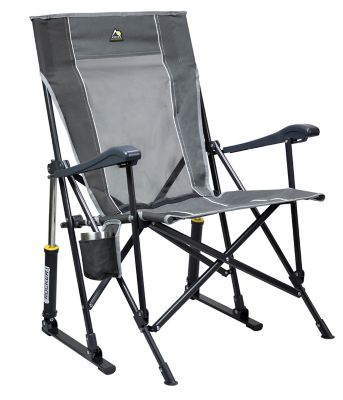
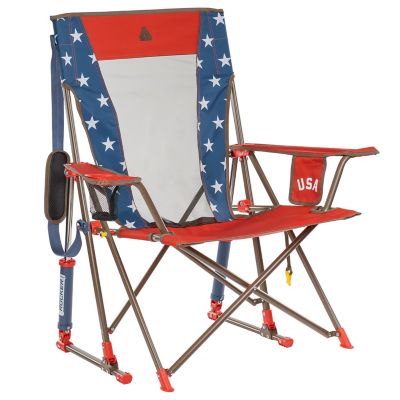
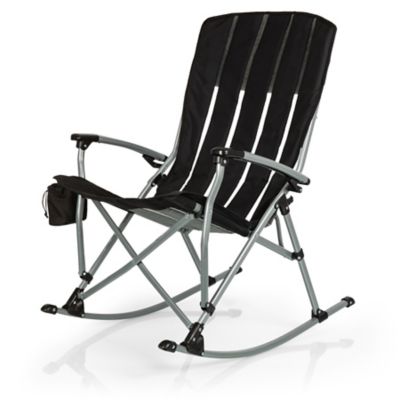
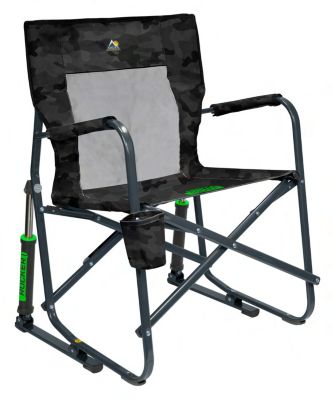
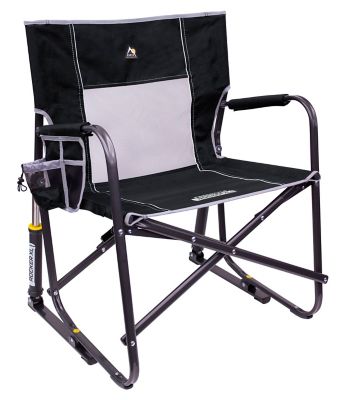
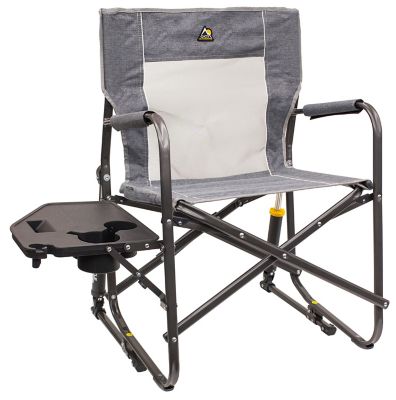
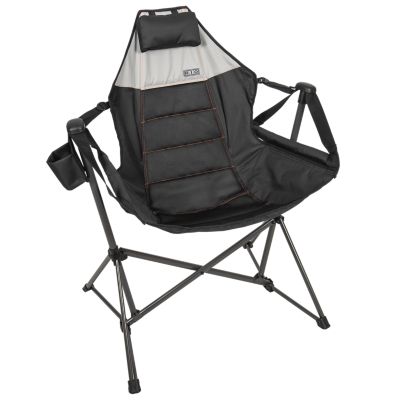
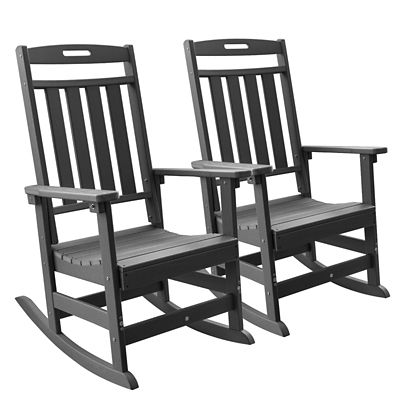
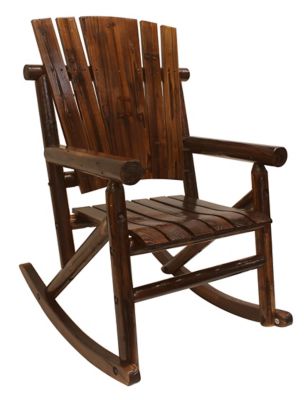
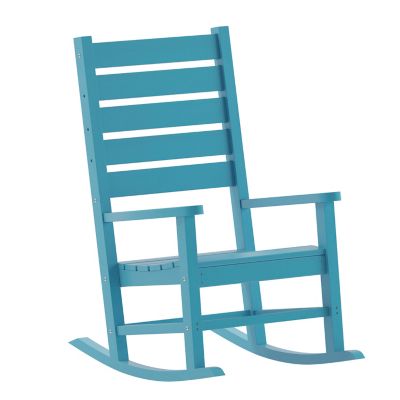
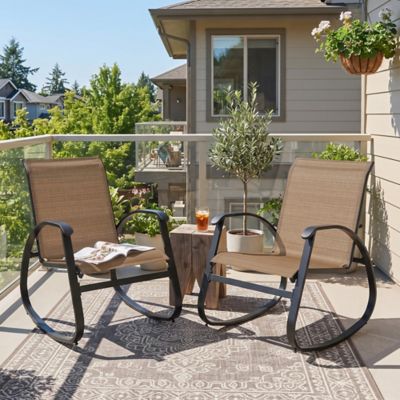
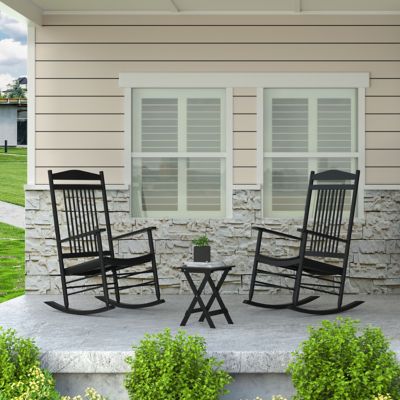
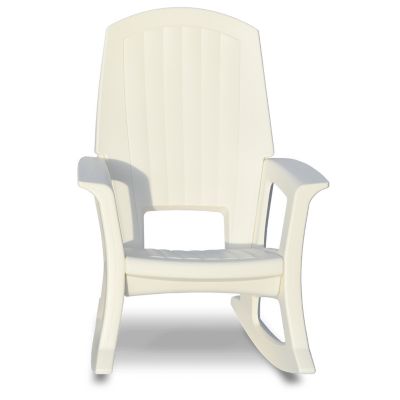
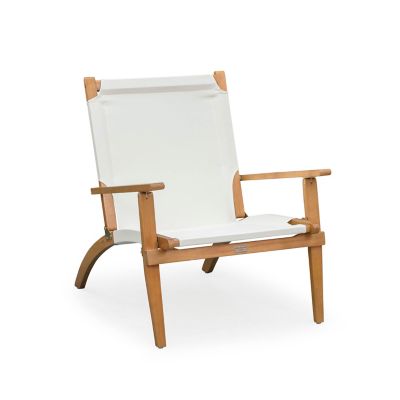
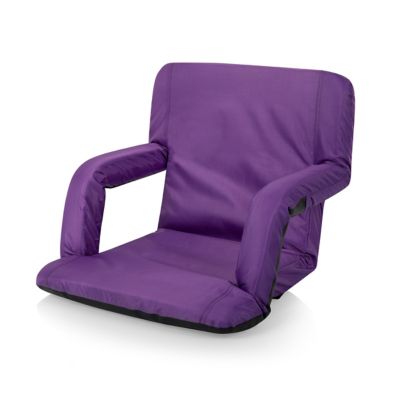
Portable rocking chairs for camping bring a gentle back-and-forth motion to a seat that folds down for travel and storage. They offer a comfortable spot for coffee beside the camper, a break after setting up camp or a quiet stretch of conversation around the fire ring. Unlike a stationary folding camp chair, a portable rocker needs room for its moving base as well as space for the person sitting in it. Some designs rock on curved runners, while others create the motion through a spring-assisted mechanism with feet that stay planted. Those differences affect the way a chair feels underfoot, how much clearance it needs and the surfaces it can sit on. Firm, level ground is important for either style; loose gravel, soft soil and uneven roots can interfere with stable seating and smooth movement. A broad base may help spread the load, but it does not make every patch of ground a suitable place to settle in. Comfort also comes down to more than a padded seat. Seat height, width and depth all shape the fit, especially for campers who want their feet resting flat rather than dangling or stretching forward. A lower seat can feel laid-back, while a taller one may make sitting down and standing up less of a chore. A deep seat gives more thigh support for some folks, though it can leave a shorter person sitting too far from the backrest. Upright backs suit meals and conversation, while a more relaxed back angle lends itself to stretching out between activities. Armrests provide a place to rest elbows and may offer support when getting seated, within the chair’s intended design. Enough room through the hips and shoulders matters, too, particularly when a chair will serve several people over the course of a trip. The best-fitting camping rocker feels comfortable both while moving and while sitting still, without pressure behind the knees or an awkward reach to the armrests.
Frame construction, fabric and folding design all influence how a camping rocking chair handles the trip from the truck to the campsite. Aluminum frames often help keep carrying weight down, while steel frames may add weight; the listed chair weight is a better comparison than frame material alone. Tube dimensions, joints, hardware and the rocking mechanism also contribute to the chair’s overall build. Weight capacity belongs in that same comparison, since a roomy-looking seat does not necessarily have a higher load rating. Woven polyester seating is common in outdoor chairs, and mesh panels can provide airflow without adding much cushioning. Padded seats and backs offer a softer feel, though they may take up more room when folded and need more time to dry after cleaning. Taut fabric generally gives a different sitting experience than a sling-style seat that lets the body settle farther down. These details matter on a long evening at camp, not just during a quick sit before packing up. Portability has a few different meanings, too. A flat-folding rocker may slide neatly against other gear in a truck bed or camper storage bay, while a chair that gathers into a carry bag may be easier to manage along a narrow path. Folded length, width and thickness help show whether a chair will fit through a storage opening or alongside a cooler. An integrated handle or shoulder strap can leave a hand free for another piece of gear, although the total carrying weight still matters over a longer walk. Cup holders, side pockets and small attached tables add convenience when included, giving drinks, reading glasses or a flashlight a place within reach. Their position matters as much as their presence: a holder should not crowd an arm, and a side table needs clearance as the chair rocks. Simple folding action, a manageable packed shape and comfortable carrying points can make a rocker easier to bring along rather than leave behind.
Portable camping rockers also earn their keep beyond a single campsite, from a seat beside an RV to a resting spot at a family gathering on suitable ground. Their folding format makes sense for folks who want seating that can travel between outings without taking over the shed or garage. For spaces where rocking clearance is limited,
Portable Garden Chairs offer another category of movable seating to consider alongside the needs of the setting. A rocker’s moving footprint deserves attention wherever it goes, especially near picnic tables, neighboring chairs or a busy walkway. Around a fire ring, the chair belongs well clear of flames, sparks and hot cooking equipment, with enough space that rocking does not bring the seat closer to the heat. Children and pets also need room away from runners, hinges and other moving parts. Care is usually straightforward, but the fabric and mechanism instructions remain the starting point. Brushing away loose dirt before wiping the frame helps keep grit from collecting around joints, and spills are easier to address before they settle into the seat. Mild cleaning methods suited to the fabric help protect its finish; strong cleaners and unapproved treatments can harm some materials. A chair should be fully dry before folding it into a bag or putting it into storage. Periodic checks of fasteners, fabric seams, feet and moving parts help catch wear before the next outing, and damaged components call for attention before anyone sits down. Lubrication is appropriate only where the manufacturer recommends it, since some mechanisms have different care requirements. As a gift, a camping rocker can suit RV travelers, regular campground visitors or someone who enjoys taking a comfortable seat along for the day. Matching the recipient’s height, preferred sitting position, carrying needs and storage space makes the choice more personal than simply picking the largest chair. A well-fitting rocker brings a familiar little comfort to life away from home: a place to set down a mug, rest tired legs and linger over the last story before turning in.