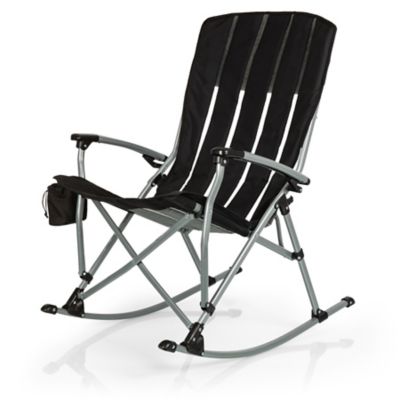
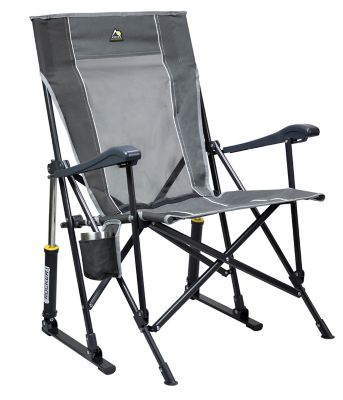
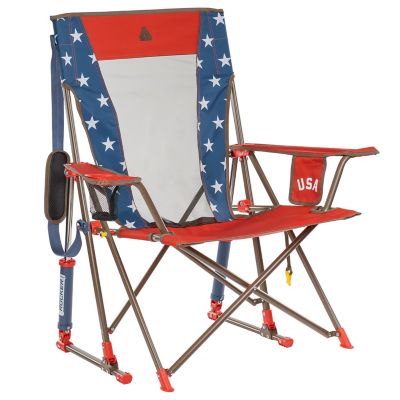
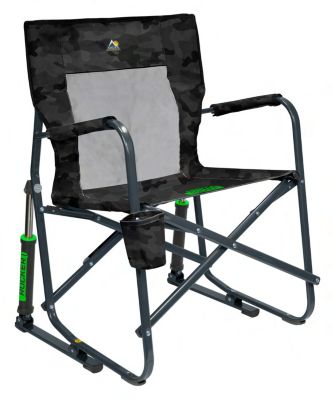
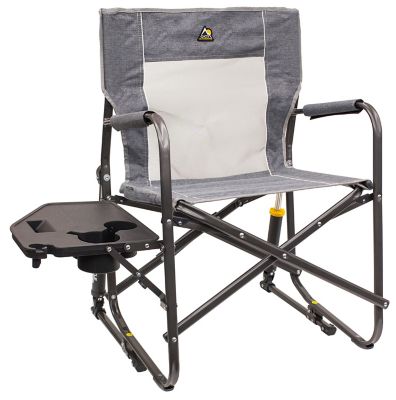
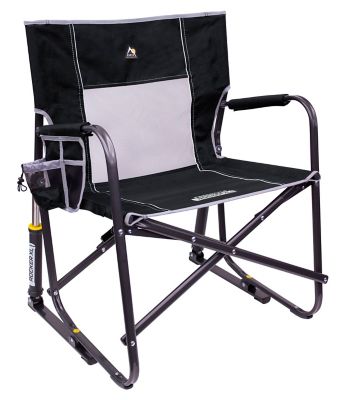
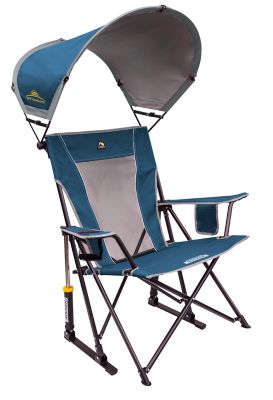
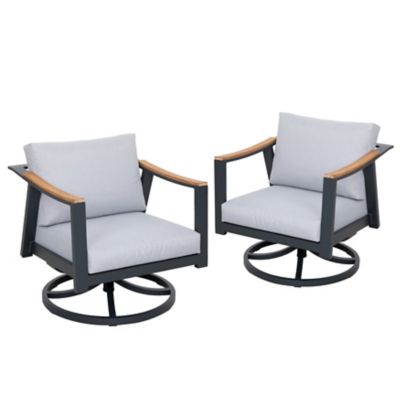
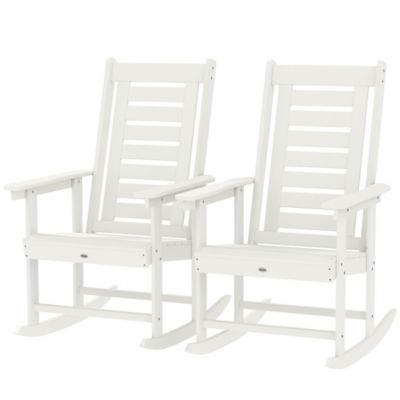
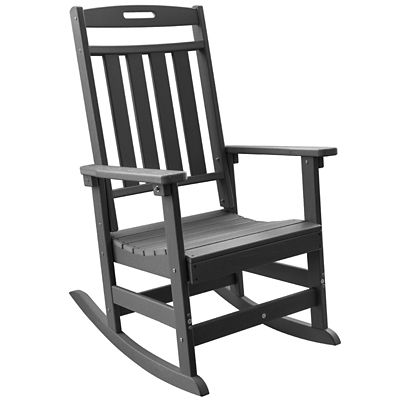
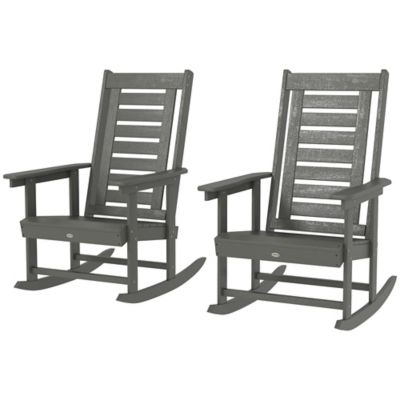
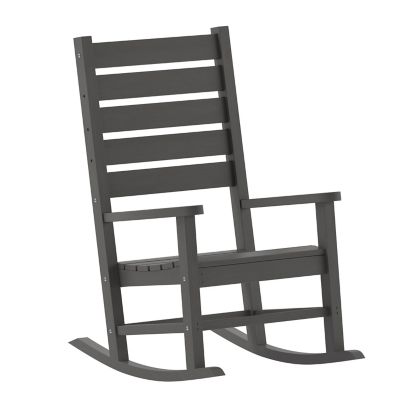
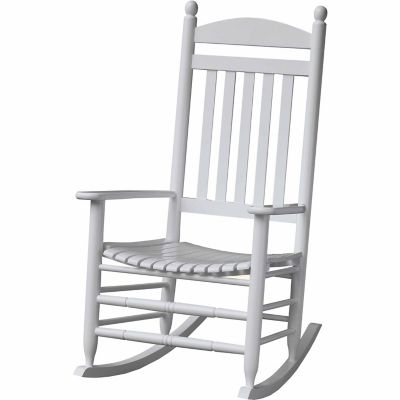
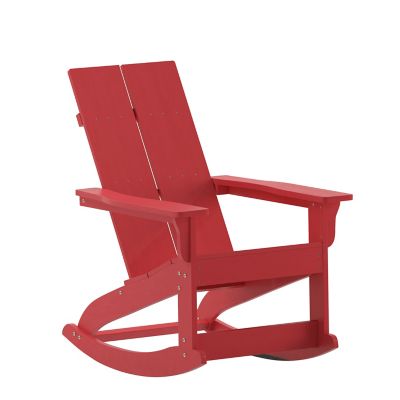
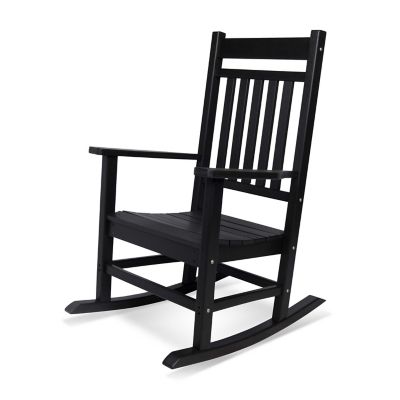
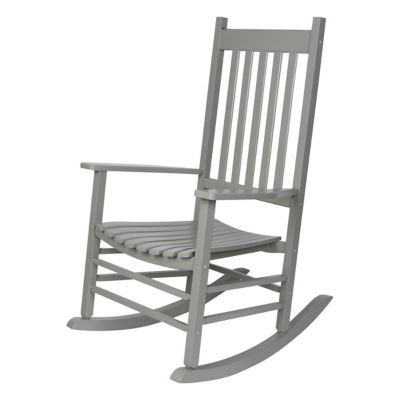
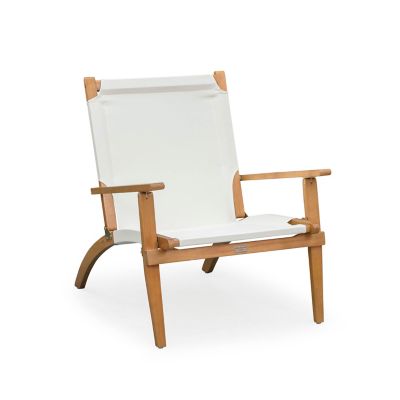
Portable outdoor rocking chairs pair the easy motion of a rocker with a folding frame that can travel from the porch to the campsite, ball field, or fishing spot. They give folks a place to settle in without hauling a full-size porch chair into the truck. Within this category, the main differences come down to the rocking mechanism, folded size, seat fit, and carrying setup. Some folding outdoor rockers have curved runners beneath the frame, while others rely on spring-assisted mechanisms that let the seat rock above a stationary base. Traditional runners generally need a firm, flat surface with room to move along their full length. Spring-assisted designs work differently, but they still need solid footing and should only be placed on surfaces allowed by the manufacturer. Grass, loose gravel, and soft soil can affect support, so a chair that feels steady on a concrete patio may sit differently beside a farm pond. Portable does not always mean backpack-sized, either. A fold-flat rocker can tuck alongside other gear in a truck bed or cargo area, while a chair that collapses into a carrying bag may be easier to carry by hand. Folded dimensions matter when space is shared with a cooler, tackle box, or camping supplies. Carry handles, shoulder straps, and storage bags can make the trip from the parking area easier, especially when the best seat is a fair walk from the tailgate. The chair’s own weight matters just as much as its packed shape for anyone carrying it across a campground or along the sidelines. For backyard gatherings, a larger folding rocker may suit the space well; for frequent travel, a smaller packed footprint may be the deciding feature. A little room around the chair also helps keep the rocking path clear of picnic tables, walkways, and nearby seating.
A comfortable portable rocking chair starts with a seat that fits the person sitting in it, not just the space where it will go. Seat height affects how easily feet reach the ground and how much effort it takes to stand up. Lower seats can feel relaxed around a campsite, while taller seats may be easier for some folks to get into and out of. Seat width, seat depth, backrest height, and armrest position all shape the feel of the chair during a long ball game or an afternoon beside the pond. A deep seat can leave a shorter person perched forward, while a shallow seat may give a taller person less thigh support. A higher backrest can provide more upper-back support, though head support depends on both the chair’s shape and the person’s height. Stated weight capacity is another important consideration, and it applies to the chair as designed rather than serving as a promise that every sitter will find the same fit. Frame materials commonly include steel or aluminum. Steel frames often carry more weight of their own, while aluminum can help reduce carrying weight; tubing size, joints, and overall construction still matter. Protective finishes help shield metal surfaces, though scratches and worn areas deserve attention over time. Seats may feature woven polyester, mesh panels, padding, or combinations of those materials. Taut fabric provides a different feel from a cushioned seat, and mesh panels allow airflow through the backrest. Reinforced seams and well-supported attachment points are worth a close look because those areas handle repeated loading and folding. Armrests may be fabric-covered, padded, or rigid, with different levels of support for resting elbows or rising from the seat. Cup holders, side pockets, and fold-out tables keep a drink, reading glasses, or phone close by, but they can also add width and packed size. Those extras are handy when there is no picnic table nearby, provided they stay within their stated load limits and do not crowd the rocking motion.
Everyday care helps a folding outdoor rocker stay ready for the next trip beyond the porch. Dirt and grit can collect around feet, hinges, and rocking mechanisms, especially after time on a gravel pad or beside a livestock barn. Cleaning directions vary by fabric, finish, and mechanism, so the manufacturer’s care instructions should set the routine. Mild soap and water may be suitable for many surfaces, but removable cushions and fabric panels can have different washing requirements. Letting the chair dry completely before folding it into a bag helps prevent trapped moisture and musty fabric. A protected storage spot also keeps the chair from being knocked around between outings. Before sitting down, the frame should be fully opened, any required locks engaged, and the feet or runners firmly supported. Hinges and spring assemblies need clear space for their moving parts, with fingers kept away from pinch points during setup and folding. Loose hardware, torn fabric, cracked fittings, or a rocking action that has changed are reasons to stop and check the chair before the next outing. Lubrication and replacement parts should follow the maker’s directions rather than guesswork. For transport, a folded rocker belongs where it cannot slide into tools, scrape against sharp edges, or unfold unexpectedly. These practical details matter whether the chair travels every weekend or mostly moves between the shed and the yard. Portable outdoor rocking chairs can also make a thoughtful gift for campers, anglers, grandparents who follow the grandkids’ games, or anyone who enjoys a quiet sit after chores. The best match comes from knowing how far the chair will be carried, where it will sit, and what seat height feels comfortable. For seating arrangements that include stationary folding options as well as rockers,
Portable Garden Chairs offers another related category to consider. Matching the chair to the person and the place leaves more time for watching the bobber, visiting with neighbors, or taking a well-earned break.