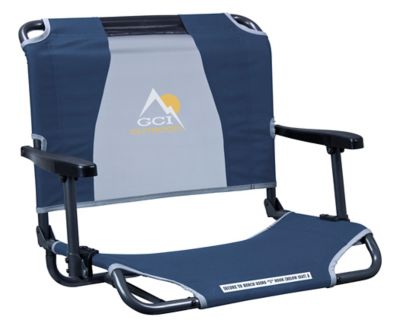
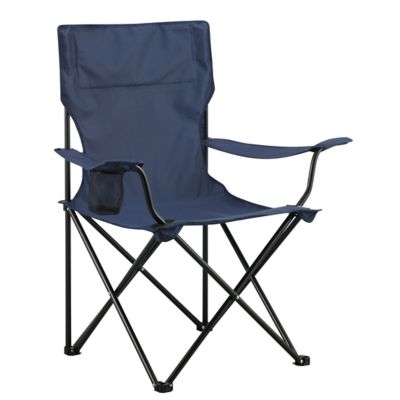
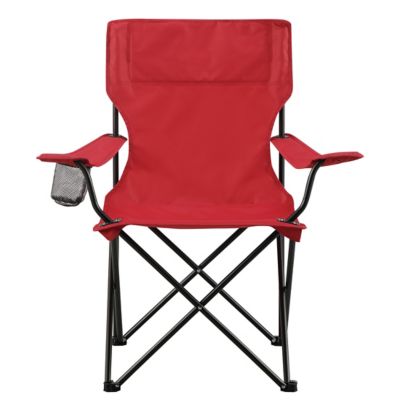
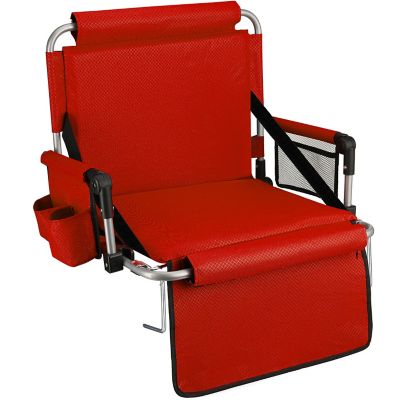
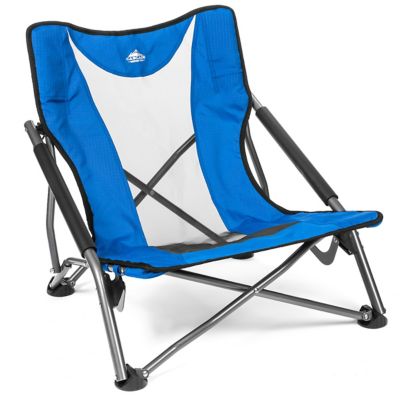
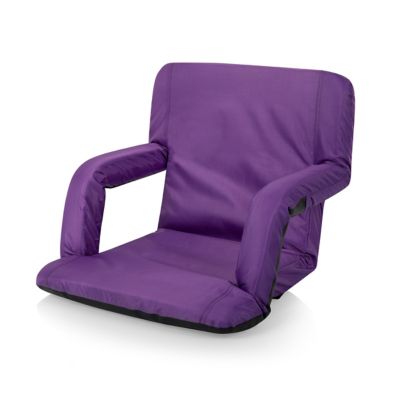
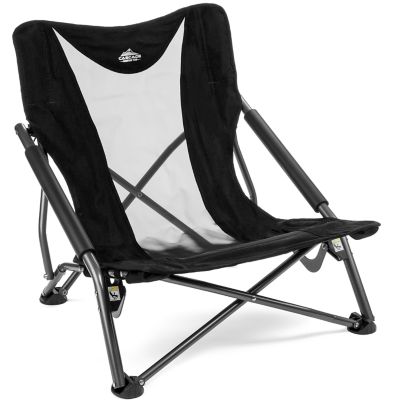
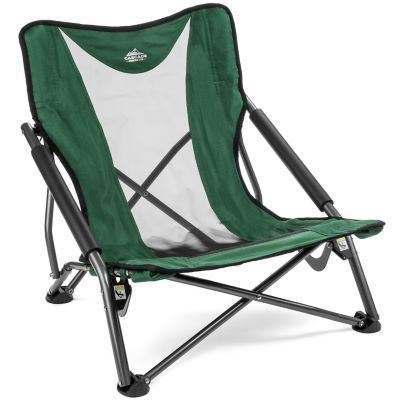
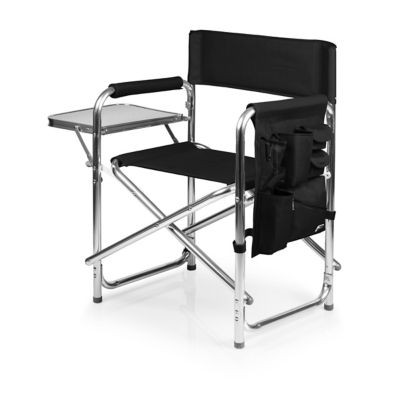
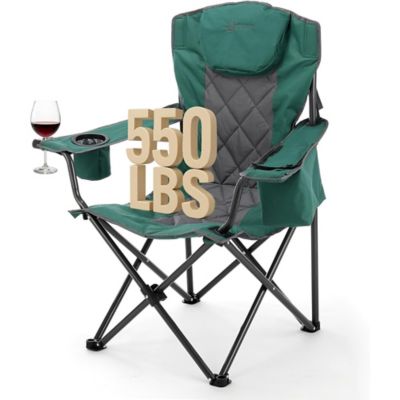
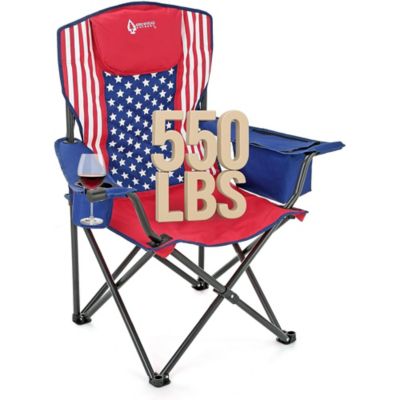
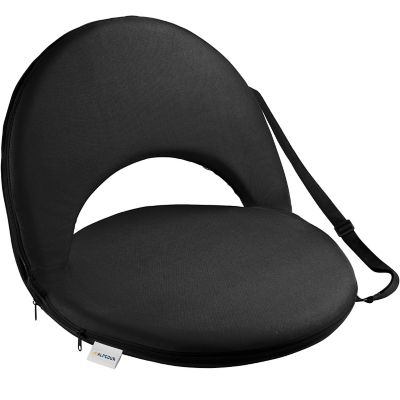
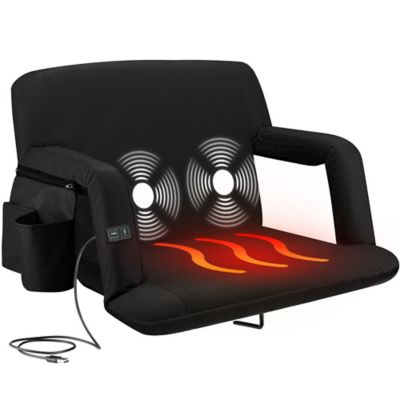
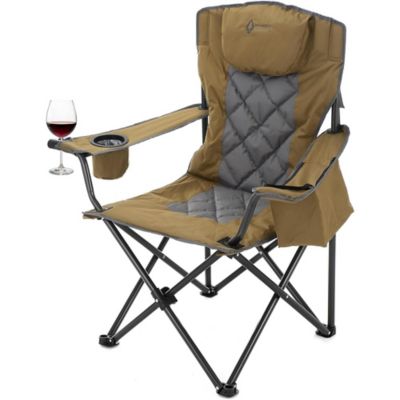
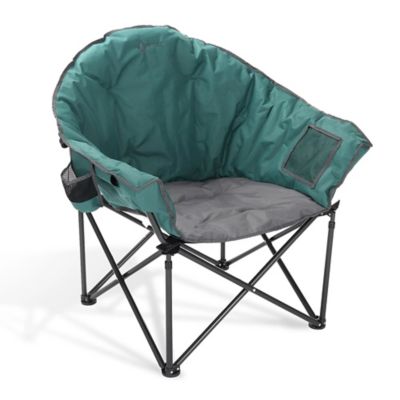
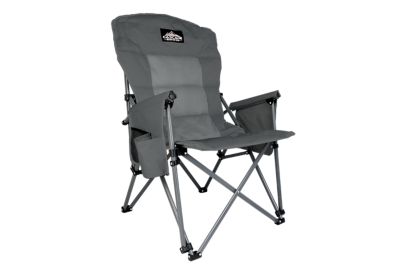
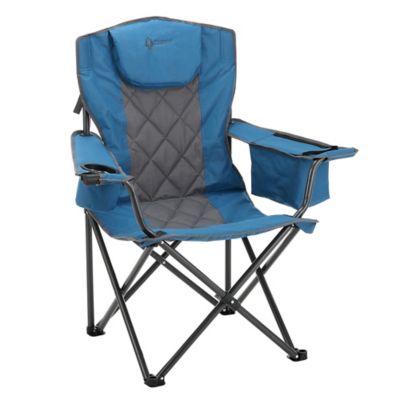
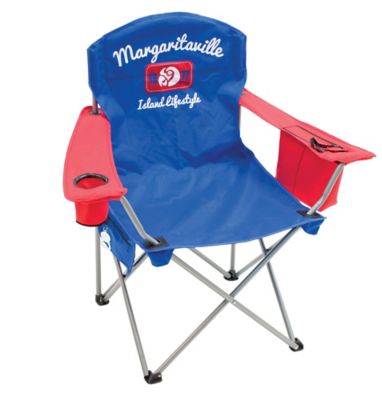
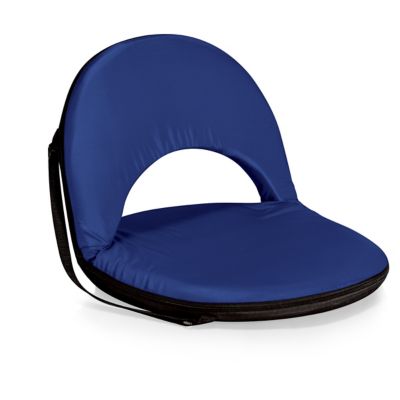
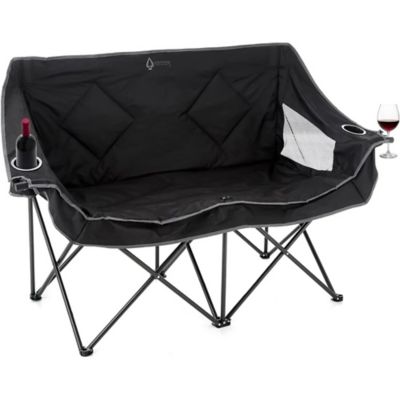
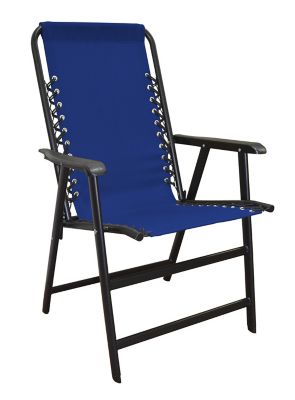
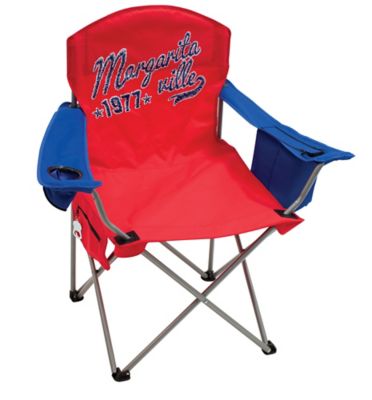
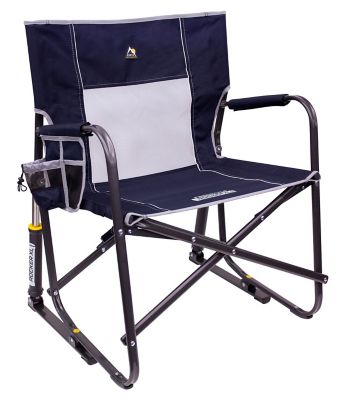
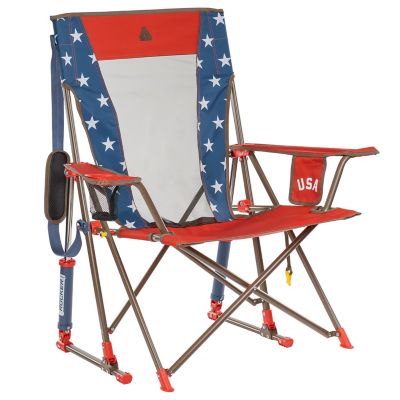
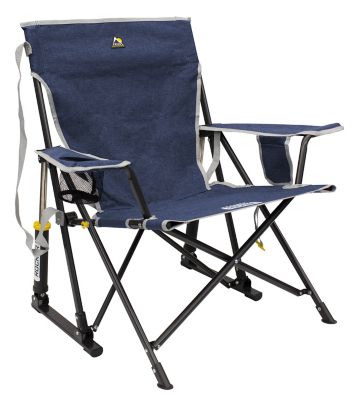
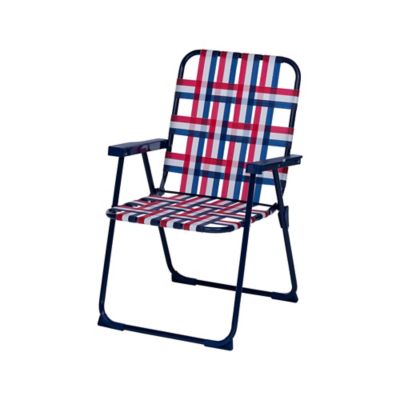
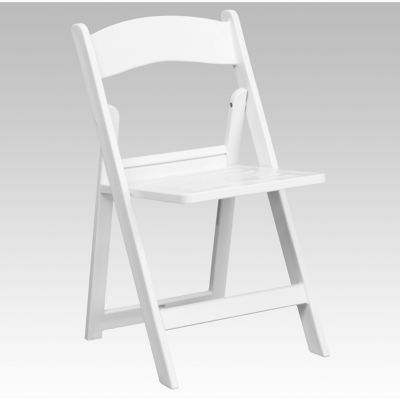
Portable chairs for sporting events bring a place to settle in when the sidelines are standing room only and the next game is still an inning away. Freestanding folding chairs suit open seating areas beside ballfields, courts, and tracks, while stadium seats add cushioning and back support to existing bleachers. That difference matters: a chair with legs needs an appropriate patch of ground, while a bleacher seat needs a bench that matches its attachment design. For families following a weekend tournament, a folding camp chair can serve as a home base between games. For fans climbing grandstand steps, a compact stadium seat keeps the load smaller without giving up a supported place to sit. Carrying weight and folded size both affect how manageable a seat feels on the trip from the parking lot. A chair that fits easily behind a truck seat may still be awkward to carry alongside a gear bag, water jug, and a youngster’s glove. Shoulder straps, carry handles, and storage bags can help keep that walk manageable, though the chair’s full packed weight deserves attention, not just the frame material. Quick-opening frames are handy when the team is already taking the field, and a simple fold makes packing up less of a chore when everyone heads for the gate. On grass, feet that spread the load can help limit sinking, but no foot design makes uneven ground safe. On paved spectator areas, a steady stance and enough room around the chair matter more than how small it folds. Bleacher seating calls for a different kind of fit, including a compatible hook or securing strap where the design requires one. Venue rules may restrict chair dimensions, armrests, attachments, or placement, so the setting belongs in the shopping decision just as much as the seat itself. A compact footprint also helps keep aisles clear and leaves neighboring fans room to get in and out without stepping over chair legs.
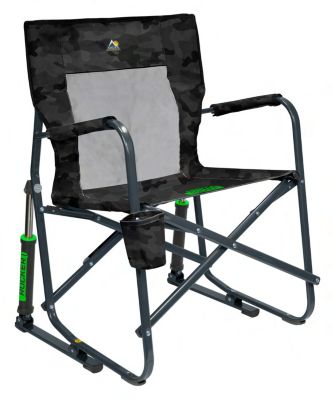
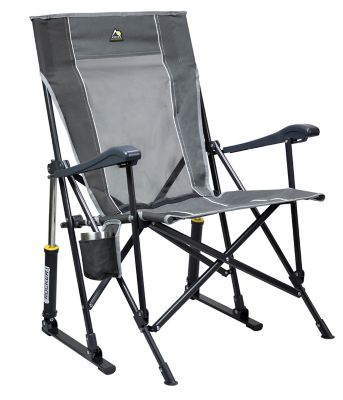
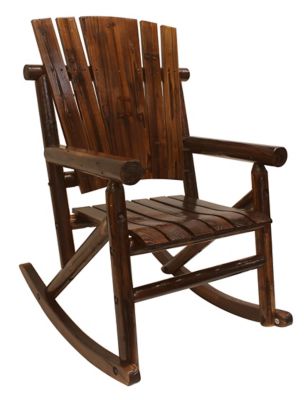
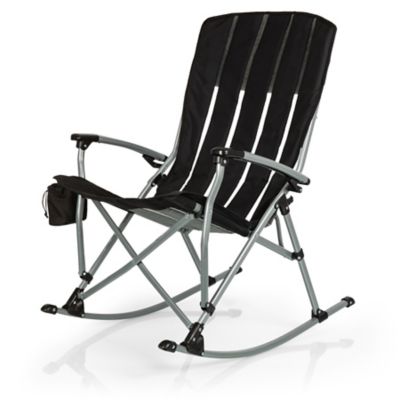
Comfort comes from the way the whole seat fits the person, not simply from the amount of padding. Seat height, width, depth, and backrest shape all influence how a chair feels through extra innings or a full afternoon of games. A lower seat can feel relaxed, but it may take more effort to stand up from; a taller seat can make getting in and out easier when both feet still rest securely on the ground. Deep sling seats offer a different feel from firmer, more upright seating, especially for spectators who lean forward to follow the action. Armrests can give elbows a resting place, though their spacing should leave enough room to sit comfortably without squeezing at the hips. On bleachers, padding softens the bench surface, while the backrest provides support that the bench alone cannot offer. Cushion thickness is only part of that comfort equation, since the shape of the seat and the position of the backrest matter, too. A stated weight capacity is a limit to follow, not a measure of how roomy a chair will feel. Seat dimensions, frame clearance, and the manufacturer’s directions tell more of the story. For a parent keeping score, a flat side table can hold a notebook within reach; for a spectator juggling a drink and a phone, a cup holder and a small pocket may be enough. Those extras should stay within their separate load limits and out of walkways. Mesh panels can make a backrest feel less enclosed, while padded fabric offers a softer contact surface. Rocking designs add movement for those who prefer it, but they need firm, level ground and clearance around the moving base. For trips that stretch from the ballfield to the campsite,
portable rocking chairs for camping offer a related seating option. Rocking mechanisms are not a substitute for stable placement, and freestanding chairs do not belong on bleacher benches.
Frame construction and fabric also shape how portable sports seating handles repeated trips. Aluminum can help reduce carrying weight, while steel frames often add heft; the overall design, joints, and hardware matter alongside the material. Protective finishes help shield metal surfaces, but scrapes still deserve attention, particularly around folding joints and contact points. Woven polyester and other synthetic seat fabrics are common because they balance flexibility with straightforward care. Reinforced seams and well-supported attachment points are worth a close look, since those areas take strain each time someone sits down, shifts position, or stands up. A chair carried to practices several times a week has a different workload from one brought along for an occasional championship game. Smooth folding action, secure locking parts where fitted, and a carry bag that closes without a wrestling match all make repeated outings less fussy. Fingers should stay clear of hinges during opening and folding, and the frame should be fully opened and secured before anyone sits. Between events, crumbs and field dust can be brushed away, and drink spills are easier to address before they settle into fabric. Cleaning methods vary by material, so the maker’s care directions should govern washing, spot cleaning, and any treatment of the frame. Fabric and cushioning should dry completely before the chair goes back into its bag, and detachable parts should stay together so a strap or fastening piece does not disappear before the next game. Checking for loose hardware, torn stitching, bent frame sections, or damaged feet helps catch problems before the chair returns to the sidelines. Portable seating also makes a practical gift for parents, grandparents, volunteer scorekeepers, and friends who rarely miss a game. The most useful match reflects that person’s usual routine: a long walk across the grounds, a climb to the bleachers, or several games beside the same field. Comfortable support, manageable carrying weight, and a straightforward setup help make a familiar spot along the sidelines feel more settled, from the first whistle to the final out.