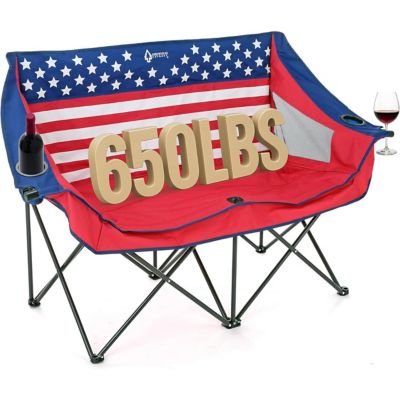
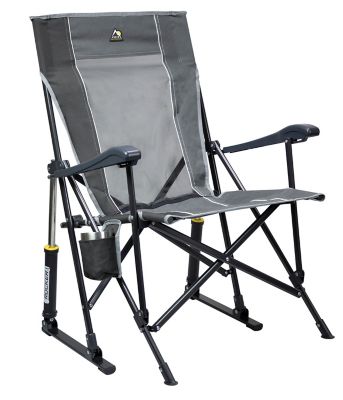
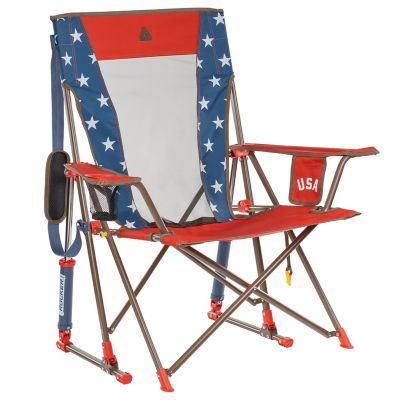
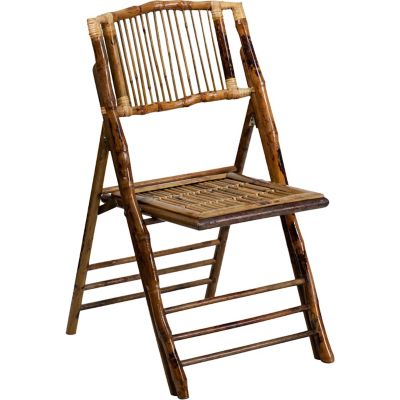
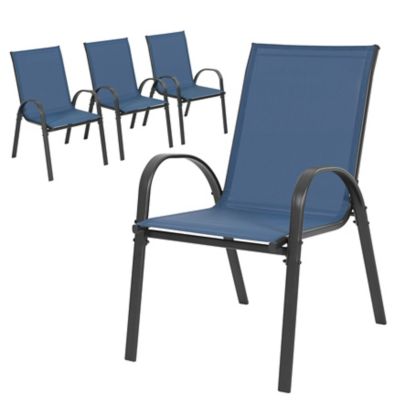
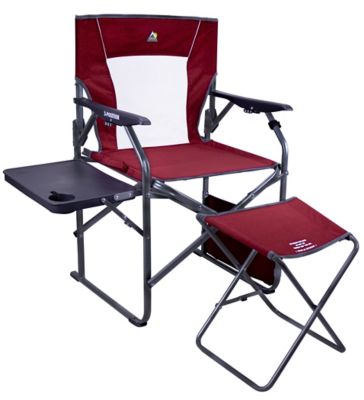
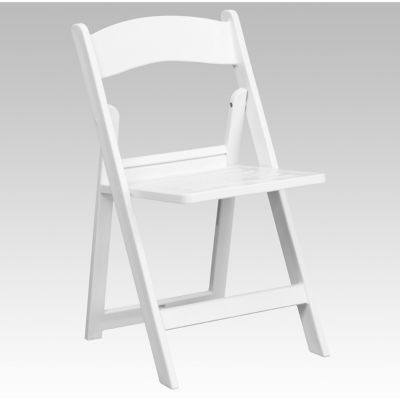
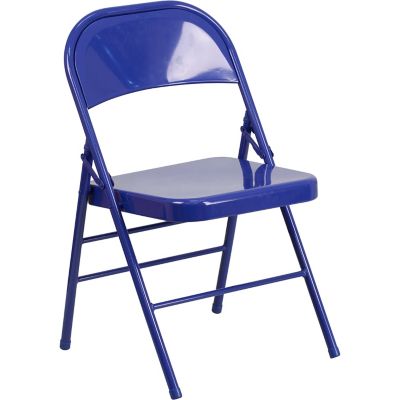
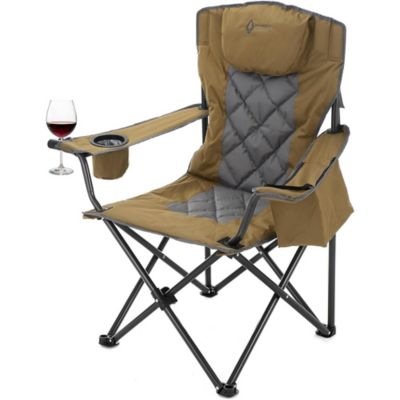
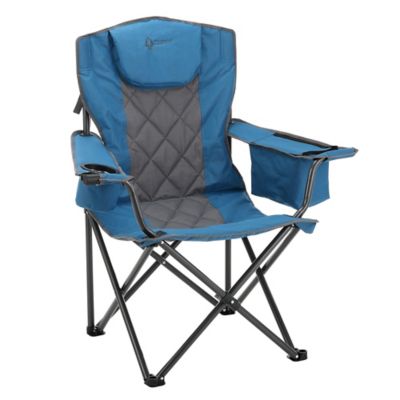
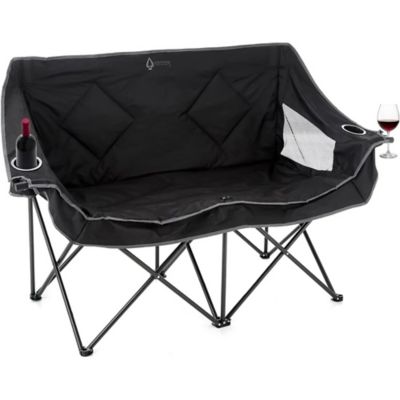
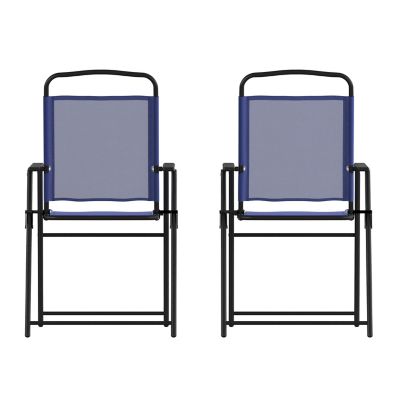
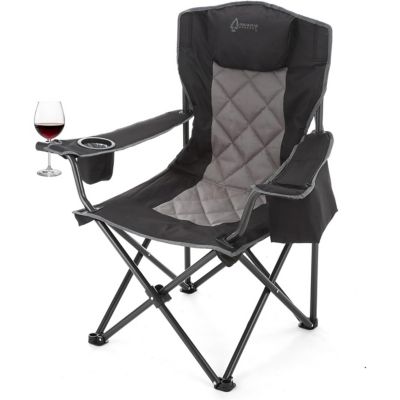
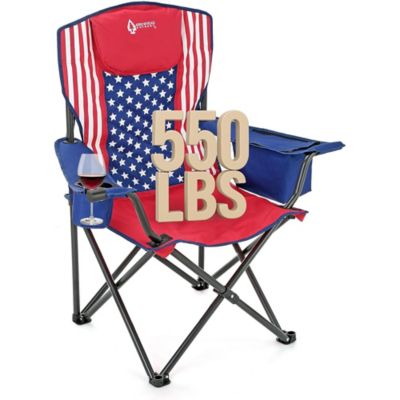
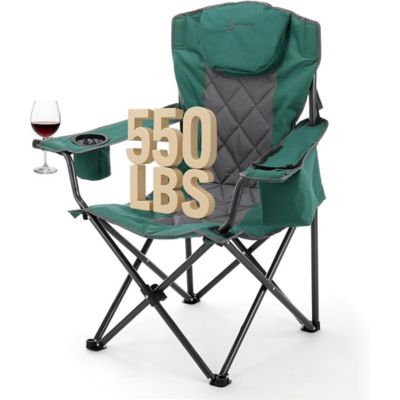
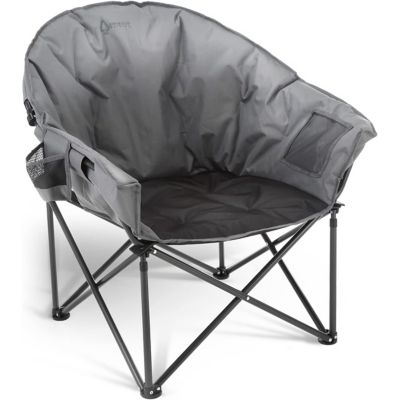
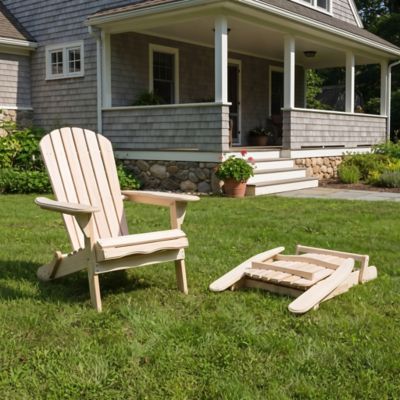
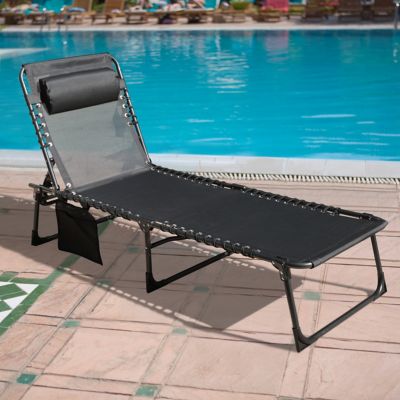
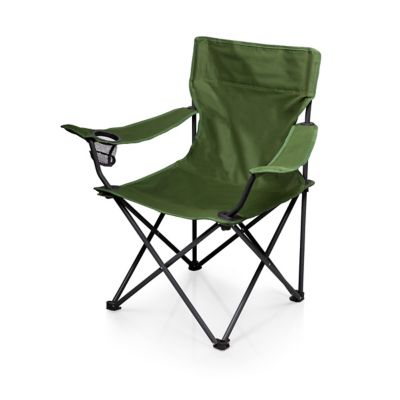
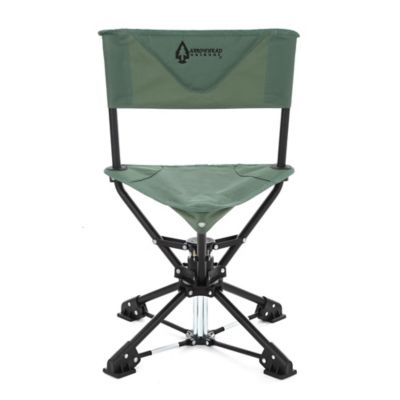
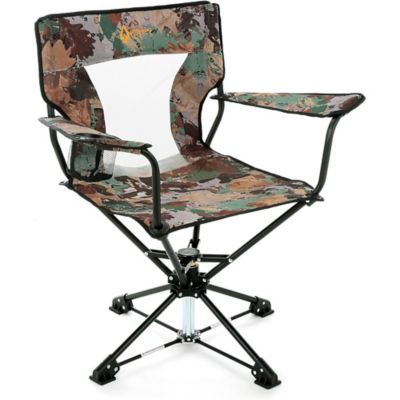
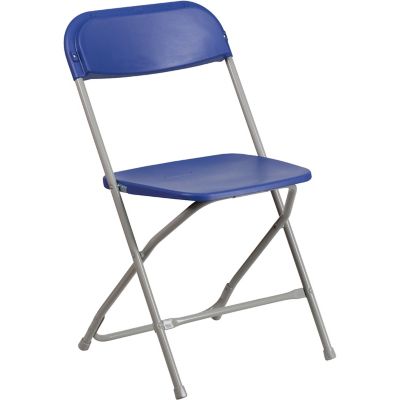
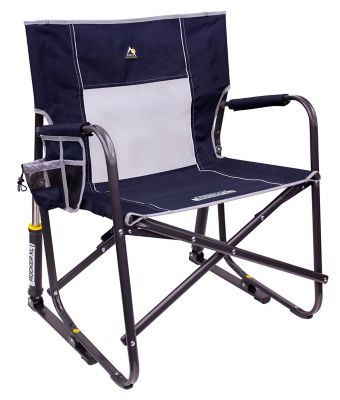
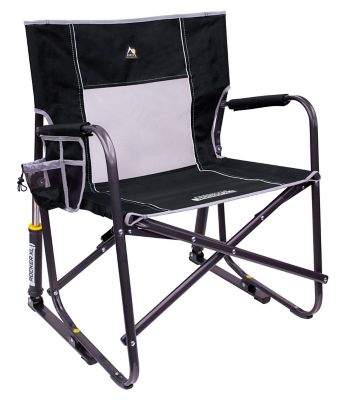
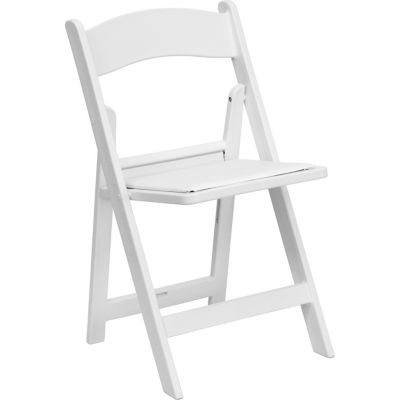
Portable garden chairs bring a comfortable place to sit wherever the day takes you, from a vegetable patch beside the barn to a quiet corner of the backyard. Unlike furniture meant to stay in one spot, these chairs fold, collapse, or come apart for carrying and storage. The category includes folding lawn chairs, compact camp-style seats, low garden stools, convertible garden kneeler seats, and reclining chairs with foot support. Each shape suits a different kind of sitting. An upright folding chair works well for shelling beans beside a worktable, visiting with neighbors, or taking a break between chores. A low stool puts the seat closer to raised-bed edges and containers, while a garden kneeler seat offers a padded kneeling surface and, when positioned as directed, a raised sitting surface. Neither takes the place of a full-back chair for a long afternoon of visiting. Camp-style chairs often pack into a carry bag, making them practical for moving between the garden, a picnic spot, and the sidelines of a family ballgame. Reclining designs provide more room to stretch out, though their larger frames generally take more space in the shed or vehicle. For anyone who prefers a gentle back-and-forth motion during a break,
Portable Outdoor Rocking Chairs offer another seating style, with clearance and surface requirements that depend on the rocking mechanism. The best match starts with the job the chair needs to do: keep tools within reach during planting, provide supportive seating near the porch, or travel easily when the family heads out. A chair carried across the property several times a day calls for a different balance of weight and comfort than one that mostly stays beside a garden table. That distinction matters more than an extra pocket or an oversized cup holder, especially when one hand is already occupied by a basket of vegetables.
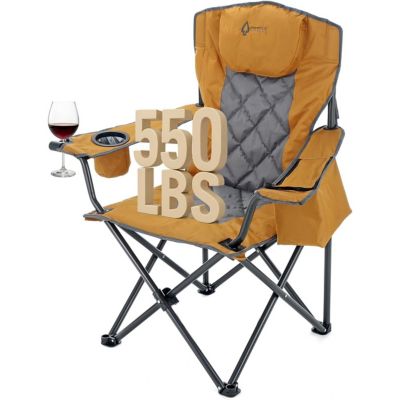
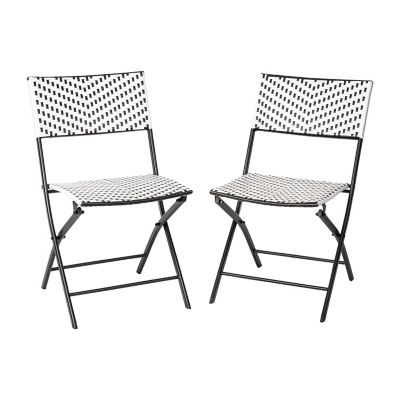
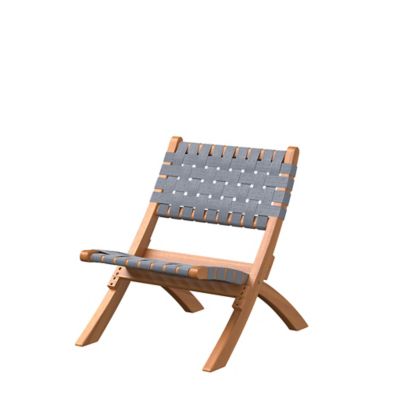
Frame construction, seat fabric, and overall proportions all affect how a portable garden chair feels and holds up through regular trips across the yard. Aluminum frames generally keep carrying weight down and resist rust, while steel frames can provide substantial support but often weigh more. A protective finish helps shield steel surfaces; scratches, exposed joints, and fasteners still deserve attention during routine cleaning. Frame material alone does not establish a chair’s weight capacity, so the manufacturer’s stated limit matters more than the appearance or thickness of the tubing. Seat materials bring their own tradeoffs. Woven webbing creates a familiar lawn-chair feel with an open structure, mesh allows airflow, and tightly woven fabric provides a continuous sitting surface. Padding adds cushioning but also adds material to clean and dry. Removable cushions can make that task simpler when their care instructions allow separate cleaning. For comfort, seat height, width, depth, and back angle deserve as much attention as the frame. A low, deep seat may suit stretching out near the garden, yet feel awkward when it is time to stand or reach a nearby potting bench. A higher, firmer seat and supportive armrests may make sitting down and standing up more manageable for some adults. Armrests are not necessarily designed to carry a person’s full weight, so their intended function should be clear. A comfortable fit generally leaves room at the hips, supports the thighs without pressing behind the knees, and lets the feet rest securely on the ground. For gardeners working close to the soil, a purpose-built low seat may offer better access than bending forward from a tall chair. On gravel, packed earth, or lawn, the feet and base matter too: narrow legs can sink into soft ground, and uneven footing can leave a folding frame unstable. Wide feet may help distribute weight, but every chair still needs a firm, level spot and a fully opened frame before anyone sits down.
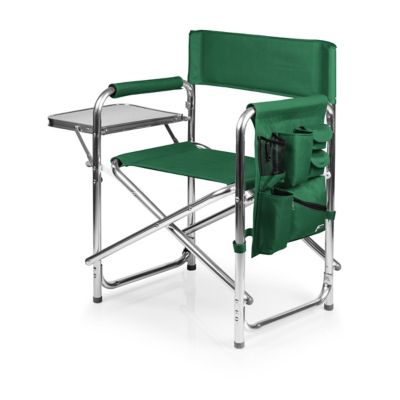
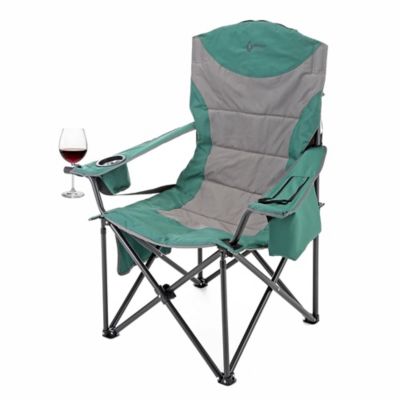
Portability is about more than the number on a scale. A flat-folding lawn chair may slide neatly against a garage wall but feel broad when carried down a narrow garden path. A chair that packs into a long bag can be easier to sling over a shoulder, leaving a hand free for the gate latch. Collapsible frames can reduce packed size further, though they may involve more assembly than a simple folding design. Folded dimensions, carrying handles, straps, and the effort needed to open or close the chair all shape how convenient it feels in everyday use. Picture the whole trip, from lifting it off a storage hook to carrying it past the hose reel and setting it beside the herb bed. Features that help along that route are worth more than extras that get in the way. A side pocket can keep gloves and plant labels out of the dirt; a removable tool pouch can keep small gardening supplies together. Sharp tools need secure storage that protects both the fabric and the person sitting nearby. Cup holders and side tables provide a place for a drink or a small tray, but their load limits are separate from the seat’s capacity. Folding joints also need room to move without catching fingers, loose clothing, or straps. Once the chair is put away, a little care helps keep it ready for the next outing. Brush soil from the feet and hinges, clean fabric according to its care label, and let all parts dry before folding or bagging them. An enclosed storage space helps limit unnecessary exposure between outings. Periodic checks for loose hardware, frayed stitching, bent tubing, and folding locks that no longer engage can catch problems before the next sitting break. Portable garden chairs also make thoughtful gifts for gardeners, backyard hosts, and folks who appreciate a seat close to the task at hand. Matching the recipient’s reach, carrying comfort, and preferred sitting position gives that gift a practical place in everyday life, whether it rests beside a row of tomatoes or travels along for the next family gathering.