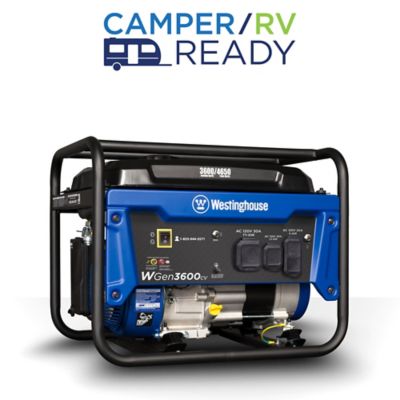
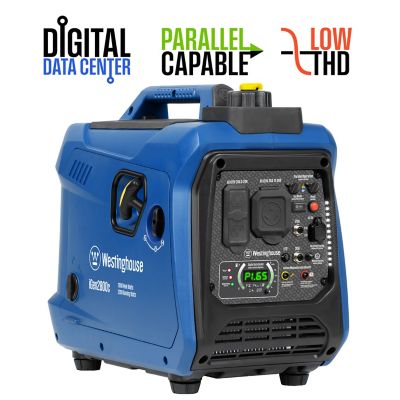
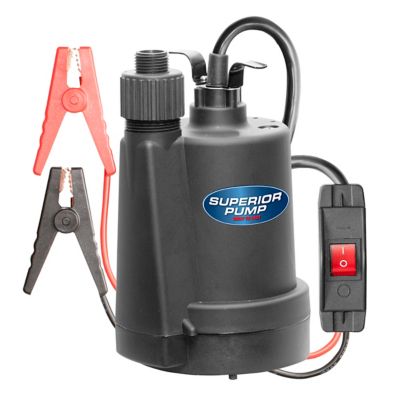
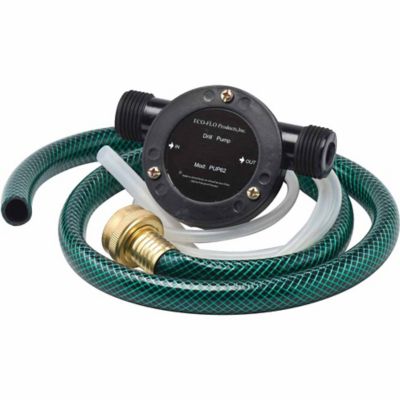
Portable generators for sump pumps provide temporary backup power when an outage interrupts the electricity that keeps a basement or crawl space pump running. For homes with an active sump pit, that extra power can help keep groundwater moving out instead of collecting around stored belongings, appliances, and the foundation. The right match starts with the pump’s electrical demand, not just its horsepower. As a general reference, some residential 1/4- and 1/3-horsepower sump pumps draw roughly 400 to 800 watts while running, while some 1/2-horsepower pumps draw about 800 to 1,100 watts. Starting demand is higher because the motor needs an extra burst of power to get moving. Depending on its design, a 1/2-horsepower pump may need roughly 2,000 to 3,500 starting watts, though actual requirements vary. Portable generators with about 2,000 to 4,500 starting watts may suit many single-pump applications, but that range is a starting point for comparison, not a sizing rule for every home. The pump label, its manual, and the generator manufacturer’s motor-starting guidance take priority over general estimates. Both ratings matter: a generator needs enough continuous output to run the connected equipment and enough starting capacity to handle the pump kicking on. For example, a pump drawing 900 running watts and requiring 2,700 starting watts needs both demands covered; a generator rated for 2,000 continuous watts is not necessarily sufficient unless its starting output also meets the requirement. A sump pump also cycles repeatedly, so starting capacity matters throughout an outage, not just when the cord first gets plugged in. If a refrigerator, freezer, or other appliance shares the generator, its running load and possible overlapping startup demand belong in the calculation too. Homeowners on acreage, folks with finished basements, and anyone keeping tools or household supplies below grade have good reason to look closely at that electrical fit. Keeping the pump working is the main job, and a generator sized around that job leaves less room for an unpleasant surprise.
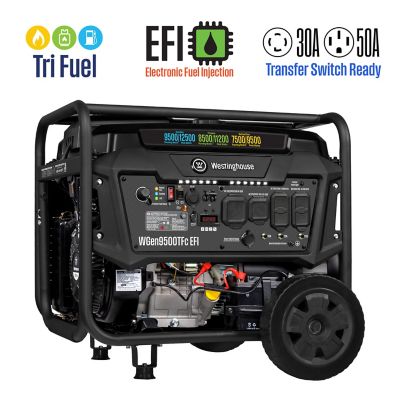
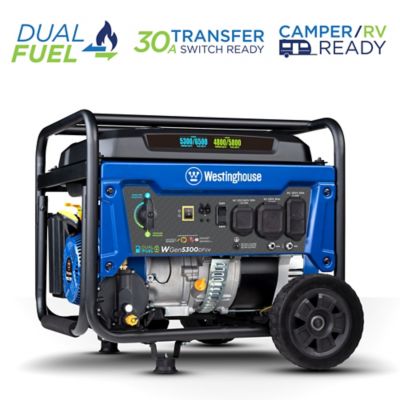
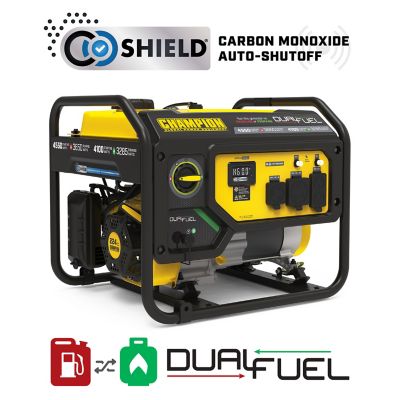
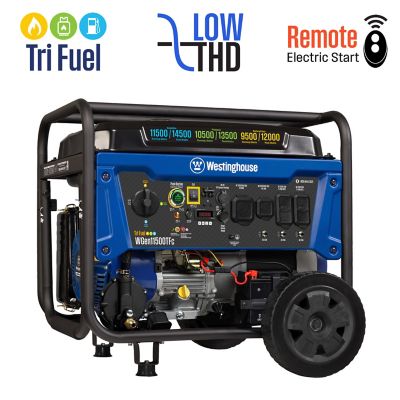
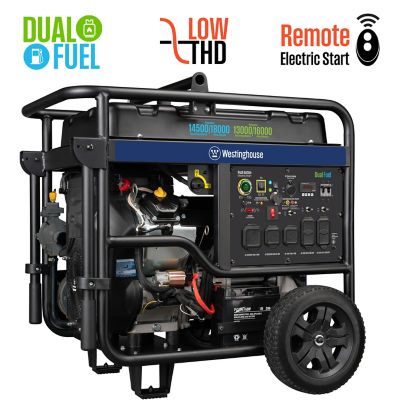
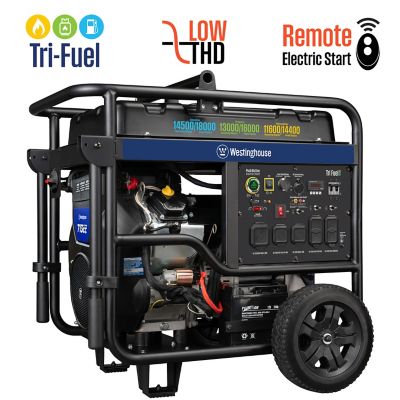
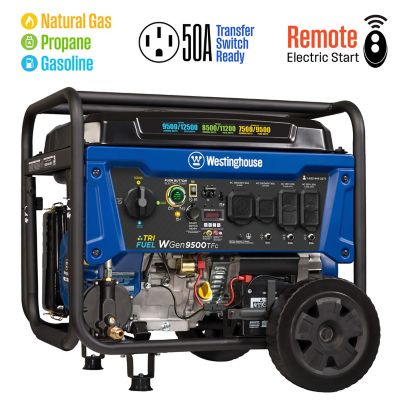
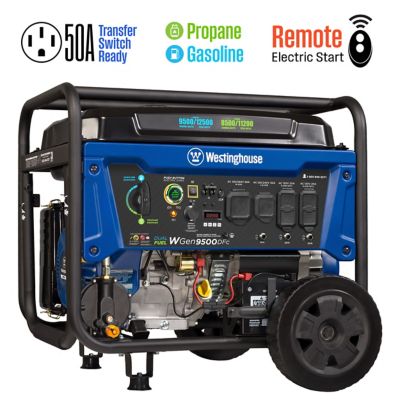
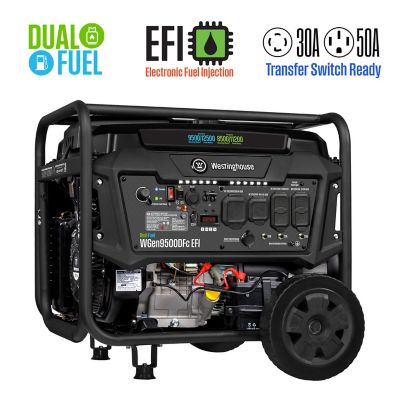
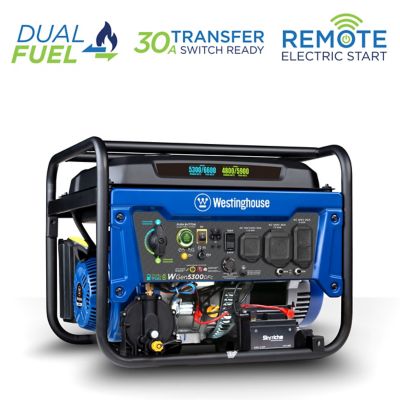
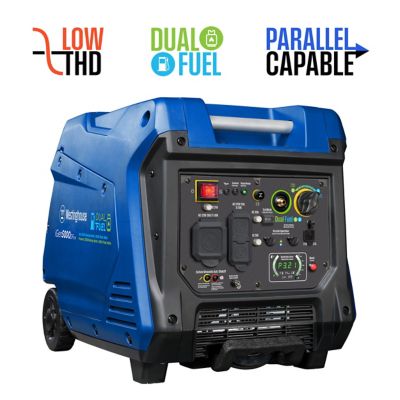
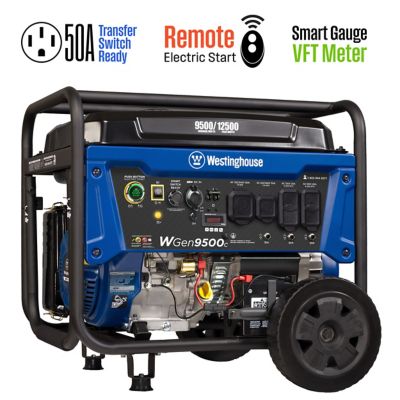
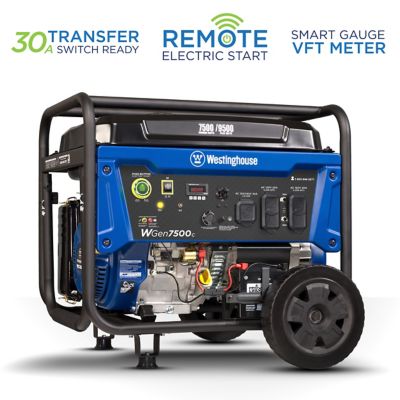
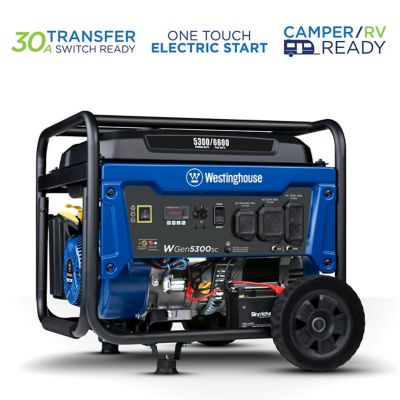
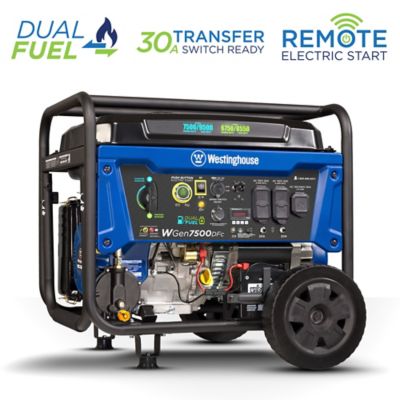
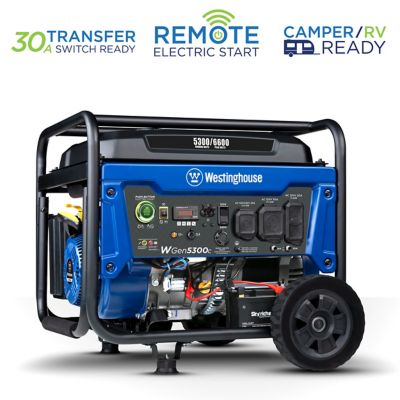
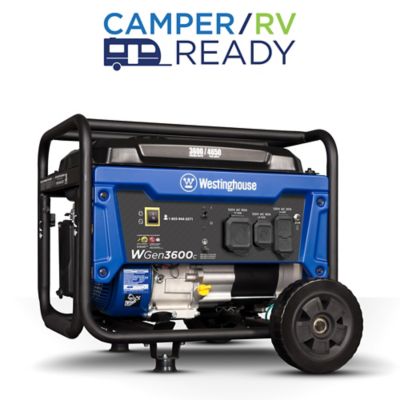
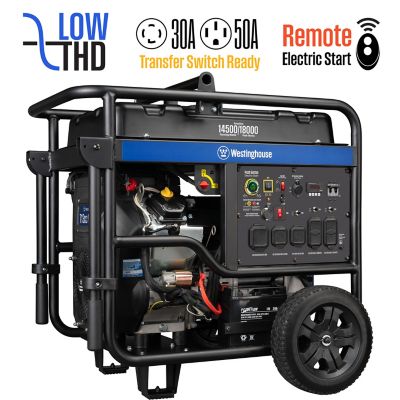
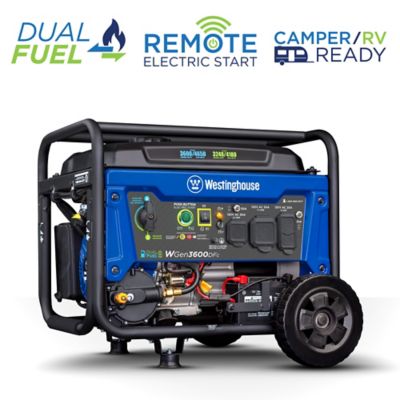
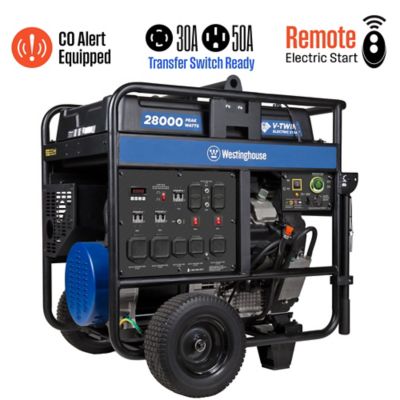
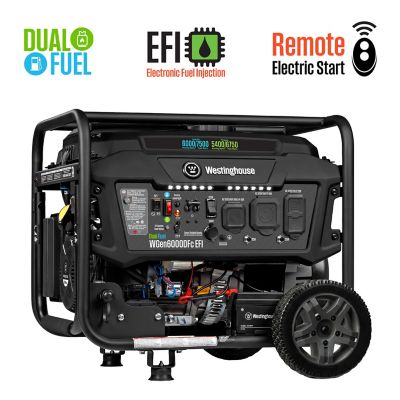
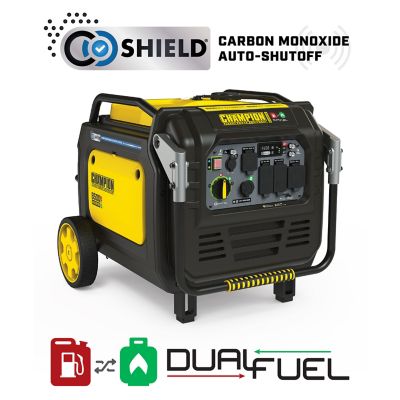
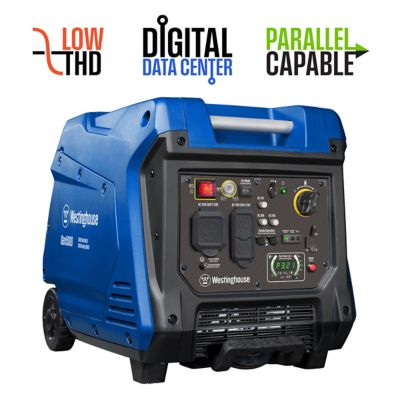
Beyond wattage, portable sump pump generators differ in fuel options, controls, construction, and how easily they move from storage to a safe operating spot. Gasoline-powered generators call for appropriate fuel storage and attention to fuel freshness. Dual-fuel designs add the option of propane, which may suit households that already keep properly stored cylinders for other equipment. Output can differ by fuel type, so the relevant running and starting ratings are the ones listed for the fuel being connected. Runtime figures also need context: a stated runtime at one-quarter load does not describe performance under every sump pump setup. A pump that runs briefly between longer pauses creates a different demand than one cycling frequently, and additional household loads increase fuel consumption. Larger fuel tanks can extend time between refills, but they also add weight. Steel frames, protective housings, broad handles, and wheel kits are practical considerations when a generator has to travel across a gravel drive or outbuilding floor. Check the assembled weight and wheel design rather than assuming every portable unit is easy for one person to move. Electric start can simplify startup, while recoil starting offers a different approach with fewer starting-battery concerns; either arrangement still needs routine checks. Inverter generators can offer tightly regulated electrical output, which may matter when a sump pump includes electronic controls, but inverter technology alone does not guarantee enough motor-starting capacity. Pump and generator compatibility still needs confirmation. Outlet voltage, receptacle style, breaker capacity, and grounding requirements are part of that match as well. Many residential sump pumps operate on 120 volts, but the pump’s own electrical specifications settle the question. For households planning to support more than the sump pit,
Portable Generators for Home Backup Power puts that need in the context of other essential household loads. Whether the task is one pump or several essentials, clear controls, accessible maintenance points, and readable load information make a difference when the lights are out and there is work to get done.
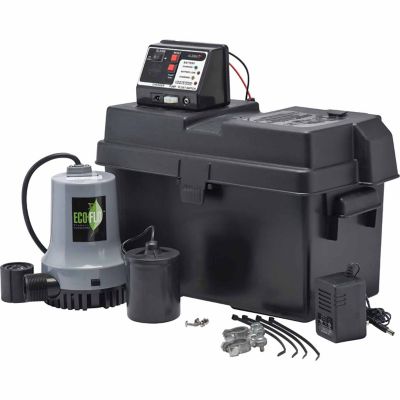
A portable generator is only one part of a sump pump backup arrangement; placement, connections, maintenance, and the time before power reaches the pump all affect how the setup serves the home. Fuel-powered generators produce carbon monoxide and must operate outdoors, at least 20 feet from the home, with exhaust directed away from doors, windows, vents, and other occupied buildings. They never belong in a basement, crawl space, garage, shed, or other enclosed or partly enclosed area, even with doors open. Working carbon monoxide alarms inside the home are essential, and a generator’s automatic carbon monoxide shutoff is an added safeguard, not permission to place it closer. The operating location also needs to stay dry in accordance with the manufacturer’s instructions, without enclosing the engine or restricting ventilation. Where direct cord connection is permitted, the cord needs a grounding conductor, an outdoor rating, and sufficient capacity for the pump’s demand over the full cord length. An undersized or excessively long cord can cause voltage drop that interferes with motor starting. Connections should remain dry and clear of standing water. Hardwired pumps require a properly designed connection installed by a qualified electrician, with transfer equipment that prevents electricity from feeding back into utility lines. Never connect a generator to household wiring through a wall outlet. Most portable generators also require someone to position, connect, and start them, so they do not automatically keep a sump pump running the moment utility power stops. A compatible, dedicated sump pump battery backup can bridge that gap, particularly when nobody is home, but its runtime depends on battery capacity and how often the pump operates. For the generator itself, routine care includes oil checks, air-filter service, starting-battery maintenance where applicable, and fuel management according to the manual. Shut the engine off and let it cool before refueling. Periodic test runs with the intended pump connection can help reveal starting or connection problems before an outage. Keeping the pump inlet clear, confirming that its float moves freely, and maintaining an open discharge path matter just as much: backup electricity cannot overcome a clogged or mechanically failing pump.