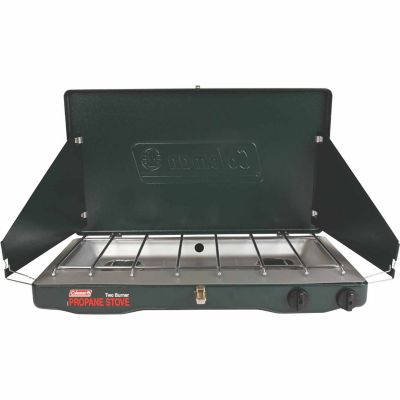
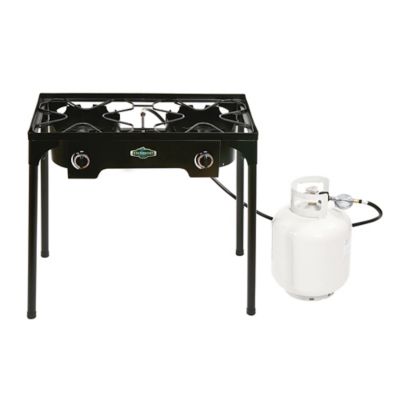
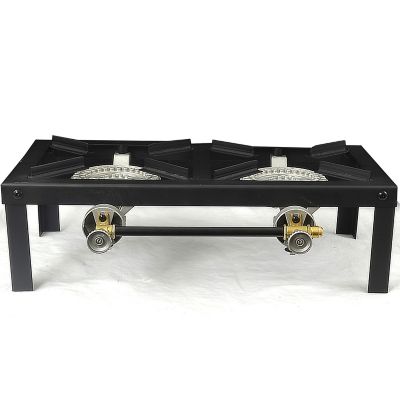
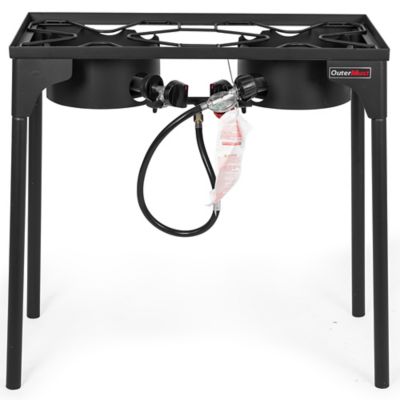
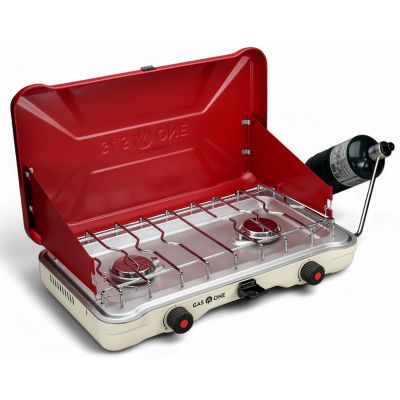
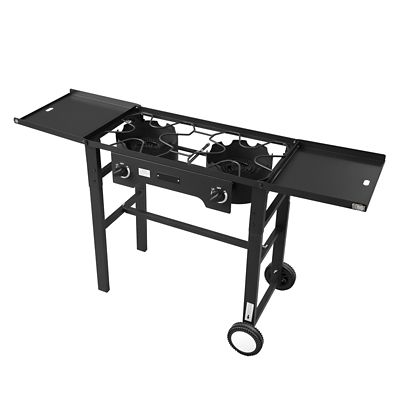
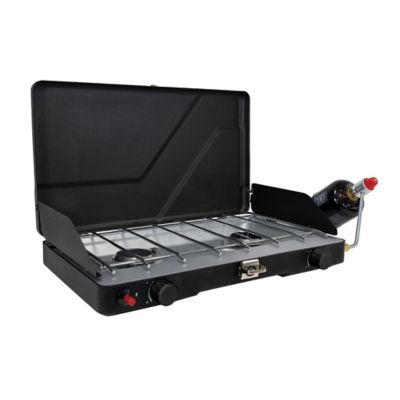
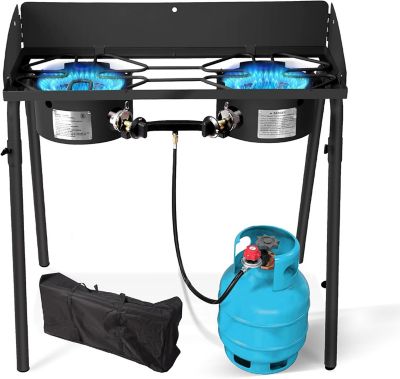
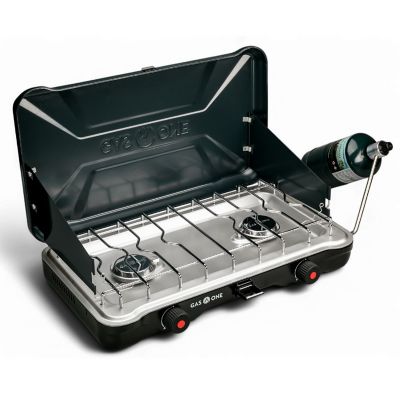
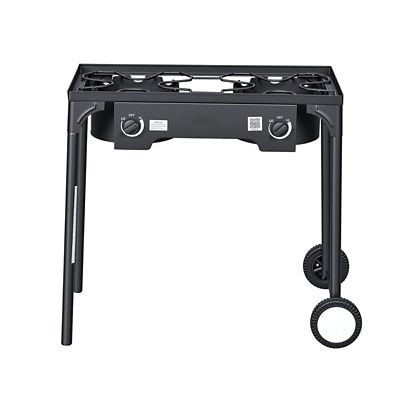
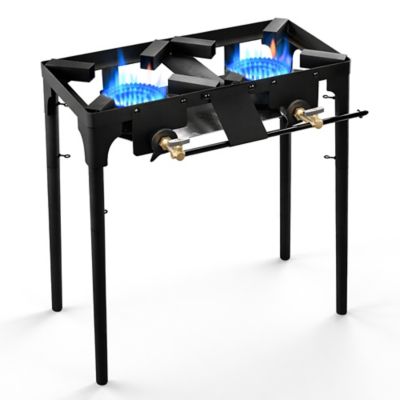
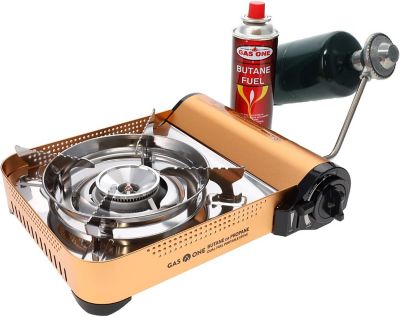
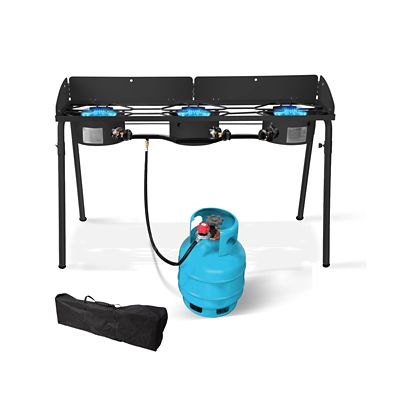
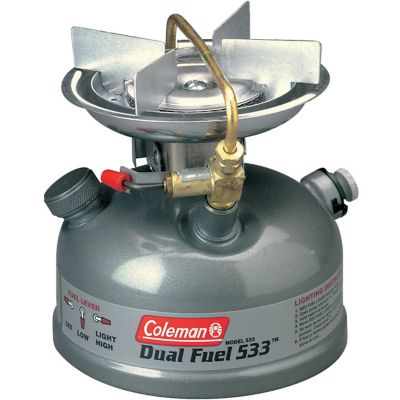
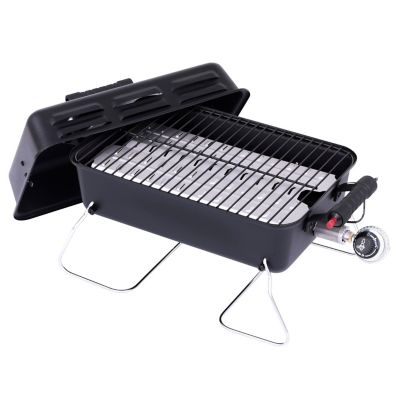
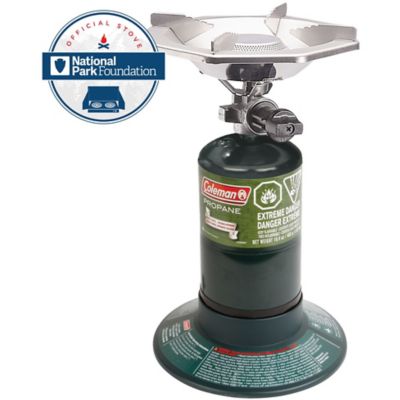
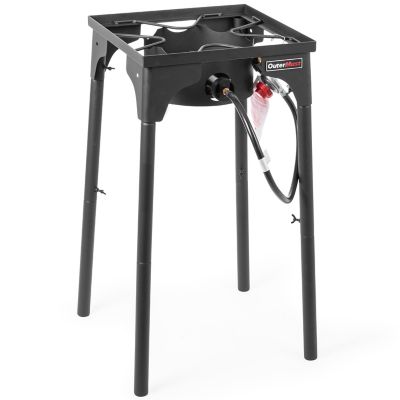
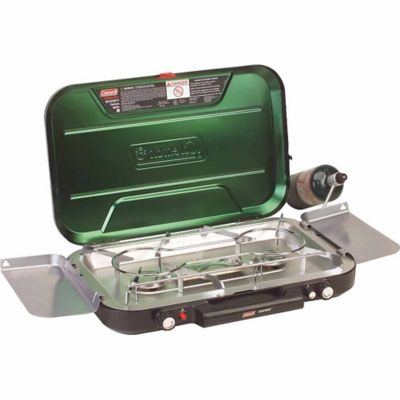
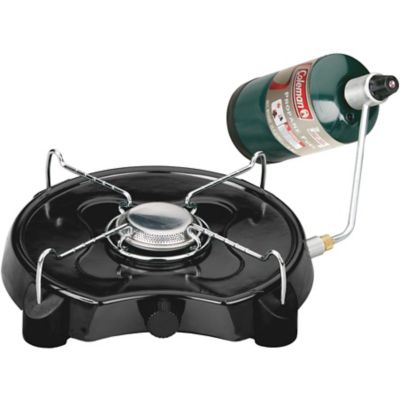
Two-burner camping stoves give family meals a familiar setup, even when the kitchen is a picnic table beside the campsite. Having two cooking spots means breakfast can come together with eggs in a skillet and oatmeal in a saucepan, or supper can include a pot of noodles alongside beans or a pan of sausage. That extra burner helps when everyone is hungry and one pot alone would leave part of the meal waiting. For families traveling with children, grandparents, or a few friends, separate burner controls can make it easier to manage different foods without rushing everything through the same pan. One burner can handle a steady simmer while the other brings water to a boil, depending on the stove’s control range and the cookware on top. Two-burner camping stoves for family trips are especially practical for drive-up campsites, where cooking gear travels in a vehicle rather than on someone’s back. A folding, suitcase-style design can keep the burners and cooking grate together for the ride, while a carrying handle makes the walk from the parking spot to the outdoor cooking area simpler. Larger designs may offer more room for family-size cookware, though they also take up more space alongside sleeping bags, camp chairs, and the food tote. The right fit depends on the meals a family likes to make and how much gear already comes along. A crew that enjoys pancakes and skillet potatoes has different cooking needs from one that mostly heats soup and boils pasta. These stoves can also make a thoughtful gift for a parent who plans campground weekends or a grandparent who enjoys taking the family fishing. The appeal is straightforward: familiar meals, room to cook more than one thing, and less time waiting for a single burner to free up.
Cooking space matters just as much as the number of burners. Two burners do not necessarily mean two large pans will fit side by side, so the usable grate area and the distance between burner centers deserve a close look. A broad skillet paired with a small saucepan may fit comfortably where two wide frying pans would crowd each other. Cookware needs firm support without blocking controls, interfering with protective panels, or extending beyond the stove’s supported cooking area. Cast-iron pans bring useful heat retention to camp meals, but their weight makes the stove’s cookware limits and the strength of the supporting table important. Lighter pots can ease packing, especially when meals call for several pieces of cookware. Burner output is another part of the picture, though a higher heat rating alone does not tell the whole story. A controlled low flame matters for scrambled eggs, sauces, and foods that scorch easily, while stronger output can help with larger pots of water. Independent controls let each burner do its own job, and clearly marked knobs make adjustments easier when the cooking area gets busy. Some designs offer push-button ignition; others require a separate lighting source. Either way, the lighting procedure and fuel connections should match the manufacturer’s directions. Propane is common in portable camping stoves, but fuel containers, regulators, hoses, and adapters are not interchangeable across every design. The specified fuel setup matters both for safe operation and for packing enough fuel for the planned meals. Construction also affects how a stove travels and how much attention it needs afterward. Painted steel housings, stainless steel components, and metal cooking grates have different care needs, and scratches or trapped moisture can shorten their working life. A secure latch, well-supported hinges, and an easy-to-remove grate can be useful details for families who regularly load and unload their camp kitchen. Protective side panels may help shield the flame, but they still need to leave the ventilation and clearances called for by the manufacturer. A stove that fits the cookware, carrying space, and family menu is a better match than one chosen on burner output alone.
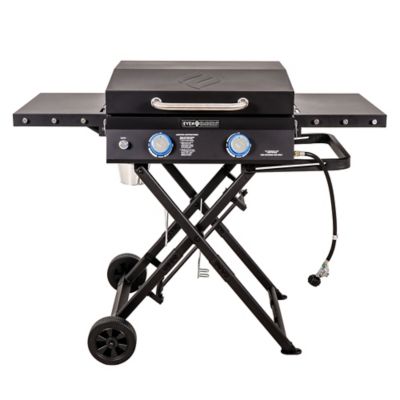
A family camp kitchen works best when the stove has its own stable spot, with room nearby for utensils, ingredients, and finished food. A level, heat-resistant surface helps keep a heavy pot steady, and pan handles should stay out of walkways and away from the edge where a child might reach them. Camping stoves belong outdoors, never inside a tent, vehicle, camper, or other enclosed space, because fuel-burning equipment can produce carbon monoxide. Required clearance from shelters, gear, and other combustible materials also matters, even when the setup looks roomy. Keeping children and pets away from the cooking area leaves the person at the stove space to handle hot cookware without someone brushing past. For families that favor burgers, chicken, or vegetables on a grilling surface,
2 Burner Portable Gas Grills offer another approach to outdoor meals. A camping stove is generally centered on pots and pans, making it a practical choice for breakfasts, soups, pasta, and other familiar family dishes. After the meal, straightforward care helps keep the next outing from starting with sticky controls or a grate covered in old food. Once the stove is completely cool and the fuel supply is handled according to its instructions, spills and grease can be cleaned with the recommended method. Removable parts should be thoroughly dry before they go back into the case, and burner openings need to stay clear of food debris without damage from scraping or improper tools. Fuel connections deserve regular inspection, especially after gear has shifted around during travel. Any leak check should follow the manufacturer’s procedure and never involve an open flame. Packing the stove so heavy gear cannot crush the controls or bend the grate helps protect the working parts between trips. With sensible handling and a little attention after each meal, a two-burner setup can become a familiar part of family camping: coffee water heating beside breakfast, supper coming together after a day outdoors, and enough room on the stove to feed the whole crew.