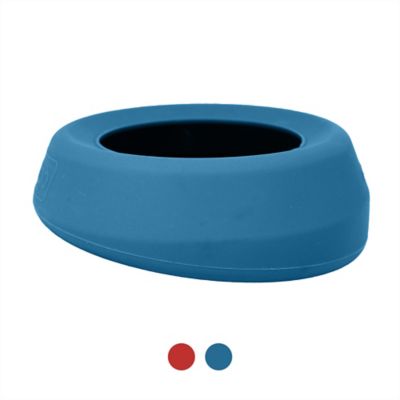
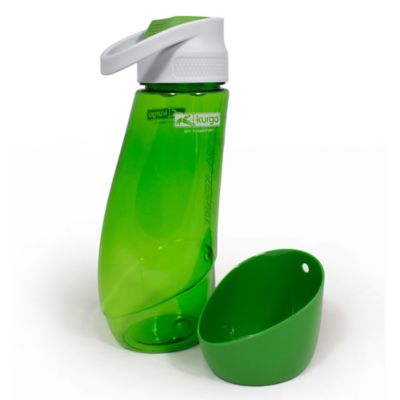
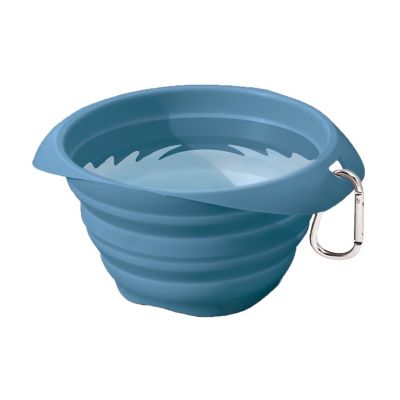
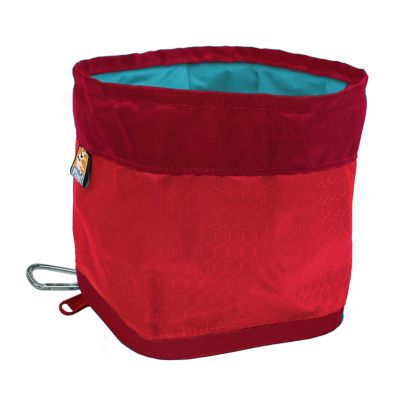
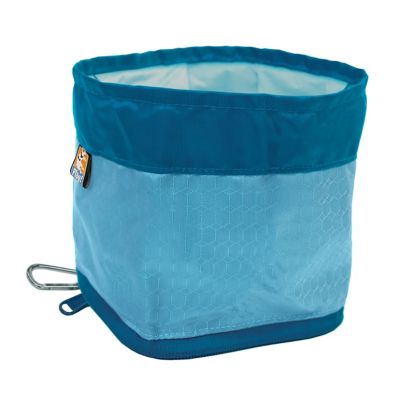
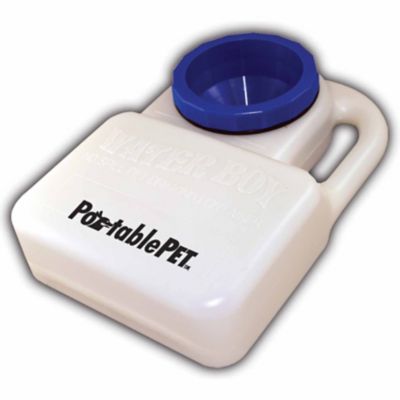
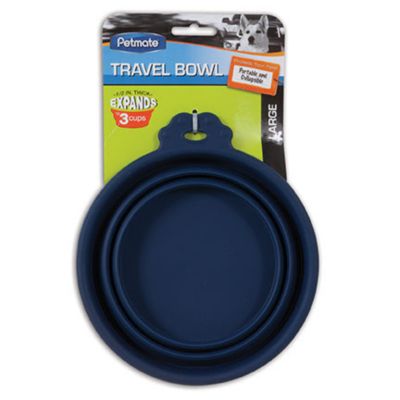
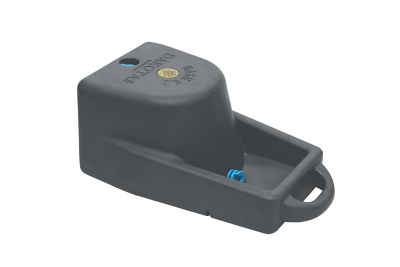
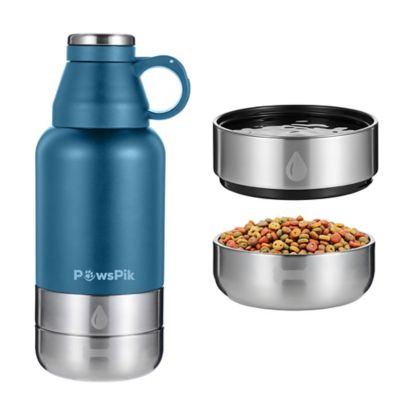
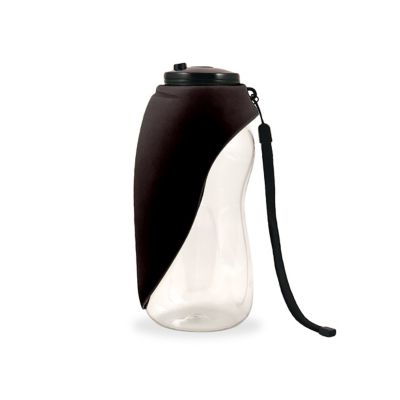
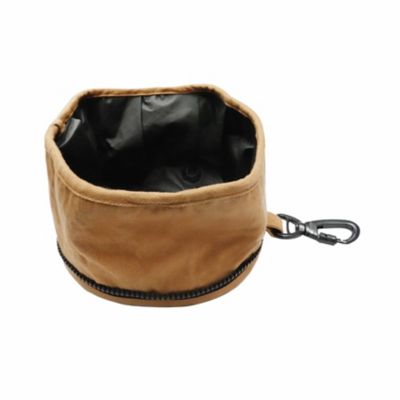
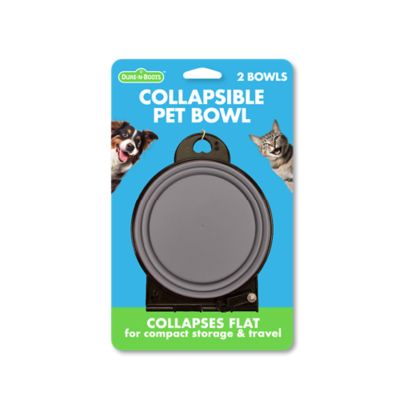
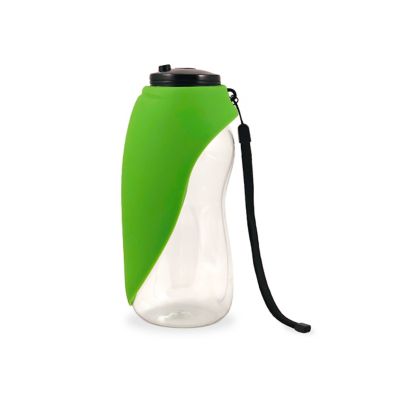
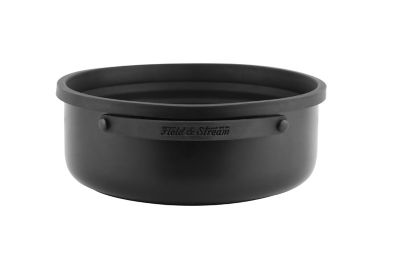
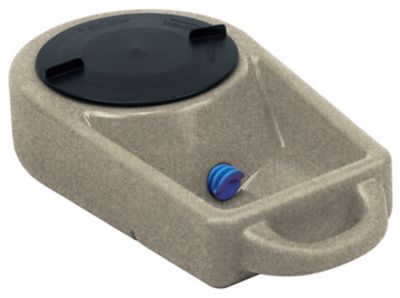
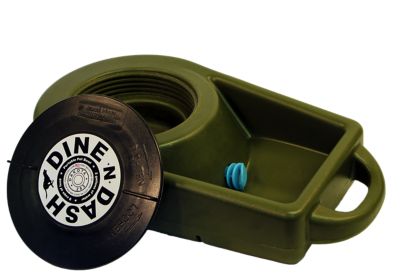
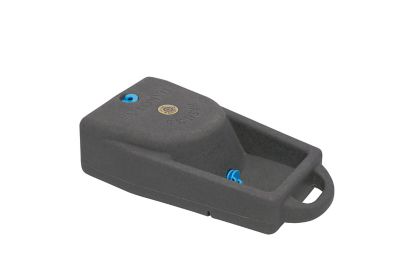
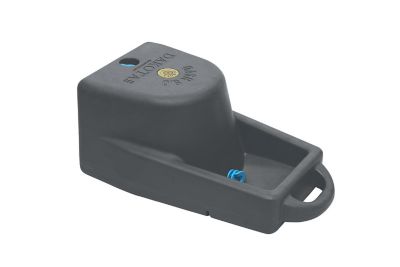
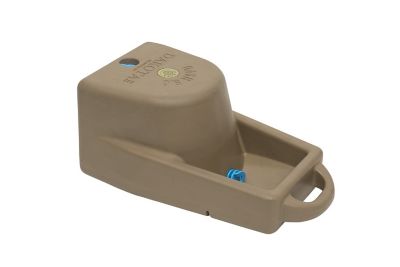
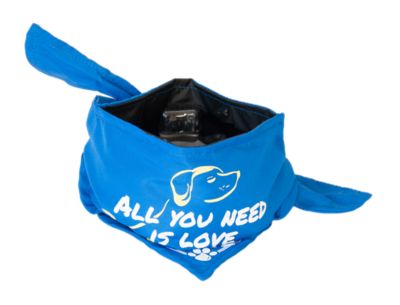
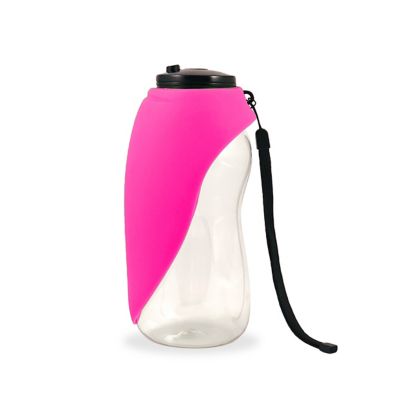
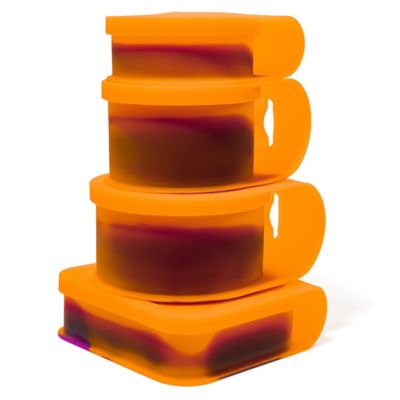
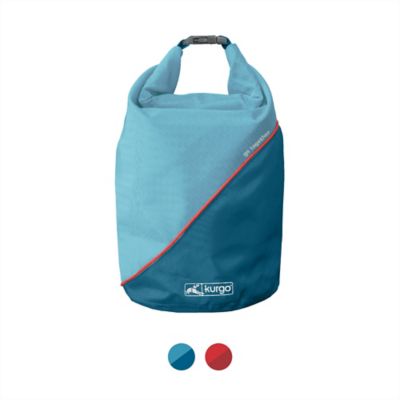
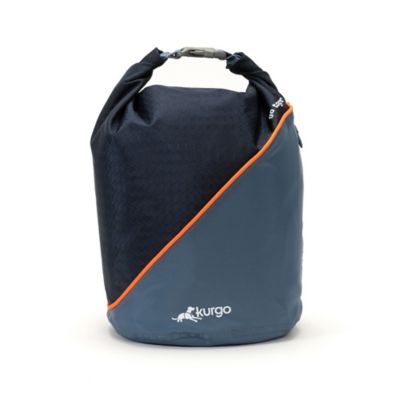
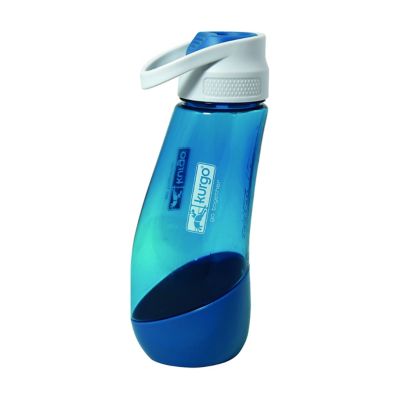
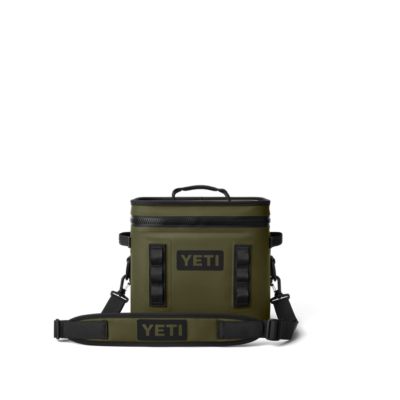
Portable bowls make it easier to carry food and water wherever the day takes you. Built for travel, hiking, camping, road trips and everyday errands, these lightweight bowls are often made from food-grade silicone, flexible plastic or durable fabric that folds, rolls or collapses flat when not in use. Some take up less than an inch of space, making them easy to tuck into a backpack, saddlebag, glove box, lunch bag or coat pocket. Others include a hanging loop, built-in carabiner or clip so they can be attached to a leash, pack or gear bag. For folks who spend time outdoors, a portable bowl can be handy at the trailhead, beside the camper, at a picnic table or near the barn when a regular dish is too bulky to haul along. They are also useful for keeping snacks, meals and leftovers contained during a day away from home. A folding bowl may serve as a camp dish, mixing bowl or small wash basin, while a sturdier option can provide a steady place for kibble, treats or water. If you are packing a meal for a long drive or heading out for a weekend in the woods, pair a portable bowl with other easy-to-carry travel gear, including
Portable Coolers for keeping food and drinks close at hand. When choosing a bowl, think about who will use it, how it will be carried and what kind of mess or weather it needs to handle. A compact fabric bowl can be a good choice for occasional water breaks, while a silicone or plastic bowl may offer more structure for regular meals. Wide, stable sides help keep food from spilling, and a deeper shape can be useful for water. For pets with long ears or a broad muzzle, the shape and opening matter; a bowl that is too narrow or shallow may be awkward to use. For camping meals, look for a size that fits the portions you normally pack without taking up more room than necessary. Some travel bowls are designed for food, water or both, and some sets include more than one size for different needs. A simple bowl can make a thoughtful gift for a new dog owner, a family that enjoys camping, a college student traveling between home and school or anyone who keeps an active pet by their side.
Material and construction are worth a close look, especially when a bowl will hold food or drinking water. Choose food-grade materials and check the product details for BPA-free construction, as well as information about lead and other unwanted substances. Smooth, nonporous surfaces are generally easier to rinse clean than rough or woven interiors, which can hold onto crumbs and odors. Silicone is popular for travel because it is flexible, lightweight and easy to fold, while plastic may offer a firmer shape and lower weight. Fabric bowls can pack down especially small, though they may need a little more attention after wet use so they can dry fully before being stored. A reinforced rim helps a collapsible bowl stay open, and a solid base can keep it from tipping on gravel, grass or a picnic blanket. Check whether the bowl is dishwasher safe if that matters for your routine, but follow the care instructions and remember that not every part of a travel bowl belongs in the dishwasher. For a quick cleanup on the road, empty leftover food, wipe away grease and rinse with clean water as soon as you can. A small bottle of mild dish soap and a clean towel can be useful additions to a travel kit. Pet owners should wash bowls often, particularly after raw food, wet food or extended outdoor use, and provide fresh water rather than letting a bowl sit in the sun for long stretches. Campers should avoid using a lightweight bowl for hot foods unless the manufacturer says it is made for that purpose, and they should let meals cool before packing a flexible container. Keeping separate bowls for people and pets helps prevent mix-ups, while labeling a family member’s camp dish can save a little confusion around a busy campsite. A bowl that is simple to open, fill, empty and clean is more likely to earn a permanent place in the truck or pack.
The best portable bowl is one that fits naturally into the way you already travel. Before buying, consider the packed size, empty weight, capacity, stability and storage method. A bowl that folds flat may be ideal for a day hike, but a family road trip may call for a larger size or a set with lids. A built-in clip is convenient when you want to attach a bowl to a leash or backpack, while a hanging loop can make it easier to air-dry from a camp kitchen line or porch hook. If the bowl will ride in a vehicle, look for a shape that can be stored without being crushed and a surface that will not be difficult to wipe down after a spill. During the cooler months, portable bowls are useful for keeping a pet hydrated on brisk walks, carrying a warm meal to a hunting camp or serving snacks during outdoor chores, where a full-size dish may be one more thing to wash and haul. In warmer weather, they are handy for water breaks at the park, a picnic near the creek or a long afternoon on the road. Keep one in the truck, one with hiking supplies or one in a pet travel bag so it is ready when plans change. Portable bowls also make practical gifts because they suit a wide range of people, from first-time pet owners and trail walkers to campers, travelers and families with busy days away from home. A good choice should feel sturdy enough for repeated use without adding much weight, fold down neatly, clean up without fuss and hold the amount needed for the job. With the right size and material, a portable bowl can become a small but dependable piece of everyday gear—ready for a quick drink of water, a roadside meal, a camp breakfast or a well-earned snack after a day outside.