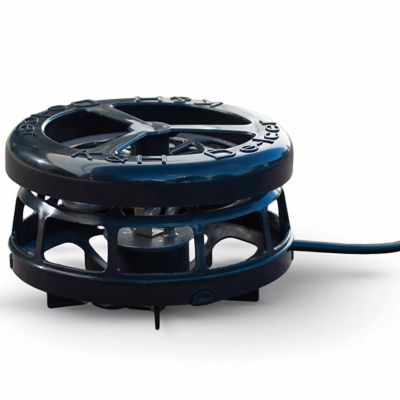
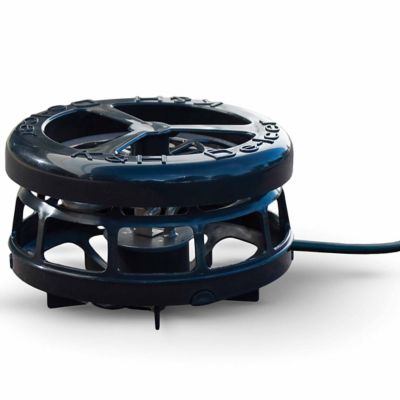
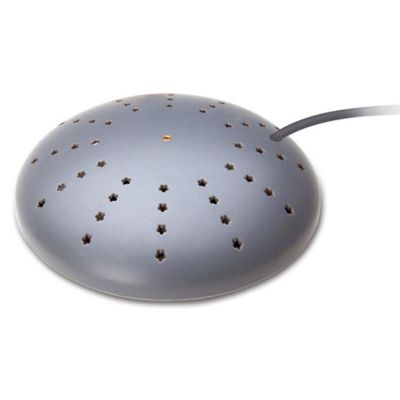
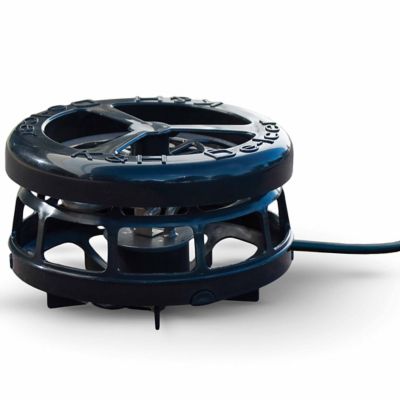
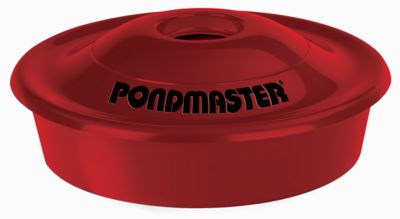
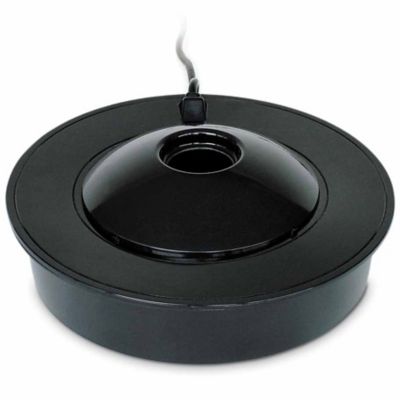
A pond deicer helps keep a small opening in surface ice so gases can escape and oxygen can enter the water. Rather than warming the entire pond, it concentrates heat around one area, helping maintain a path for gas exchange when freezing conditions seal the rest of the surface. That distinction matters for koi and goldfish that stay outdoors through winter: an opening supports their environment, but it does not replace adequate water depth, sensible fish populations or aeration where needed. Decomposing leaves, fish waste and other organic matter consume oxygen and can release gases beneath the ice. Keeping part of the surface open gives carbon dioxide and other trapped gases a way out instead of leaving the pond sealed over. For a water garden beside the porch or a fish pond near the barn, pond deicers serve a practical purpose without the expectation of keeping every corner ice-free. Their performance depends on more than pond size alone. Wind exposure, how long freezing temperatures last, water movement and the shape of the pond all affect how readily ice forms around the opening. A sheltered pond with a modest fish population presents different demands than an exposed pond where wind sweeps across the water all day. Water depth also matters to fish overwintering, even though a deicer works mainly at or near the surface. A shallow pond that can freeze through needs more than an open patch at the top. Likewise, a compact water-garden deicer should not be expected to keep an entire farm pond open or provide drinking access for livestock unless it is rated for that application. Pond deicers and stock-tank deicers may look similar, but their approved uses, placement requirements and contact protections can differ. Matching the equipment to the actual pond helps set realistic expectations before the first hard freeze.
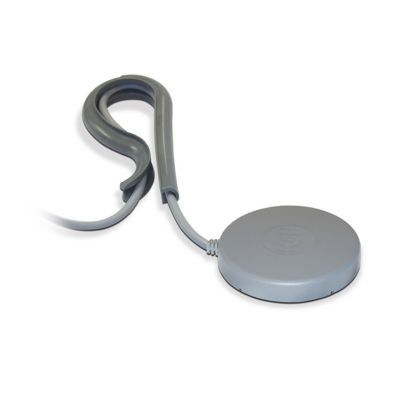
Floating and submersible pond deicers offer different fits for a pond’s layout. A floating design holds its heating area near the surface, while a submersible design operates below the water at a depth and position specified by its manufacturer. Some designs allow more than one configuration, but that flexibility should come from the product’s stated rating rather than an improvised setup. For ponds with flexible liners, molded plastic shells or coated surfaces, compatibility deserves close attention. A protective cage or guard can help maintain separation from the heating element, but a guard alone does not establish that a deicer is suitable for every liner material. Metal components may include stainless steel or aluminum, while floats and housings may contain plastics made for outdoor exposure. Corrosion resistance, secure connections and protection around the element matter when equipment spends long stretches around water, ice and pond debris. Wattage describes electrical demand, not a promise that a larger opening will stay clear in every setting. The right rating depends on the maker’s recommendations for pond conditions and the level of freezing exposure. Many pond deicers have thermostatic controls that switch the element on when temperatures approach freezing and off when heat is no longer needed. That can limit unnecessary operation, though electricity consumption still varies with conditions and how long the element runs. Cord length is another everyday consideration, especially when the pond sits well away from the house or shed. A grounded outdoor outlet with ground-fault circuit interrupter protection, commonly called GFCI protection, belongs in the setup. An extension cord is not a workaround unless the manufacturer expressly permits one and specifies the required type and rating. Electrical connections need protection from standing water, snow and physical damage, with cords routed away from foot traffic, mower paths and places where animals might chew them.
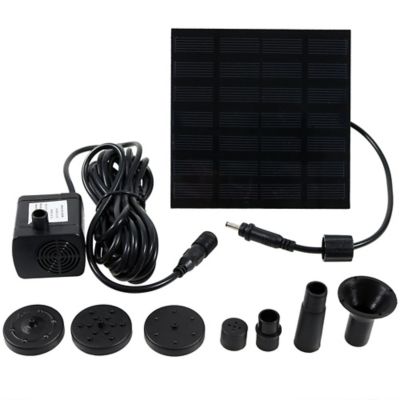
Placement and upkeep make a difference over a full stretch of freezing weather. A deicer needs the water depth, clearance and operating position listed for its design; the deepest part of the pond is not automatically the best spot for every unit. For ponds with fish resting near the bottom, winter aeration also calls for thoughtful placement rather than strong circulation through their deepest refuge. A deicer and an aerator can complement each other, but they do different jobs, and neither guarantees adequate oxygen under every condition. A pond aerator moves air through the water, while a deicer helps preserve an opening at the surface. A
solar pond fountain adds moving water when operating conditions allow, but it is not a substitute for a deicer in freezing conditions; fountain pumps and tubing need their own freeze-protection or storage arrangements. Around an iced-over pond, keeping the surface opening clear of drifted leaves and checking operation from a safe position can help catch trouble before a long freeze. An opening should never be created by hammering or pounding on the ice, since pressure waves can harm fish. Warm, not boiling, water can help melt a small opening gently, with the deicer then positioned according to its operating directions. Before handling equipment, reaching into the water or performing maintenance, disconnect the power. Heating elements should never operate out of water unless their instructions explicitly allow it, and the cord should not serve as a lifting handle. Mineral buildup and clinging debris can interfere with heat transfer, so cleaning methods should match the element and housing materials. Harsh scraping can damage protective surfaces or seals. Between periods of service, a clean, dry storage spot helps protect the cord, float and connections. Inspection for cracked housings, damaged insulation or loose parts belongs before the next installation, not after the pond freezes. These practical details help a pond deicer do its intended job: maintaining a modest opening while the rest of the pond follows winter’s course.