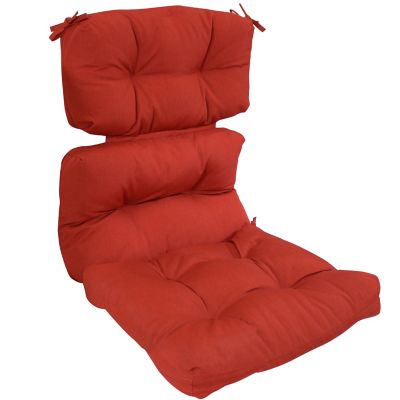
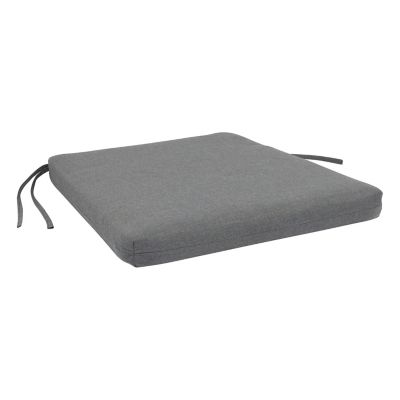
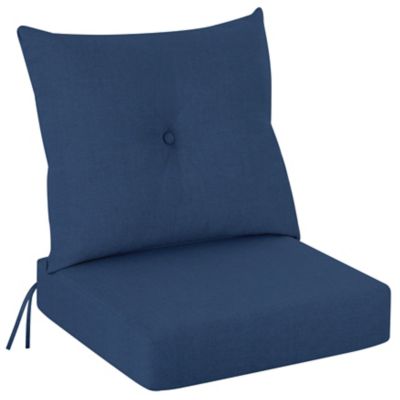
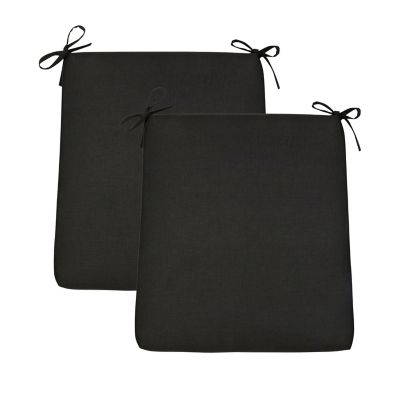
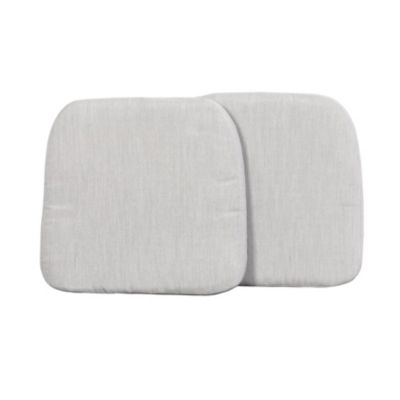
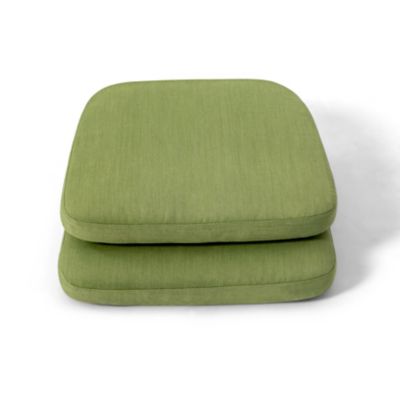
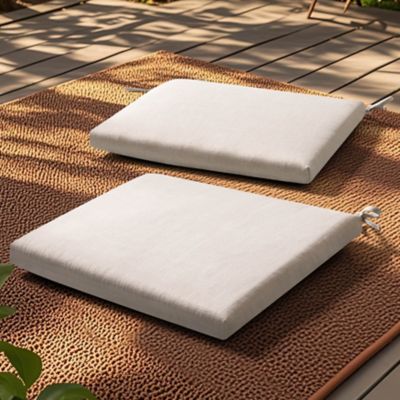
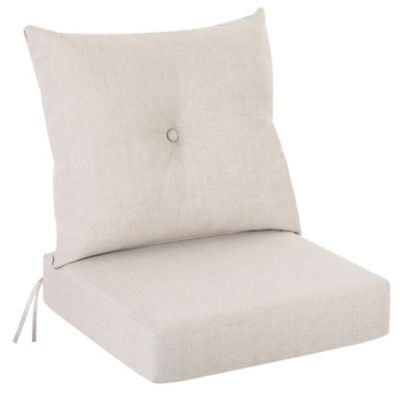
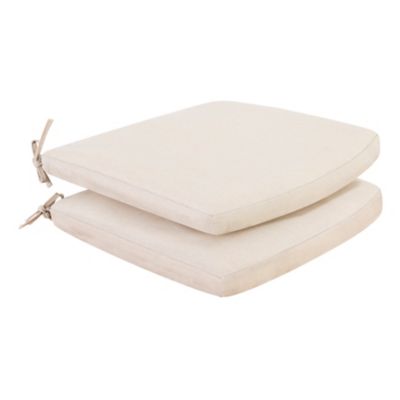
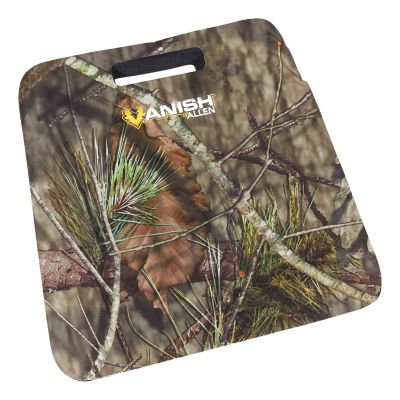
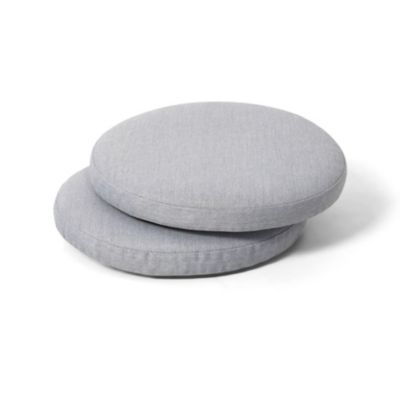
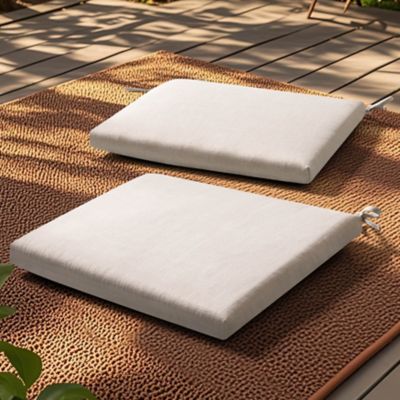
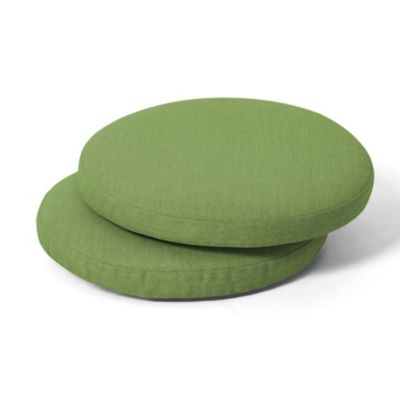
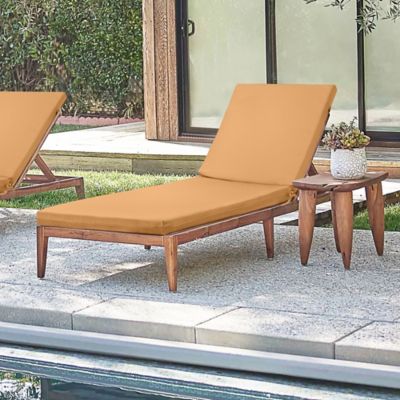
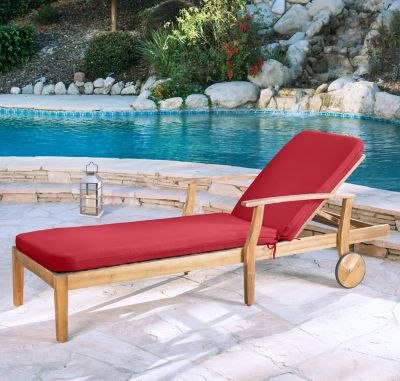
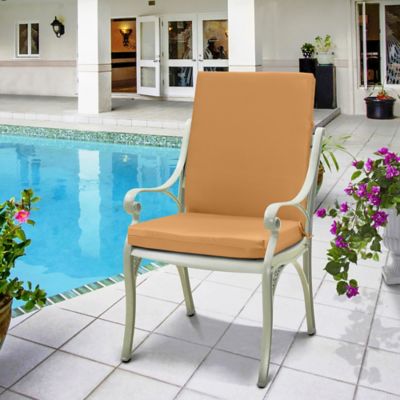
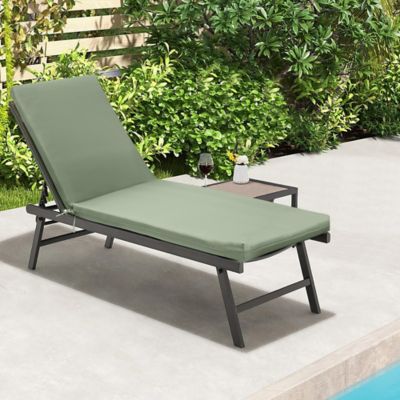
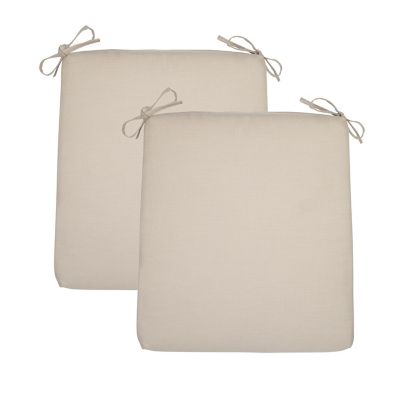
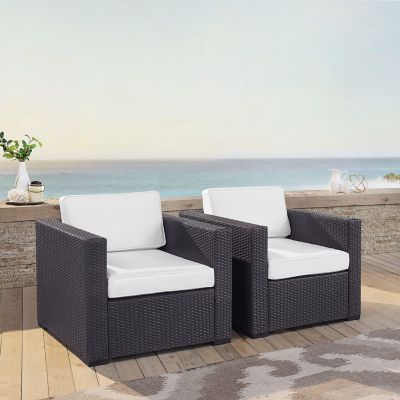
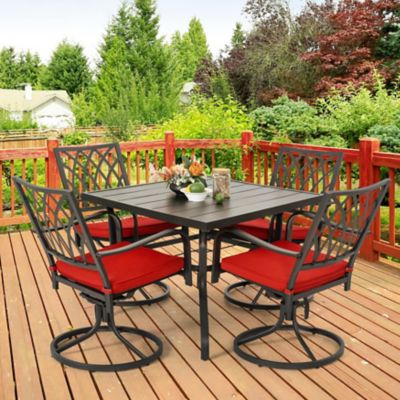
Outdoor cushions bring a softer place to settle in on the porch, gather around a patio table or take a break after chores. They add padding to outdoor furniture, with shapes and construction suited to different kinds of seating. Chair pads provide a layer of comfort for dining chairs, bench cushions cover a longer seating surface, and deep-seat cushions pair a substantial seat pad with a separate back cushion. Chaise lounge cushions extend along the seat and leg section, often with a fold where the furniture adjusts. The right fit matters as much as the look: a cushion should rest within the furniture frame without bunching against the arms, hanging over the front edge or leaving a wide gap along the sides. Measuring the usable seat width and depth gives a better starting point than measuring an old cushion that has stretched or flattened. Back height, curved corners and the position of a chair’s arms also affect how a replacement cushion sits. A bench with a straight, rectangular seat needs a different shape than a rounded porch chair, even when their widths are close. Cushion thickness changes the sitting position, too. Extra loft can make a low lounge chair more inviting, but it may raise a dining chair seat too close to the table or reduce the support available from the chair back. Ties, straps and nonslip backing can help limit shifting, especially on smooth seats, though their placement needs to line up with the furniture frame. For seating that reclines or folds, cushion breaks should follow the furniture’s moving sections. When the whole chair is part of the plan,
outdoor lounge chairs with cushions bring the frame and padding together. Whether the spot is a farmhouse porch, a backyard sitting area or a small landing outside the kitchen door, cushions that fit properly leave room to sit back without constant tugging and straightening.
Outdoor cushion materials affect how the surface feels, how the color holds up and how readily moisture can leave the fabric and filling. Common cover fabrics include polyester, olefin and solution-dyed acrylic, but performance depends on the particular fabric, finish and cushion construction. Polyester offers a broad range of colors and patterns; some versions include treatments intended to help resist moisture or fading. Olefin absorbs little moisture into its fibers and can work well for outdoor seating where easy upkeep matters. Solution-dyed acrylic carries color throughout the fibers, helping it resist fading from sunlight. No fabric name alone tells the whole story, so care labels and stated performance features matter more than appearance. Water-resistant fabric can shed a light splash, but that does not mean the entire cushion is waterproof. Moisture may still enter through seams, zippers or the underside, particularly when water sits on the surface. Inside the cover, foam provides a more structured seat, while polyester fiber fill generally creates a softer, loftier feel. Higher-density foam can hold its shape better under repeated sitting, although density and firmness are different characteristics. A cushion can feel firm without having especially dense foam, and a thick cushion is not automatically more supportive than a thinner one. Quick-draining foam and breathable construction can help moisture escape when those features are part of the design. For a chair that sees daily coffee breaks or long visits with neighbors, balanced support can matter more than a pillowy first impression. Back cushions often benefit from a softer feel, while seat cushions need enough structure to keep the furniture frame from pressing through. Seams, reinforced tie attachments and secure closures are worth attention because these areas handle repeated movement. Tufting can help keep filling distributed, though deep folds may catch crumbs and grit. Removable covers can simplify cleaning when the care label permits removal and washing; a zipper by itself does not mean a cover belongs in the washing machine.
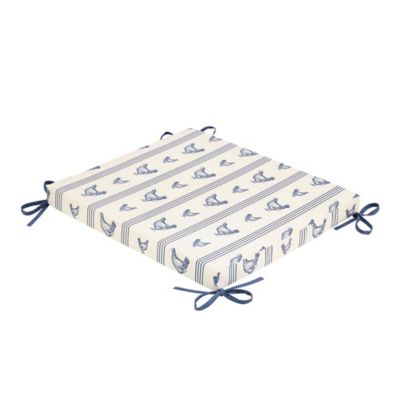
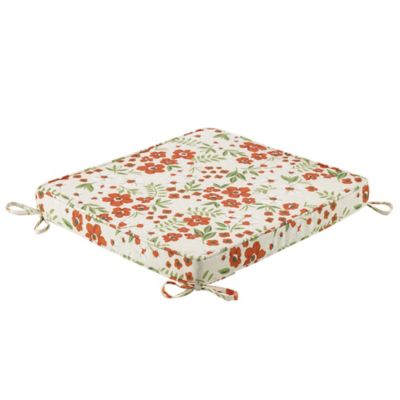
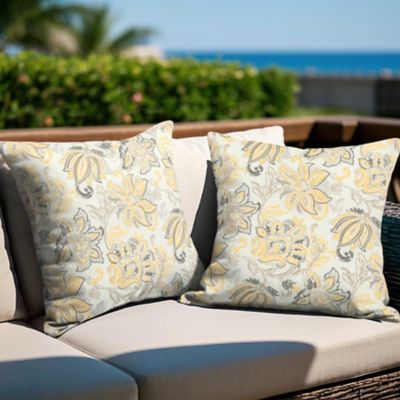
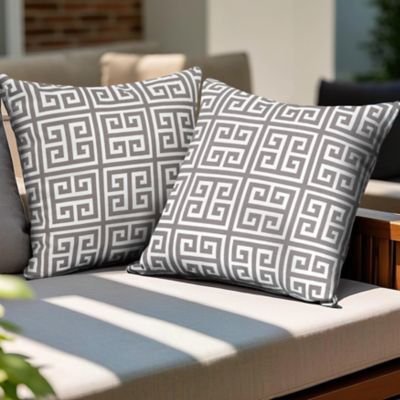
Color, pattern and everyday care help outdoor cushions feel at home in the space and stay ready for the next sit-down. Solid colors can keep a row of porch chairs looking coordinated, while stripes, checks and small repeating patterns bring a little character to plain furniture. Midtone shades and patterned fabrics may make ordinary dust or small marks less noticeable than very light, solid fabric. Lighter colors can brighten a shaded seating area, but fabric color alone does not establish fade resistance or cleaning requirements. Matching seat and back cushions creates a consistent look, while coordinating different shapes can tie a bench, rocking chair and lounge chair into the same gathering spot. For a busy household, practical details often carry the most weight: covers that suit the expected mess, ties that are easy to reach and cushions that are manageable to move into storage. Loose dirt is easier to brush away before it works into the weave, and a quick shake can clear crumbs after supper outside. Spills generally need prompt blotting rather than hard scrubbing, followed by the cleaning method listed on the label. Mild soap and water suit some fabrics, but bleach, strong cleaners and pressure washing can damage others or affect their finishes. After cleaning or a soaking rain, cushions need enough airflow to dry through the filling, not just across the surface. Standing them on edge may help drainage when their shape and care directions allow it. Putting damp cushions into a closed storage box can trap moisture and encourage mildew. A clean, dry storage spot and a properly fitted furniture cover can reduce exposure between visits, though a cover should not seal moisture inside. Outdoor cushions can also make a thoughtful housewarming gift for someone setting up a porch or backyard retreat, provided the furniture measurements and preferred care routine are known. From a quiet seat beside the back door to a bench with room for family, a good match of fabric, fill and fit makes everyday outdoor seating more comfortable without adding unnecessary fuss.