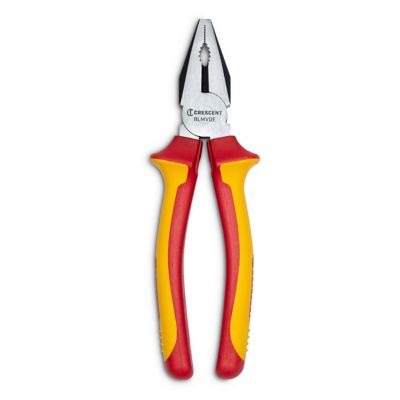
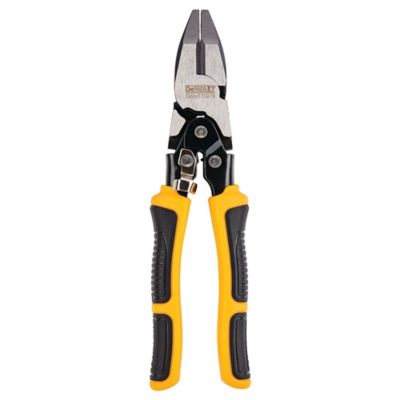
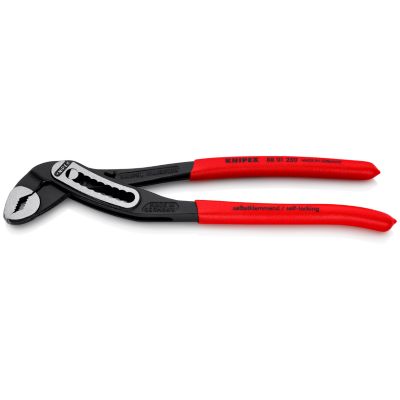
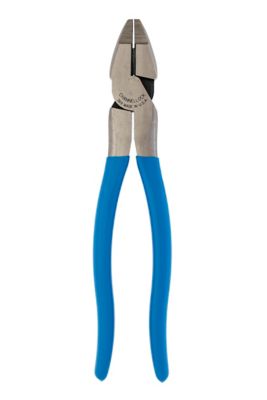
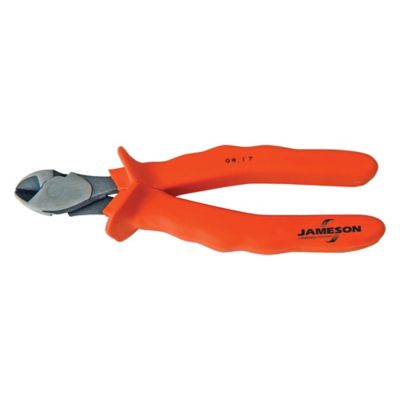
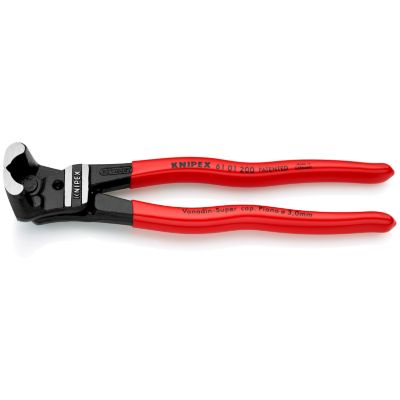
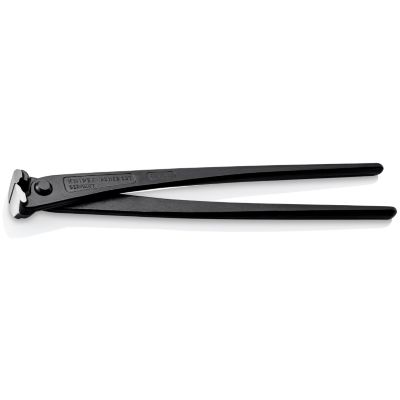
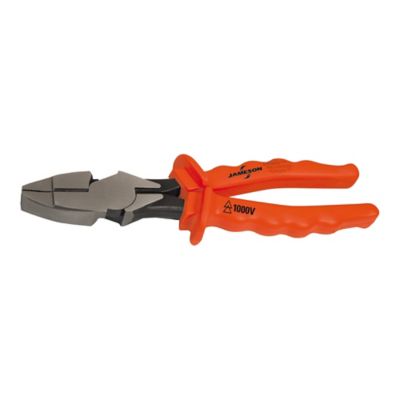
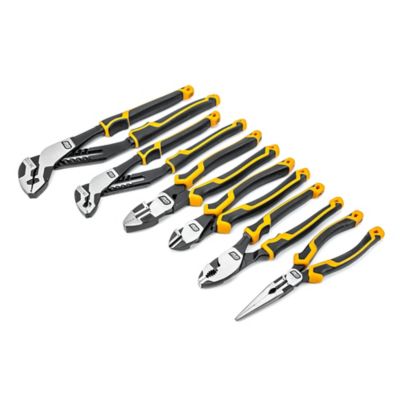
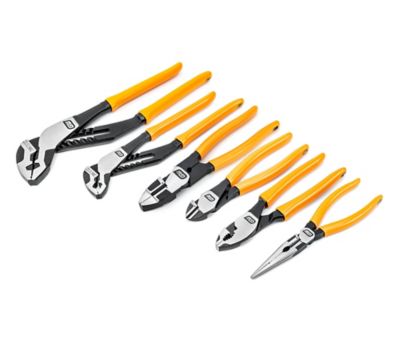
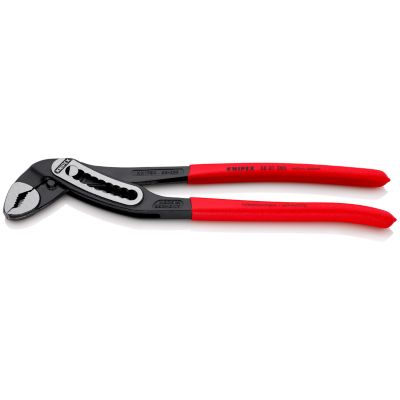
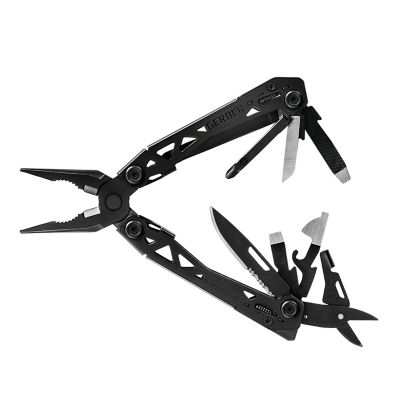
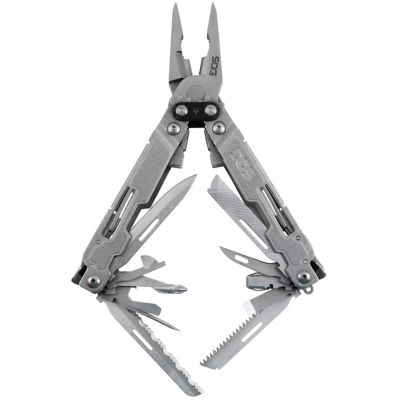
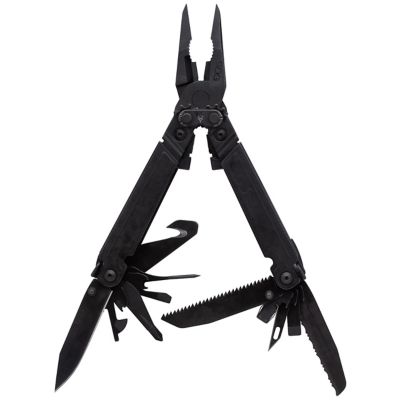
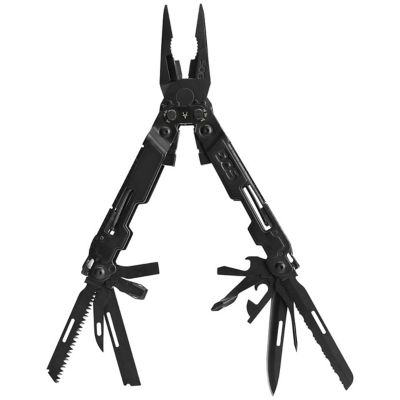
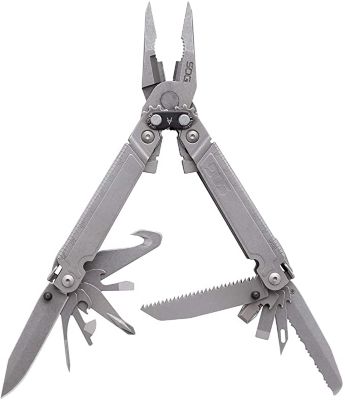
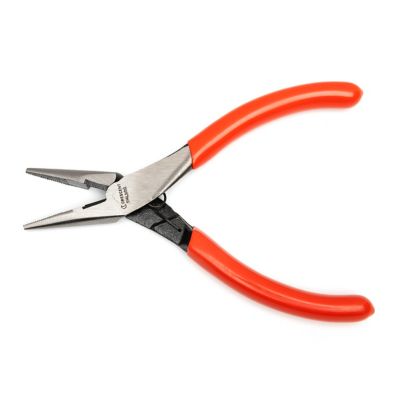
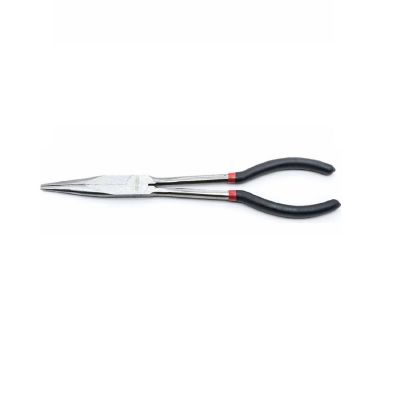
High leverage pliers are built for jobs where ordinary hand tools start to feel like a wrestling match. Their main difference is the position of the pivot, or joint rivet, in relation to the jaws and cutting edges. By placing that fulcrum closer to the working end, the tool multiplies the force applied through the handles, helping you cut, twist and hold tough materials with less strain. Depending on the design and material, this leverage can provide roughly 35% to 46% more cutting power than standard pliers. That extra mechanical advantage comes in handy when trimming fencing wire, cutting nails, snipping heavy-gauge cable or pulling stubborn fasteners during repairs around the farm, shop, garage or home. High leverage pliers are also useful for gripping and twisting wire when building or repairing livestock panels, garden fencing, trellis supports and utility lines. A sturdy pair may help make a demanding task more manageable, but it still pays to choose the right tool for the material. Check the manufacturer's rated cutting capacity before working on hardened wire, cable, spring wire or other dense materials, and never assume that extra leverage makes a tool suitable for every job. Using pliers beyond their rating can damage the cutting edges, loosen the pivot or send a broken piece of wire flying. Safety glasses, gloves suited to the material and a stable work surface are sensible additions, especially when working with old fencing, rusty fasteners or wire under tension.
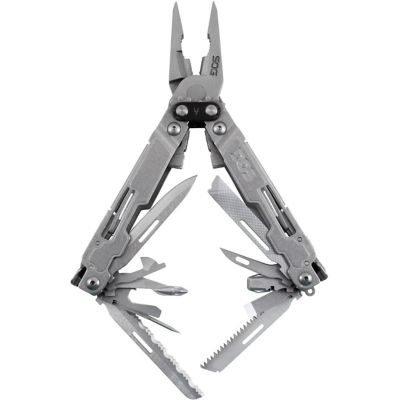
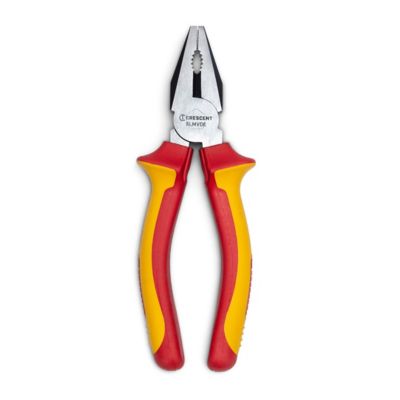
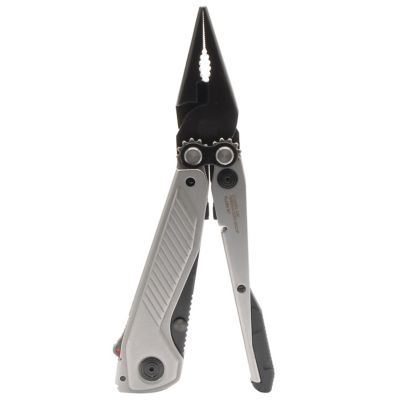
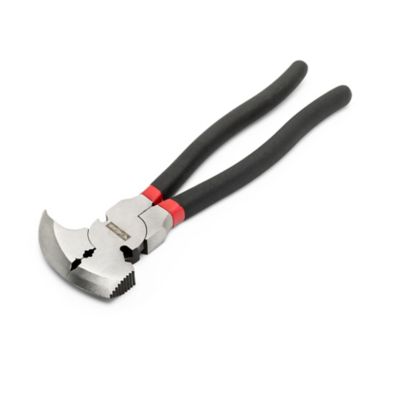
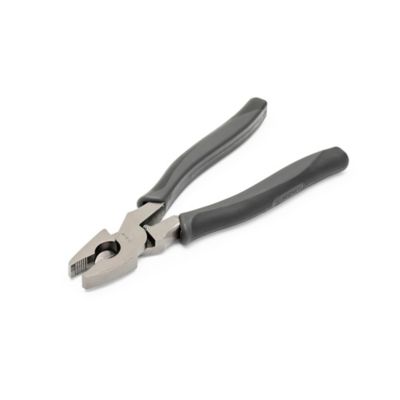
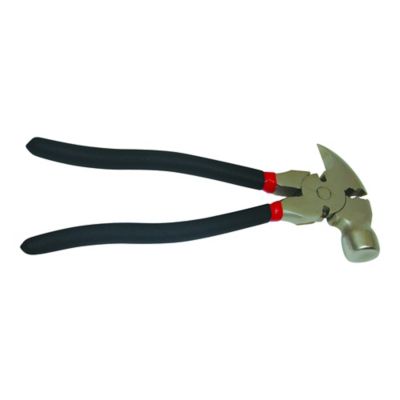
When comparing high leverage pliers, start with the work you do most often. Lineman-style pliers are a practical all-around choice for gripping, twisting and cutting wire, with broad jaws that often have crosshatched teeth for a firm hold on flat or round material. Combination styles bring together gripping areas, cutting edges and sometimes additional features for everyday repairs, making them useful in a tool box that travels between the barn, pickup and house. Some specialty designs include wire-crimping sections, fish tape pullers or reaming areas for smoothing the inside edge of conduit. These added functions can save a trip back to the tool box, though dedicated tools may still be the better choice for frequent professional work. Pay attention to the cutting edge as well. A center-cutting arrangement may suit general wire work, while a heavier side-cutting design can be better for trimming close to a surface or handling tougher materials. Jaw shape matters when you need to reach into a narrow space, and the overall length affects both leverage and control. Longer handles can make cutting easier, but they may require a wider opening and more room to operate. That trade-off is worth remembering in crowded electrical boxes, tight engine compartments or along closely spaced fence posts. Look for a smooth, solid pivot with little side-to-side play, jaws that meet evenly and clean cutting edges without visible gaps. A dependable joint should open and close without grinding or binding, while the handles should return comfortably without pinching your hand. Dipped handles can offer a straightforward, easy-to-clean surface, while thicker comfort grips may feel better during repeated work. If you spend long days repairing equipment or cutting wire, handle shape and balance can matter just as much as rated capacity. For more options focused on a secure, comfortable hold, browse
Pliers With Grip.
High leverage pliers earn their place in the toolbox because they cover the kind of small, stubborn jobs that show up without warning. They can help cut baling wire, pull staples, twist tie wire, hold a bolt while it is tightened, or trim protruding ends from a repair. In the cooler months, they may see extra use while making equipment ready for storage, mending gates, handling furnace or workshop projects and finishing indoor repairs that were put off during the busy season. As the weather warms, the same pair can move outdoors for fence maintenance, garden supports, shed repairs and general cleanup around the property. They also make a useful gift for a new homeowner, a farmer, a ranch hand, a mechanic, a tradesperson or anyone building a practical tool collection one reliable piece at a time. A good pair is easy to understand, useful across many chores and small enough to keep in a truck, tack room, workbench drawer or kitchen utility cabinet. For a gift, consider the recipient's usual projects and hand comfort rather than choosing by size alone. Someone who works with heavy livestock fencing may value a rugged, high-capacity design, while a homeowner may prefer a balanced combination style for occasional repairs. Keep in mind that no pair of pliers replaces a bolt cutter, cable cutter or dedicated crimping tool when the job calls for one. Use the tool squarely on the material, keep fingers clear of the jaws and avoid striking the handles with a hammer to gain more force. Wipe away dirt and moisture after outdoor work, dry the pivot and add a small amount of tool lubricant if the joint begins to feel stiff. Store the pliers closed or in a protected drawer so the cutting edges do not scrape against other tools. With the right size, jaw pattern, handle style and cutting capacity, high leverage pliers can become one of those dependable shop companions that gets reached for before the toolbox lid is fully open.