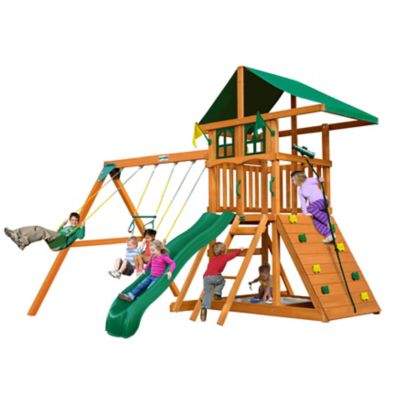
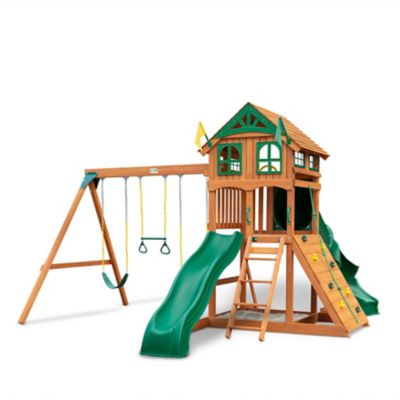
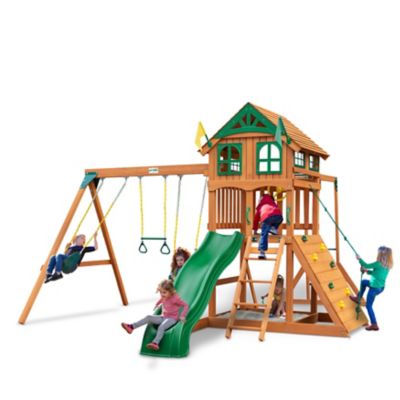
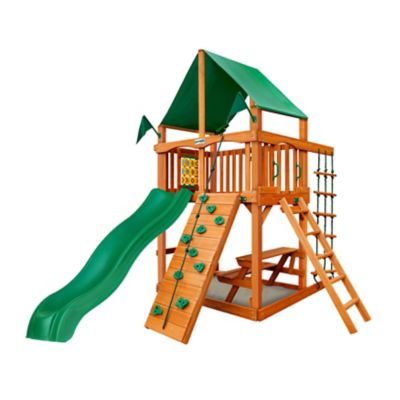
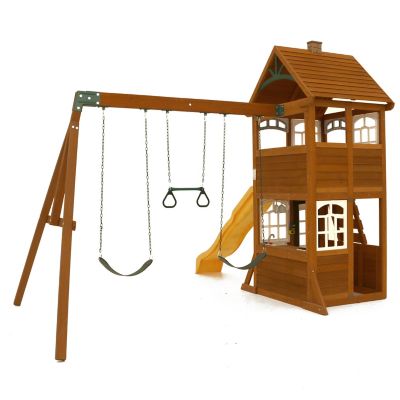
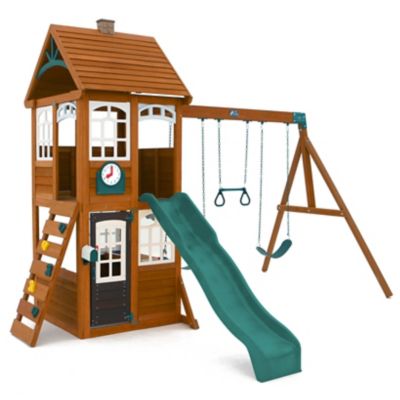
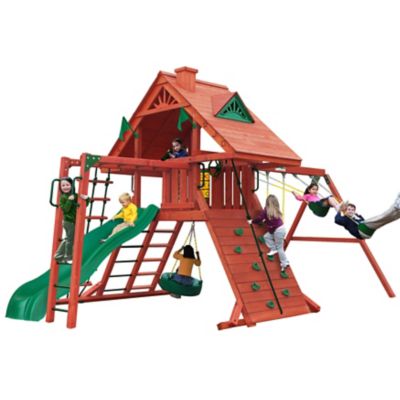
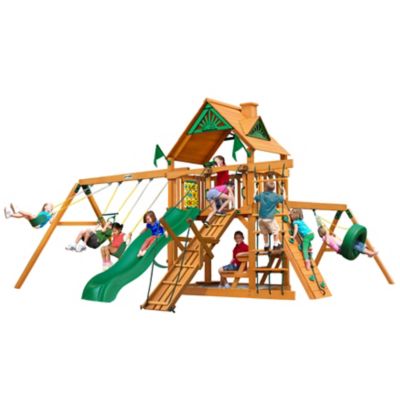
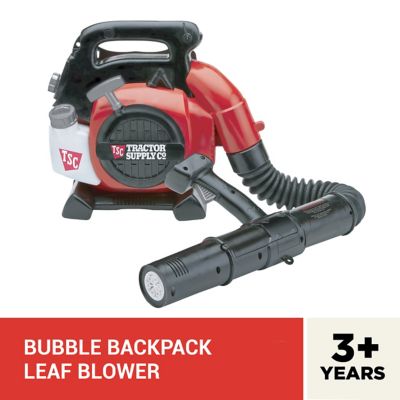
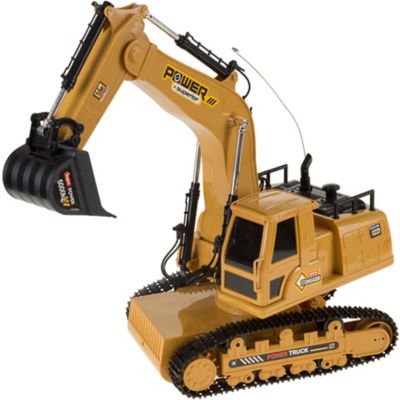
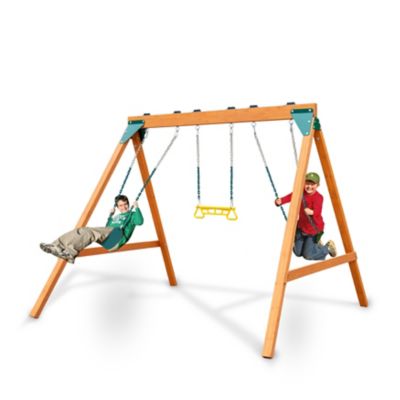
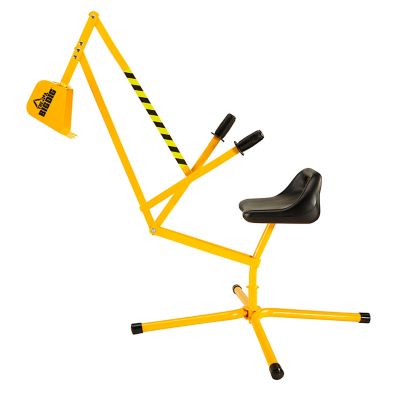
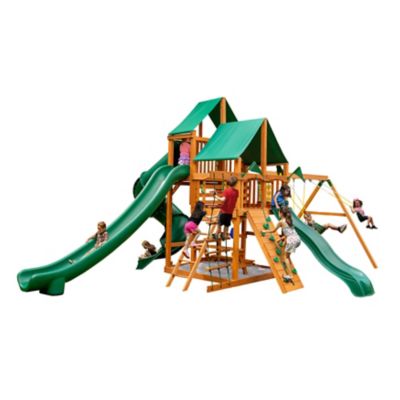
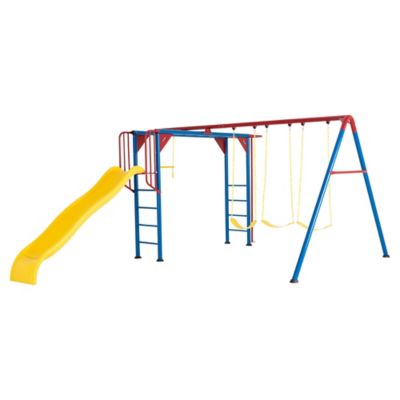
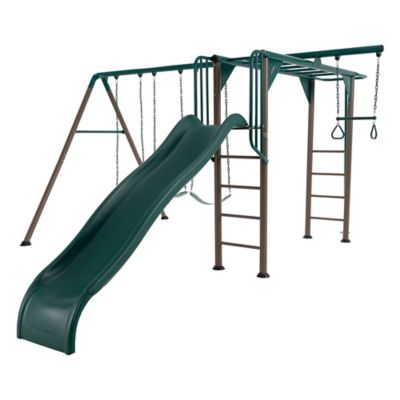
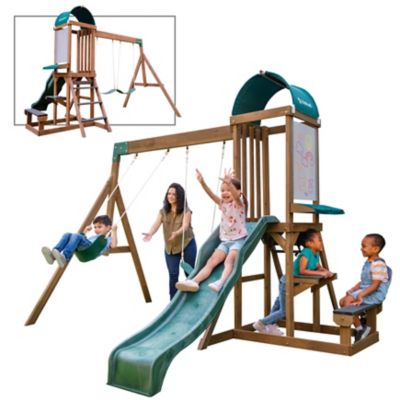
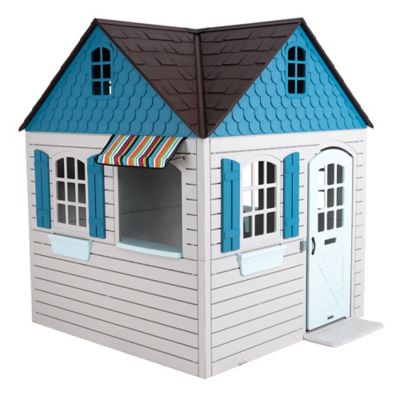
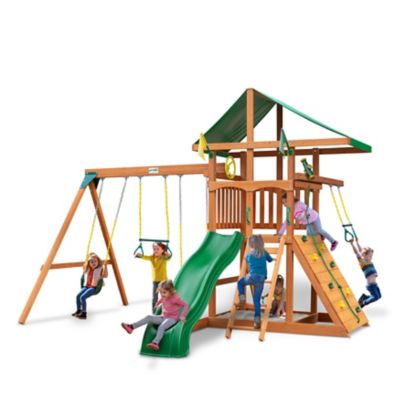
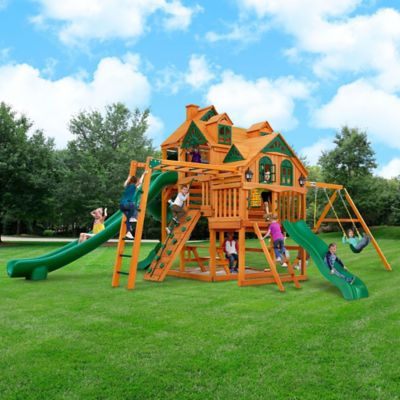
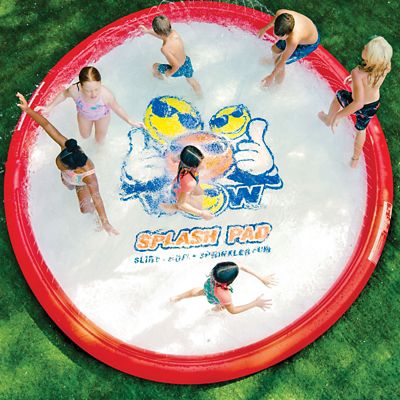
Backyard toys include playsets, swings, slides, sandboxes, water tables, ride-on toys, and outdoor sports and game sets. They give children room to climb, dig, build, pretend, and work off some energy without leaving home. Some create a regular gathering spot in the yard, while others pack away between rounds of catch or an obstacle course across the grass. The best fit depends on the children’s ages, the way they like to play, and the space around the house. A toddler scooping sand needs a different setup from an older child practicing a basketball shot or steering a pedal-powered ride. Age recommendations, weight limits, seat dimensions, and reachable handles matter more than appearance alone, especially when siblings share the same play area. A broad platform or easy-grip handle may help a younger child feel steadier, but those features do not replace the manufacturer’s age guidance or an adult keeping watch. For larger backyard play equipment, the footprint is only part of the space needed. Swings need clearance through their full motion, slides need open landing areas, and climbing equipment needs the protective surfacing specified in its instructions. Room for grown-ups to walk around the setup makes supervision and everyday upkeep easier, too. On a property with pets, livestock, driveways, or a pond nearby, a separate play area helps keep children’s activities away from traffic and animal chores. Smaller yards can still hold plenty of fun through compact activity centers, portable games, and toys that serve more than one kind of play. A scoop-and-pour station might become a pretend kitchen, while a simple target game can bring siblings and grandparents into the same afternoon. Backyard toys also make thoughtful birthday gifts when their size and intended age range suit the household. For a gift that needs assembly or a permanent spot, checking with the adults first helps make sure there is room for both the equipment and the play that happens around it.
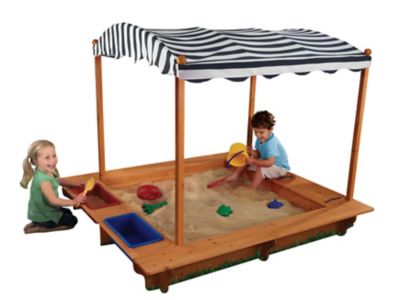
Materials and construction shape how outdoor toys feel, how they fit into a yard, and how much care they need along the way. Wood brings a familiar look to playsets and sandboxes, with broad surfaces that deserve regular checks for rough spots, splitting, and loose connections. Any sanding, sealing, or other upkeep should follow the maker’s directions, including guidance about finishes suited to children’s play equipment. Molded plastic often appears in smaller slides, activity tables, and ride-on bodies because it can form rounded edges and wipe-clean surfaces. Its weight and shape still matter: a lightweight toy needs a stable placement, and a hollow section may have drainage or storage instructions that are easy to overlook. Metal frames and hardware support many kinds of climbing and swinging equipment, making sound connections, covered fasteners, and intact finishes worth attention. No material removes the need to check for wear. A wobbly leg, missing cap, frayed rope, cracked seat, or loose bolt is a reason to pause play and address the problem according to the manufacturer’s instructions. Sand and water toys bring their own practical details. A sandbox needs suitable play sand, a location that drains as directed, and a cover that helps keep animals and yard debris out between play sessions. Water tables work best where an adult can stay close and spills will not create a slick walking surface. Emptying, cleaning, and drying them after play helps keep the next round of scooping and pouring pleasant. Accessories should match the child’s age, particularly when small pieces could end up near younger siblings or pets. Comfortable reach also makes a difference: children should be able to stand or sit in the intended position without climbing on edges to reach the action. With any backyard toy, clear assembly instructions, properly fitted parts, and access to the recommended care information help turn a spot in the yard into a play area that is easier to look after.
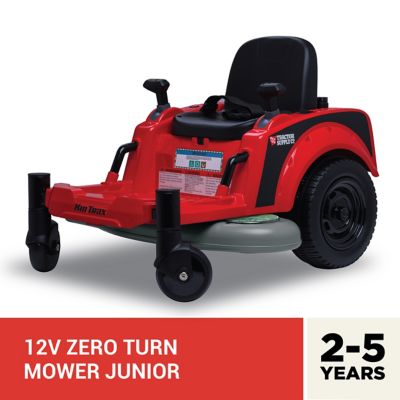
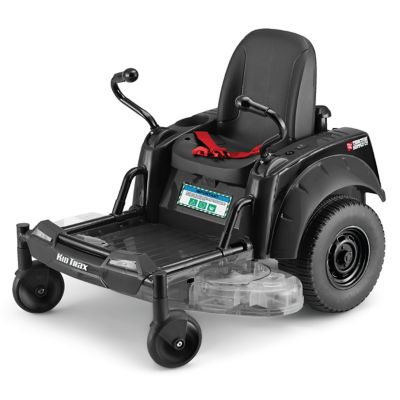
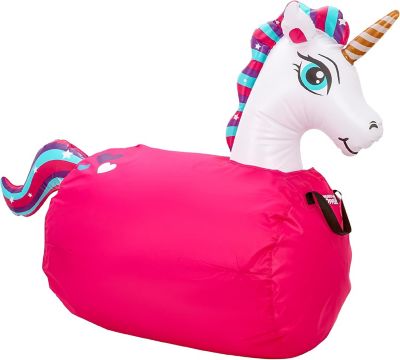
Different styles of outdoor play call for different amounts of setup, storage, and adult involvement. Lawn games and sports toys suit families who like to change the activity without rearranging the whole yard. An open stretch of level ground can become a place for tossing, aiming, balancing, or taking turns, with boundaries set well away from windows, fences, and passing vehicles. Child-size equipment helps younger players join in without struggling with grips or dimensions meant for adults, while adjustable features may accommodate a broader range of players within the stated limits. Ride-on toys need enough room to steer and stop, along with a riding surface the manufacturer permits. A sloped drive, uneven path, or nearby road changes the suitability of a riding area, even when the toy itself fits the child. Appropriate protective gear and adult supervision belong in that plan. For families considering
Backyard Inflatables, the practical details extend beyond the inflated dimensions. Permitted surfaces, anchoring, capacity limits, power needs where applicable, and a clear surrounding area all affect placement and operation. Adult setup and attention to the operating instructions remain part of each play session. Storage deserves a little room in the decision, too. Portable toys are easier to keep together when their pieces fit in a bin or bag, and larger equipment may need a designated space when it is taken down. Cleaning off dirt and allowing washable parts to dry fully before putting them away helps prevent the unpleasant surprise of opening a damp storage bag. Keeping balls, scoops, game pieces, and riding gear in a reachable spot also makes cleanup less of a production. Whether the yard is a small patch behind the house or a broad stretch beside the barn, backyard play works best when the equipment matches the children, the space, and the household routine. A place to dig, a way to move, and a game worth gathering around can give kids plenty of reasons to head outside and stay busy.