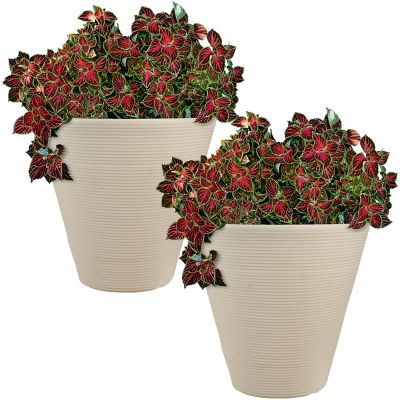
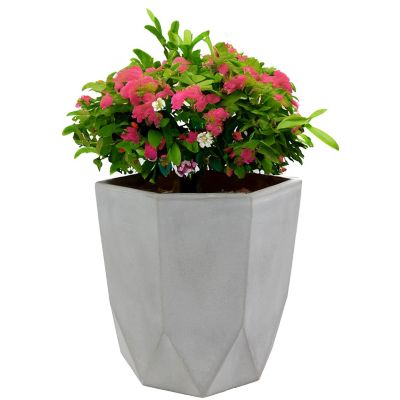
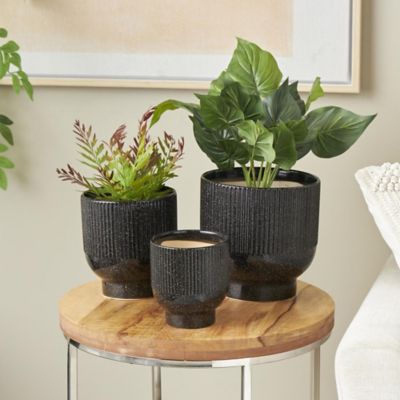
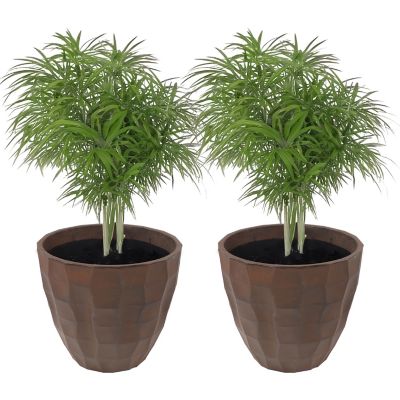
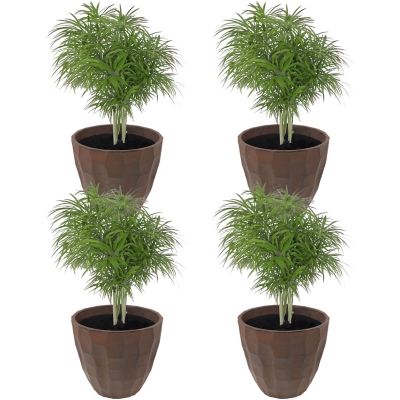
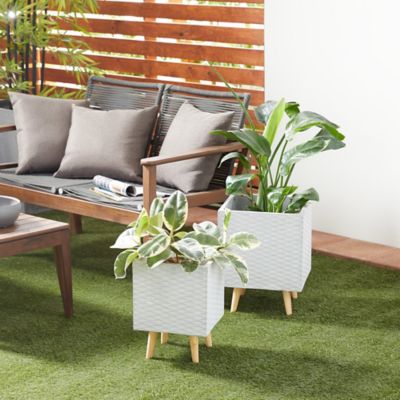
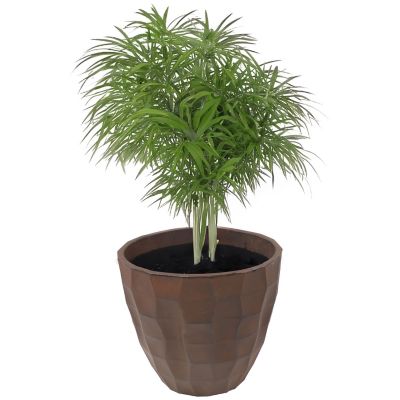
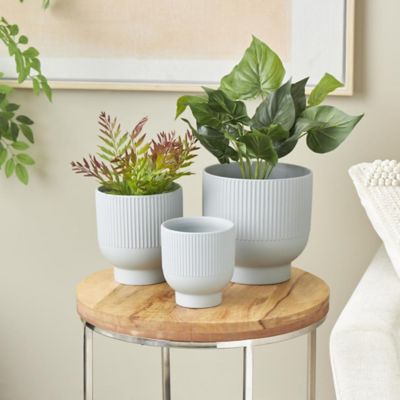
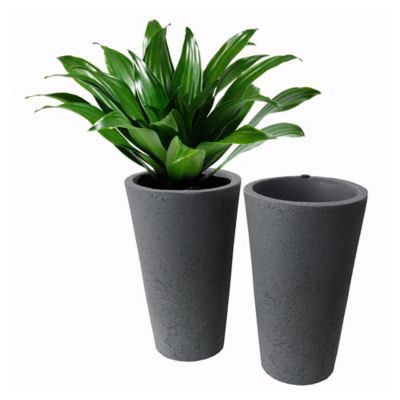
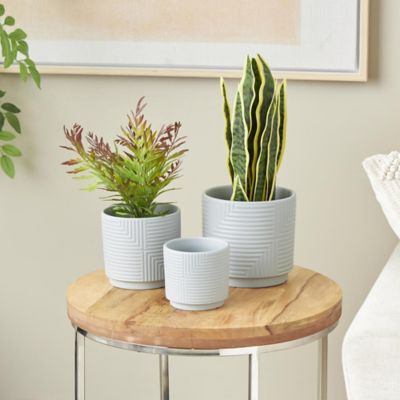
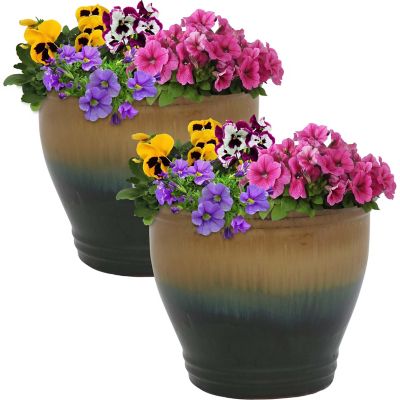
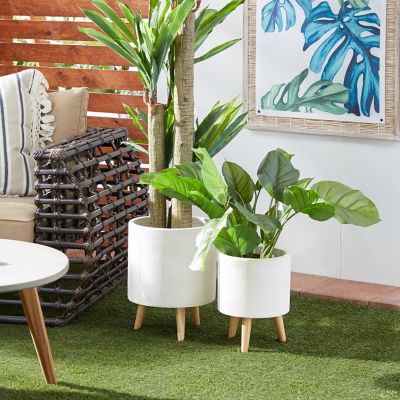
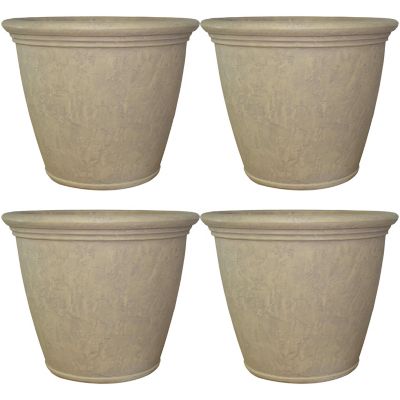
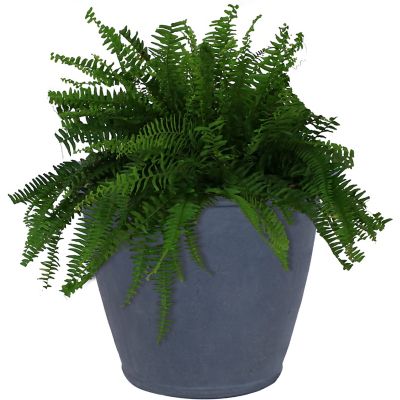
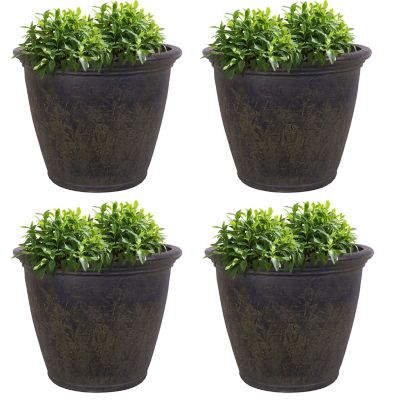
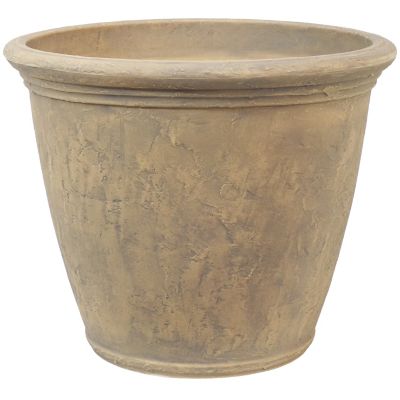
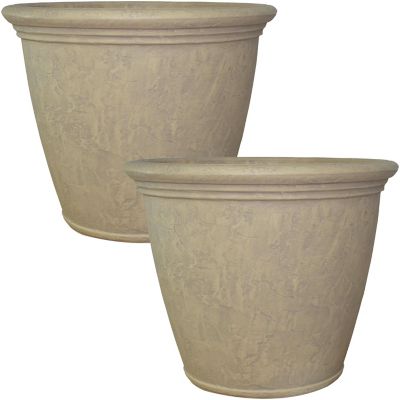
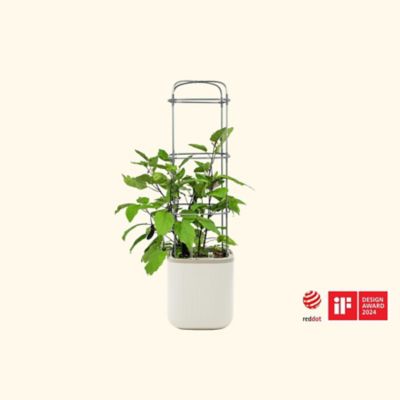
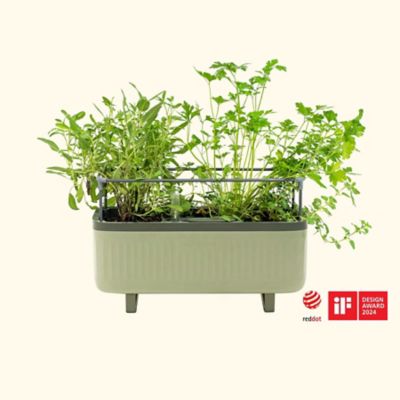
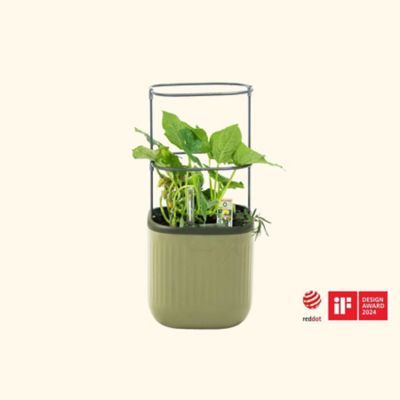
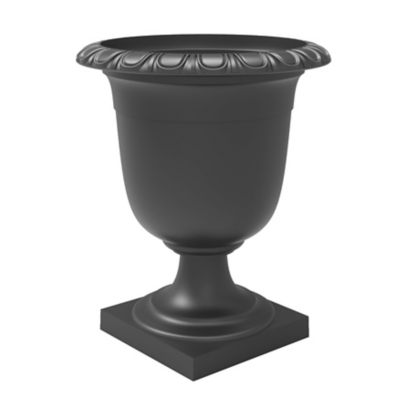
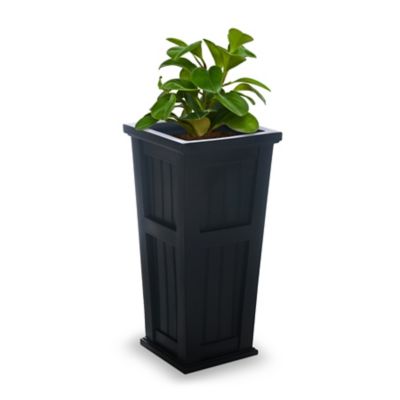
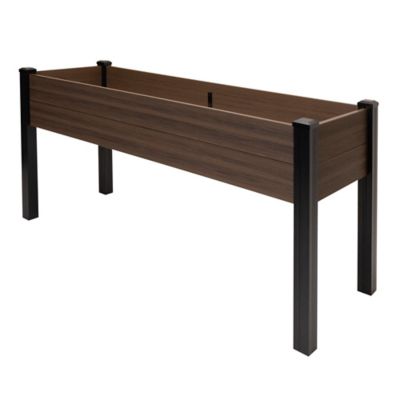
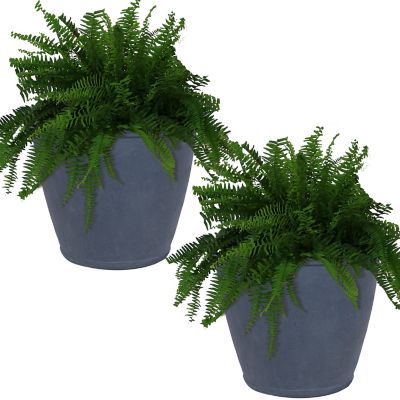
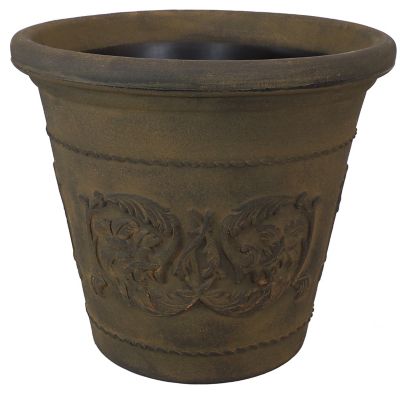
Modern outdoor flower pots pair clean lines and simple shapes with materials suited to outdoor planting, such as resin, fiberglass, powder-coated metal, concrete and wood. Their uncluttered look gives flowers room to stand out without making a porch, patio or front walk feel busy. Straight-sided containers, rounded bowls, tapered pots and square planters each bring a different balance to a space. A tall, narrow shape can frame an entry, while a low, wide bowl keeps the view open across a sitting area. Simple doesn’t have to mean plain, either. A matte finish, a lightly textured surface or a softened edge can add interest without competing with bright blossoms and trailing stems. Charcoal, white, gray and earthy shades work alongside brick, siding, stone paths and wood railings, making this style just as at home beside a farmhouse porch as it is on a tidy backyard patio. A matching pair can give front steps a settled look, while a small grouping in different heights makes a bare corner feel more welcoming. The best fit depends on more than appearance: the pot needs enough room for roots, a way for excess water to escape and a footprint that works where it will sit. On a working porch, that might mean leaving a clear path for muddy boots, feed bags and the door swing. Along a gravel walk, a broad base and a firm, level landing help keep the container steady. Taller pots give upright flowers a strong backdrop, while wide rims leave space for trailing growth to spill over the sides. Keeping the container’s shape straightforward lets the planting carry the color and texture. That balance is a big part of the appeal of modern outdoor flower pots: they bring a finished look to everyday spaces without making them feel too dressed up for life outside.
Material affects a flower pot’s weight, upkeep and placement as much as its appearance. Resin and fiberglass containers generally weigh less than similarly sized concrete pots, making them practical for porches, raised platforms and spots where an empty container may need to be moved. Their finishes can resemble stone or other substantial surfaces without adding the same heft, though construction and wall thickness vary. Concrete brings weight and a solid presence to an entry or patio, but its weight increases considerably once potting mix and water are added. Metal offers crisp edges and slim profiles that suit a modern look; a protective finish helps separate the metal from moisture, while scratches and worn areas deserve attention according to the care directions. Wood adds natural grain and a softer contrast beside hard paving or metal furniture, with maintenance needs that depend on the wood, construction and finish. Across materials, suitability for outdoor placement matters more than appearance alone. Resistance to fading, the strength of the base and the condition of seams or joints all play a part in how a container holds up. Size deserves the same attention. Outside measurements describe the footprint, but the interior opening and planting depth determine how much room roots actually have. Thick walls, narrow necks and built-in reservoirs can reduce that space. A generous opening makes planting and lifting out a root ball less awkward, especially when refreshing a large arrangement. Drainage holes allow excess water to leave the root zone; a pot without them may work as an outer container holding a separate nursery pot, provided collected water can be emptied. A layer of stones is not a substitute for an outlet. Potting mix intended for containers supports drainage and airflow more effectively than dense soil dug from the yard. These details matter whether the planting is a full display by the front door or a single flowering plant beside a favorite porch chair.
Everyday use brings a few more details into focus, especially around watering, cleanup and access. A container’s filled weight includes the pot, moist planting mix and the plant itself, so a large planter belongs on a surface that can support the whole load. On decks and finished porches, pot feet or a suitable stand can create clearance underneath, helping with drainage and making the area easier to clean. Any saucer needs attention so water does not sit unnoticed beneath the roots or spill across a walking path. Self-watering designs can offer a water reserve, but their capacity, overflow arrangement and suitability for the planting still matter; they do not make every flower’s water needs the same. Smooth interiors and accessible openings make it easier to remove old roots and rinse away soil between plantings. Gentle cleaning and care that matches the material help preserve the finish, while lifting a container by its body rather than a thin rim reduces strain on vulnerable edges. Where floor space is tight,
modern outdoor wall planters bring flowers up onto an appropriate wall or fence surface, leaving more room below for chairs, walkways and everyday chores. Their mounting hardware and supporting surface need to suit the fully watered weight, and their position should allow comfortable access for tending plants. Floor-standing and wall-mounted containers can share a color or finish without matching in every detail, giving the space a connected feel. For someone who enjoys tending flowers, a thoughtfully sized outdoor pot also makes a useful housewarming or birthday gift, especially when its weight and care needs fit the recipient’s space. From a compact back step to a roomy patio overlooking the pasture, a well-proportioned planter gives flowers a place of their own while keeping the surrounding space comfortable, open and easy to live with.