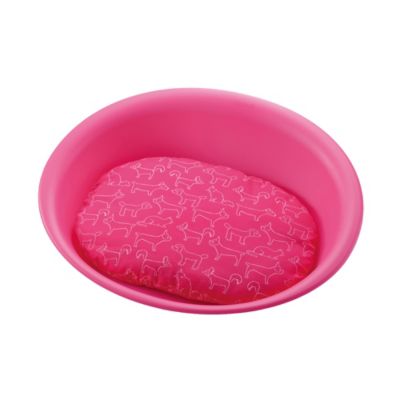
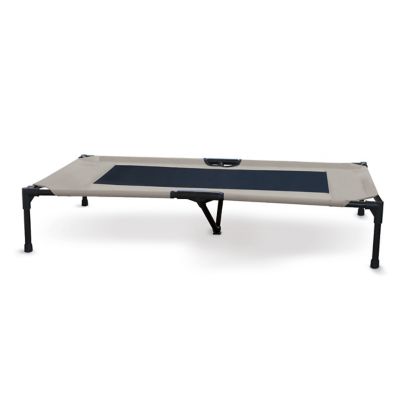
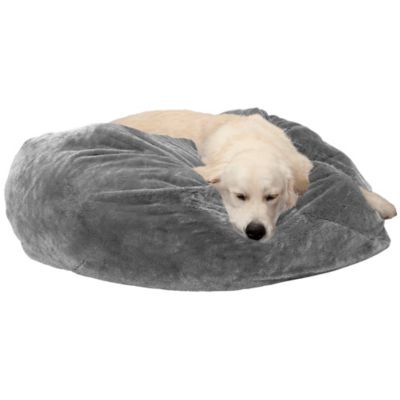
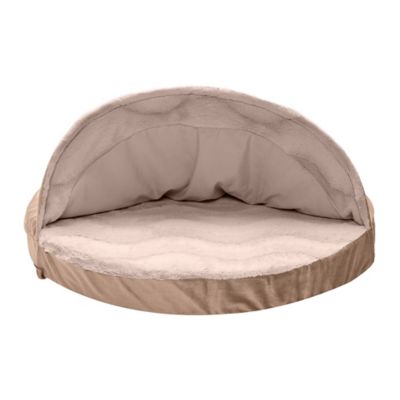
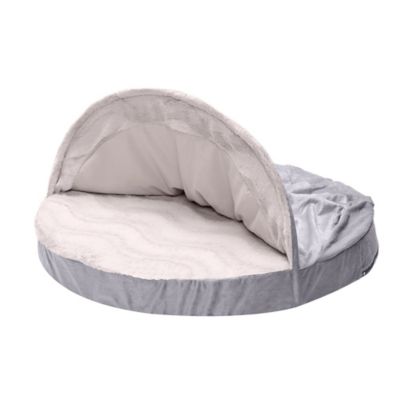
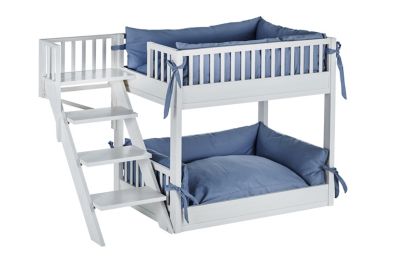
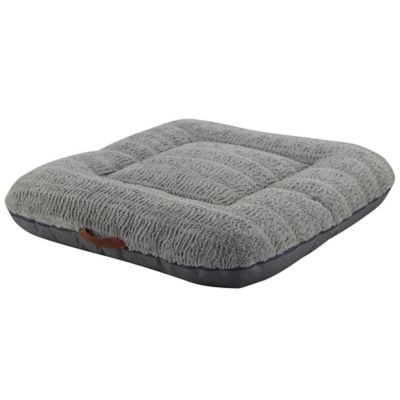
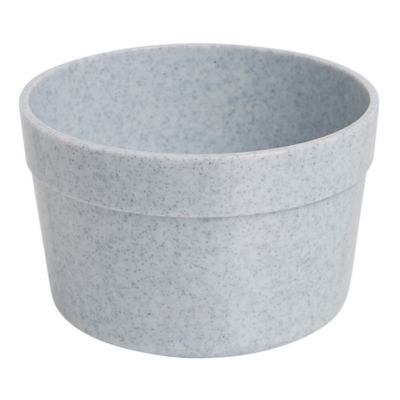
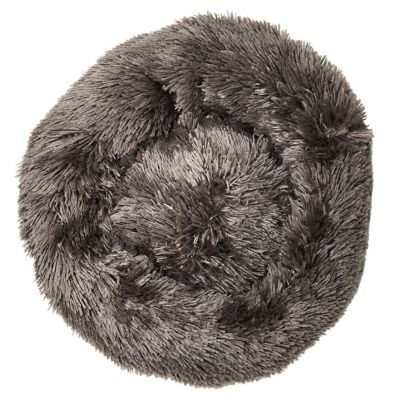
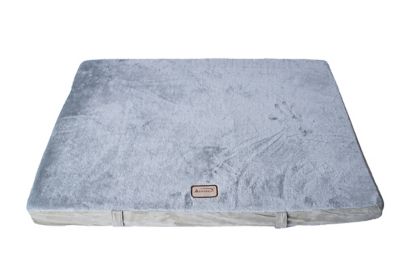
A plastic dog bed gives a dog a defined resting spot with a firm base that is straightforward to wipe clean. Common styles include molded plastic baskets with raised sides and a lower front entrance, as well as raised beds that pair a PVC frame with a fabric sleeping surface. A molded basket holds a cushion or blanket inside its shell, while a raised bed supports the dog above the floor. Those differences matter when choosing a place for a pet to settle after following along with chores or keeping an eye on the kitchen. Raised sides can help contain bedding and give a dog that curls up something to lean against. An open sleeping surface leaves more room for a sprawler to stretch without pressing against a rim. The right fit depends on the dog’s resting position, not just its breed or weight. Measuring a dog while it lies comfortably on its side gives a better sense of the sleeping space it needs, especially for long-legged dogs that take up more room than expected. Interior measurements tell more about usable space than the outside dimensions of a basket, since curved walls and thick rims can reduce the area inside. Weight limits matter for raised frames, along with the dimensions of the fabric surface. Puppies need room to grow, but a bed still needs an entrance they can manage without scrambling over the edge. For an older dog or one with limited mobility, a low opening and a stable base can make getting in and out less of a struggle. A hard plastic shell supplies structure rather than softness, so an appropriately fitted cushion is an important part of the setup. Enough padding to soften contact with the base, without making the entrance difficult to cross, helps turn a simple shell into a comfortable everyday resting place.
Materials and construction affect how a plastic dog bed handles daily life. Molded shells may be made from polypropylene or other plastics, and some incorporate recycled material; the product description should identify the composition rather than leaving it to guesswork. A smooth, nonabsorbent shell generally does not soak up water the way fabric or filling can, which makes wiping away muddy paw marks and small spills simpler. That does not mean the complete bed is waterproof: cushions, fabric panels, fasteners and other parts may have different care requirements. Rounded edges, a steady base and a shell that does not flex excessively under the dog’s weight are useful features to consider. Non-slip feet can help limit movement on hard flooring, while a raised frame needs secure connections and an intact sleeping surface. Some molded beds have openings in the base for ventilation or drainage. Those openings can help moisture escape, but they also mean liquid may reach the floor beneath the bed. A washable mat underneath can make sense in a mudroom, provided it stays flat and does not cause the bed to rock. Routine care usually involves removing the bedding, clearing loose hair and wiping the shell with mild soap and water when the manufacturer permits it. Soap residue should be rinsed away, and every part should dry before the cushion goes back in. Removable covers and washable pads make it easier to clean the parts that touch the dog most often. A plastic shell can simplify cleanup, but it does not prevent fleas or eliminate odors on its own; bedding and the surrounding floor still need attention. Scratches, damaged rims and loose frame parts deserve a look during cleaning. Plastic is not chew-proof, and a dog that gnaws edges or pulls at fabric needs supervision and a sleeping setup suited to that behavior. Removing a bed with broken pieces or sharp damage helps keep a manageable cleanup problem from becoming a safety concern.
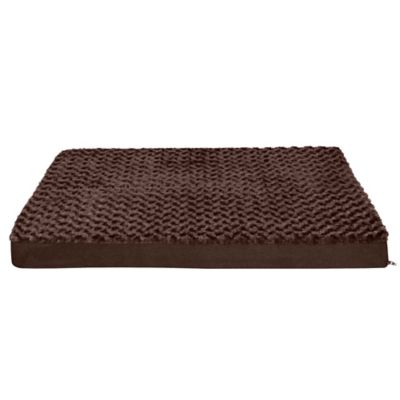
Where the bed sits is just as important as its shape. A quiet corner of the family room, a clear space in the mudroom or a spot beside the home office can give a dog somewhere to rest without being underfoot. Near an entryway, leave enough clearance for doors, boots and people carrying feed bags or laundry baskets. The bed should sit level, away from cords and out of the path of swinging cabinet doors. A molded basket can keep a loose blanket from spreading across the floor, while a raised PVC-frame bed may suit a designated pet area where separation from the ground is helpful. For a kennel, covered porch or other outdoor setting, the bed’s stated intended use matters; not every plastic frame, fabric panel or cushion is made for those spaces. A bed placed inside a crate also needs enough clearance for the door to close and for the dog to enter, turn around and lie down naturally. Bedding choice adds another layer of comfort. A flat pad leaves more open space, while a cushion with bolstered edges can appeal to a dog that likes to tuck into a corner. Supportive foam may suit dogs that benefit from firmer cushioning, though comfort needs vary and ongoing soreness deserves a conversation with a veterinarian. Washable covers are handy for pets that track in dirt, shed heavily or occasionally have an accident. A close-fitting pad is less likely to bunch beneath a dog getting to its feet, and bedding should not cover the entrance or spill over the rim. Color can help the resting spot fit into an everyday room, too; a
brown dog bed can sit comfortably alongside wood furniture, earth-toned flooring and a familiar chair. For someone welcoming a puppy or setting up a second resting area for a longtime companion, a bed can also be a thoughtful gift when the dog’s measurements and habits are known. The best match brings together usable sleeping space, suitable support and care that fits the household’s routine.