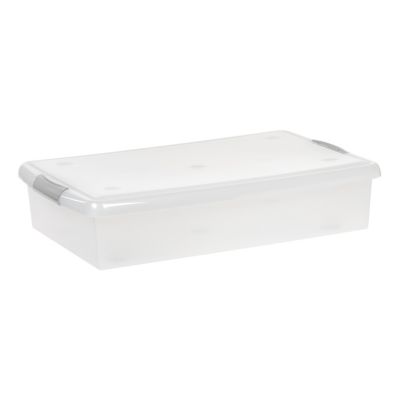
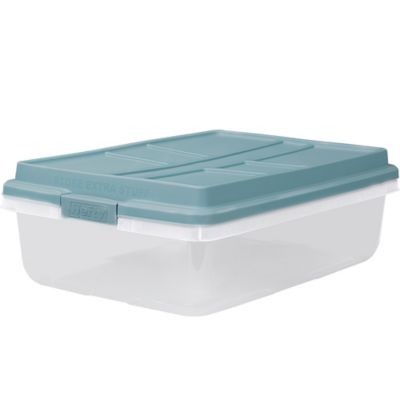
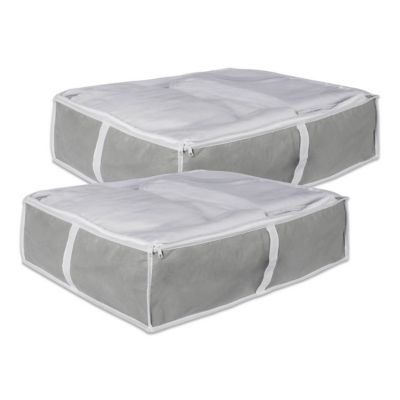
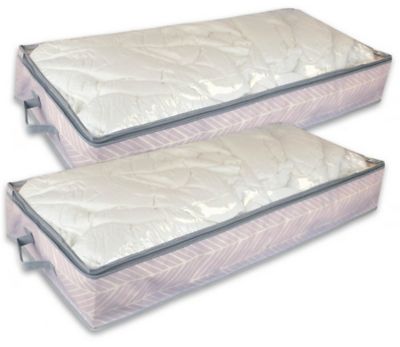
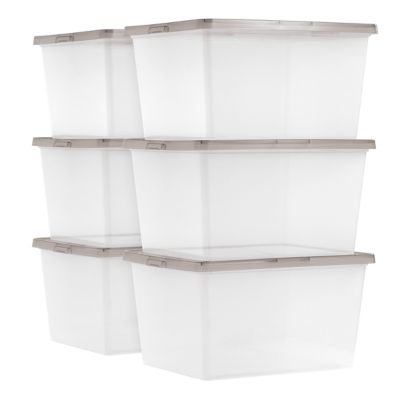
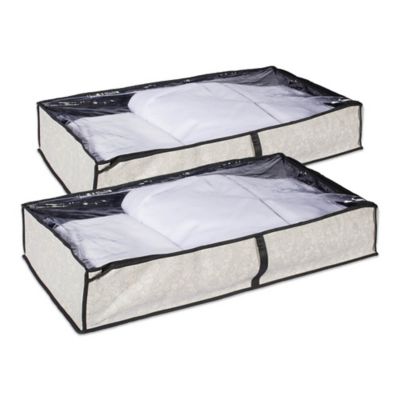
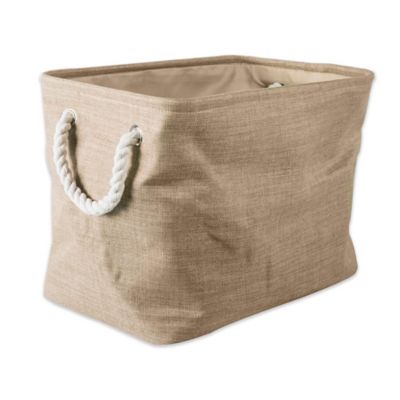
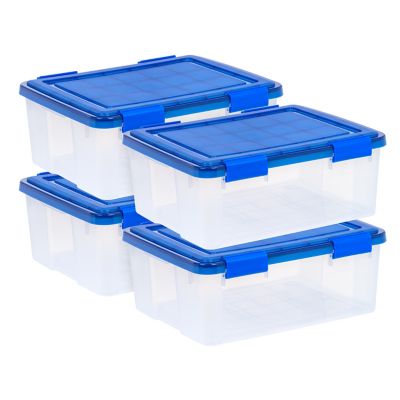
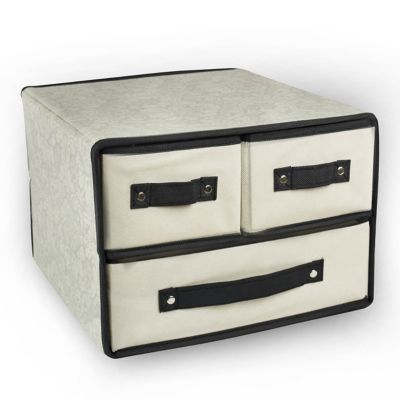
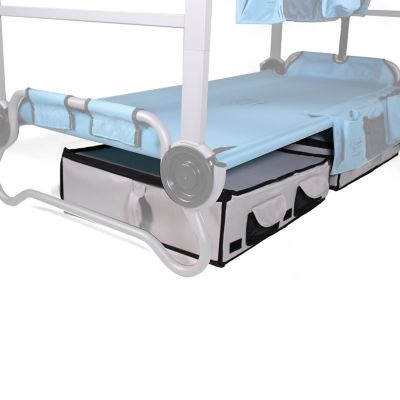
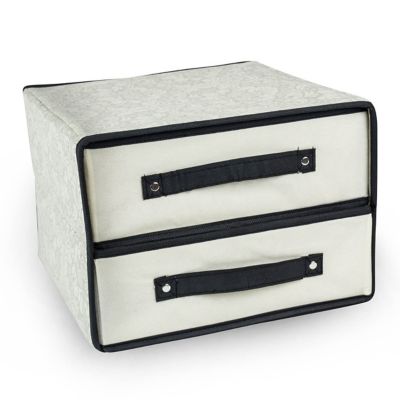
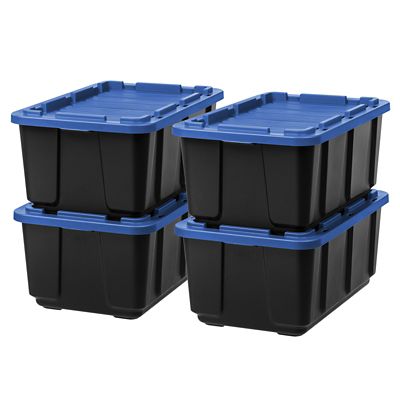
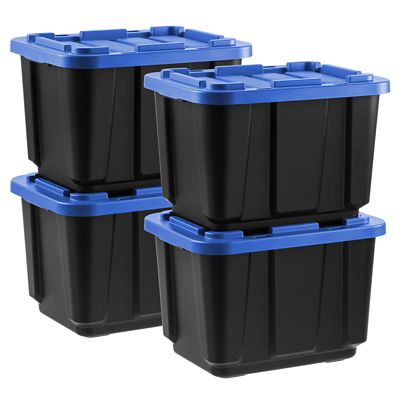
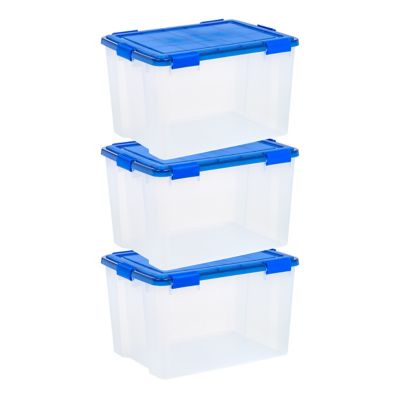
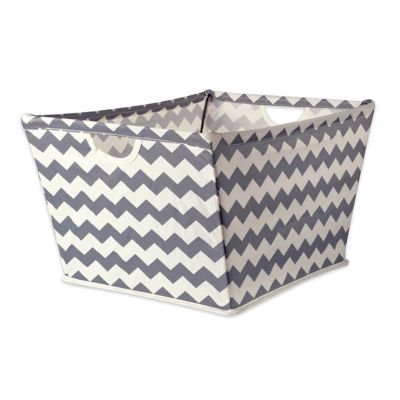
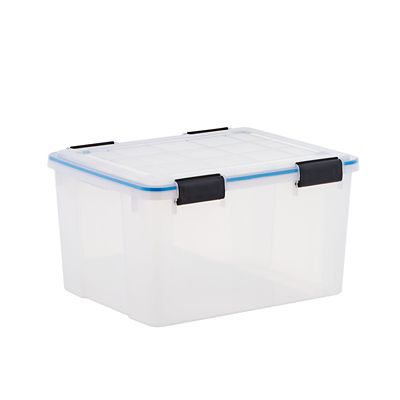
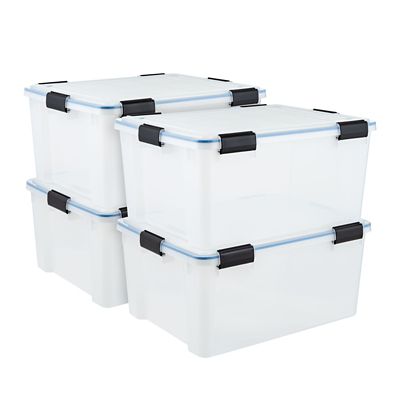
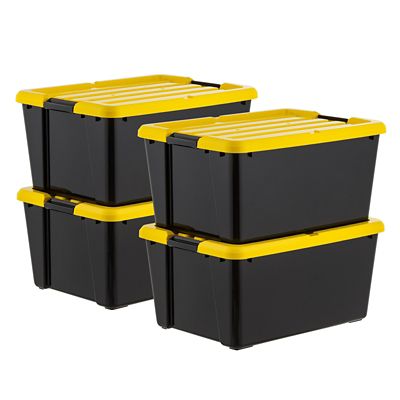
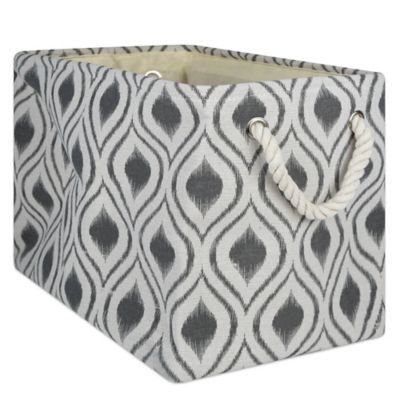
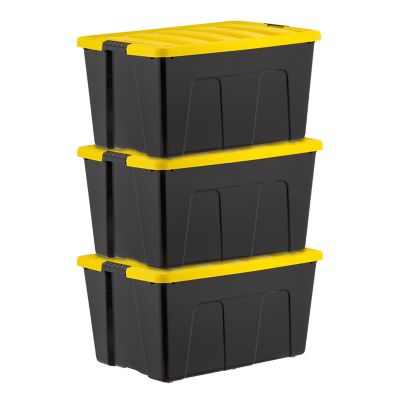
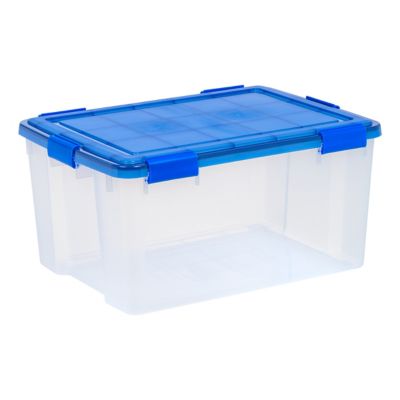
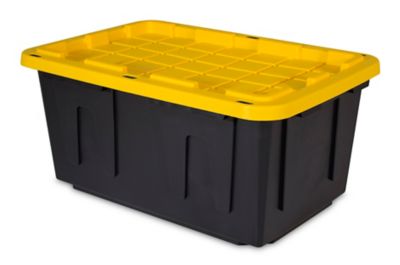
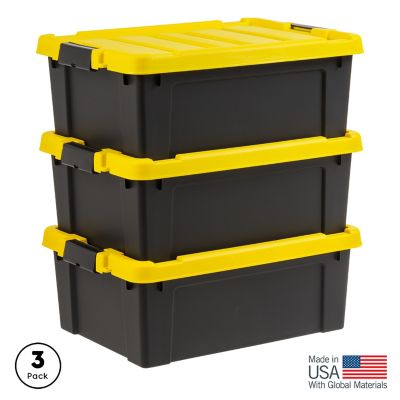
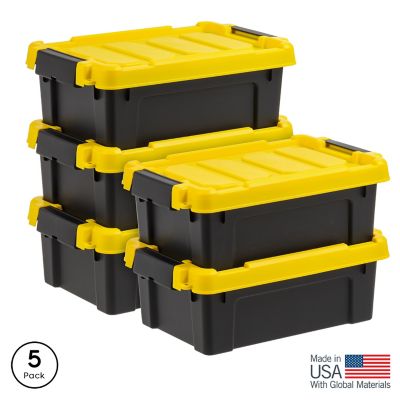
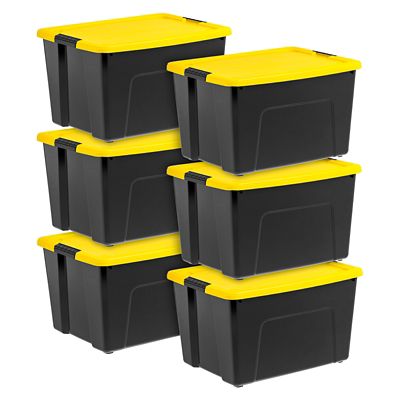
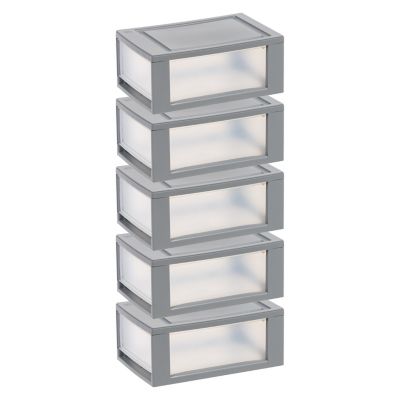
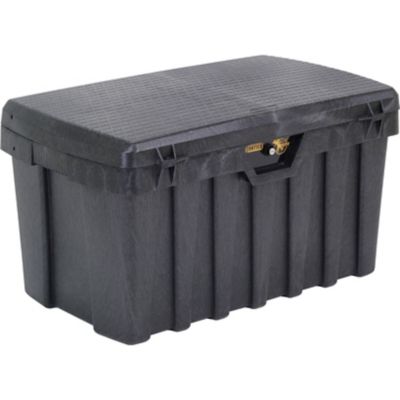
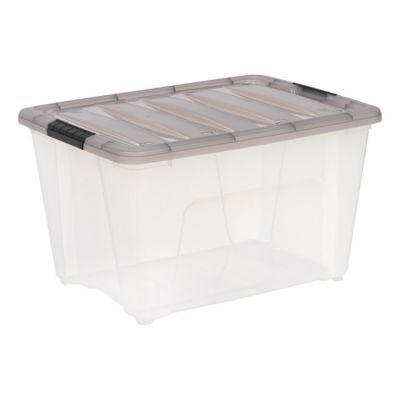
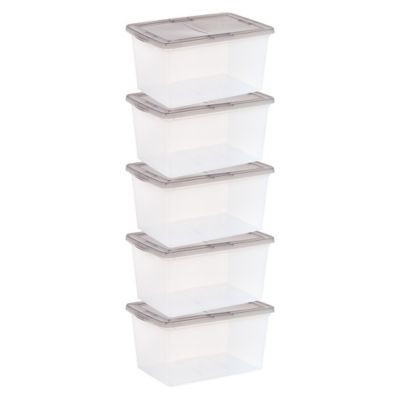
Plastic bins for under bed storage make good use of the space that often goes unnoticed beneath a bed frame. Instead of letting that low, dusty stretch turn into a catchall for stray shoes and forgotten toys, a shallow plastic container gives bedding, clothing, footwear, and household extras a clean place to stay. Hard plastic holds its shape when the bin is pulled across the floor, and a fitted lid helps keep out dust, pet hair, insects, and the bits of grit that naturally collect under furniture. These bins work well in bedrooms, guest rooms, dorms, campers, and smaller homes where every bit of storage matters. They are especially handy when closets are already packed with work clothes, jackets, blankets, or hunting and outdoor gear. During the warmer part of the year, an under-bed bin can hold heavy quilts, flannel sheets, cold-weather clothing, or boots until the seasons turn. As cooler weather settles in, the same space can be used for sandals, lightweight linens, extra fans, or summer clothes. A clear base or lid makes it easier to spot what is inside without opening several containers, while opaque plastic gives stored items a little more privacy and keeps a room looking less busy. For households with children, these bins can corral dress-up clothes, stuffed animals, craft supplies, and small toys at the end of the day. In a guest room, they can keep spare towels and blankets close at hand without taking up closet shelves. They also make a practical gift for someone moving into a first home, setting up a nursery, organizing a college room, or trying to make better use of a farmhouse bedroom with limited built-in storage.
Before choosing a bin, measure the open space under the bed from the floor to the lowest part of the frame, then check the width and depth available on each side. Bed frames, box springs, support rails, footboards, and center legs can reduce usable clearance, and a container that fits beneath one side may not travel all the way under the bed. Leave a little extra room above the bin rather than choosing a size that has to be forced into place. A low-profile container is generally easier to slide and less likely to scrape the frame, flooring, or lid. Capacity matters just as much as outside measurements. A smaller bin may be a better fit for folded clothing, shoes, belts, linens, or keepsakes, while a wider, deeper option can hold bulky comforters, pillows, or several sets of seasonal clothing. It helps to think about how heavy the bin will be once full. A large container packed with books, canned goods, tools, or dense household items may become difficult to pull from under the bed, even if the empty bin is easy to move. For clothes and bedding, loosely folded items give fabric some room and help prevent deep wrinkles. Make sure everything is clean and completely dry before storing it, especially quilts, towels, workwear, and outdoor clothing that may have picked up moisture. A tight snap or latching lid is useful when a bin will be handled often, since the lid is less likely to shift as the container is pulled across the floor. Gasket-style seals offer an added barrier against dust and humidity, which can be helpful for keepsakes, spare linens, baby clothes, and items kept for long stretches. No plastic container should be treated as fully waterproof unless its design specifically says so, and it is wise to avoid placing stored belongings directly against a damp floor or wall.
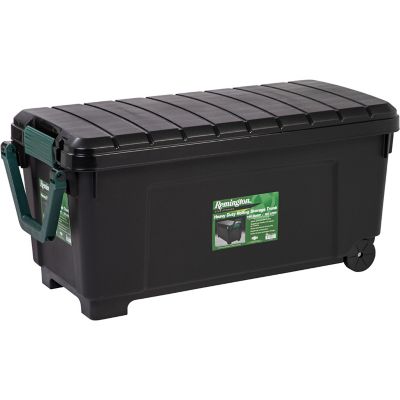
The right movement features depend on the room and flooring. Built-in caster wheels can make a loaded bin easier to pull across carpet, especially when the bed is deep or the container will be opened regularly. Wheel-free styles tend to slide neatly across smooth wood, vinyl, or tile and may sit a little lower, which is useful when clearance is tight. If the floor is easily scratched, look for smooth edges and a base designed for sliding, and lift the container rather than dragging it across delicate flooring when it is heavily loaded. A divided or center-opening lid can be convenient when a bin is only partly pulled out, allowing access to one section without unloading everything in front of the bed. For simpler storage, a single removable lid works well and gives a wide opening for bulky bedding. Labeling each bin on the short end saves time later, particularly when the container is pushed deep beneath the frame. A note such as “guest blankets,” “winter clothes,” or “shoe care” is easier to read than a label placed on top where the bed may block it. Clear containers may reduce the need for labels, but a quick written description still helps when light is low or several bins look alike. Keep heavier items toward the bottom and avoid overfilling, since a bowed lid can make the bin harder to close and may interfere with sliding. For additional organization beyond the bedroom, similar plastic containers can help sort hardware, seasonal decorations, feed-room odds and ends, or frequently used supplies in
Garage Storage Bins. With the right height, sturdy construction, and lid style, under-bed storage bins turn overlooked floor space into a dependable spot for the things your household uses between seasons, saves for special occasions, or needs close by but out of sight.