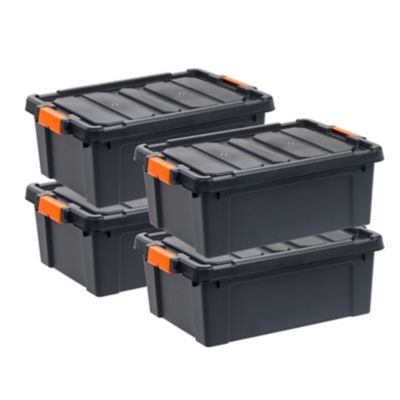
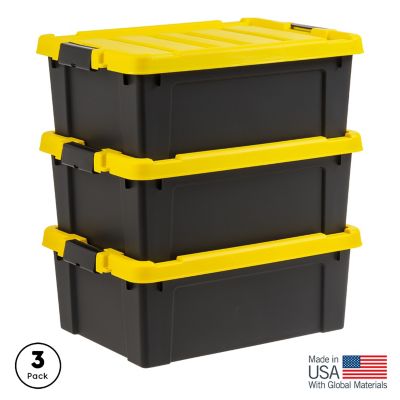
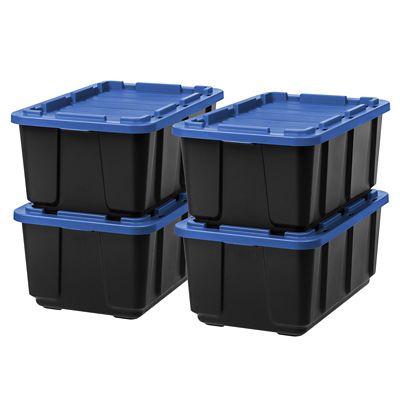
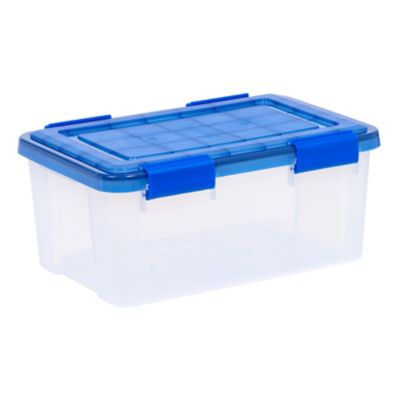
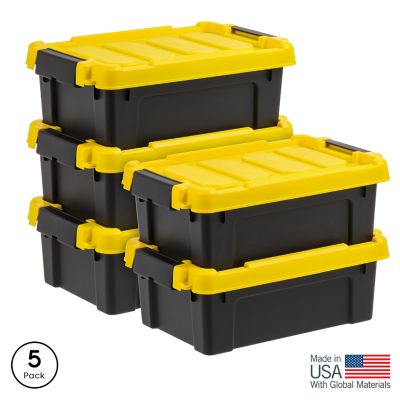
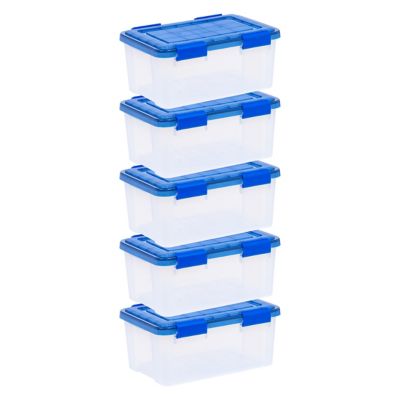
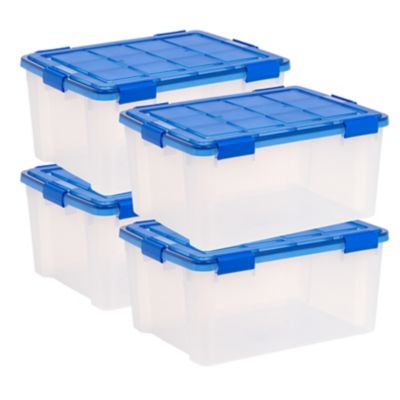
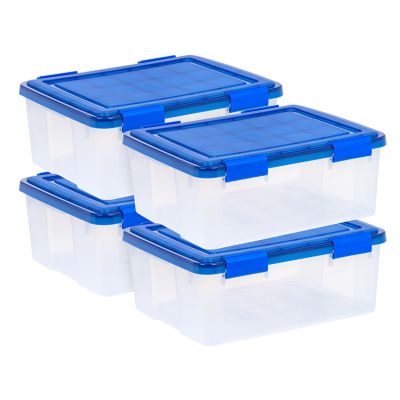
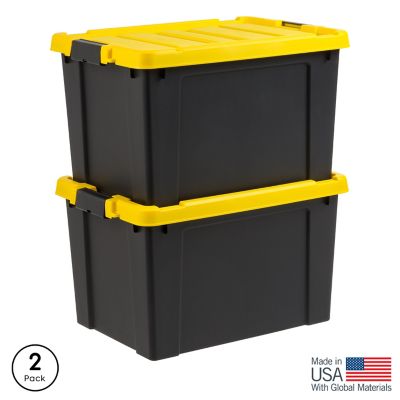
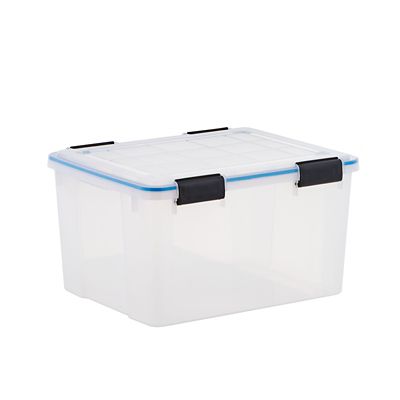
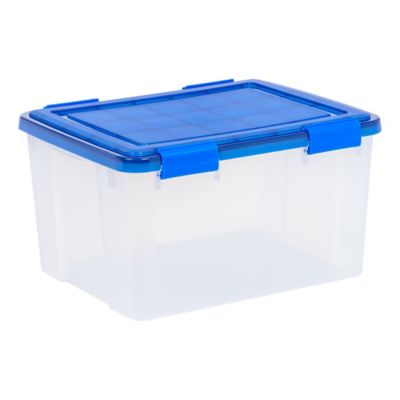
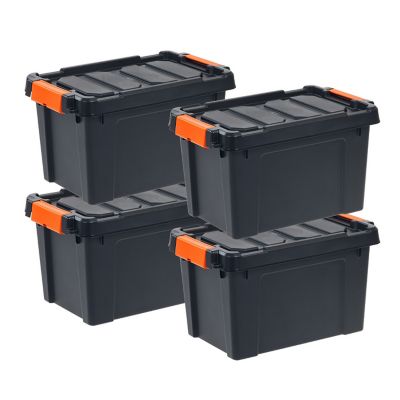
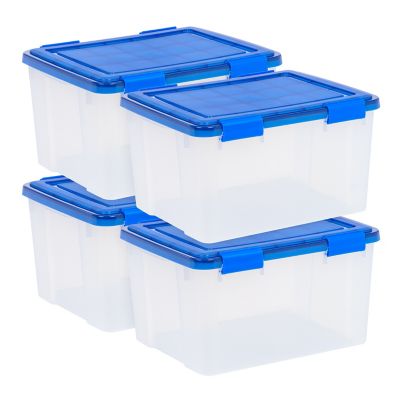
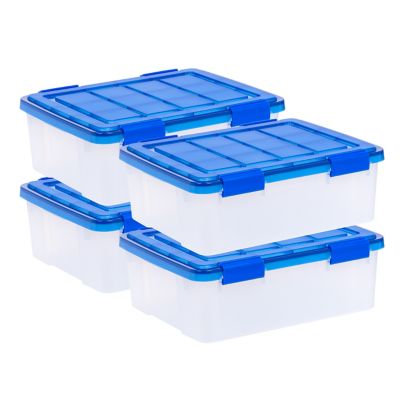
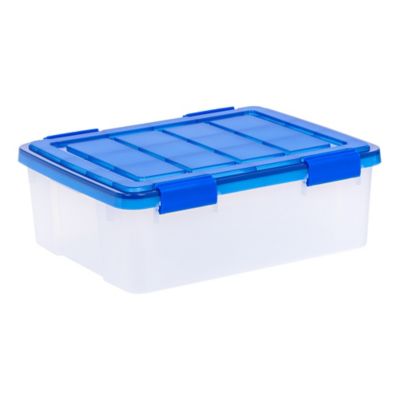
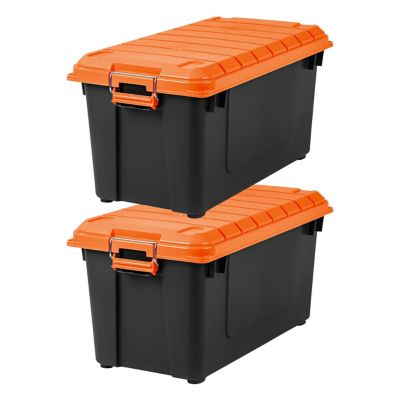
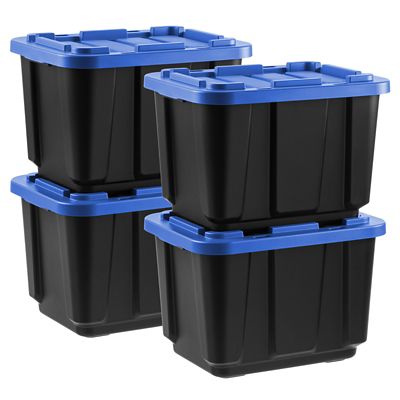
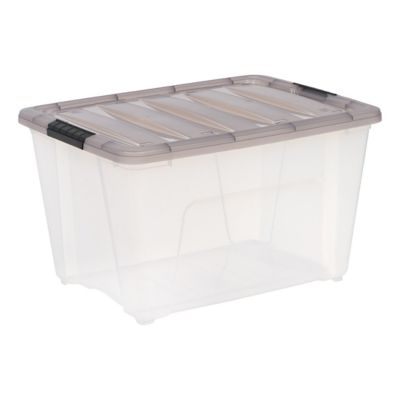
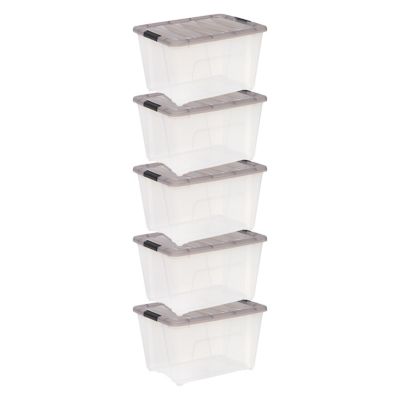
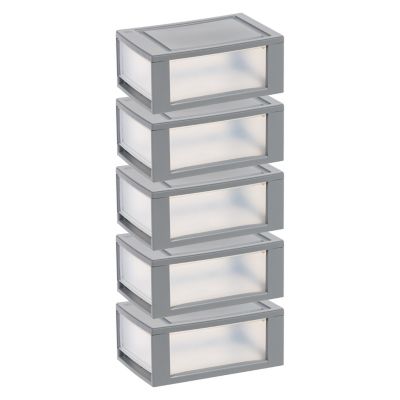
Heavy duty storage bins bring order to spaces where gear has some weight to it and everyday handling can be rough. These containers generally have sturdier walls, reinforced bases, and more substantial lids than lightweight household totes, making them a practical fit for garages, barns, workshops, utility rooms, and equipment storage areas. Impact-resistant plastic construction can help them stand up to bumps and repeated handling, though load limits and intended applications vary by design. A bin filled with extension cords has different demands than one holding steel fittings, so capacity involves more than the gallon number on the label. Volume describes how much space a container holds, while its weight rating describes the load it can support under specified conditions. A large tote may have room for plenty of hardware but become difficult to lift long before it looks full. Smaller containers often make more sense for dense supplies, while larger bins give work gloves, ropes, knee pads, and other lighter gear room to settle without being crammed together. Fit matters just as much as capacity. Exterior measurements determine whether a container slides beneath a workbench or sits fully on a shelf; interior measurements determine whether the contents fit. Tapered walls, rounded corners, wheel housings, and recessed handles can reduce usable space inside. Long tools and coiled hoses may need a broad base, while taller containers suit upright supplies that benefit from extra headroom. Around a working property, separate bins can keep fencing supplies apart from vehicle maintenance gear and keep animal grooming equipment from getting buried beneath shop supplies. For contractors and maintenance crews, clearly grouped containers make it easier to carry the equipment a particular job calls for. The benefit is straightforward: less rummaging through a mixed pile, fewer loose pieces underfoot, and a storage layout that makes sense when there is work to get done.
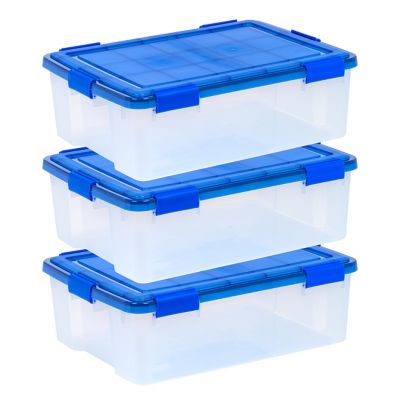
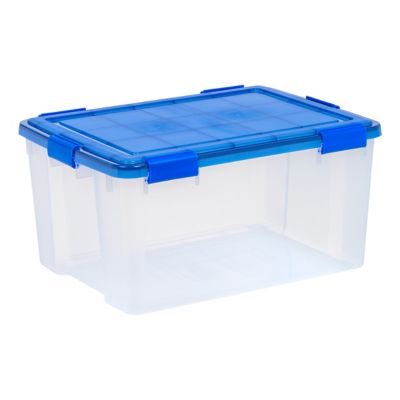
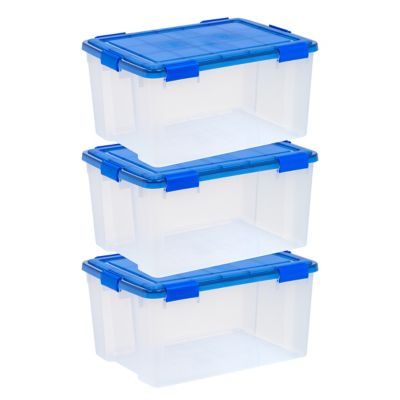
Heavy Duty Plastic Bins made from polypropylene or polyethylene offer different combinations of rigidity, flexibility, and impact resistance, with overall performance depending on the formulation and construction. Material names alone do not tell the whole story. Wall thickness, molded ribs, reinforced corners, and the shape of the base all contribute to how a container handles its load. Ribbed sidewalls can help resist flexing, while a reinforced rim supports the area where the lid meets the body. Lids deserve attention because they do more than cover the opening. Some snap around the rim, while others have separate latches that hold the cover in place during handling. A secure closure helps prevent an accidental spill, but a tight-feeling lid is not automatically dustproof or watertight. Gasketed designs may provide additional protection against dust and moisture when closed correctly and rated for that purpose. Those distinctions matter for power tool accessories, clean workwear, paperwork, and supplies that should stay free of shop grit. Clear walls make contents easier to spot without opening every container, while opaque bins keep stored gear out of sight and give large labels a clear backdrop. Stacking features also vary. Recessed lids and shaped bases can help compatible containers sit together, but safe stacking still depends on the stated load limit, a level supporting surface, and the condition of each bin. A lid that closes securely is not necessarily built to carry a heavy stack. Matching footprints can make better use of shelf space, while nesting designs take up less room when empty. Locking holes, where provided, may accept a padlock or tie, but they do not make a plastic container a substitute for secure storage for firearms, hazardous materials, or valuables. The strongest setup matches the container’s stated capabilities to its contents rather than treating “heavy duty” as a promise that every bin can handle every task.
Daily handling often determines which heavy duty storage bins earn their place in a shop or barn. Broad handholds with enough clearance for work gloves can make a loaded container easier to grip, especially when it has to come off a shelf or pass through a narrow doorway. Handles that feel comfortable on an empty bin may feel different with a full load, so the weight of the contents belongs in the decision from the start. Wheeled designs can reduce carrying across suitable surfaces, although wheel size, axle construction, thresholds, and floor conditions affect how easily they roll. Small wheels that travel smoothly over concrete may struggle on loose gravel or deep floor joints. Even with wheels, a container should not be loaded beyond its rating or beyond what its handler can safely control. Inside the bin, smaller trays or containers can keep washers, clips, and fasteners from working their way beneath larger tools. Labels on the lid and an outward-facing side help identify contents whether containers sit on shelves or in a stack. A little separation also keeps clean grooming brushes away from greasy shop gear and stops sharp edges from rubbing directly against plastic walls. Storage bins intended for general equipment should not be assumed suitable for direct contact with animal feed or food; those applications call for containers specifically designated for that use. Care is usually straightforward, with cleaning methods matched to the manufacturer’s directions and the material stored inside. Removing grit from lid channels and latch areas helps closures seat properly, and allowing a washed container to dry before closing it helps keep trapped moisture away from the contents. Cracked corners, distorted lids, loose handles, or damaged wheels are signs that a bin may no longer suit its original load. With sensible sizing, compatible closures, and a layout built around the work at hand, heavy duty bins can turn scattered supplies into manageable groups that are easier to find, move, and put away.