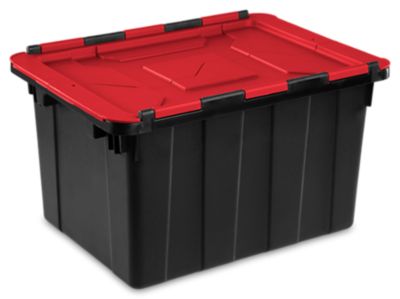
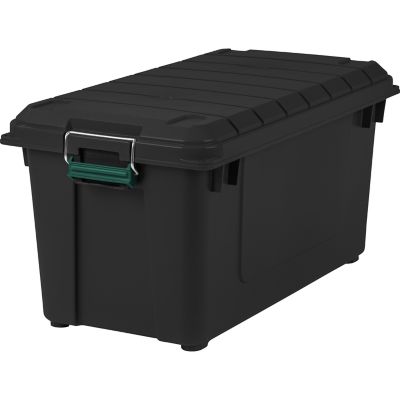
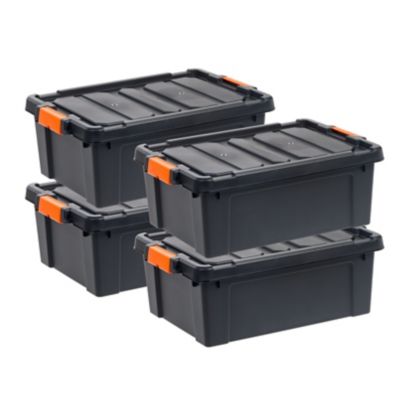
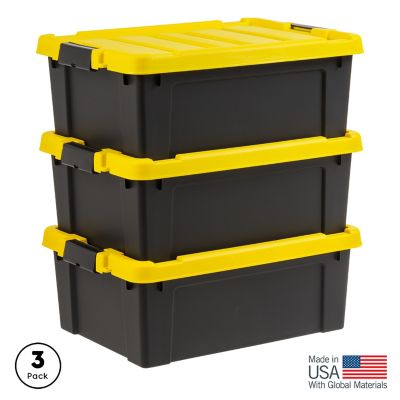
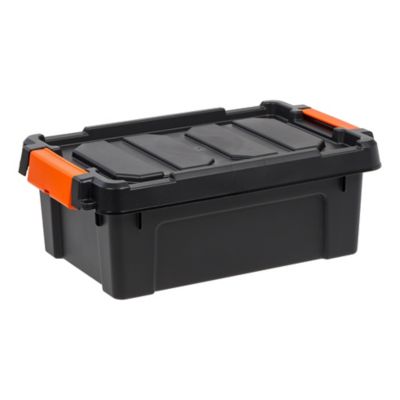
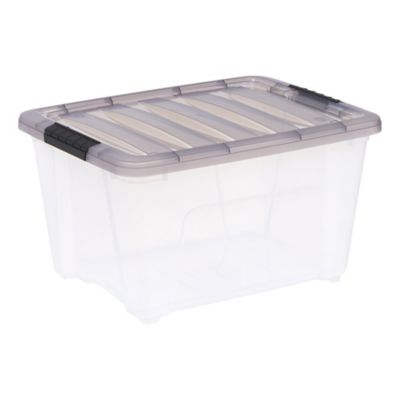
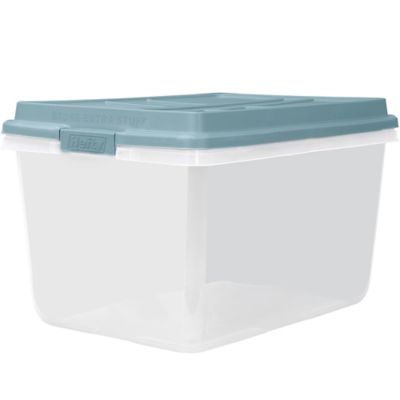
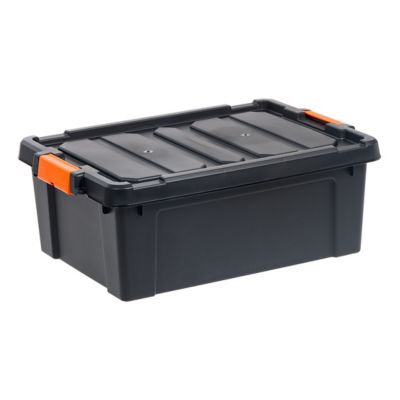
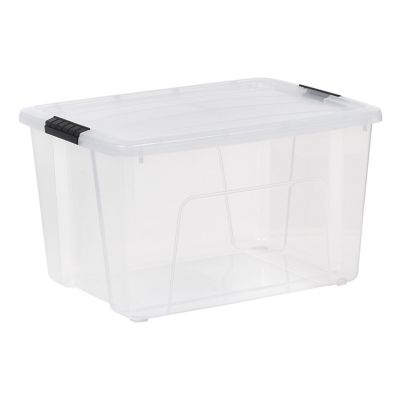
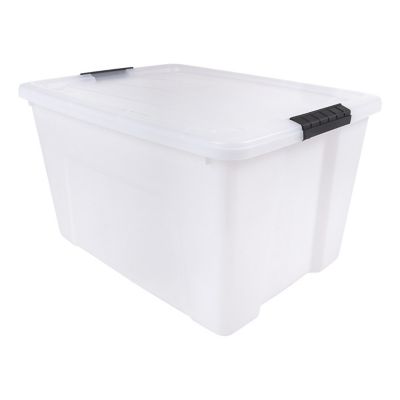
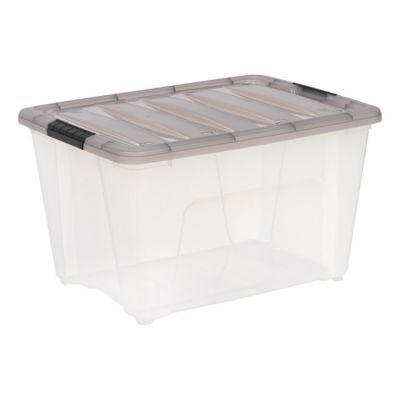
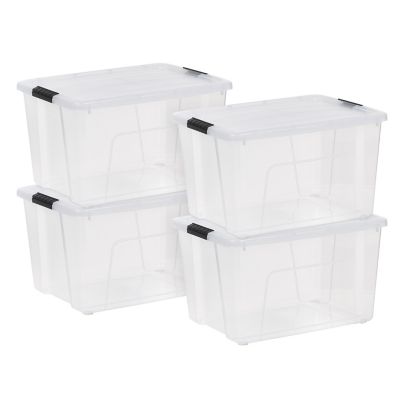
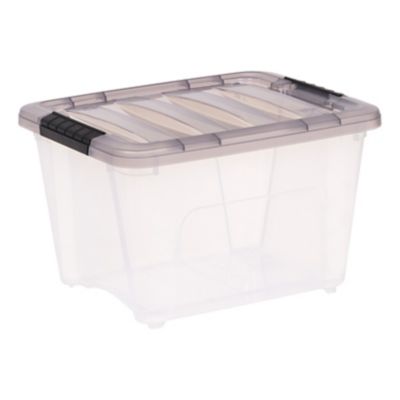
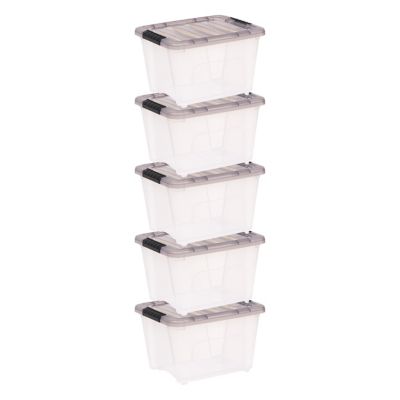
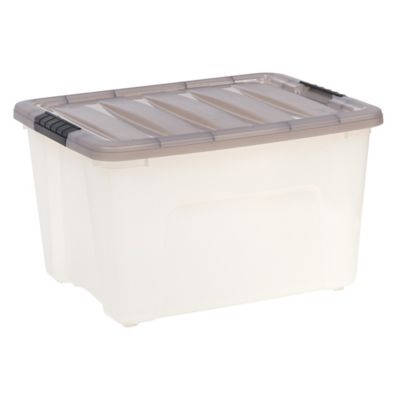
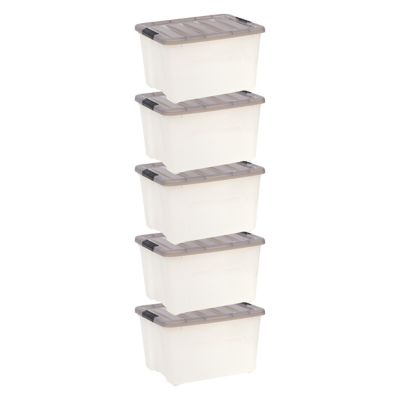
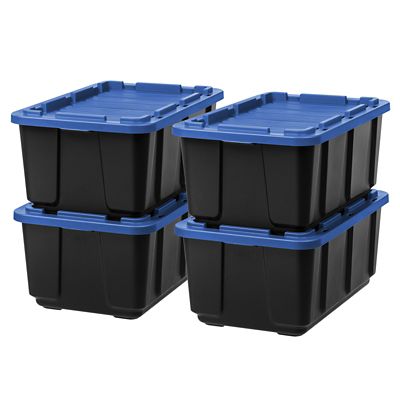
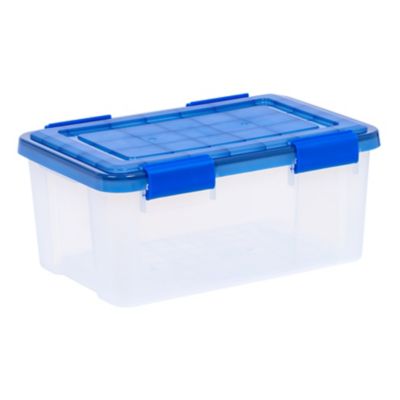
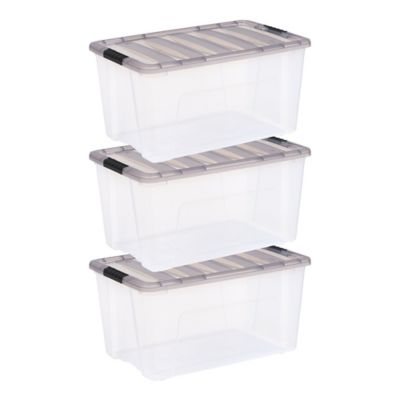
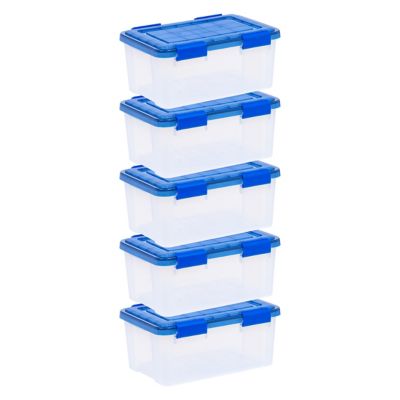
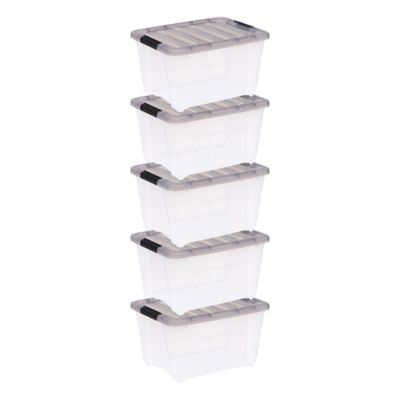
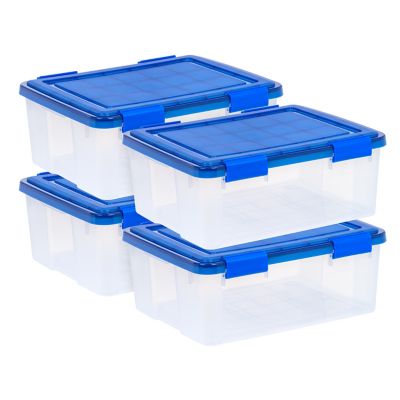
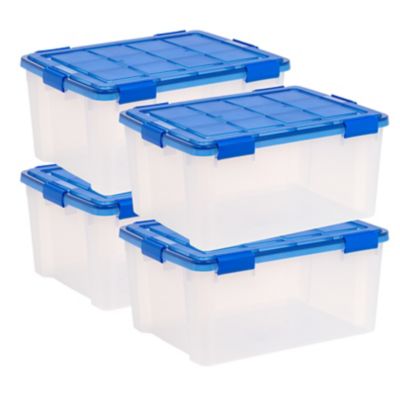
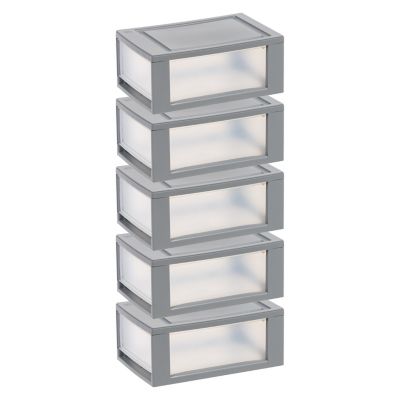
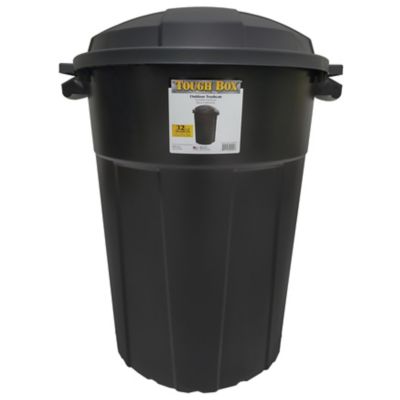
Heavy duty plastic bins give you a solid way to get loose gear off the floor, out of the weather and under control. They are useful in a busy garage, barn, workshop, mudroom, shed, trailer or utility room, especially when everyday cardboard boxes start to sag, tear or collect dust. Compared with lighter storage tubs, heavy duty plastic bins are made for repeated handling and tougher conditions. Many are formed from impact-resistant high-density polyethylene (HDPE) or polypropylene (PP), materials known for holding up well against bumps, scuffs and ordinary temperature changes. That makes them a practical choice for storing hand tools, extension cords, tie-down straps, work gloves, seasonal decorations, camping supplies, livestock equipment, children’s outdoor toys and household overflow. A sturdy bin can also help keep feed-room odds and ends, garden supplies and vehicle-recovery gear in one place instead of scattered across a workbench or piled in the corner. During the cooler months, sealed containers are handy for blankets, winter clothing and holiday decorations, while bins kept in a shed or outbuilding can protect summer equipment until warmer weather returns. Before choosing a size, think about what you will actually lift when the bin is full. A large container may hold more, but a smaller bin can be easier to carry through a doorway, load into a truck or pull down from a shelf. Measuring the storage area first is worth the few minutes it takes; pay attention to both the outside dimensions and the lid clearance, since a tight shelf or low ceiling can make a good bin awkward to use. Clear labels, large writing surfaces or a transparent lid can save time when several containers are stacked together, while dark or opaque plastic is useful when you want to keep light away from stored contents.
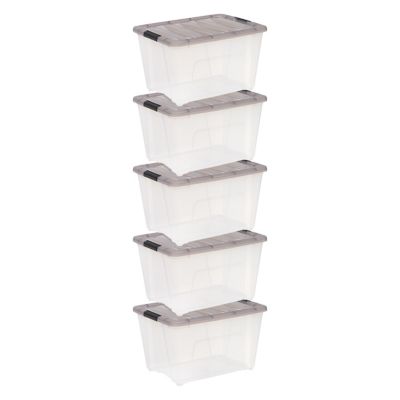
The lid is one of the biggest differences between heavy duty plastic bins, so match it to where and how you plan to use the container. A basic snap-fit lid works well for garage organization, closet storage and everyday items that mainly need protection from dust and accidental spills. For a damp barn, unheated shed, workshop or trailer, look for a lid with strong latches and a gasket or sealing ring. These features can help limit the entry of moisture, dirt and insects, though no storage bin should be treated as completely floodproof unless the manufacturer specifically says so. A weather-resistant bin is a better fit for covered outdoor storage than a standard tote, and it should still be placed on a raised surface away from standing water. Check how the lid attaches before buying. Wide latches are generally easier to operate with work-worn hands, and multiple latch points can hold the lid down more evenly. Molded handles make a full bin easier to move, while reinforced corners and a ribbed body can add strength without making the container needlessly bulky. If bins will be stacked, choose matching shapes with flat, stable tops and nesting or interlocking features that keep the pile from shifting. Do not assume that a stackable bin can carry any amount of weight; follow the stated load limits, place heavier containers on the bottom and avoid stacking higher than you can safely reach. Ventilation may matter for some contents. Clean, dry tools and equipment generally benefit from a closed container, but damp boots, wet blankets or freshly used garden gear should be dried before storage to help prevent mildew and odors. For valuable tools, hunting supplies, documents or equipment kept in a shared space, molded lock holes can provide a simple place for a padlock, cable or zip tie. That will not replace a locked room or shed, but it can discourage casual opening and help keep the lid secured during transport. Smooth interiors are easier to sweep out, and rounded corners leave fewer spots for dirt to collect. If the bin will ride in a truck bed or trailer, look for tie-down channels, sturdy handholds and a lid that stays firmly attached over bumps and turns.
Heavy duty plastic bins are useful for more than long-term storage. Farmers and ranchers can use them to gather fence-repair supplies, livestock-handling tools, spare parts and protective gear before heading out to a pasture or back field. Homeowners can create a grab-and-go bin for storm cleanup, another for painting supplies and a separate container for furnace filters, batteries and basic repair items. A workshop bin can hold fasteners, sanding supplies and small power-tool accessories, while a truck or tractor bin can keep ratchet straps, tow ropes, gloves and flashlights together where they are easy to find. They also make sensible gifts for someone setting up a new home, outfitting a garage, building a homestead or getting ready for a camping season. A useful storage container may not be flashy, but it tends to earn its keep every time a person needs a dry pair of gloves, a certain wrench or the right decoration without digging through five loose boxes. For event seating, cleanup crews and temporary work areas, storage bins can be paired with practical supplies such as
Heavy Duty Plastic Folding Chairs, keeping equipment organized before and after a gathering. When loading any bin, place dense items low, leave enough room to close the lid without forcing it and avoid using plastic containers for chemicals unless the container is specifically rated for that substance. Keep sharp edges covered, do not overload handles and inspect the body and lid from time to time for cracks, warped areas or worn latches. A little routine care goes a long way: wipe out dirt before storing contents, let wet gear dry, keep lids free of packed debris and store empty bins with the lids slightly open when airflow is helpful. With the right capacity, material, lid style and storage location, heavy duty plastic bins can turn a crowded garage, dusty shed or busy work truck into a cleaner, more dependable setup.