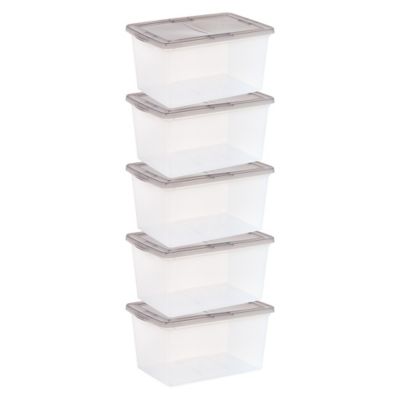
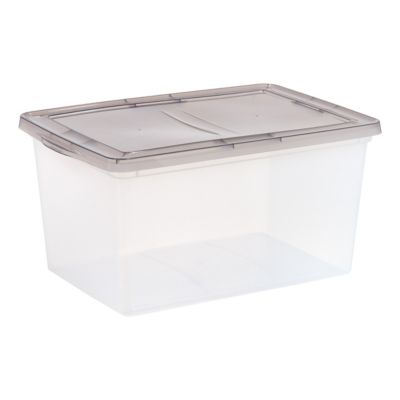
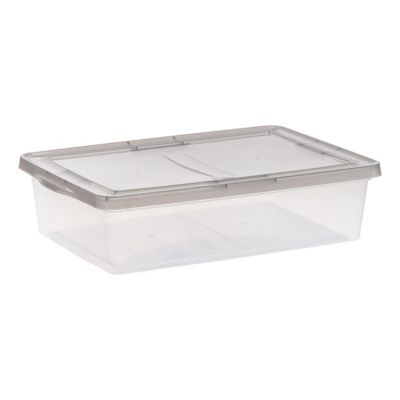
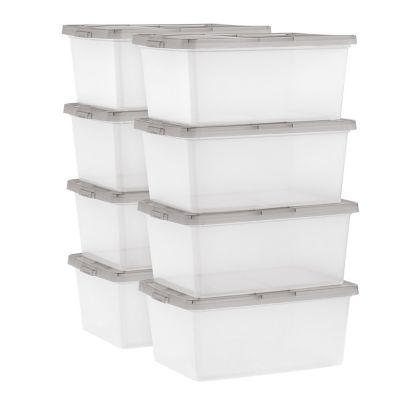
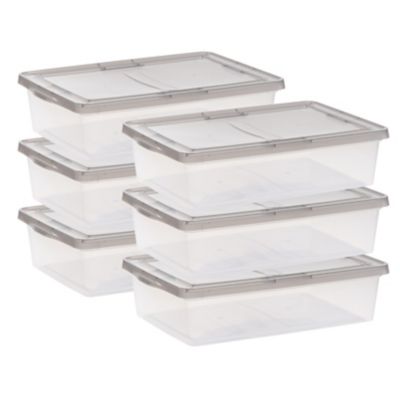
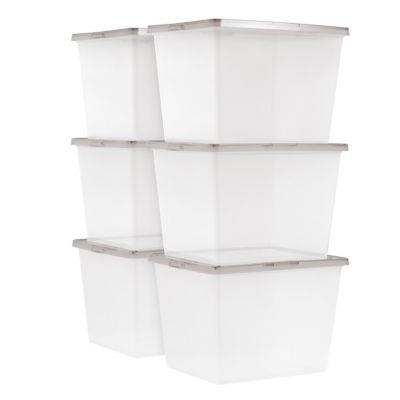
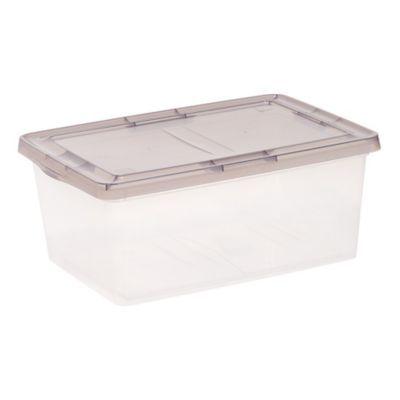
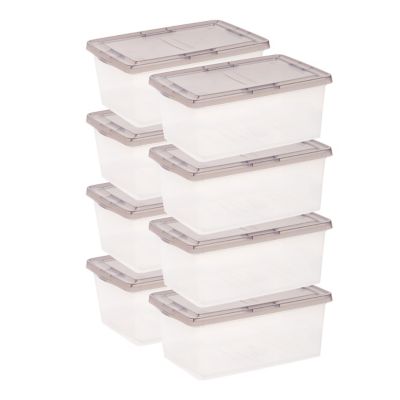
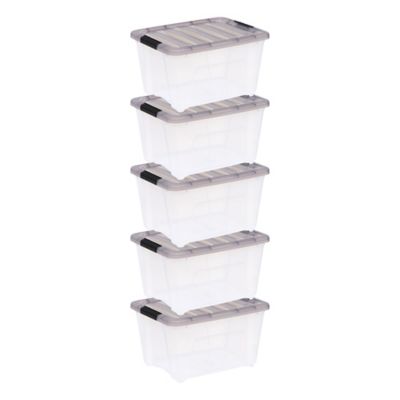
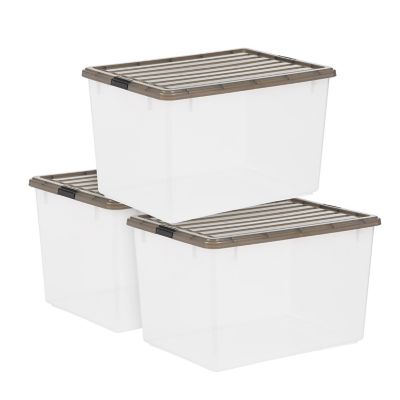
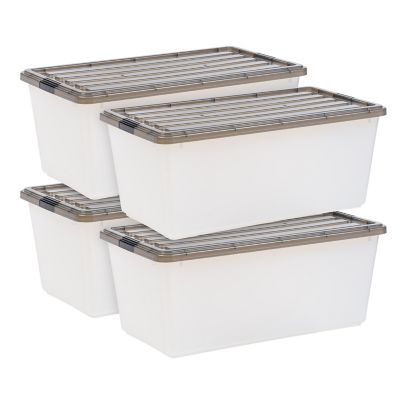
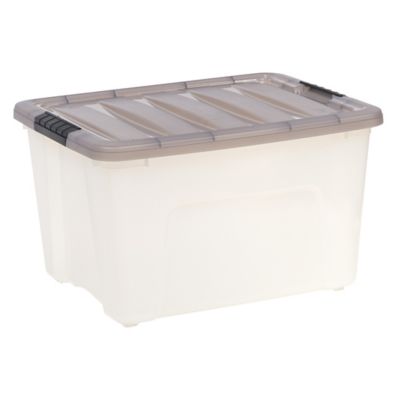
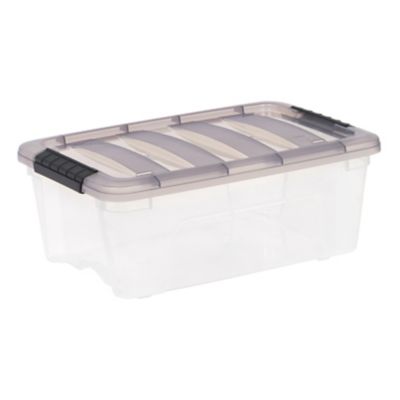
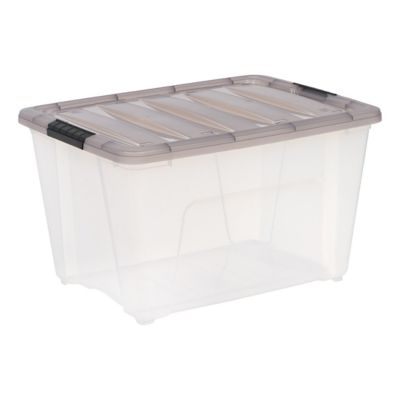
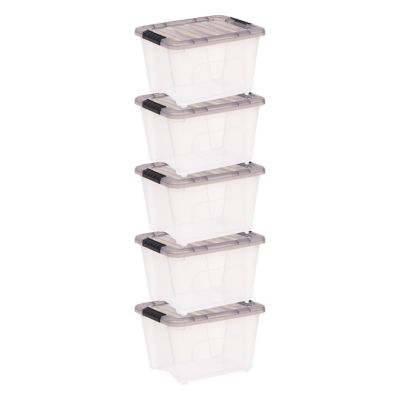
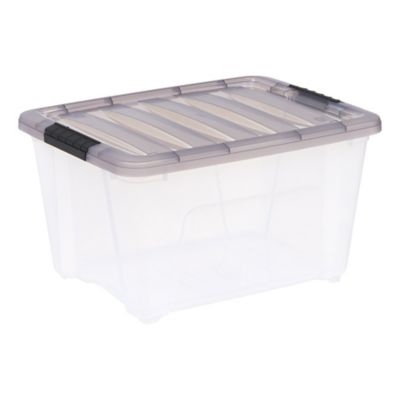
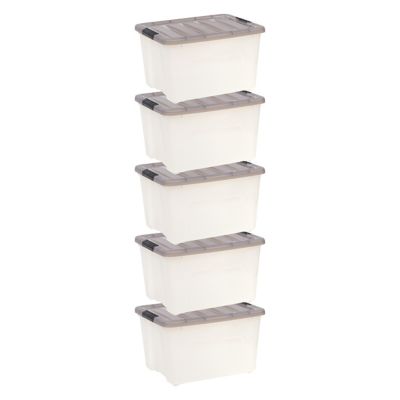
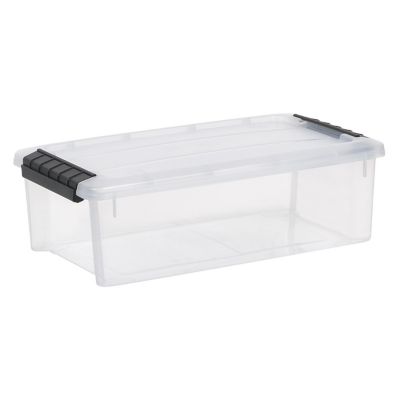
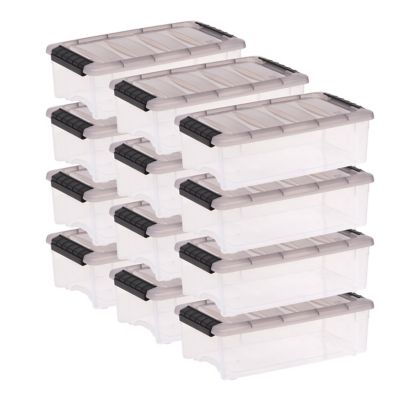
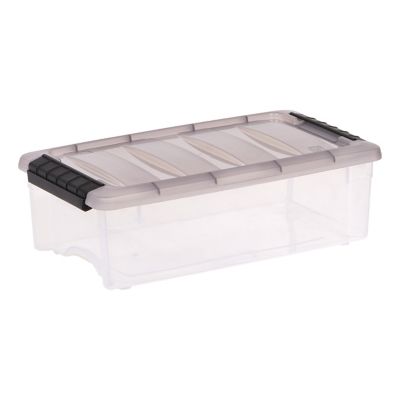
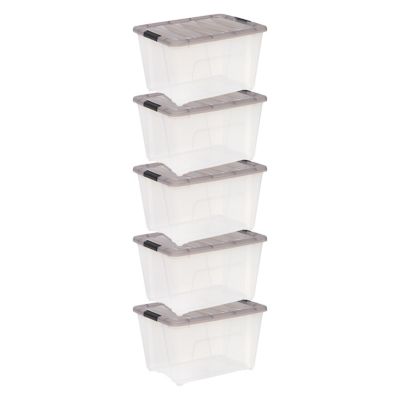
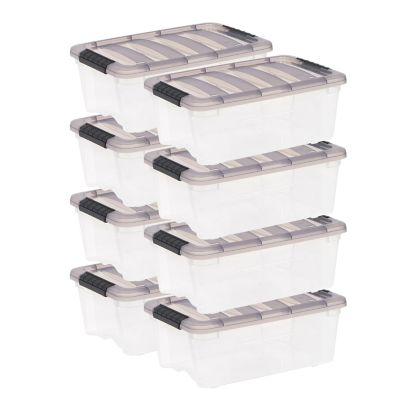
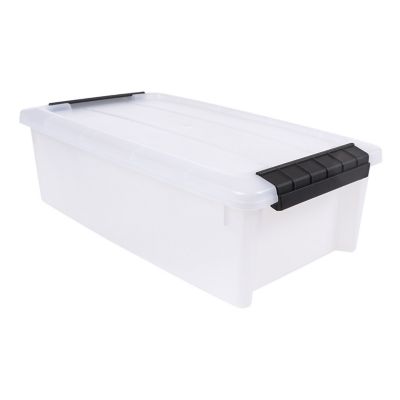
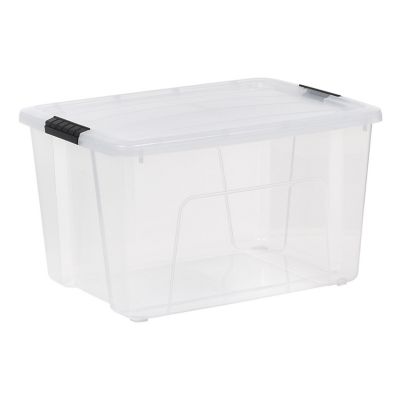
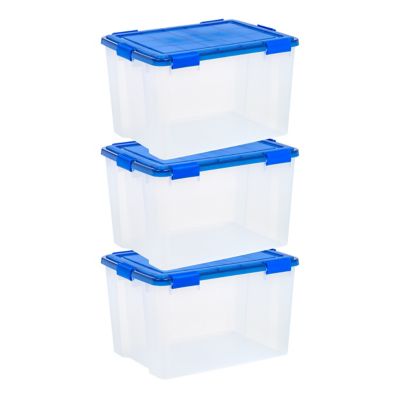
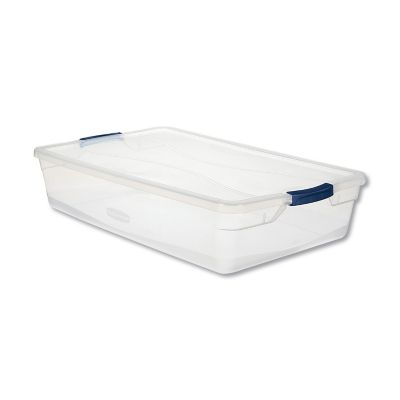
Clear plastic boxes for shoe storage keep pairs together, help shield footwear from settling dust, and make it easier to see what belongs where without opening every lid. They bring order to the everyday shuffle of sneakers, work shoes, sandals, and dress shoes that can otherwise spread across a closet floor. Instead of hunting for a missing shoe behind a laundry basket, you can spot the pair through the front or sides of its container. That visibility comes in handy in a busy household, especially when several people share an entryway or bedroom closet. Individual boxes also give each pair a place of its own, helping keep soles from rubbing against neighboring shoes and keeping loose laces from getting tangled. Their usefulness depends on the box dimensions, opening style, ventilation, and the space where they will sit. A low-profile container may fit beneath a bed, while a taller box may better accommodate high-top sneakers or ankle boots. Full-height work boots need considerably more room and may call for storage designed around a taller shaft. For anyone moving between chores, a jobsite, and time in town, separate boxes can make it easier to keep cleaner footwear apart from shoes that carry dirt or grit. Clear sides also help parents spot which pair belongs to which child, while adults sharing a small closet can keep their own footwear grouped without opening a row of look-alike cartons. The result is less visual clutter without hiding everything from view. Unlike a jumble of mismatched shoe cartons, containers with matching footprints can form orderly rows on a shelf. That consistent shape can make better use of limited closet space, provided the shelf depth and weight limit suit the arrangement. Clear storage works especially well for pairs worn less often, since those shoes remain easy to recognize even when they are tucked toward the back of a closet.
The best fit involves more than the shoe size printed on a label. Interior length, width, and height determine whether a pair can rest naturally without bent heels, compressed toe boxes, or folded uppers. Wide work shoes, thick soles, high heels, and padded high-tops all take up space differently, so two pairs carrying the same size can need different containers. Outside measurements matter just as much when boxes need to sit between closet supports, beneath a hanging rail, or on a narrow shelf. Depending on the design, clear plastic shoe boxes may have lift-off lids, hinged tops, or front-opening doors. A lift-off lid gives broad access from above, while a front opening can make a lower pair easier to reach without lifting containers off the stack. Door clearance still matters in a tight closet, particularly where a hanging coat or nearby wall could block the opening. Stackable construction is another useful distinction, but a flat top alone does not mean a box is intended to support several filled containers. Interlocking edges, molded feet, and stated stacking limits help describe how a design is meant to sit. Plastic construction varies as well: polypropylene, PET, and other clear plastics can differ in stiffness, flexibility, and resistance to scuffs. A more rigid panel holds its shape differently from a flexible wall, and hinges, latches, and corners all affect how the container handles repeated opening. Clear does not always mean glass-like visibility, either; some walls have a lightly frosted finish that shows outlines more readily than small details. Ventilation holes or open sections may allow airflow, while a more enclosed lid can offer greater coverage against dust. Neither arrangement replaces letting footwear dry completely before putting it away. For shelves above a child’s reach or close to a doorway, a modest stack that follows the container’s stated limits makes more sense than a tall tower. Smooth edges, easy-grip openings, and closures that do not require much force can also make a difference when several family members reach for their shoes each day.
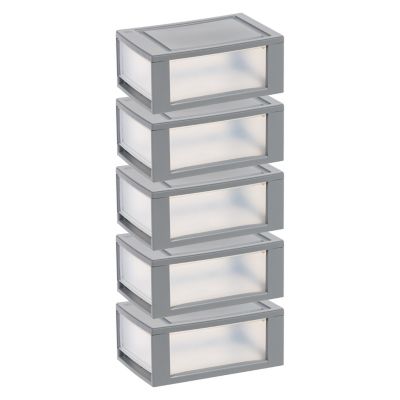
Everyday care helps clear shoe storage stay useful and easy to see through. Dust, fingerprints, and grit can cloud the view, particularly around a front door or along the bottom of a closet. Many plastic containers can be wiped with a soft cloth and mild soap, though the care directions for the material take priority. Rough scrubbers, strong solvents, and cleaners not intended for that plastic may scratch or haze the surface. Removable lids and accessible corners can make cleanup simpler when a bit of dried dirt drops from a sole. Shoes belong in storage clean and fully dry; enclosing damp footwear can hold moisture and odors inside, even when a container has some ventilation. A clear shoe box is an organizer, not a substitute for cleaning footwear or a guarantee against moisture. Direct sunlight and placement near heat sources can also affect some plastics, so an indoor closet or sheltered storage area is often a better match than a spot beside a heater. Beyond care, the way boxes open can shape how comfortably they fit into a daily routine. A pair of dress shoes worn occasionally may be fine in a lidded box on an upper shelf, while sneakers reached for every morning are easier to manage at a convenient height. Households wanting pull-out access can also consider
Clear Plastic Stacking Drawers for a different approach to visible, compartment-style storage. Small labels can help distinguish similar pairs without covering the view through the front. Keeping matching sizes and shapes together generally makes the arrangement easier to follow, while leaving a little open shelf space keeps the closet from feeling packed tight. Whether the setting is a farmhouse bedroom, an apartment closet, or a shared entryway, clear shoe boxes give everyday footwear a defined home and keep the pair you want easier to find.