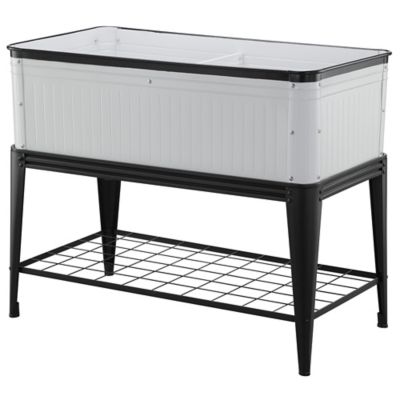
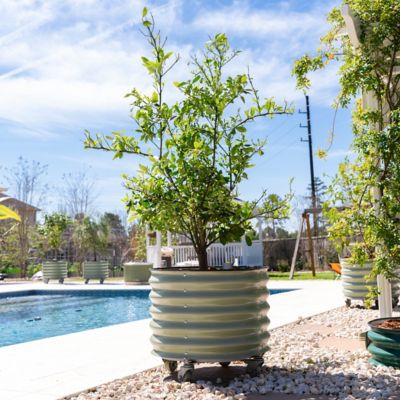
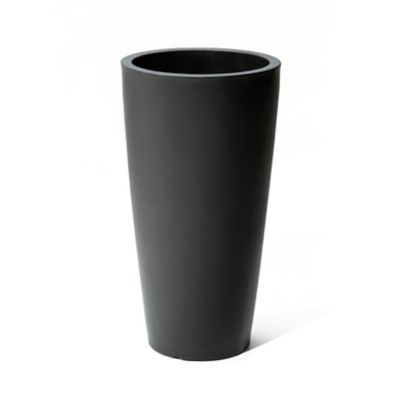
Plant stands for indoor plants give greenery a place of its own, whether that means a leafy pot beside the living room window or a small grouping tucked into a bright corner of the kitchen. Raising a container off the floor can make foliage easier to see, leave room for trailing stems and keep a pot from disappearing behind the furniture. The right stand fits the way a room gets lived in, not just the space left along a wall. A compact frame can sit beside an armchair without crowding the path through the room, while a broader stand can anchor a grouping near a window. Height changes the look and usefulness of the display, too. A low platform suits a taller plant that already has plenty of presence; a higher platform brings smaller foliage closer to eye level. For trailing plants, enough clearance below the pot lets stems hang freely rather than bunch up against the floor. Stand height alone does not determine whether a plant gets enough light, though. The window location, surrounding furniture and the plant’s own needs still matter. Fit starts with both the container and the room: the pot’s bottom needs steady support, and the stand’s footprint needs enough space to sit level without sticking into a walkway. A planter that flares outward may need more clearance than its base suggests, especially beside a chair or beneath a windowsill. Leaving a little room around the leaves also makes watering and turning the pot less awkward. Indoor plant stands suit homes of all sizes, from a farmhouse with wide windows to an apartment where every bit of floor space counts. They can bring order to a longtime plant keeper’s collection or give someone with a single favorite plant a spot for it. A stand also makes a thoughtful housewarming gift when its size and style suit the recipient’s home, particularly for someone who enjoys greenery but has limited shelf space.
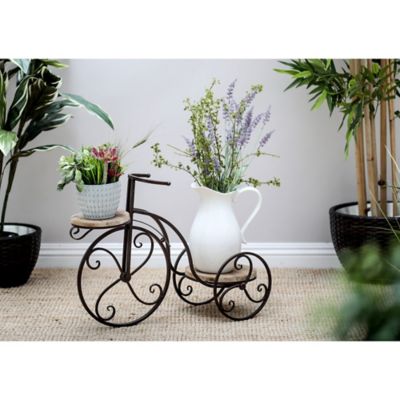
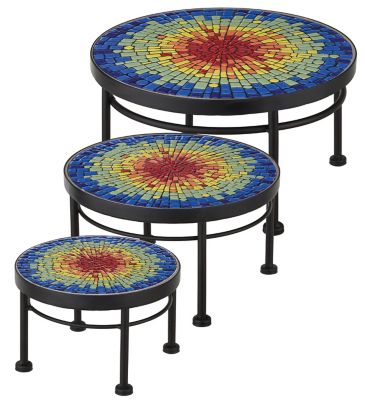
Materials make a difference in how an indoor plant stand looks, feels and holds up to everyday handling. Wood brings visible grain and a warm look that sits comfortably alongside a pine table, woven basket or upholstered chair. Its finish deserves attention because drips and damp saucers can leave marks or affect the surface over time. Bamboo offers another natural look, with strength depending on the thickness of the parts, the joints and the overall construction. Metal frames can have slender profiles that leave more of the plant in view, while wider metal shelves provide support for several containers. A painted or coated finish helps separate the metal from moisture, but scratches and standing water still call for care. Material alone does not tell the whole story. Secure connections, level feet and a platform sized for the pot all contribute to a steady setup. A stand needs to support the planter, the soil and the water held after a thorough watering, not just the weight of an empty container. The stated weight limit matters, especially with heavier pots. Some designs hold one plant at a single height, keeping the arrangement simple and giving broad leaves room to spread. Others offer several platforms or shelves, which can make better use of a corner or an open stretch of wall. For a grouped display,
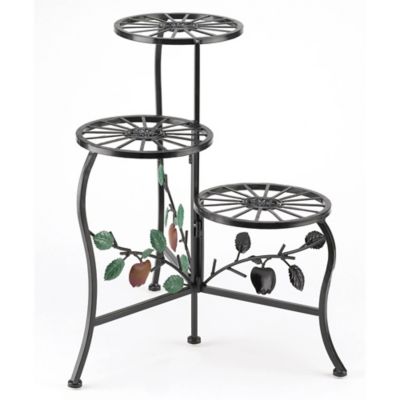
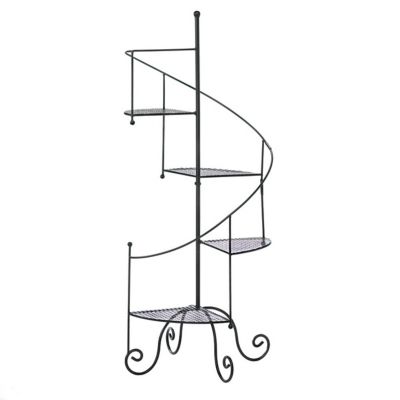
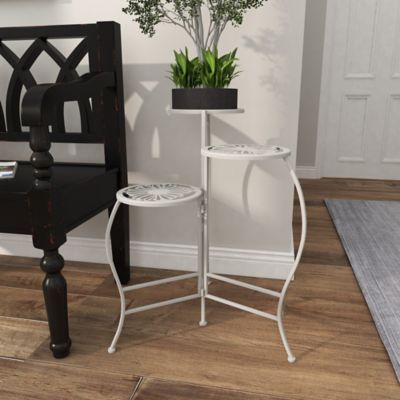
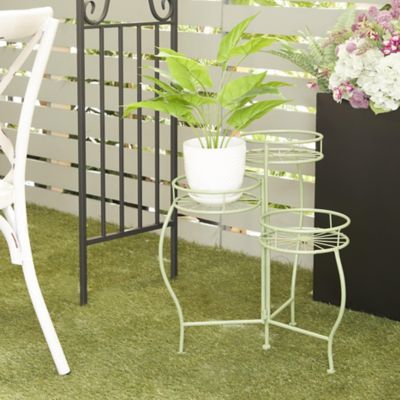
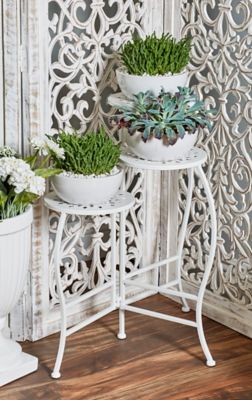
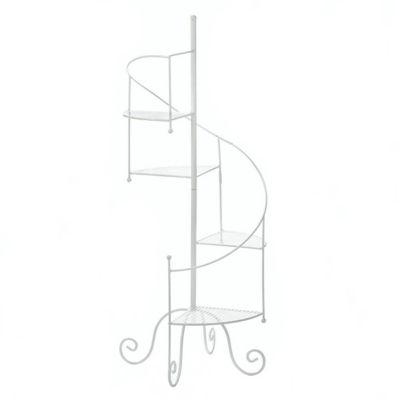
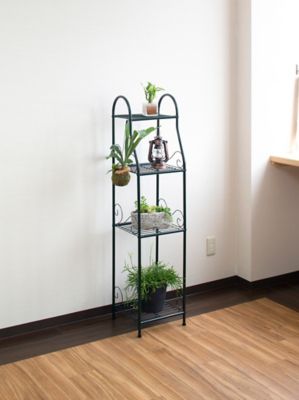
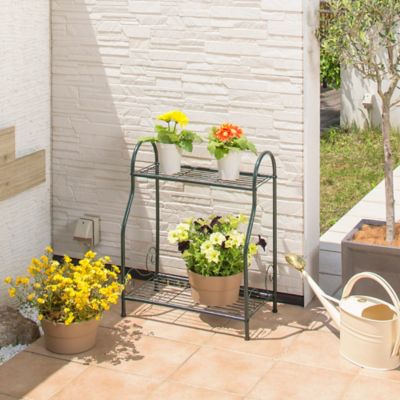
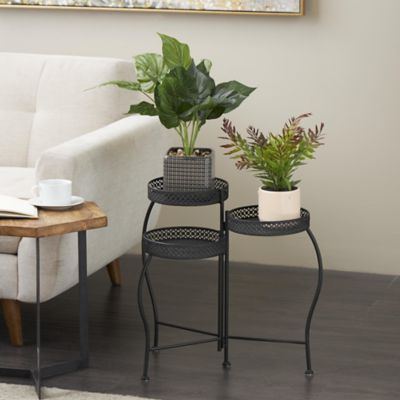
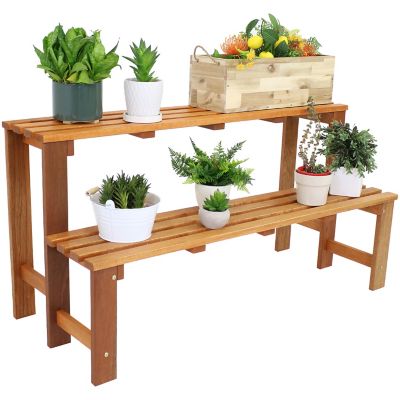
Plant Stands for Multiple Plants bring several containers into one arrangement without requiring a separate floor space for each pot. Spacing between tiers matters as much as the number of platforms: upright foliage needs headroom, trailing stems need an open edge, and every container needs room for a hand or watering can. An open frame can keep a collection from looking crowded, while a shelf-style stand creates a more defined arrangement. Neither layout is automatically the better fit. The shape of the plants, the size of their containers and the space around the stand help determine which setup feels right at home.
Everyday care is easier when an indoor plant stand works with the watering routine rather than getting in the way. A pot with drainage needs a properly fitted saucer or another suitable way to catch runoff, and that saucer needs support just as the pot does. A stand raises a plant, but it does not make drips harmless to wood flooring, rugs or nearby furniture. Water left beneath a container can affect the stand’s finish, so accessible platforms make wiping up spills and checking for damp spots less of a chore. Containers that can lift out easily are convenient for plants watered at a sink, provided the pot is manageable to carry and sits securely when returned. Smooth surfaces generally wipe clean with less effort than intricate joints and closely spaced bars, where soil and dried leaves can collect. Care should follow the material and finish, with gentle cleaning and drying often more suitable than soaking or harsh scrubbing. Stability deserves the same attention as appearance. A broad base can help support a taller arrangement, but the stand still needs a level spot and a load that stays within its stated limits. Thick carpet, uneven flooring and pots placed off-center can affect balance. In homes with children or pets, a location away from busy paths and tempting trailing stems helps reduce bumps and tugging; extra height alone does not make a plant or its container safe. A stand beside the sofa should leave room for feet, while one near an entry should stay clear of swinging doors and carried bags. Felt pads or other floor protection may help prevent scuffs when suited to the stand and flooring. Over time, checking fasteners, wiping away moisture and watching for wear keeps the setup ready for daily life. With sensible proportions and room to tend each pot, indoor plant stands let greenery feel settled into the home rather than squeezed into whatever space happens to be free.