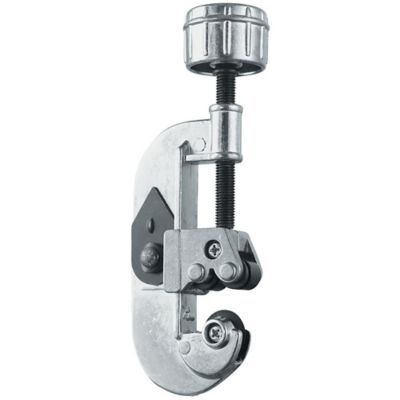
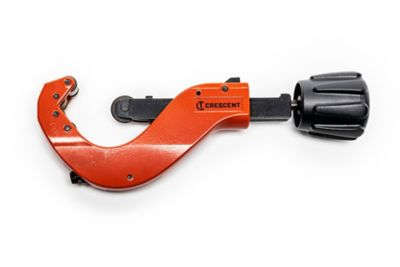
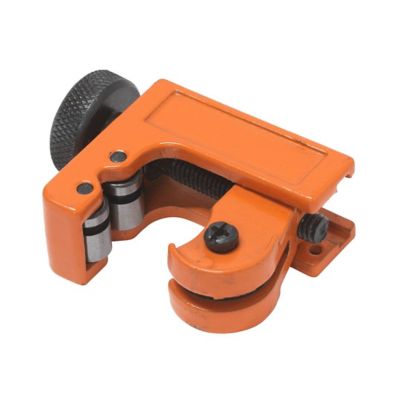
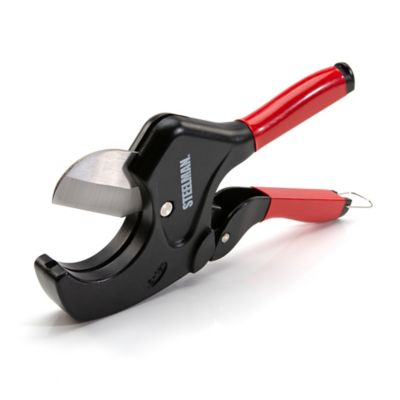
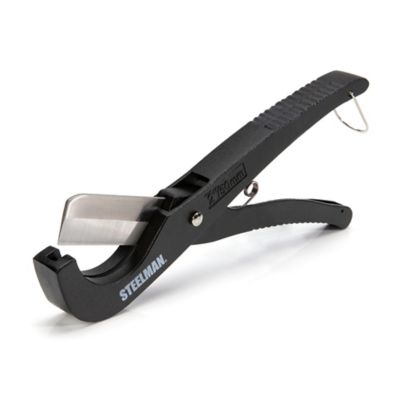
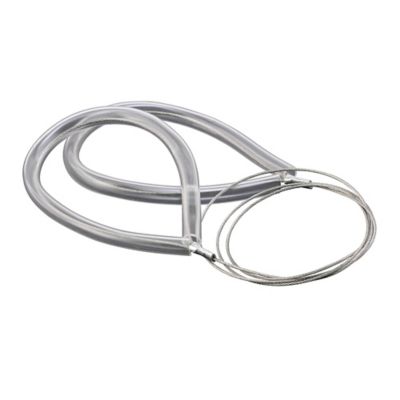
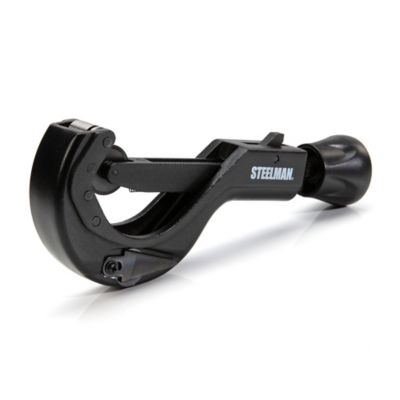
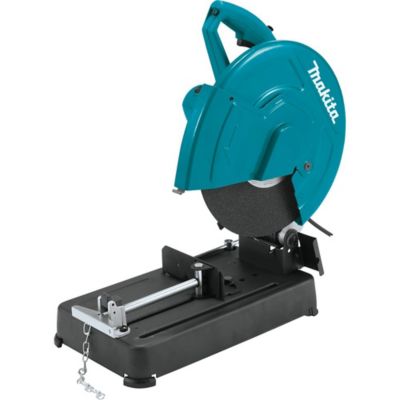
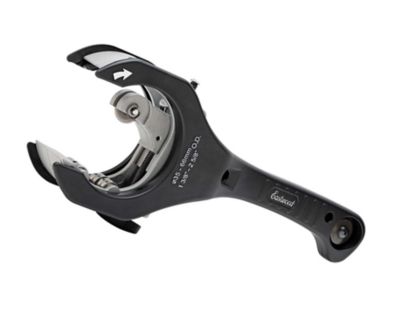
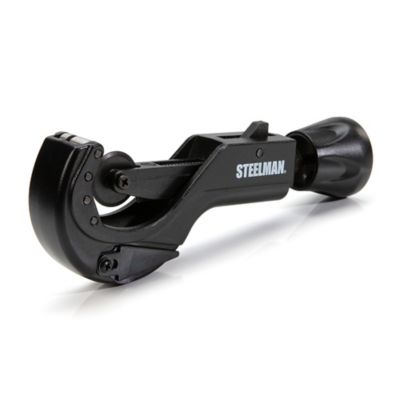
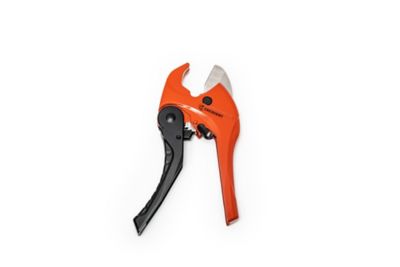
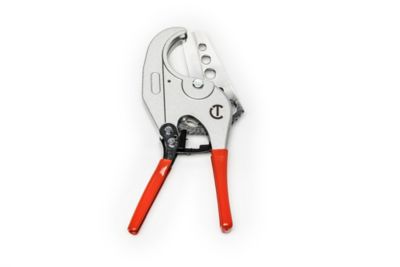
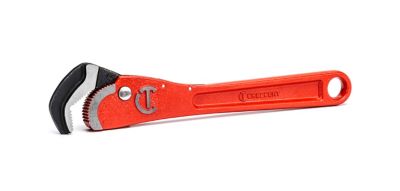
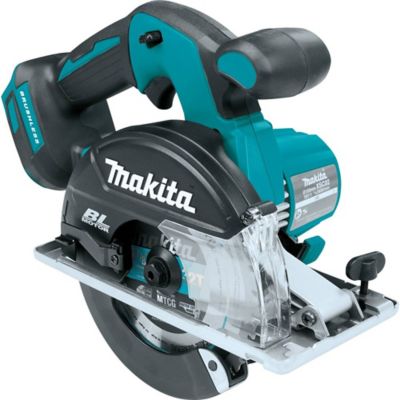
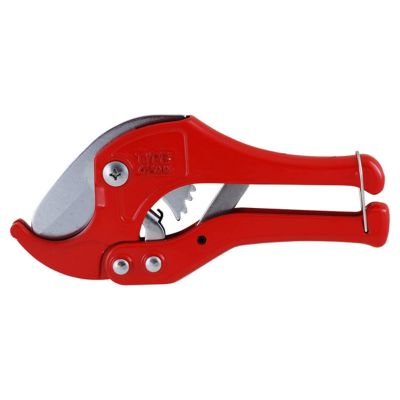
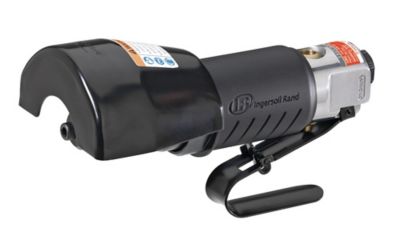
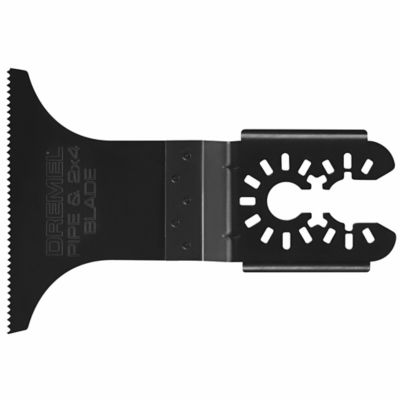
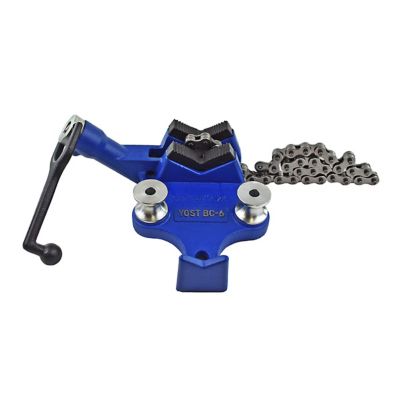
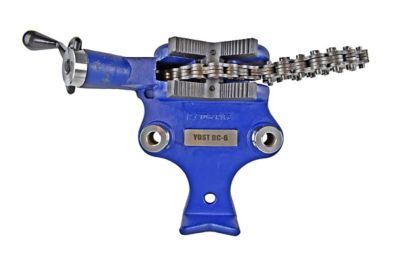
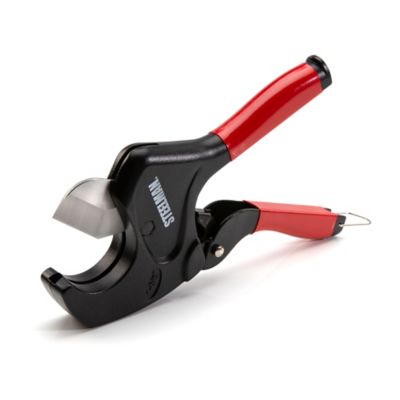
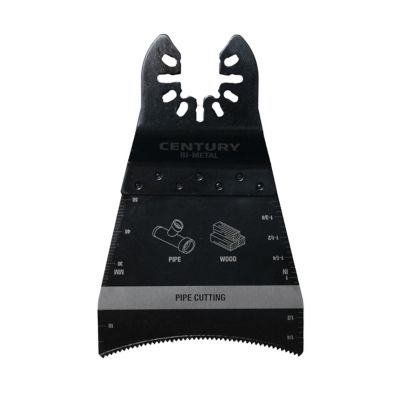
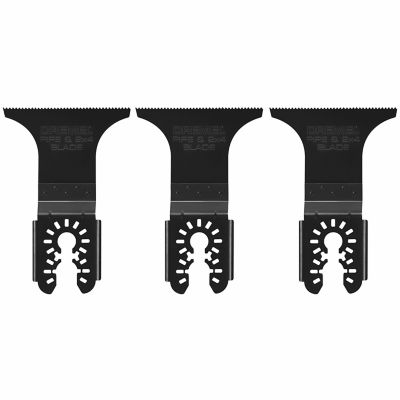
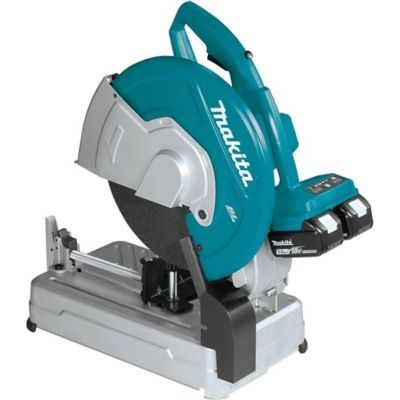
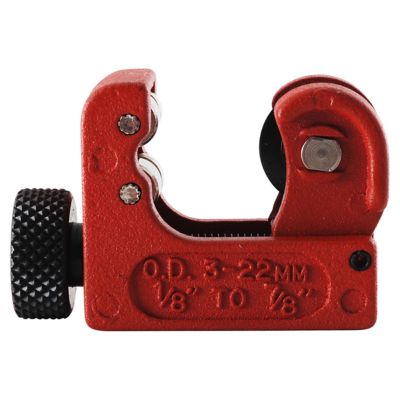
Pipe cutting tools help turn a rough length of pipe or tubing into a clean, usable piece for plumbing repairs, equipment maintenance, irrigation work, fencing projects and shop fabrication. The best choice depends first on the material you need to cut, then on the pipe’s diameter, wall thickness and location. Copper, brass and aluminum tubing are commonly cut with a manual wheel-style tubing cutter. These tools wrap around the tube, and a cutting wheel scores the outside as the cutter is rotated. Plastic pipe, including PVC and similar materials, is often easier to cut with ratcheting shears that use a sharp blade and stepped leverage to make a straight cut without much hand strain. Steel, cast iron and other heavy pipe call for a tougher cutting wheel, a chain-style cutter or a powered option such as a portable band saw, especially when the material is thick or the job involves many cuts. A compact hand tool can be handy under a sink or in a tight cabinet, while a larger, powered cutter can save time in a farm shop, maintenance bay or construction setting. Before buying, check the tool’s listed cutting range and make sure it covers the outside diameter of the pipe rather than relying only on the nominal pipe size. Pay attention to the pipe material, too. A wheel made for soft copper is not the right match for hardened steel, and using the wrong wheel can leave a crooked cut, flatten the tube or wear out the cutter quickly. If your project involves ductwork, flashing or other thin metal along with pipe, browse
Sheet Metal Cutting Tools for tools suited to those materials.
A clean cut starts with steady preparation. Measure twice, mark the pipe all the way around when possible, and support a long piece so its weight does not pull the cut out of square. With a manual wheel cutter, place the tool over the mark, tighten the adjustment knob until the wheel makes light contact, and rotate the cutter around the pipe. After each full turn, tighten the knob only a little before making another rotation. That gradual pressure lets the wheel score the pipe evenly instead of crushing or bending it. On copper and other soft tubing, too much pressure can leave a pinched end that will not slide properly into a fitting. Ratcheting plastic cutters work best when the pipe is held firmly and the blade is kept square to the mark. Let the ratchet do the work rather than twisting the handle from side to side, which can leave a slanted cut or rough edge. Powered cutters and portable band saws are useful for heavier materials and repeated work, but they require a stable grip, a clear work area and attention to the blade’s direction of travel. After cutting any pipe, inspect the end and remove the burrs, shavings or plastic flakes from both the outside and inside edge. A deburring tool, reamer, file or suitable utility knife can smooth the lip so water, air or other material can move through without catching on a sharp ridge. Deburring also helps fittings seat fully and protects O-rings, seals and your hands during assembly. Wipe away loose debris before joining the pipe, and follow the fitting or sealant instructions for the system you are working on. Safety glasses are a smart choice for every cutting job, since even a small metal shaving can travel farther than expected. Gloves can protect against sharp edges, though they should never be worn where they could catch in a moving powered blade. Keep the workpiece clamped or supported, disconnect powered equipment when changing blades, and give freshly cut metal a moment to cool if friction has made it hot.
Pipe cutting tools are useful for a wide range of people, from a homeowner replacing a leaky section of water line to a ranch hand repairing a stock-watering setup, greenhouse frame or irrigation run. Plumbers and maintenance crews may keep several styles on hand because a day’s work can move from copper supply tubing to plastic drain pipe and then to heavier steel. Welders, mechanics and fabricators also use pipe cutters when building railings, gates, equipment guards, exhaust parts or custom shop projects. For occasional repairs, a simple manual cutter that fits the pipe sizes around your home, barn or outbuilding may be all you need. Frequent users may value a wider cutting range, replaceable wheels, a comfortable grip, quick adjustment and a design that can be used in cramped spaces. Look for durable construction if the tool will ride in a service truck or spend time in a dusty shop, and keep cutting wheels clean and lightly maintained according to the manufacturer’s directions. A pipe cutter can make a practical gift for a new homeowner, apprentice, do-it-yourself fixer or anyone putting together a well-stocked toolbox, particularly when paired with a deburring tool, measuring tape, fitting brush or sturdy storage case. During the cooler months, these tools can come in handy for indoor plumbing repairs, workshop projects and equipment upkeep before the next busy stretch of outdoor work. Choose the cutter that matches the material and size you handle most, keep the blade sharp, and take the time to finish each cut cleanly; that small bit of care can make the difference between a fitting that slips together smoothly and a repair that has to be redone.