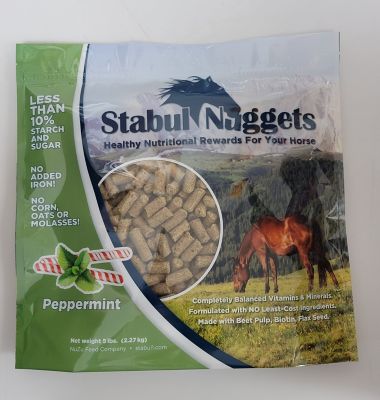
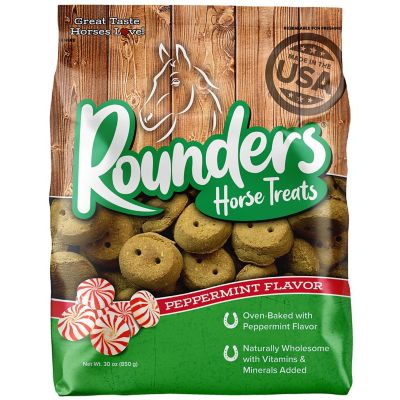
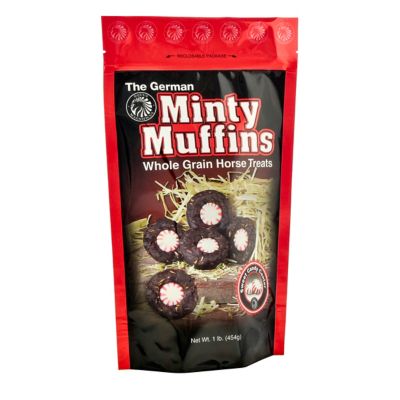
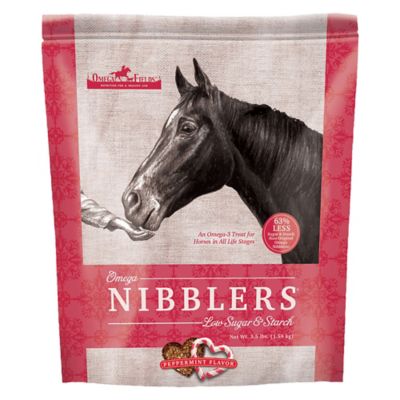
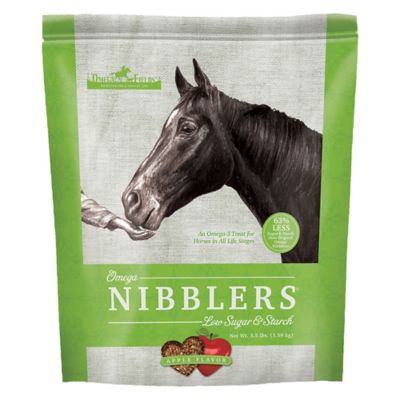
Peppermint horse treat gifts are mint-flavored snacks made for horses, paired with the simple pleasure of giving a favorite barn companion a little something extra. They make thoughtful gifts for horse owners, riders, and the folks who handle the everyday feeding, grooming, and stall chores. For a rider who already has a well-worn saddle and a tack room full of gear, a treat their horse can enjoy offers a personal touch without the guesswork of clothing sizes or equipment fit. Crunchy nuggets, baked biscuits, and softer bites bring different textures to the mix, while ingredients may include oats, other grains, molasses, fiber sources, and peppermint or peppermint flavoring. Recipes vary, so the minty name alone does not tell the whole story about what is inside. Some treats have a firm bite and a dry finish that makes them easy to carry; others have a softer texture that calls for a little more care in a pocket or bag. Size matters, too. A small piece can suit an occasional reward without turning a quick visit at the stall door into a substantial feeding. Larger pieces may need to be broken apart when the label allows, depending on the horse and the owner’s feeding routine. A pleasant peppermint scent is part of the appeal for the person opening the package, but a horse’s taste preferences are individual. One gelding may come over at the sound of a treat bag, while another takes a sniff and waits for something familiar. That is why a gift that matches a horse’s established favorites often feels especially thoughtful. Horse-formulated treats also make more sense than assuming candy meant for people belongs in the feed room. The intended animal, ingredient list, feeding directions, and portion size all deserve a place in the choice, even when the gift is just a small thank-you.
The best fit for peppermint horse treats depends on the horse’s regular ration, health needs, chewing ability, and the way its owner offers rewards. Treats are extras, not replacements for forage, balanced feed, clean water, or a feeding plan built around the individual animal. Peppermint flavor does not automatically mean low sugar, and a recipe with grains or molasses can contribute sugar and starch alongside its other ingredients. For an owner comparing options for a horse on a restricted feeding plan,
Low Sugar Horse Treats offers another category to consider, with the understanding that a category name alone cannot establish whether a treat suits a particular horse. Horses with insulin-related concerns, a history of laminitis, or other dietary restrictions need the owner’s veterinarian or equine nutritionist to weigh in on suitable treats and amounts. The same care applies to senior horses and animals with dental trouble: a softer feel does not guarantee easy or safe chewing. Ingredient details are helpful for horses with sensitivities, and any nutrition information supplied by the manufacturer gives the recipient more to work with than flavor alone. In everyday barn life, smaller portions can make rewarding a horse more manageable, especially when several people might offer snacks throughout the day. A peppermint bite after a quiet grooming session or as part of an established training routine can be a welcome extra, but the owner’s rules come first. Some barns allow hand-feeding, while others prefer treats in a feed pan or reserve food rewards for supervised training. A gift for a lesson horse, boarding horse, or neighbor’s pony is best handed to the person responsible for its care rather than fed over a fence. That keeps the gesture friendly without interrupting a feeding plan or encouraging crowding at the gate. Clear feeding directions and an intact label help the recipient decide when, how, and whether the treats belong in that horse’s routine.
Packaging can make peppermint horse treat gifts easier to give and easier to keep around the barn. A resealable bag is handy for a rider who carries only a few rewards at a time, while a food-safe tub with a snug lid can help keep treats together between visits. Firm pieces that hold their shape travel differently from tender bites that may flatten under a grooming tote or crumble beside a hoof pick. For a gift that will ride along in a tack bag, closure strength, package size, and resistance to everyday bumps matter just as much as appearance. Original packaging keeps ingredient information, feeding instructions, storage directions, and date markings with the treats, which is especially helpful when the giver does not know every detail of the horse’s diet. If an outer gift bag or ribbon is added, those extras belong outside the food package and away from the horse’s reach. Storage needs vary by recipe, but a clean, dry spot away from direct sunlight, moisture, pests, and barn chemicals is a sensible starting point, with the manufacturer’s directions taking priority. Closing the package between feedings helps protect the contents from spills and stray bits of hay or bedding. These practical details suit the way horse people tend to give gifts: something pleasant to open that still earns its place beside the daily barn supplies. Peppermint treats can mark a rider’s birthday, thank an instructor for patient lessons, or recognize the friend who handled chores while an owner was away. They can also be a small welcome for someone settling into a new boarding barn, provided the horse’s caregiver approves the choice. For a child giving a gift to a lesson pony or an adult celebrating years with a steady trail partner, the appeal is much the same. The gift acknowledges the horse as part of the relationship, with a familiar flavor, a manageable serving, and enough care behind the selection to make that small moment at the barn feel special.