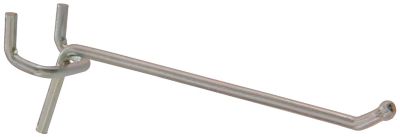
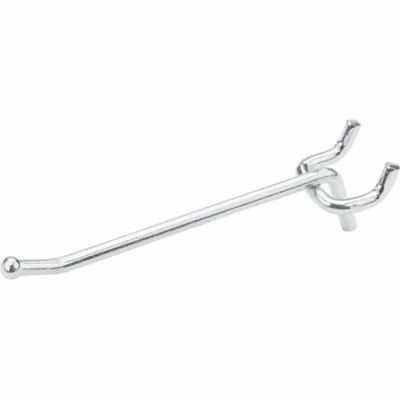
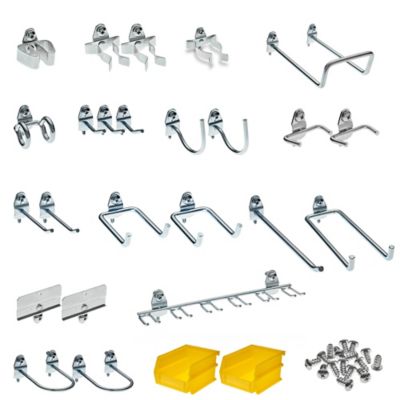
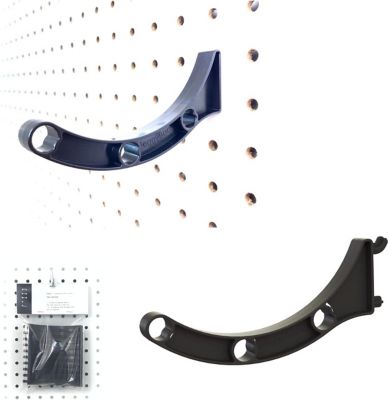
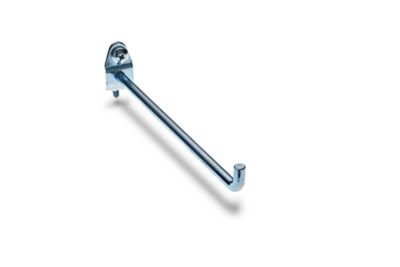
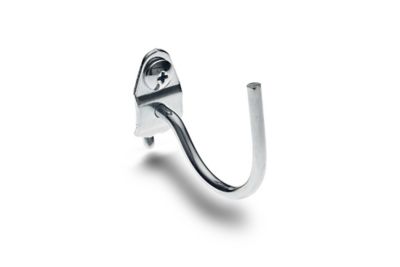
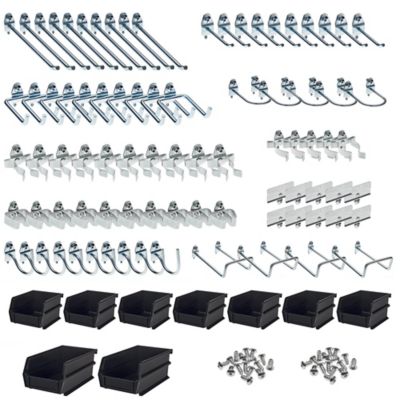
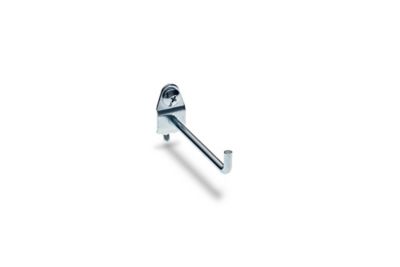
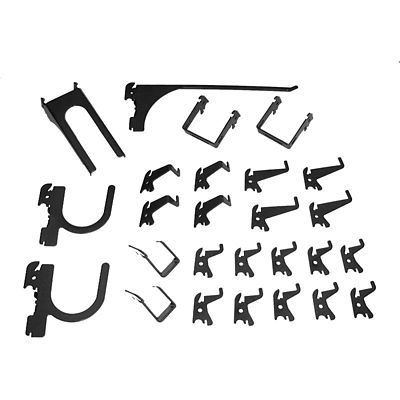
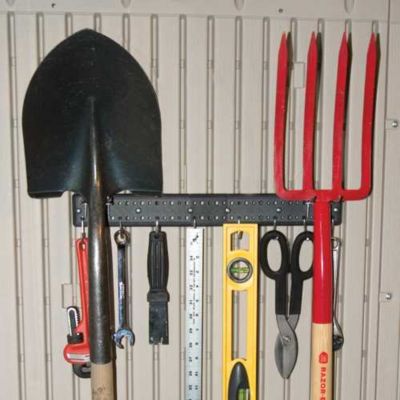
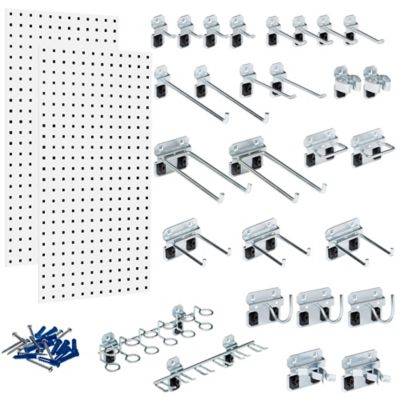
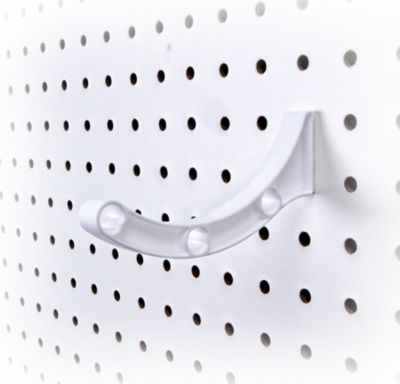
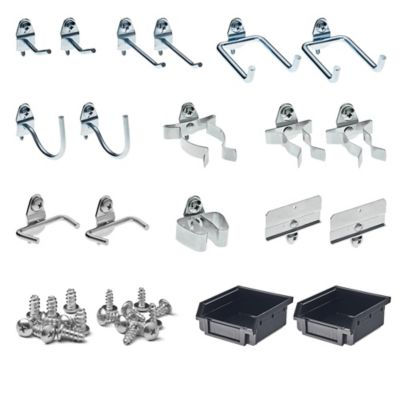
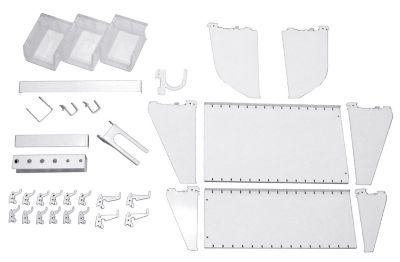
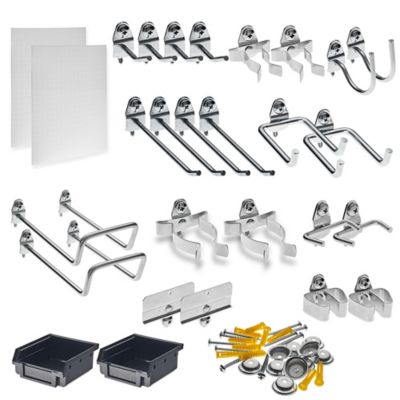
Peg hooks are simple, handy organizers made to fit into a pegboard or slatwall, giving you a place to hang tools, cords, shop supplies, and other loose items. In a garage, barn, tack room, utility closet, or work shed, a well-arranged board can turn a jumble of equipment into a setup that is easy to see and easy to use. Instead of digging through a drawer for a tape measure or stepping over a coiled extension cord, you can keep everyday gear up off the floor and close at hand. Straight hooks work well for items with a hanging hole, narrow handle, or loop, while J-shaped hooks can cradle hammers, wrenches, hand tools, and bundled cords. Double-arm styles offer extra support for wider handles or heavier tools, helping reduce swinging and wobbling when an item is lifted away. Ring-style holders are useful for round supplies such as tape, wire, rope, or tubing that need to spin freely as they are pulled. Peg hooks can also make a practical gift for a new homeowner, a handy family member, a farmer setting up a work area, or anyone who enjoys keeping a shop in good order. During the warmer seasons and into the cooler months, they are useful for organizing everything from garden tools and fence-repair supplies to winter equipment, work gloves, and household odds and ends. For more ways to group and arrange hanging supplies, browse
Storage Hooks.
Before choosing peg hooks, start by checking the hole size and board style you have. Most pegboards use either 1/8-inch or 1/4-inch holes, and the hook’s mounting peg needs to match that opening for a secure fit. A hook made for a smaller hole may not fit a larger board properly, while a thicker peg can be difficult or impossible to install in a smaller opening. It also helps to measure the depth of the board and the space behind it, especially when the pegboard is mounted close to a wall. Look at the length of the hook arm as well. Short arms are a good choice for small hand tools, packaged supplies, and items that sit close to the board. Longer arms provide room for bulkier tools, several pieces of lightweight equipment, or items with larger handles, but they can take up more wall space and may need stronger support. Match the hook shape to what you plan to hang rather than trying to make one style do every job. A straight hook may be just right for a roll of tape or a small hand saw, while a curved or J-shaped hook can help keep a hammer, wrench, or coiled cord from sliding off. For round rolls and spools, a ring holder keeps the material centered and makes it easier to pull off a length without knocking the holder loose. When storing heavier power tools or equipment, choose a sturdy double-arm design and check the stated weight capacity. Weight ratings can vary by material, hook style, board construction, and how securely the board is mounted, so the board and mounting hardware need to be rated for the full load as well. A hook that handles a light cord may not be suitable for a drill, grinder, or other dense tool.
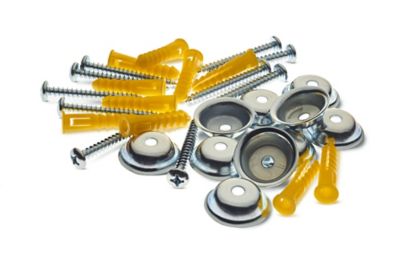
Material and retention features matter when peg hooks will be used in a busy shop or an unheated outbuilding. Zinc-plated or powder-coated steel offers a strong choice for many garage, barn, and utility-room applications, with finishes that can help resist everyday wear and surface rust. Plastic hooks may be useful for lighter items and can be a good fit when you want a softer surface around painted tools, household supplies, or children’s equipment. In areas where tools are lifted off the board often, locking pegs, tabs, or screw-secured designs can help keep the hook from pulling forward with the item. This is especially helpful when a workbench gets bumped, a cord is tugged, or a tool is removed with one hand while you are carrying something in the other. For a tidy layout, place the hooks so handles face the same direction and leave enough space between items to grab them without disturbing neighboring tools. Keep heavier pieces lower on the board, use shorter hooks for small supplies, and reserve longer arms for items that need extra clearance. You can group equipment by task—fence repair in one section, garden maintenance in another, and shop tools nearby—or arrange everything by how often it is used. A little planning makes a difference: the pruning shears you reach for every few days belong at an easy height, while specialty tools can go higher or farther to the side. Check the hooks from time to time for bending, loose mounting, or signs that the board is pulling away from the wall. With the right size, shape, material, and weight rating, peg hooks provide a flexible way to make better use of wall space and keep a working area ready for the next job.