4th Of July Sale On Patio Pathway Lights
Light up your backyard celebrations with the 4th of July sale on patio pathway lights. Whether you're hosting a family cookout or just enjoying a quiet evening outdoors, these lights add that perfect touch of festive charm to your space. Now’s the time to brighten up your walkways and patios for less, so you can make every summer night feel like a special occasion. Grab these deals and get your outdoor spaces ready for all the fun and fireworks!
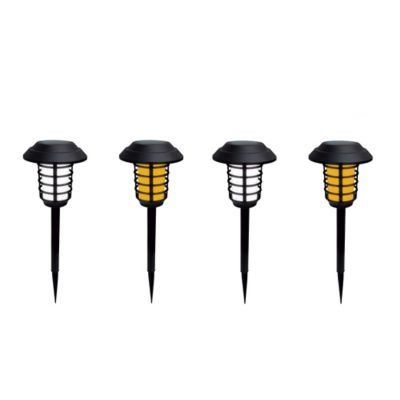
$53
.99
Sale Was $59.99 Save $6.00 (10%)

$40
.49
Sale Was $44.99 Save $4.50 (10%)
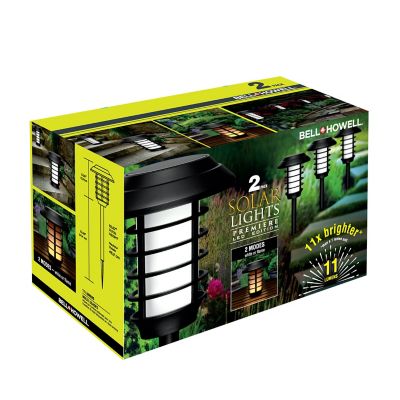
$26
.99
Sale Was $29.99 Save $3.00 (10%)
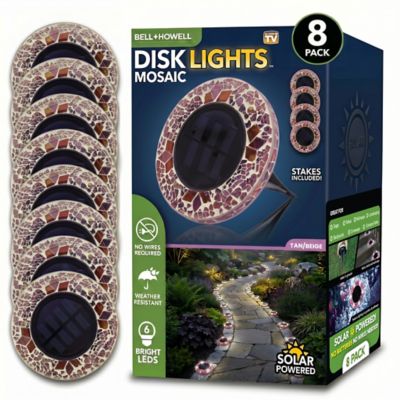
$53
.99
Sale Was $59.99 Save $6.00 (10%)
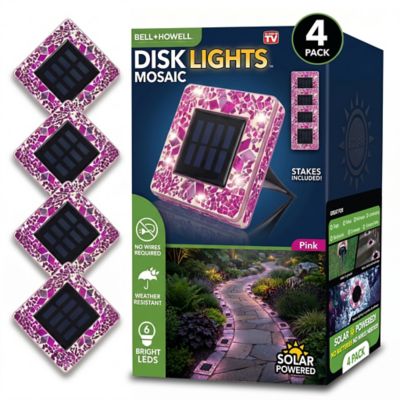
$26
.99
Sale Was $29.99 Save $3.00 (10%)
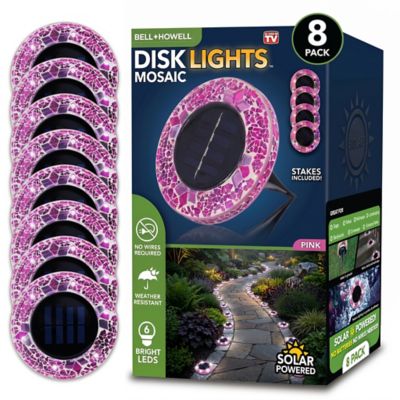
$53
.99
Sale Was $59.99 Save $6.00 (10%)
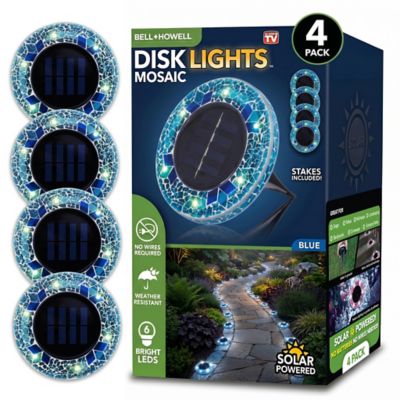
$26
.99
Sale Was $29.99 Save $3.00 (10%)
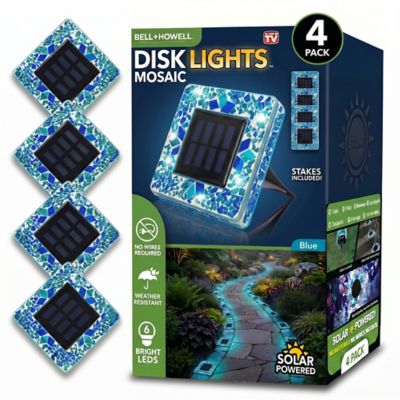
$26
.99
Sale Was $29.99 Save $3.00 (10%)
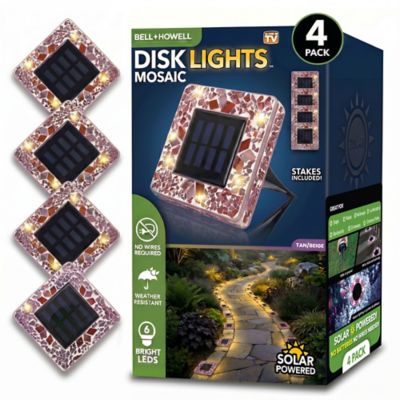
$26
.99
Sale Was $29.99 Save $3.00 (10%)
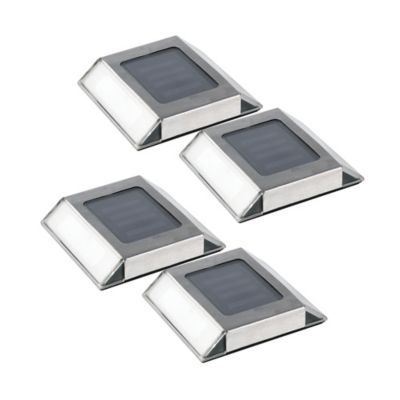
$49
.49
Sale Was $54.99 Save $5.50 (10%)
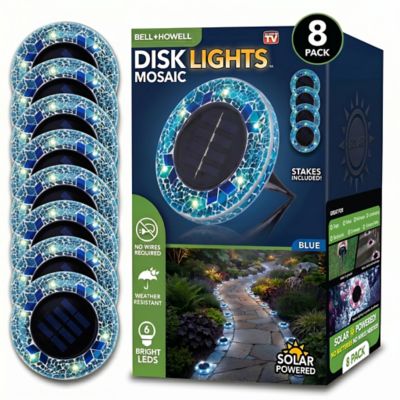
$53
.99
Sale Was $59.99 Save $6.00 (10%)
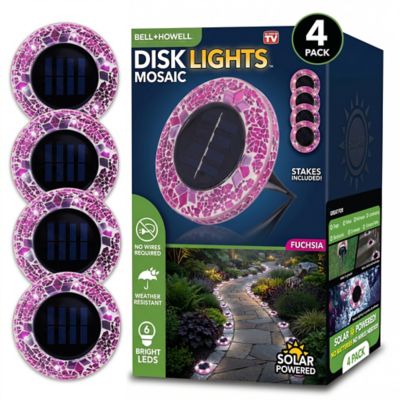
$26
.99
Sale Was $29.99 Save $3.00 (10%)

$16
.19
Sale Was $17.99 Save $1.80 (10%)
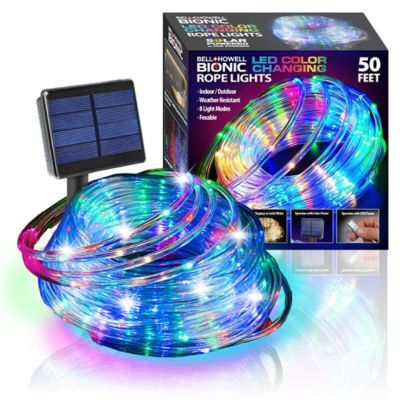
$26
.99
Sale Was $29.99 Save $3.00 (10%)
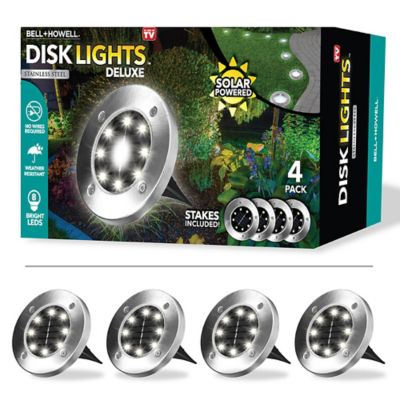
$17
.99
Sale Was $19.99 Save $2.00 (10%)
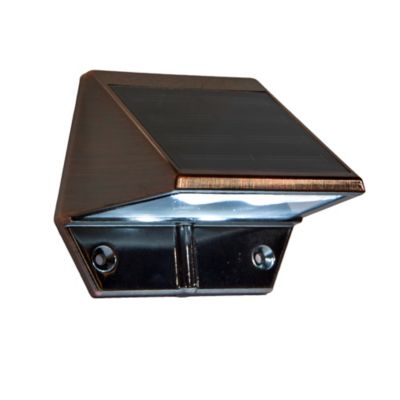
$16
.19
Sale Was $17.99 Save $1.80 (10%)
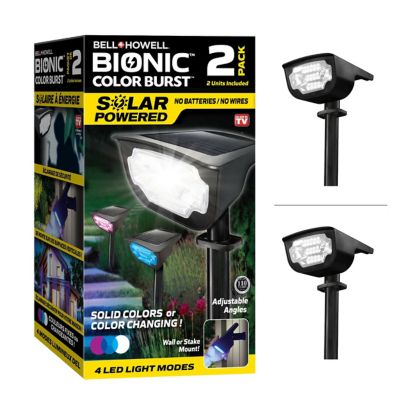
$26
.99
Sale Was $29.99 Save $3.00 (10%)
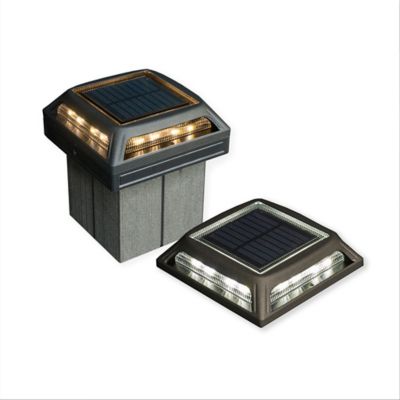
$31
.49
Sale Was $34.99 Save $3.50 (10%)
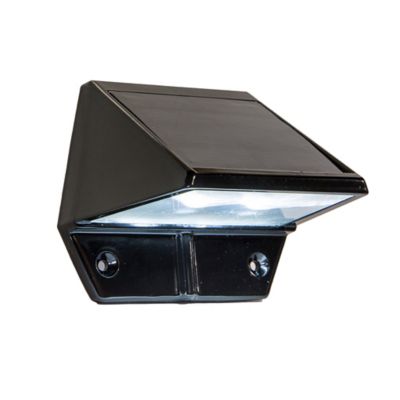
$16
.19
Sale Was $17.99 Save $1.80 (10%)
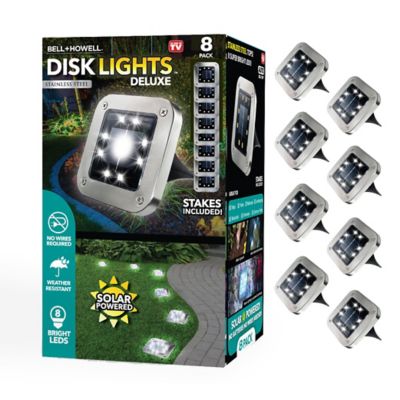
$35
.99
Sale Was $39.99 Save $4.00 (10%)
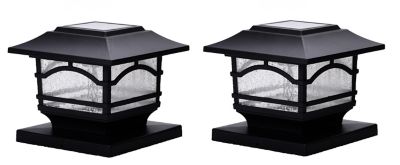
$53
.99
Sale Was $59.99 Save $6.00 (10%)
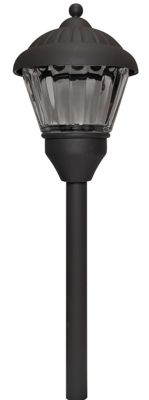
$17
.99
Sale Was $19.99 Save $2.00 (10%)
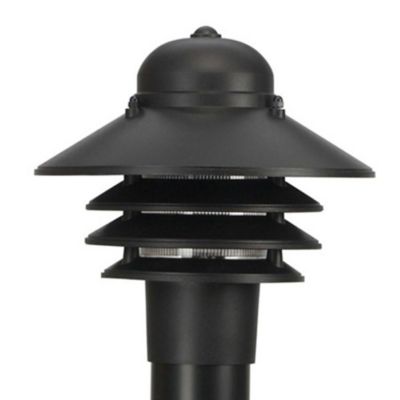
$40
.49
Sale Was $44.99 Save $4.50 (10%)
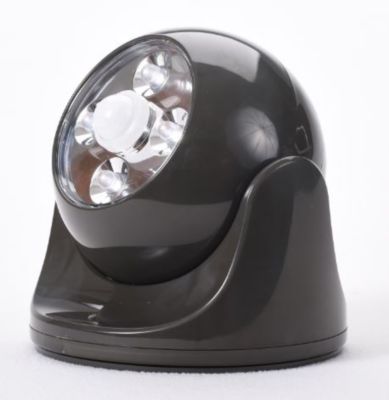
$35
.99
Sale Was $39.99 Save $4.00 (10%)
Best Of FAQ
What are patio pathway lights and how do they enhance outdoor spaces?
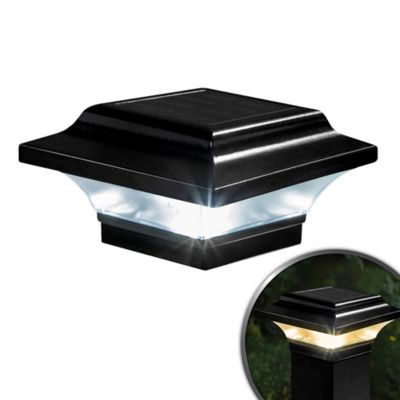
Patio pathway lights are outdoor lighting fixtures designed to illuminate walkways, driveways, and garden paths. They enhance outdoor spaces by providing both functional lighting for visibility and an inviting atmosphere for gatherings or relaxation.
How can I arrange patio pathway lights for the Fourth of July?
You can arrange patio pathway lights with red, white, and blue themes or add patriotic covers to create a festive setting for the Fourth of July. Placing them along walkways or patios helps highlight your celebration area and adds a special touch.
Are there different styles of patio pathway lights available?
Yes, patio pathway lights come in various styles such as solar-powered, LED, lantern-style, and stake lights. You can choose from classic, modern, or themed designs to match your outdoor setting and holiday celebrations.
Can patio pathway lights be installed year-round or just for holidays?
Patio pathway lights are versatile and can be installed year-round to brighten up your outdoor areas. While they add a special touch during holidays like the Fourth of July, they also provide everyday illumination and style.
What features should I look for when choosing patio pathway lights for my home?
When selecting patio pathway lights, consider features such as weather resistance, ease of installation, power source (solar or electric), brightness level, and design style to ensure they meet your needs and complement your outdoor space.
Best Sellers


-
"The worked great along the pathway to the shed"
-
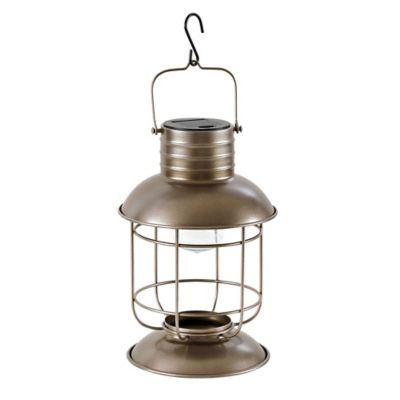
"Great little lantern! Solar panel charges lantern even in low light"
-
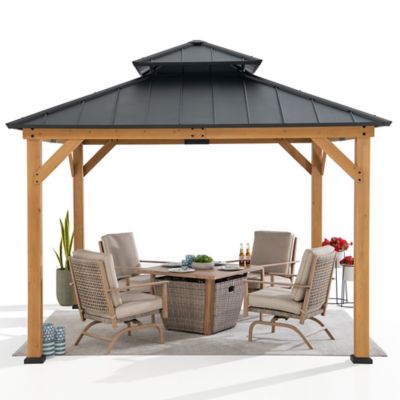
"Aside from poor installation instructions the gazebo went together great. "
-
"Works great quality is great"
-
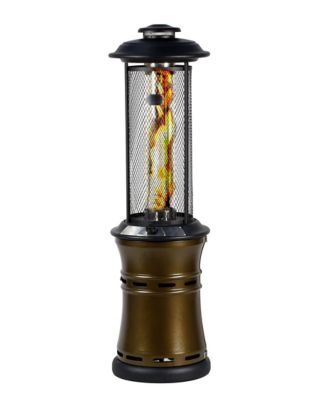
"Great deck heater! Practically no assembly. Easy to light and mesmerizing to watch"